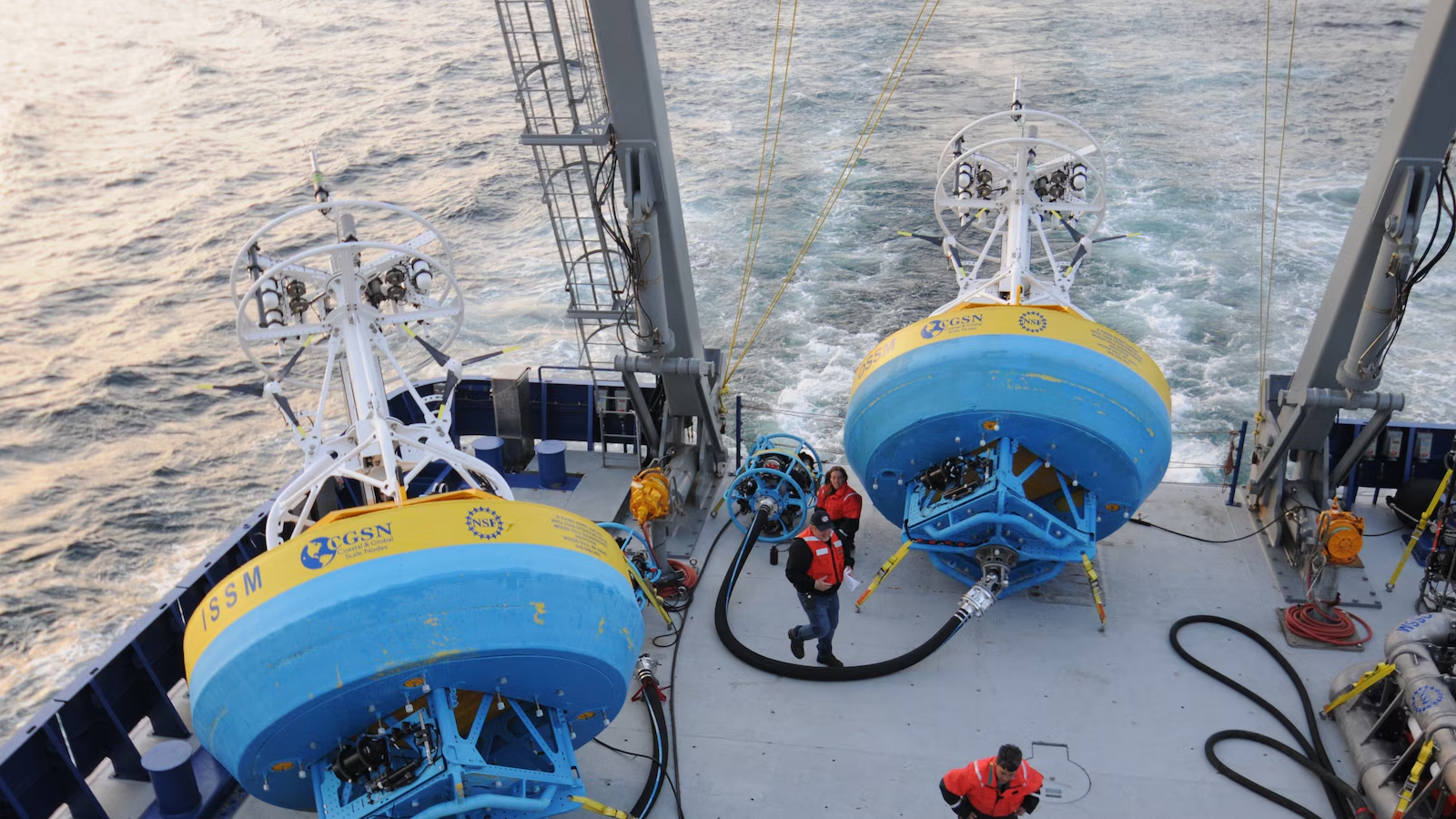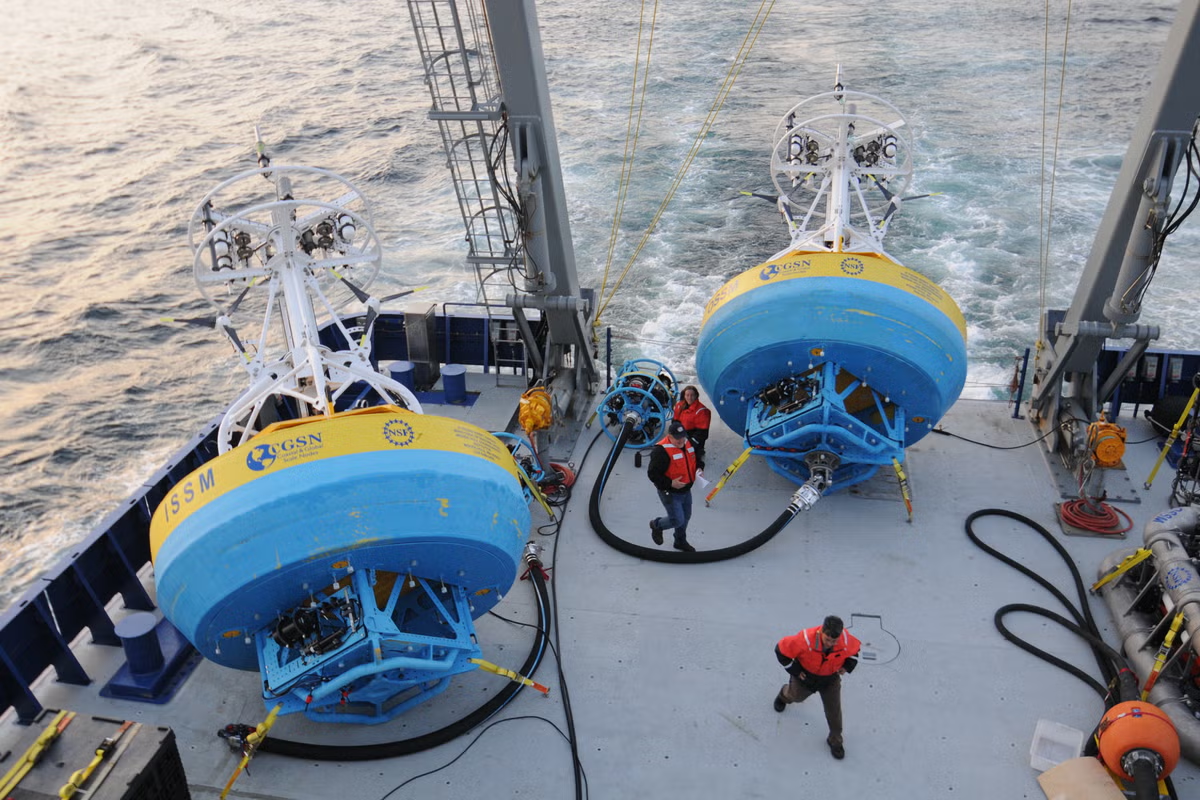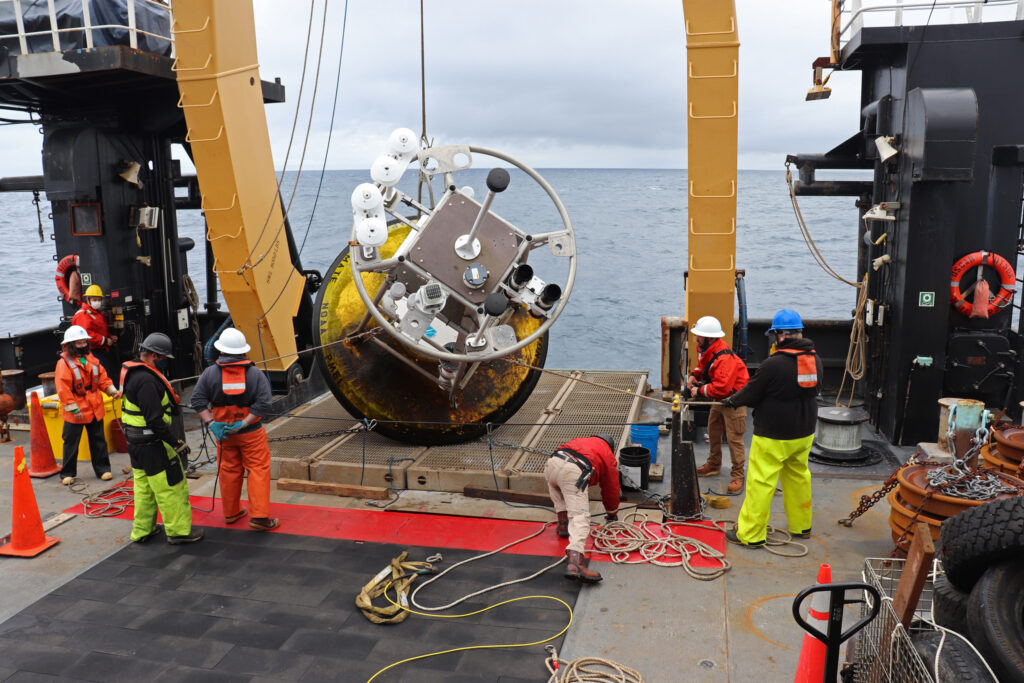
Critics say the move to retire the $360 million system doesn't make sense. The National Science Foundation cites new scientific priorities.Show Caption
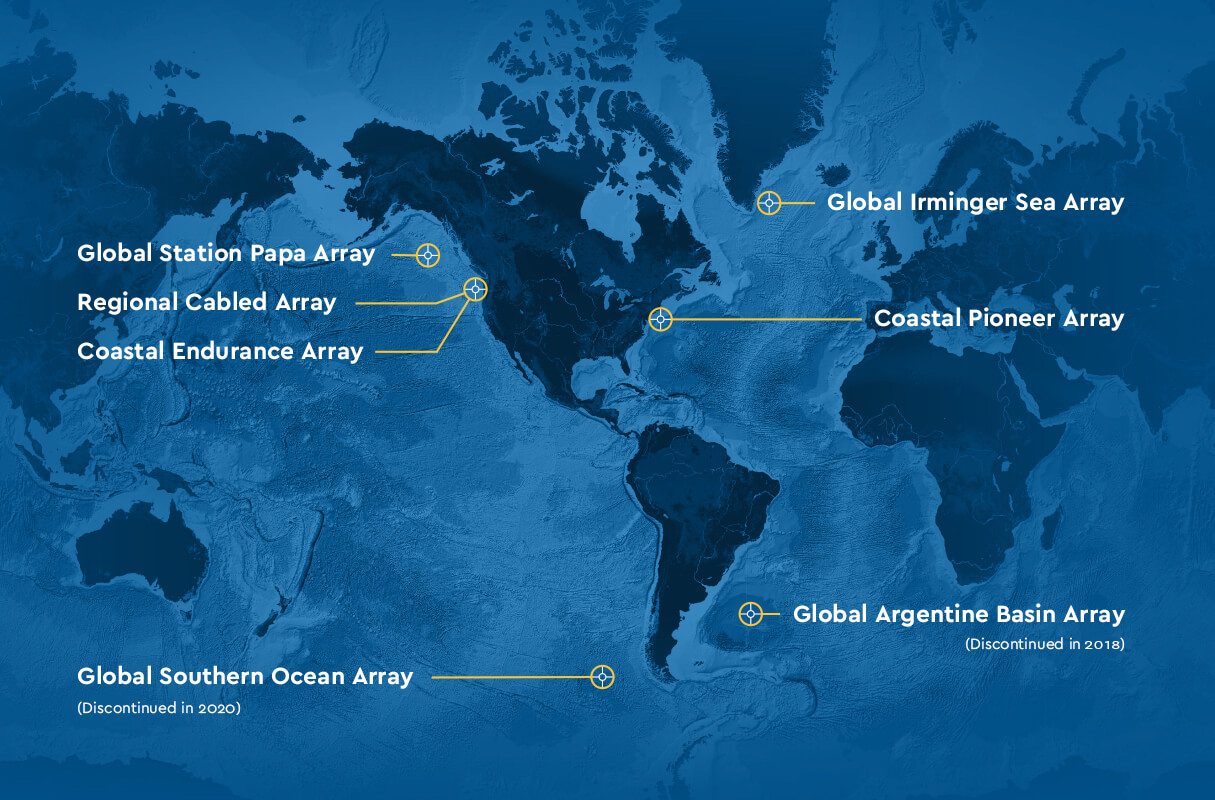
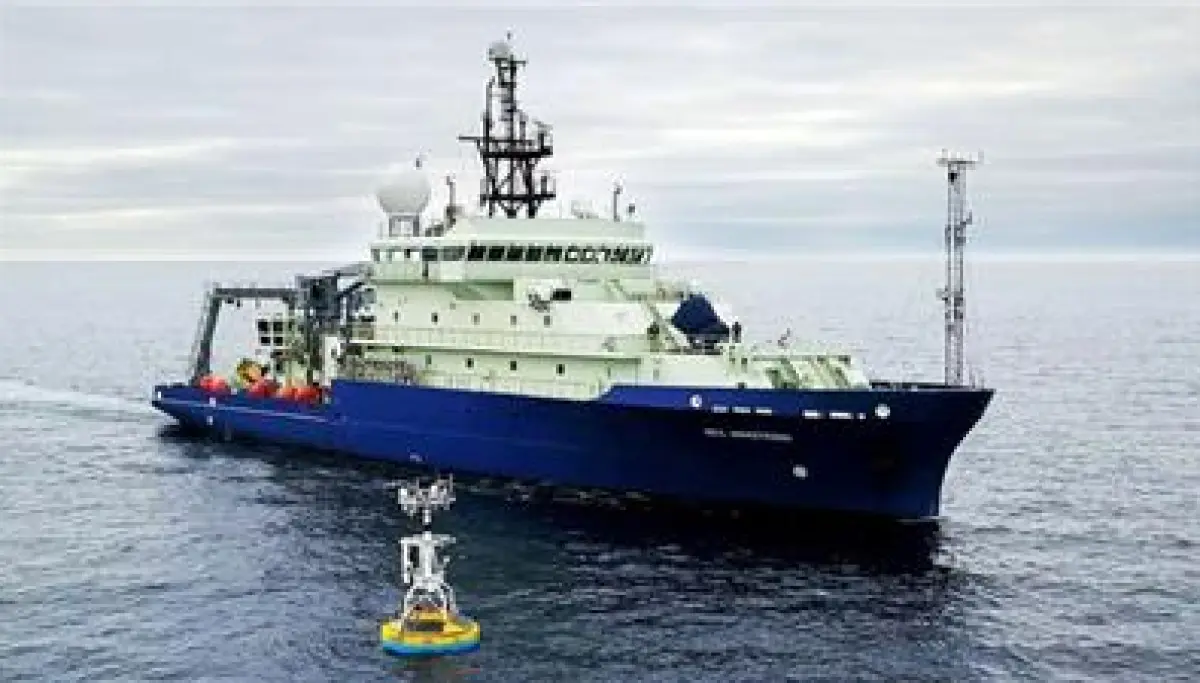
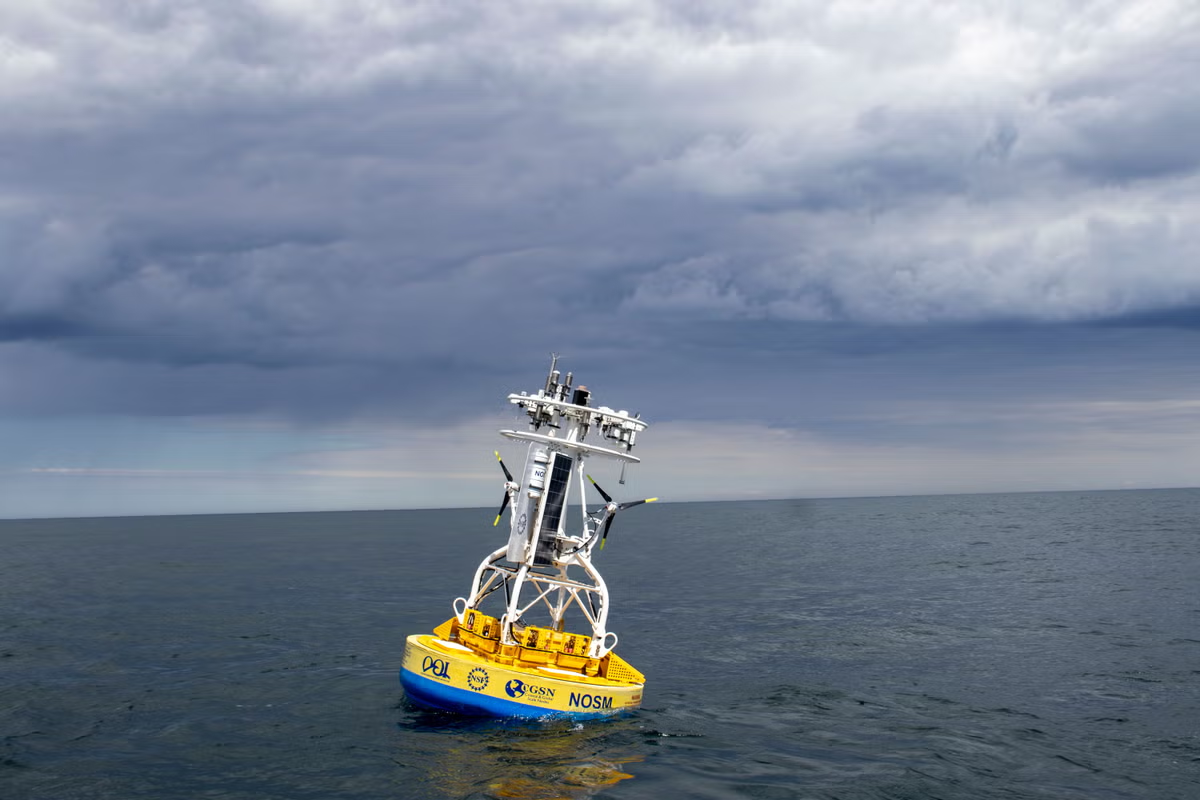
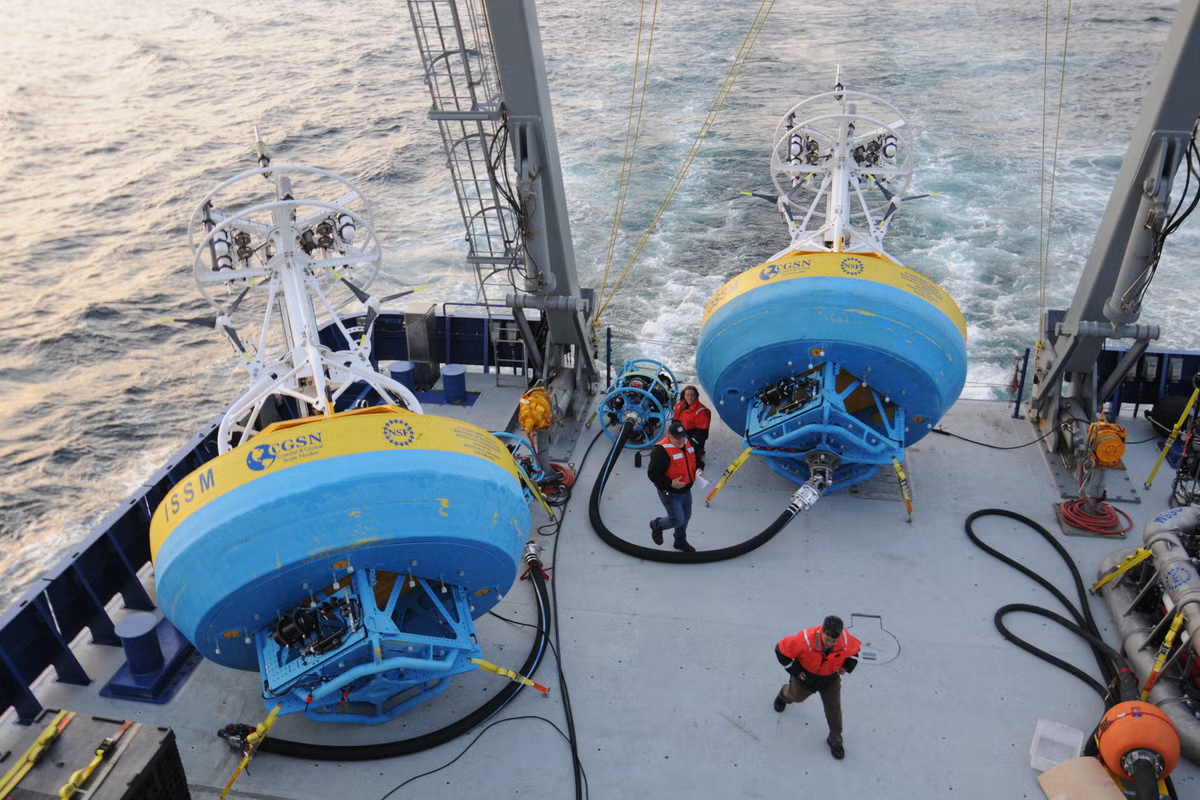
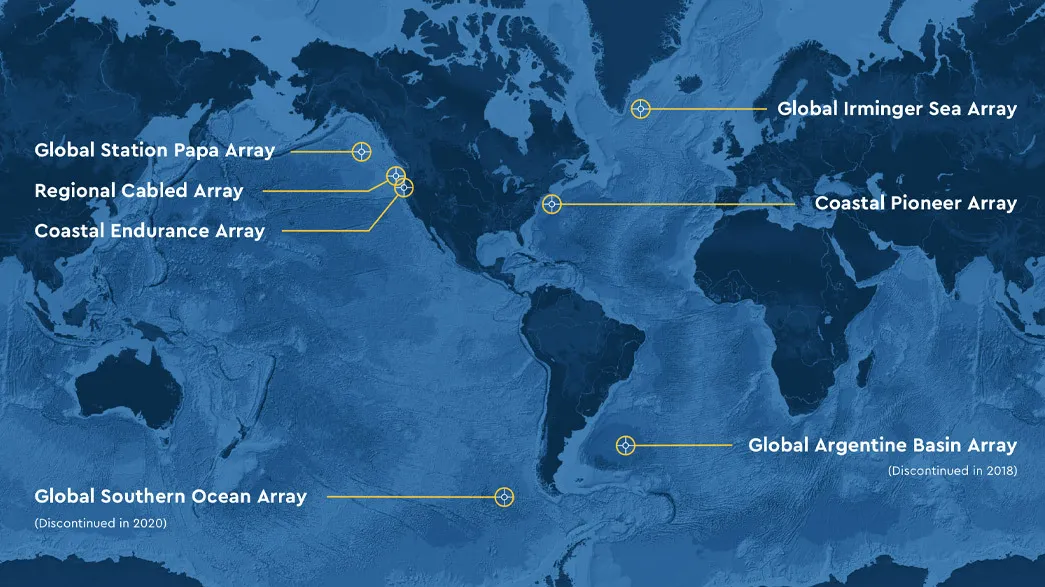
The National Science Foundation has begun dismantling a major ocean monitoring network more than a decade earlier than planned.Some scientists say it will be a “tragic” loss of crucial information about the world’s warming oceans.The dismantling will end most of the monitoring in one of the nation's most advanced, continuous observing systems less than halfway through its intended 25-year lifespan. Researchers warn that the loss of measurements will limit efforts to better understand ocean phenomena, including marine heat waves, hurricanes, fisheries and long-term shifts in climate, even as the oceans reach record-warm temperatures.The Science Foundation-funded Ocean Observatories Initiative oversees web-like arrays of instruments and sensors from the surface to the sea floor in remote ocean regions. The foundation will remove four of its last five arrays by the end of summer 2027, according to a statement by Jim Edson, a principal investigator for the initiative and senior scientist at Woods Hole Oceanographic Institution.The reason for the removals remains unclear. In a media statement, the foundation indicates it's shifting to a more nimble approach and new scientific priorities. But part of its justification has been questioned and challenged by the National Academies of Sciences, Engineering, and Medicine and authors of a key Academies report. The announcement comes after dramatic budget cuts were proposed in 2025.Like other federal agencies and programs, the foundation has been under pressure to slash budgets and staff, and to deemphasize work on what has been called "climate alarmism" by members of the Trump administration and its supporters.Scientists say deep ocean network filled gaps in monitoringThe ocean initiative, which came online in 2016 at a cost of more than $360 million, originally included seven arrays.“It’s a marvelous scientific experimentation, from the surface to the deepest part of where they are moored,” said Craig McLean, a former acting chief scientist for the National Oceanic and Atmospheric Administration.The hundreds of instruments are separate from the network NOAA uses to monitor global ocean conditions for climate outlooks and weather forecasting, McLean said. "The global ocean observing system that we base our climate and weather prediction forecasts on is safe."The ocean initiative is not, to the frustration of McLean and many other ocean and climate scientists. Removal of the array off the Pacific Northwest coast is underway and expected to be complete later in June, according to Edson's statement. Three others will follow: In the Gulf of Alaska, on the continental shelf off New England and in the Irminger Sea southeast of Greenland.After the dismantling, only a cabled array that monitors seismic and volcanic activity along the Juan de Fuca tectonic plate off the Pacific Northwest will remain. Two arrays in the southern oceans off South America were discontinued in 2018 and 2020.Though the foundation said the decade of data produced by the initiative will remain online and accessible, "real-time data streams and observing capabilities at those locations will come to an end."What the instruments measureThe arrays track marine heatwaves, collect data on how the ocean influences hurricanes and other events and improve the understanding of fisheries and other marine ecosystems. The instruments measure temperature, salinity, oxygen levels, currents and more, said Suzanne Pelisson, director of public relations for Woods Hole Oceanographic Institution, a science foundation partner on the initiative. Annual maintenance costs were estimated at roughly $40 million a year."The program has generated billions of megabytes" of data – physical, chemical, biological and geological – and supported researchers in science, government and industry, Pelisson said. Fisheries researchers, for example, used the data to monitor water currents and fish movement.NOAA did not respond to questions about the role of the monitoring arrays.Researchers warn of risks for climate, fisheries and national securityThe removal will increase the risks to coastal communities, local economies and national security, Mark Spalding, president of the nonprofit Ocean Foundation, told USA TODAY. It means less focus on flood risk, less data for commercial fisheries and fewer data points on the Atlantic Overturning Meridional Circulation, a key weather driver, Spalding said.In a series of LinkedIn posts about the monitoring network, Spalding noted that even though the nation has sophisticated satellites that essentially see the "skin of the ocean," they can't measure what's happening down through the ocean depths to track salinity, acidity, oxygen and more.The 2026 budget proposed cutting the initiative by 80% over the next 10 years, but that drew protests from the science foundation's partners. After the initial budget pushback from initiative partners last summer, Congress went out of its way to fund the program, Spalding said. To him, the foundation's decision to remove the system from the sea anyway "feels a little bit like a child who didn't get its way."In a statement to USA TODAY, Mike England, the science foundation's head of media affairs, said dismantling the arrays aligns with a “wider strategy of a nimbler approach to prioritize support for evolving scientific priorities and emerging technologies, as well as smart lifecycle management within its research infrastructure portfolio."Push back on strategy shiftThe science foundation attributed the dismantling to recommendations in the 2025 National Academies of Sciences, Engineering, and Medicine report "Forecasting the Ocean: The 2025-2035 Decade of Ocean Science." However, report authors and the National Academies quickly disagreed.The closing "had nothing to do with anything we concluded in the report,” said James Yoder, a co-chair of the panel that produced the report, and an author on a similar report 10 years earlier. The committee recommended that the science foundation continue funding core infrastructure, including the observatories, he said.The committee also recommended a separate and independent review to consider how the next version of the initiative could meet future needs, in response to some valid concerns raised by other scientists, said Yoder, an emeritus professor at the University of Rhode Island.Because the arrays were designed from the beginning to measure change in the world's oceans, he said it became a target for the Trump administration. The two arrays in the southern oceans were canceled during the previous Trump administration.During the Department of Government Efficiency (DOGE) era in 2025, nearly $500 million in grants and contracts were cut from the science foundation, and in April 2026, the White House dismissed the entire appointed board that oversees the foundation.The foundation's latest strategic plan – 13 pages compared to 72 in 2022 – does not mention climate change.“This administration wants to purge anything to do with climate out of the federal government,” Yoder said. For example, because of concerns that the 2025 report would be canceled, Yoder said the authors went through "and tried to get as many of the climate words as they could into some other form.""There’s definitely a climate theme to the arrays," Yoder said. “The only array that doesn’t have a climate theme is the one they’re leaving alone for right now.”A critical moment in climate researchConcerns about real and growing threats from climate change make removal of the Irminger Sea array a particularly “tragic loss,” McLean said. For one, its location near Greenland makes it a "hot spot for national security and economic security,” he said. For another, its observations could be critical to settling questions about the overturning circulation, a major current that moves heat energy around in the Atlantic.Some scientists say their models show the circulation could collapse, causing catastrophic impacts in the world's weather. Yoder said researchers are still trying to work out whether the current is slowing, and if it is, whether that's natural or occurring because of the Greenland ice melt.“There’s an argument between people who do models and people who measure,” he said. “The people making the measurements don’t see a slowdown." If the instruments are pulled out, there will be no way to validate – or not – what the models show.Likewise, Yoder said the timing for removing the array off the Pacific Northwest is “silly,” with a potentially strong El Niño developing. “Left at sea, (the array) could produce important data about the weather-altering climate pattern known to kill sea birds, mammals and fish," he said. “But that’s the first thing they’re going to yank out.”No existing observing system fully replicates the combination of capabilities provided by the initiative, said Woods Hole’s Pelisson. The unique value of the arrays come from their scale, duration and continuous observations of “physical, chemical, biological, geological, and atmospheric processes."Scientists urge continued investmentThe inability to sustain long-term, continuous observations will be the biggest loss from removing the arrays, she said. It would also mean the loss of the expertise and experience required to design, deploy, and maintain other advanced marine observation systems.In a statement, the science foundation encouraged researchers to continue working with the decade of data, so it can appear in proposals, publications and presentations.The National Academies released a follow-up statement on June 9: "Preserving and improving (the initiative) and other ocean-observing infrastructure is critical to advancing U.S. ocean science at a time when other countries, including our competitors, are increasing their investments in ocean science and advancing their capacities."Dinah Voyles Pulver, a national correspondent for USA TODAY, writes about violent weather, climate change and other news. Reach her at dpulver@usatoday.com or @dinahvp on Bluesky or X or dinahvp.77 on Signal.