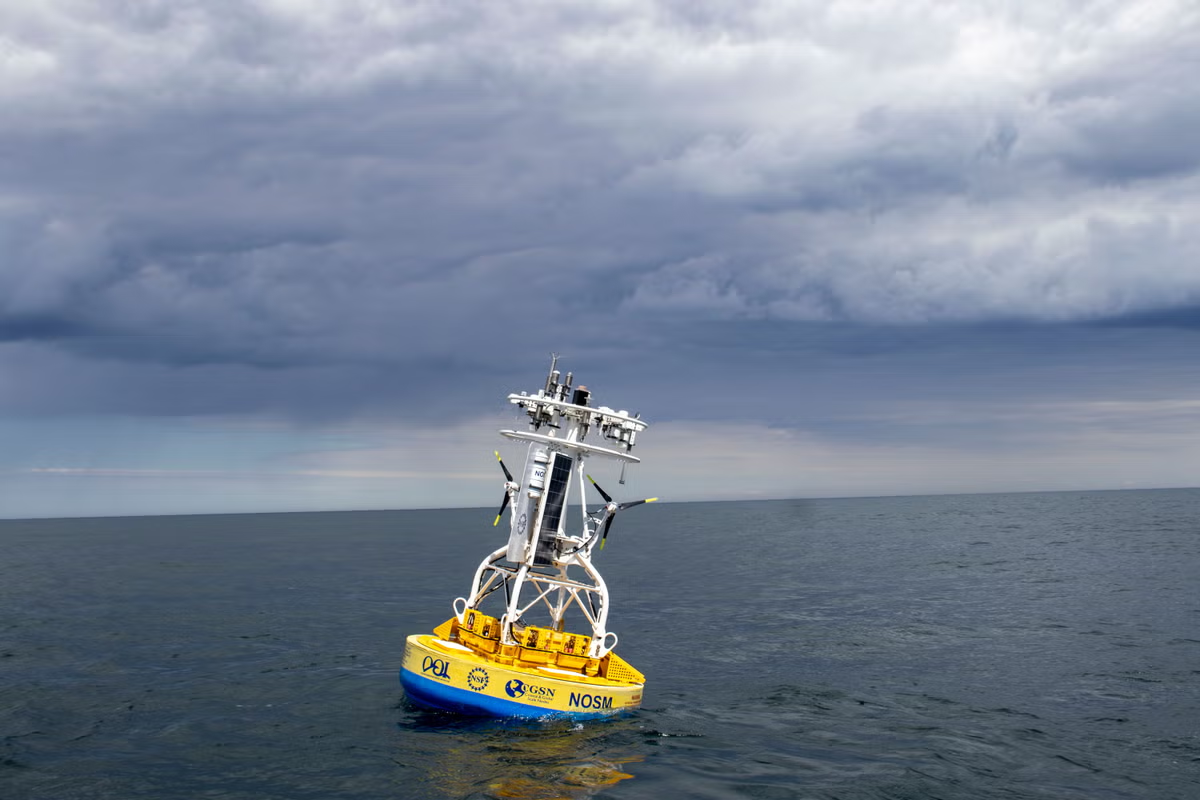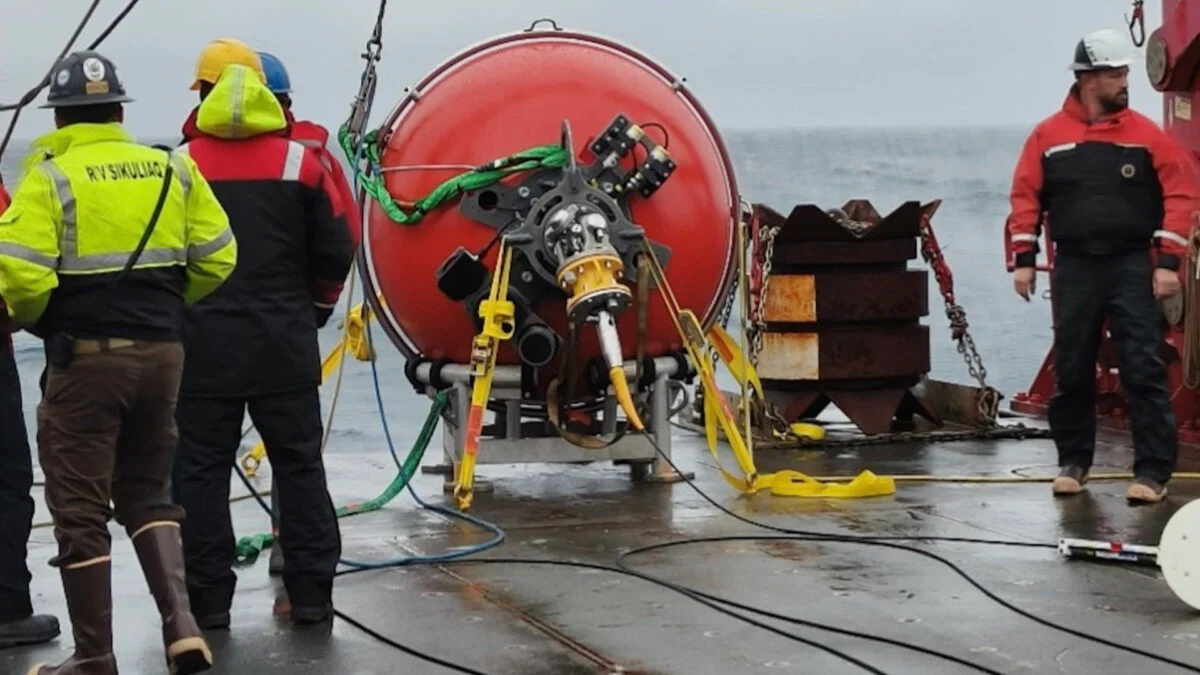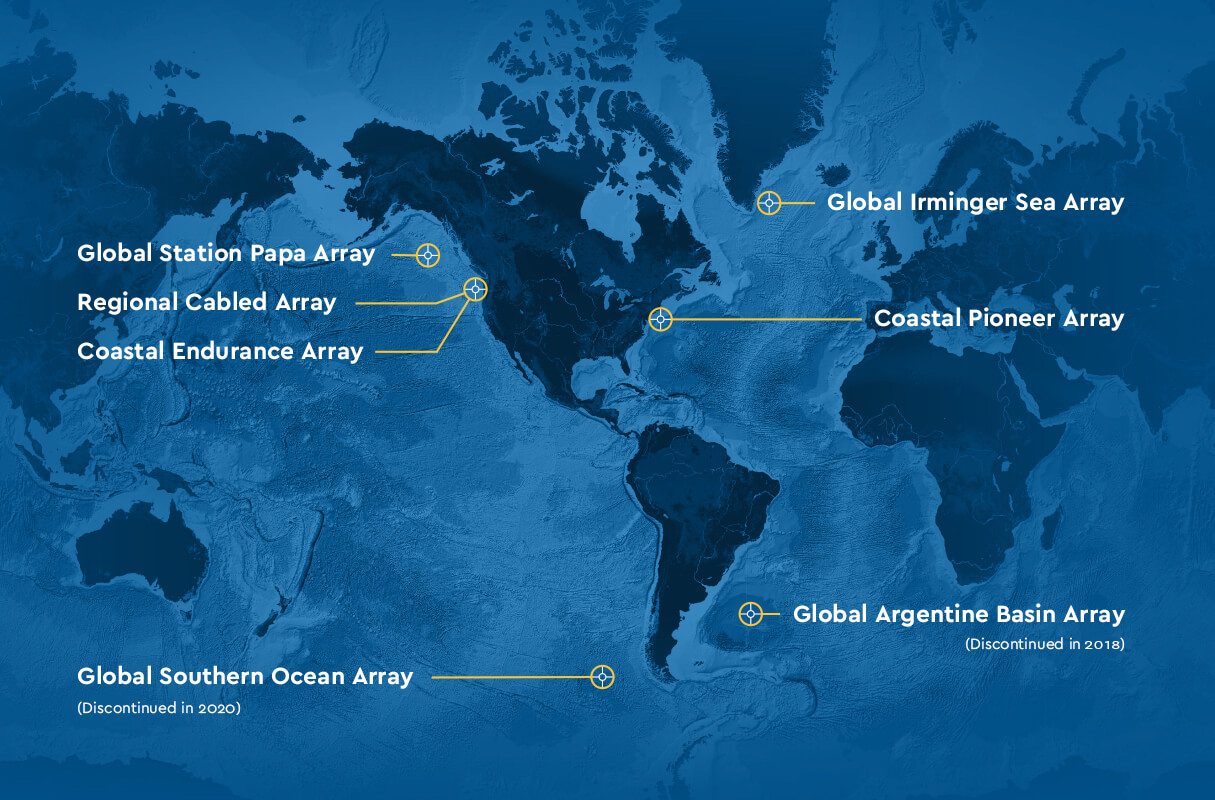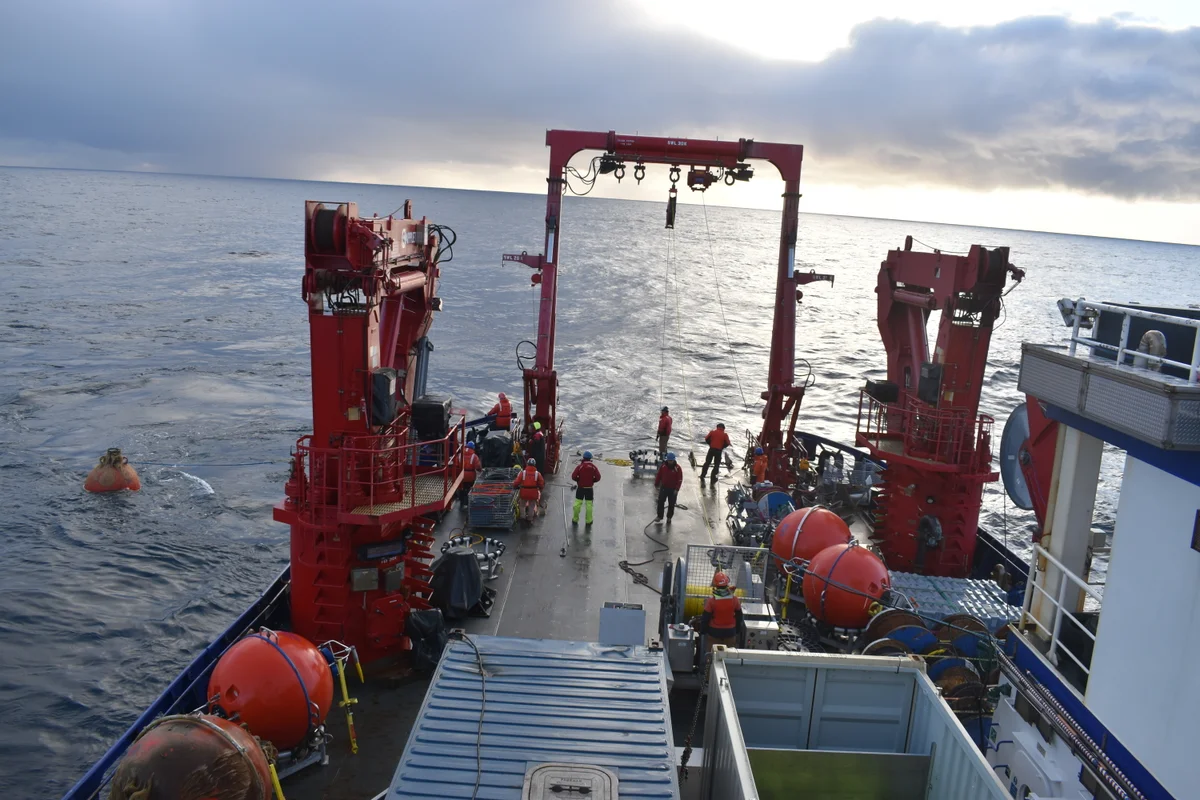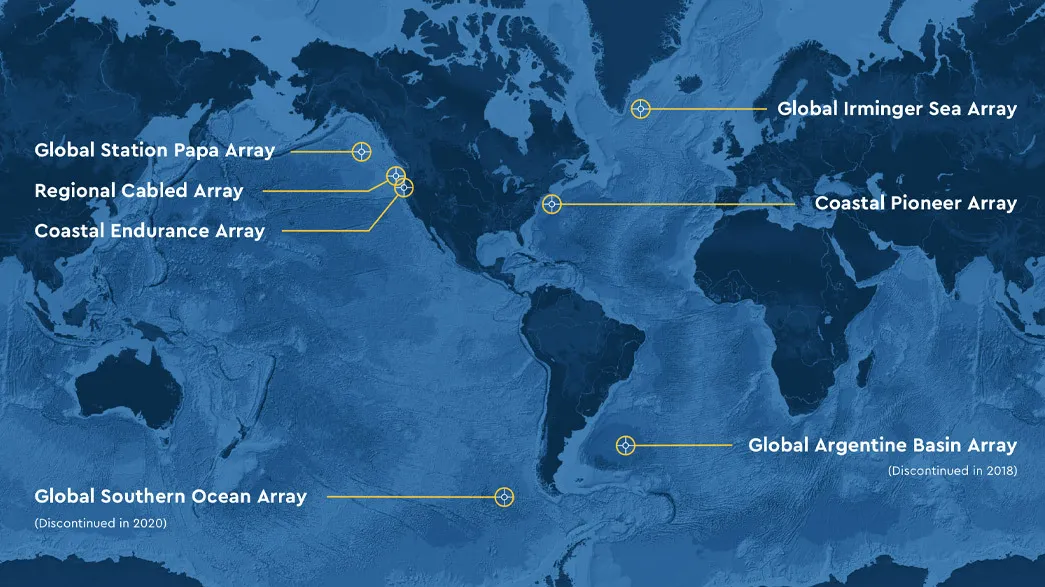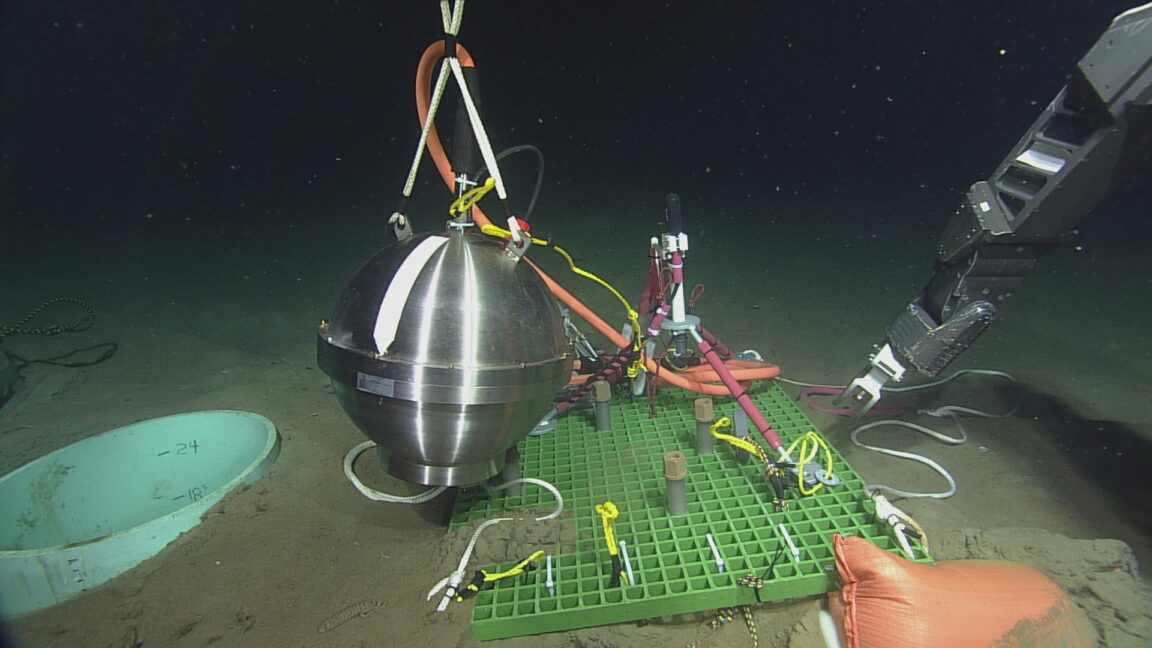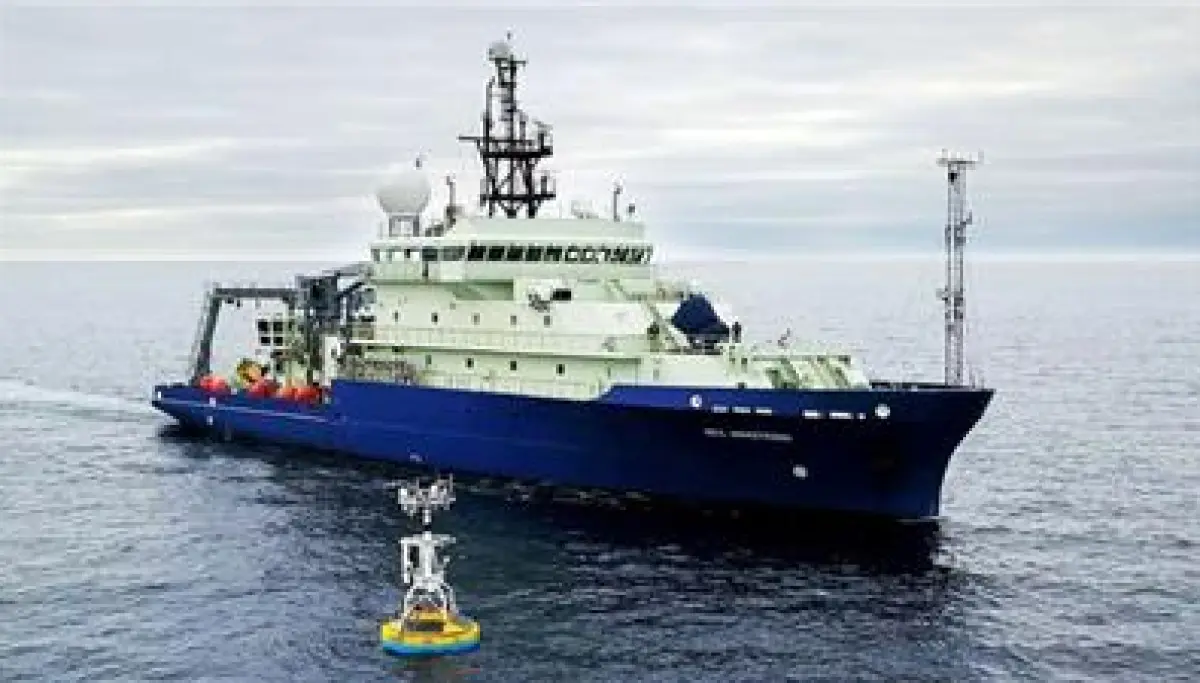
The National Science Foundation announced plans to scale back a major ocean-monitoring network that scientists have relied on for more than a decade to track greenhouse gases, ocean temperatures, marine heat waves, and coastal flooding.“The U.S. National Science Foundation communicated to Woods Hole Oceanographic Institute on May 8, 2026 that it planned to descope support for elements of the Ocean Observatories Initiative, according to a statement from Mike England, head of media affairs for the NSF. This decision aligns with NSF’s wider strategy to have a nimbler approach to prioritizing support for evolving scientific priorities and emerging technologies as well as a deliberate approach to smart lifecycle management within its portfolio of research infrastructure.” The move will gradually dismantle large portions of the Ocean Observatories Initiative, a $368 million system of deep-ocean sensors and research infrastructure deployed across several regions of the Atlantic and Pacific oceans.
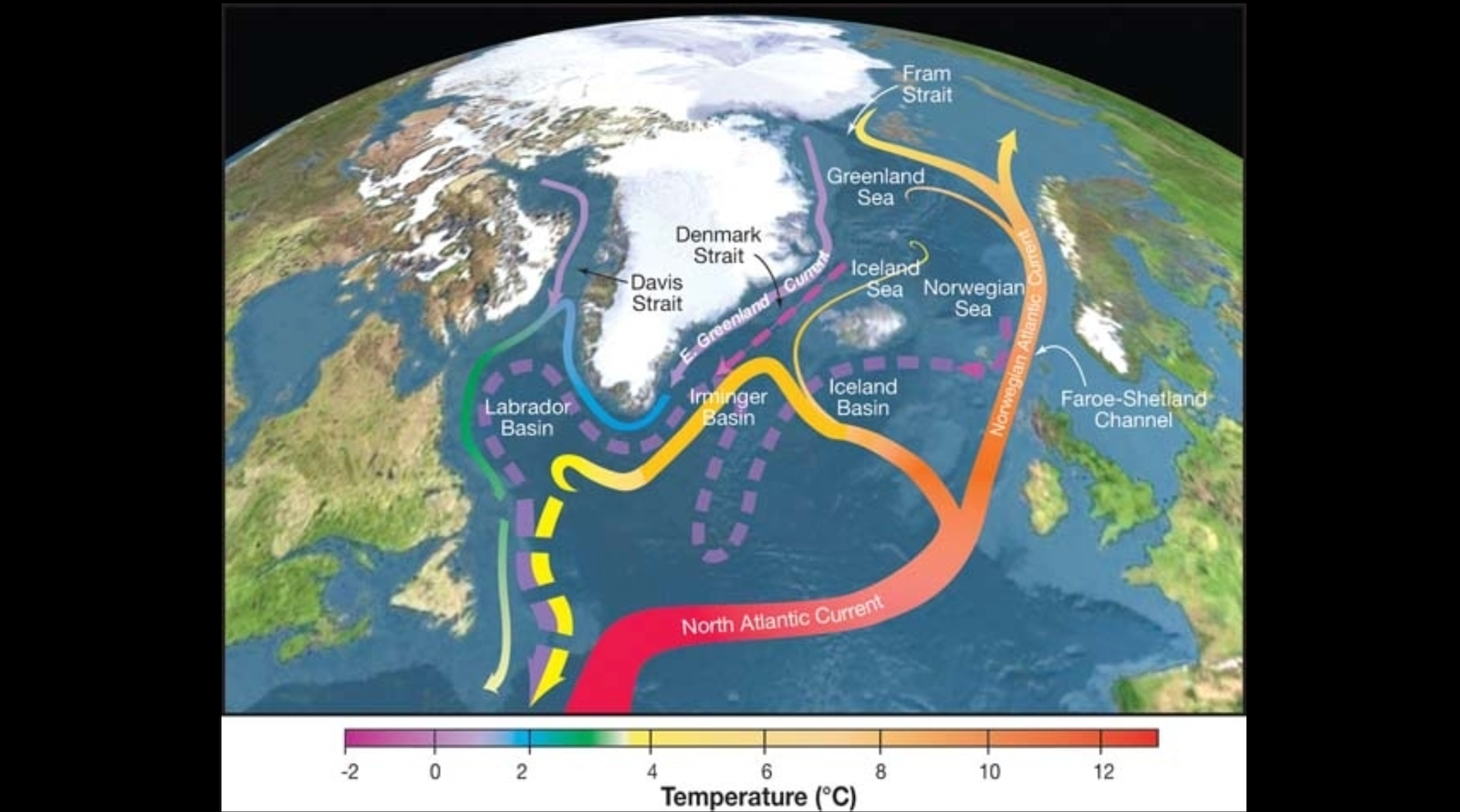
Among the sites affected is the Irminger Sea, located between Greenland and Iceland in the North Atlantic, which has provided researchers with continuous measurements of ocean and atmospheric conditions since it was established roughly a decade ago.