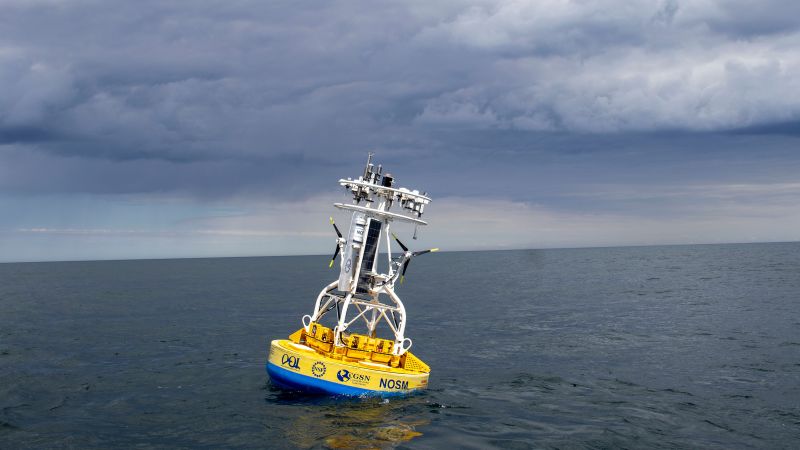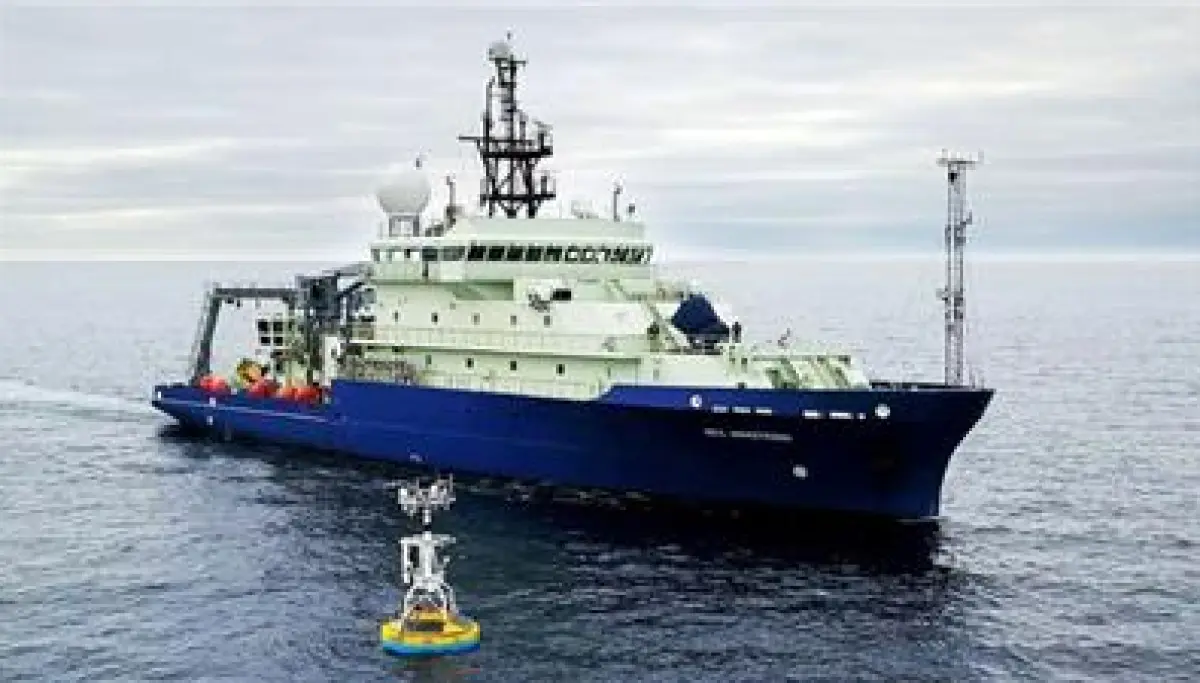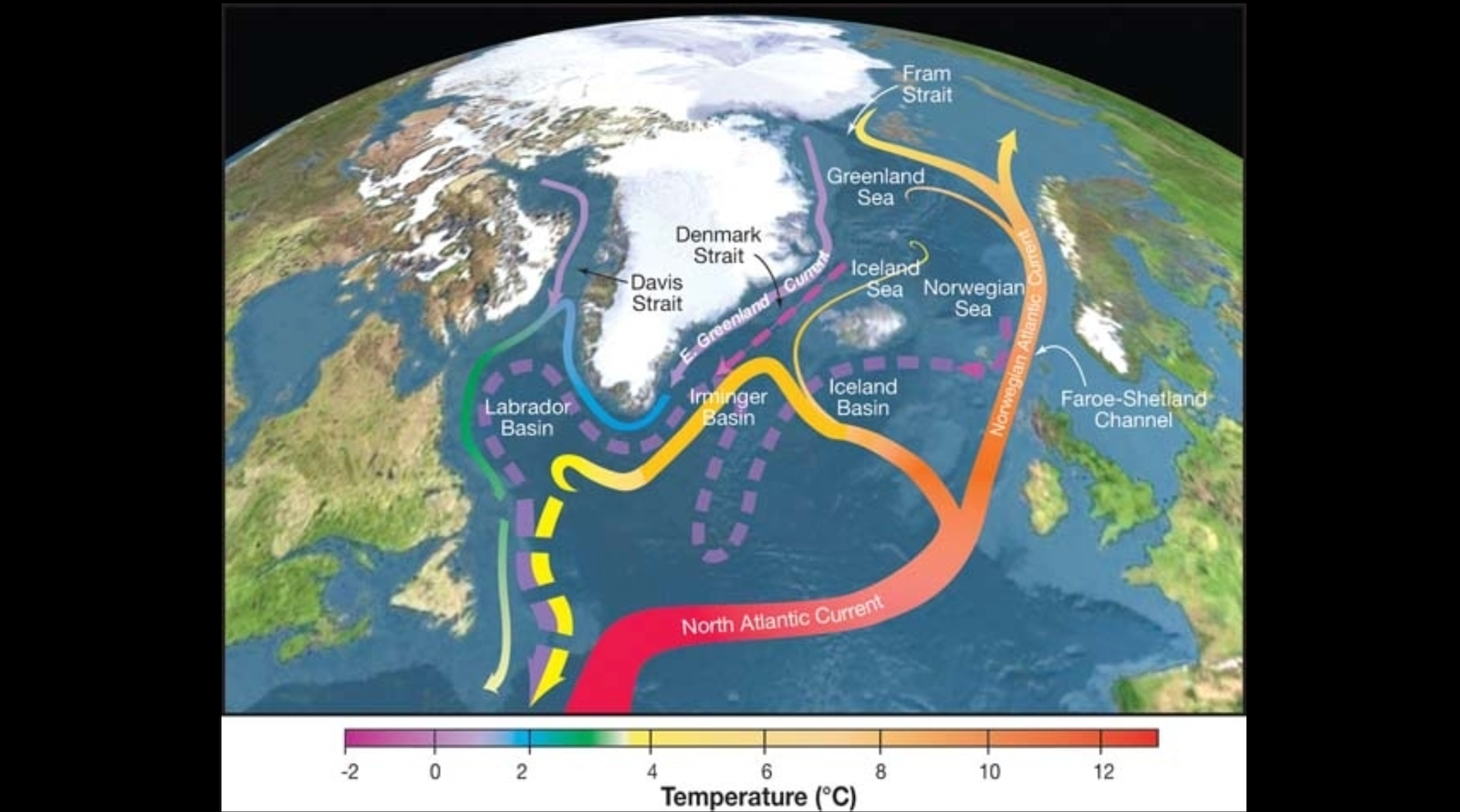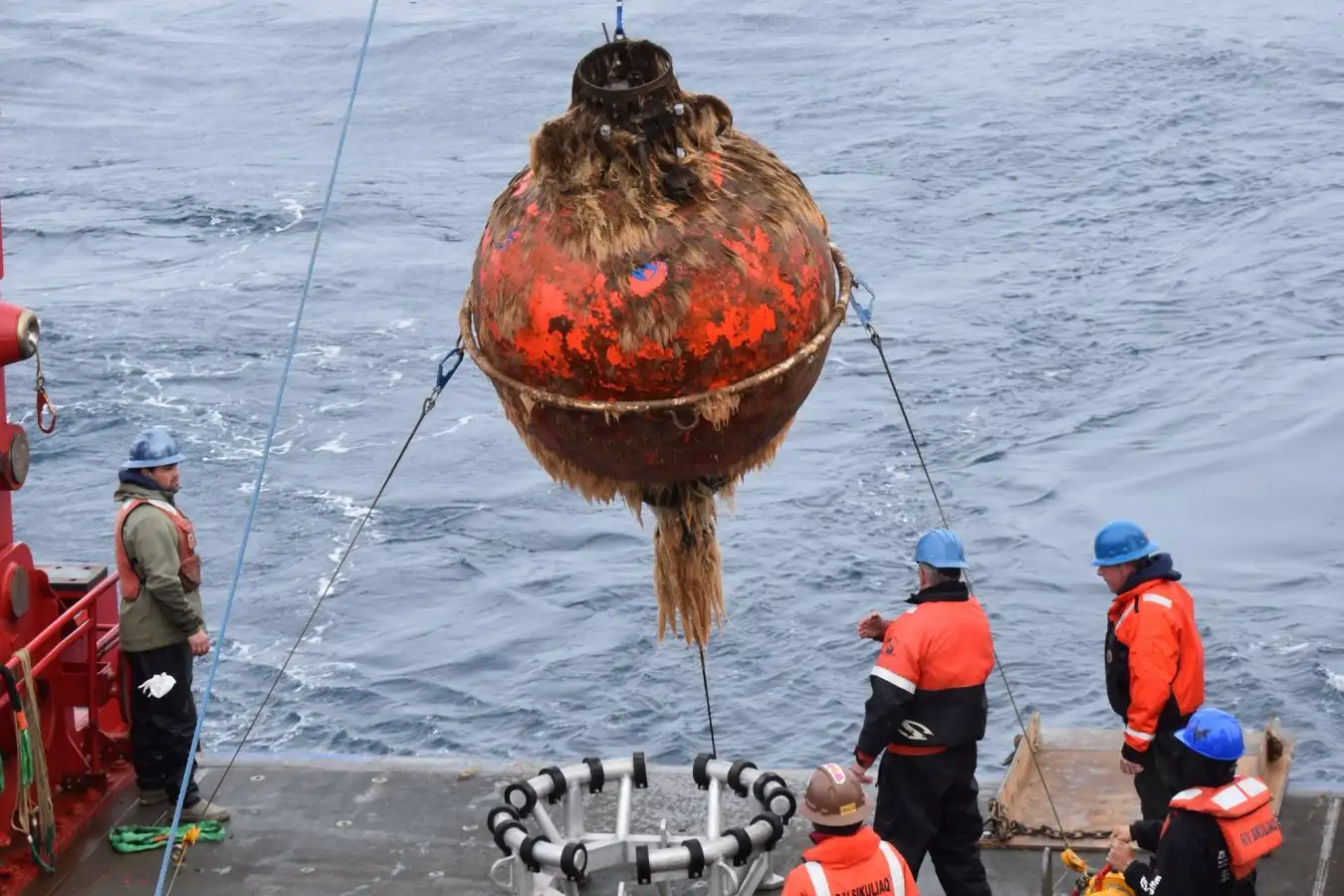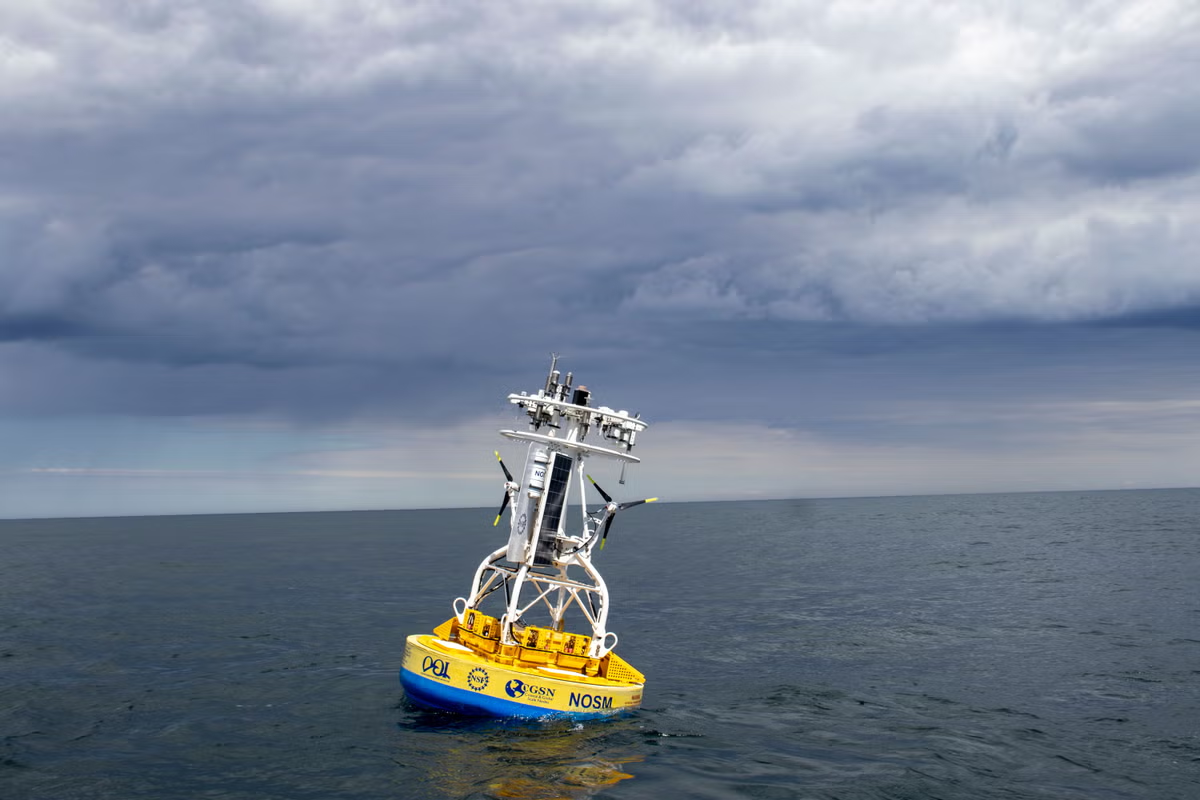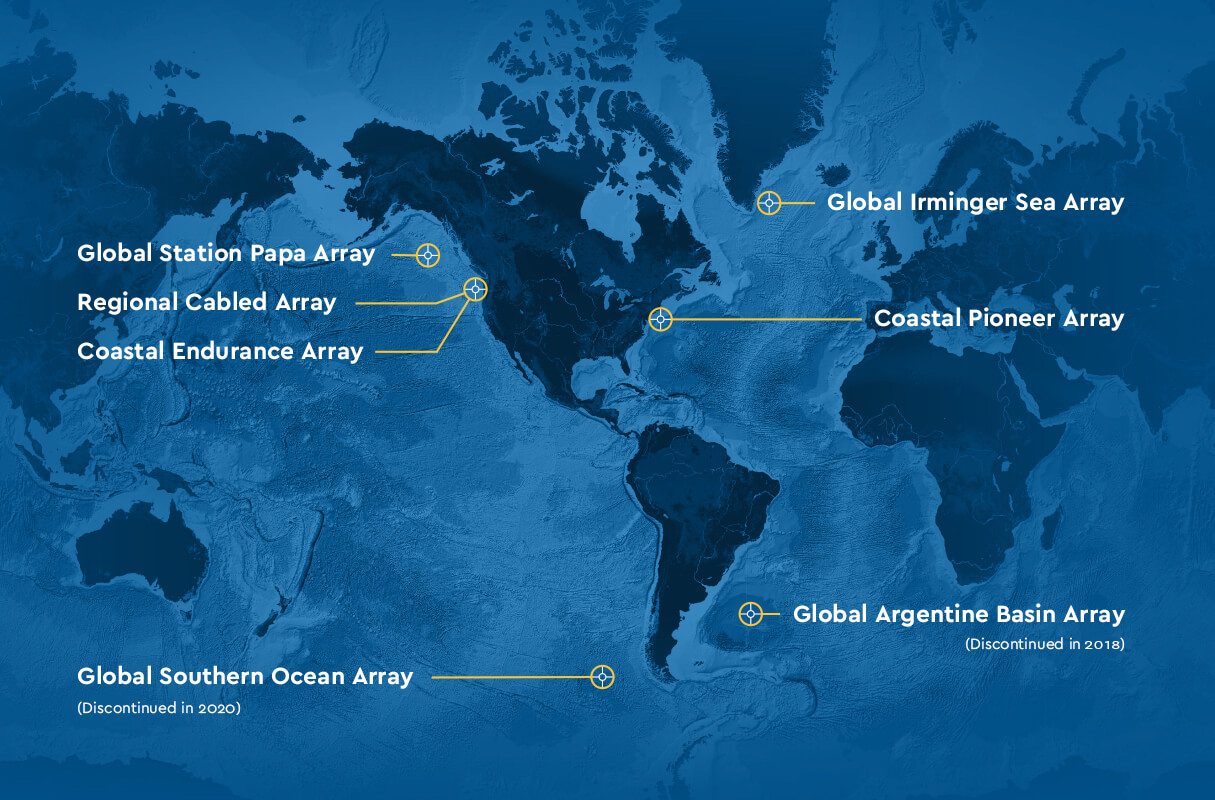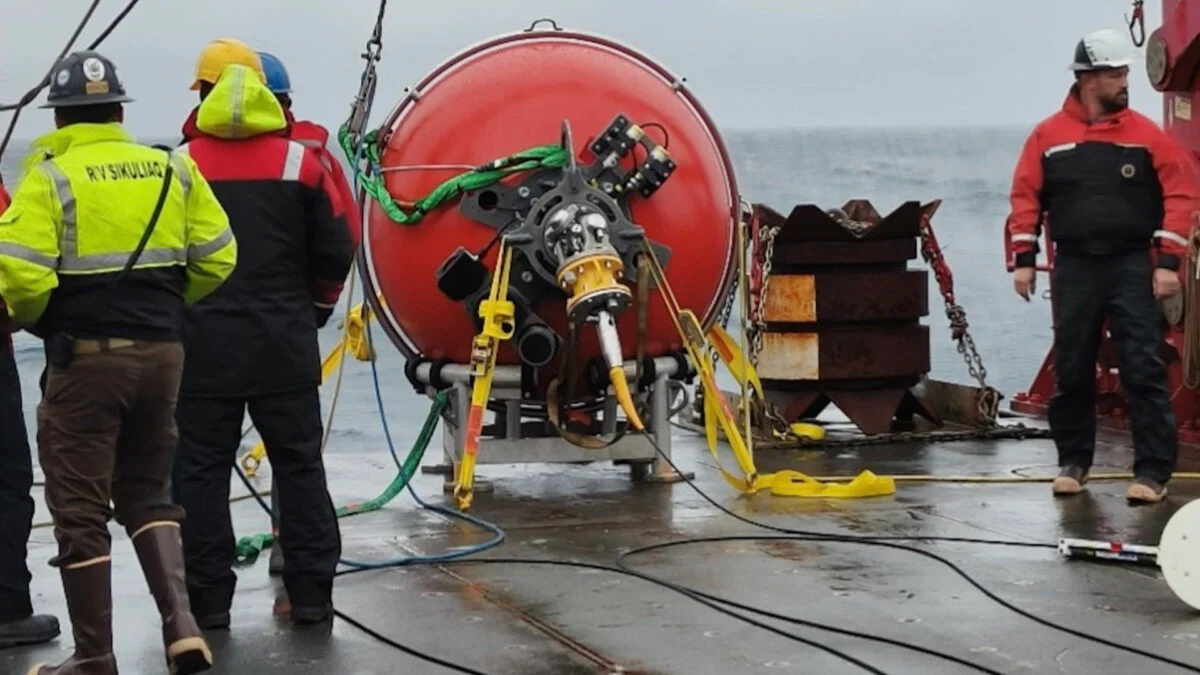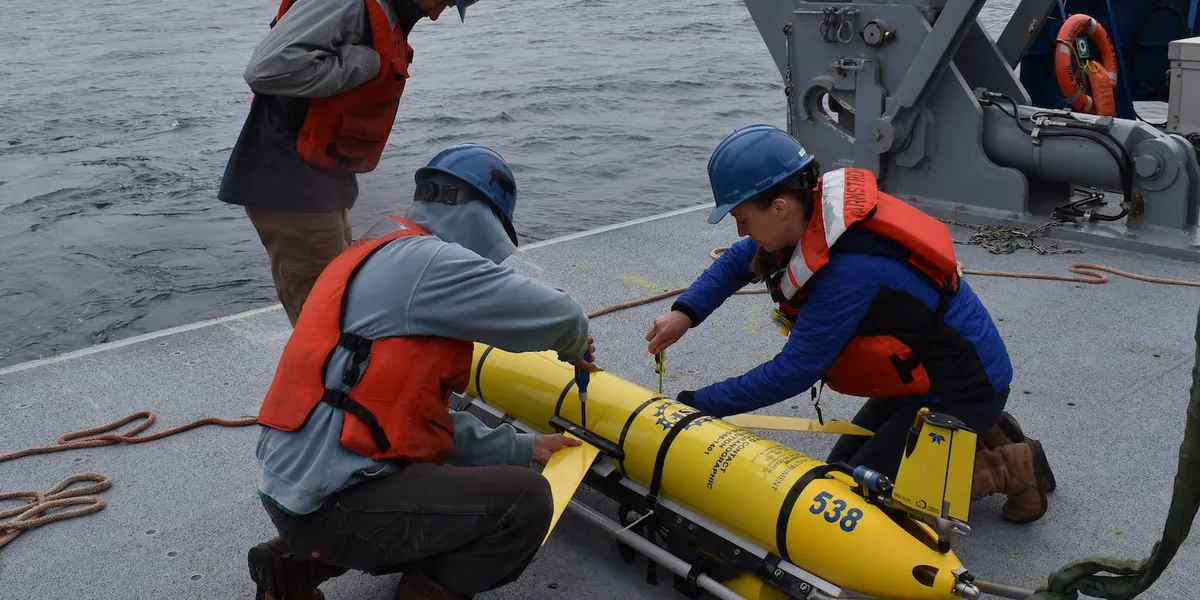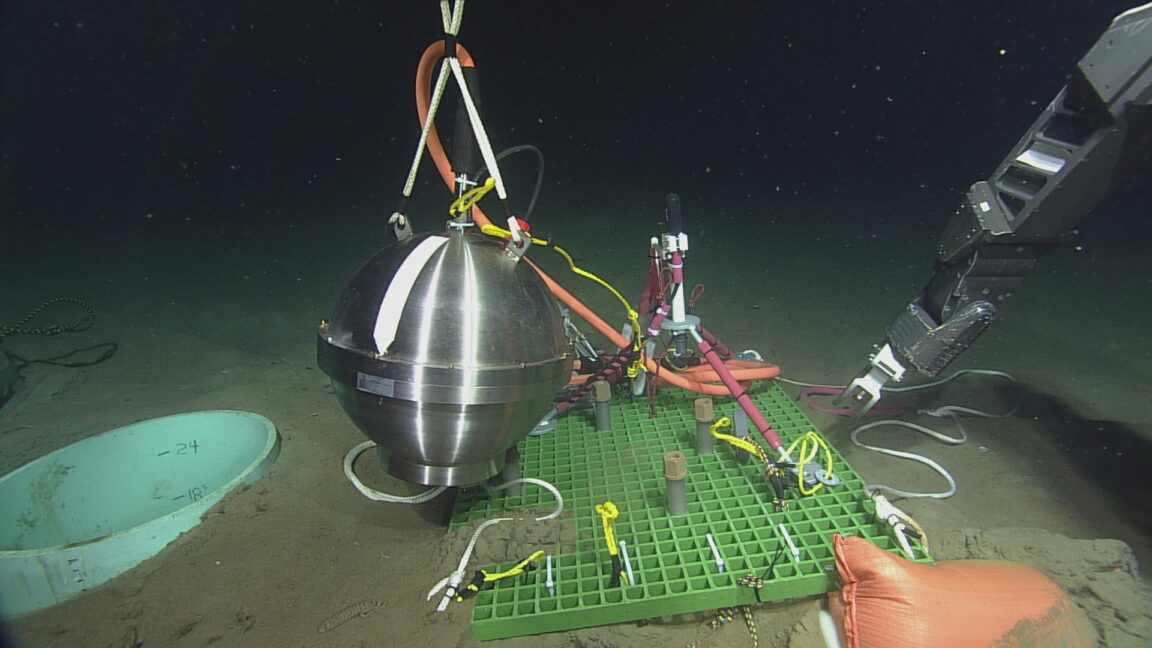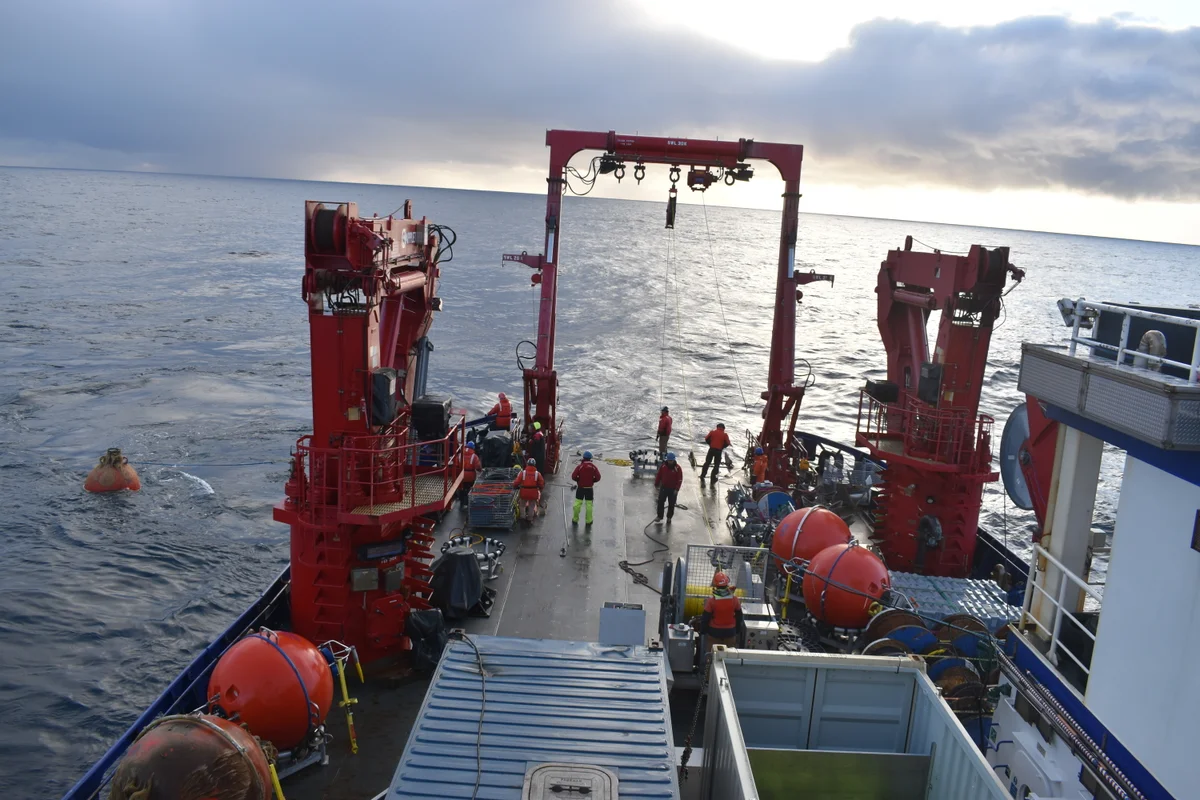
The Ocean Observatories Initiative has been collecting data on physical, chemical, geological and biological conditions in the Atlantic and Pacific oceans for the past decadeBy Adam Kovac edited by Claire Cameron Dee Emrich © WHOIJoin Our Community of Science Lovers!The Trump administration is targeting one of the world’s most trusted sources of climate and oceanic data—the Ocean Observatories Initiative (OOI). According to the New York Times, ships will be dispatched this month to remove the more than 900 deep-sea instruments that comprise the network, which for the past decade has collected crucial data on physical, chemical, geological and biological conditions from all layers of the Atlantic and Pacific oceans on a continuous basis.In a statement dated May 21, the OOI confirmed that the National Science Foundation (NSF) had begun a “descoping” process, including removing all in-water infrastructure from four of the OOI’s five deployed arrays. "This plan includes the removal of all in-water infrastructure from the Irminger Sea, Station Papa, Endurance and Pioneer Arrays, subject to ship scheduling and other operational constraints," the OOI said in the statement. This covers instruments stationed in the Pacific, as well as others in the waters off the U.S. Atlantic coast as well as Greenland and Iceland. The Initiative was originally meant to run for 25 years.Among the arrays set to be taken apart is the Coastal Endurance Array, which lies off the coasts of Oregon and Washington. It's data is vital to scientists studying a region of ocean that accounts for about a quarter of the annual global fish catch. And the station in the Atlantic's Irminger Sea has gathered crucial data on the Atlantic Meridional Overturning Current, which some scientists suspect is weakening—if it collapses, the weather effects could be devastating.According to the OOI, one network of seafloor sensors—the Regional Cabled Array, which extends from the Oregon coast to the Juan de Fuca tectonic plate in the Pacific Ocean—will remain in service “indefinitely." It’s unclear if that remains the case; the NSF did not immediately reply to a request for comment. In the NSF's Fiscal Year 2026 budget request, funding for the OOI was cut by 80 percent.On supporting science journalismIf you're enjoying this article, consider supporting our award-winning journalism by subscribing. By purchasing a subscription you are helping to ensure the future of impactful stories about the discoveries and ideas shaping our world today.Conditions in the world's ocean can have enormous effects on the climate, and vice versa. Deep water stores an enormous amount of carbon, which if released into the atmosphere could tremendously speed up climate change. Ocean currents also play a vital role in maintaining weather patterns that, if affected by warming waters, could lead to wide-scale chaos.Still, dismantling the ocean monitoring system is the Trump administration's latest effort to scale down the U.S. government’s support for climate research. Separately in December, the administration announced it would shutter the National Center for Atmospheric Research, a key research facility for the study of climate and weather. A court ruling has since temporarily blocked that effort.Editor's note: This is a developing story and may be updated.It’s Time to Stand Up for ScienceIf you enjoyed this article, I’d like to ask for your support. Scientific American has served as an advocate for science and industry for 180 years, and right now may be the most critical moment in that two-century history.I’ve been a Scientific American subscriber since I was 12 years old, and it helped shape the way I look at the world. SciAm always educates and delights me, and inspires a sense of awe for our vast, beautiful universe. I hope it does that for you, too.If you subscribe to Scientific American, you help ensure that our coverage is centered on meaningful research and discovery; that we have the resources to report on the decisions that threaten labs across the U.S.; and that we support both budding and working scientists at a time when the value of science itself too often goes unrecognized.In return, you get essential news, captivating podcasts, brilliant infographics, can't-miss newsletters, must-watch videos, challenging games, and the science world's best writing and reporting. You can even gift someone a subscription.There has never been a more important time for us to stand up and show why science matters. I hope you’ll support us in that mission.
Trump administration takes aim at crucial ocean monitoring network
The Ocean Observatories Initiative has been collecting data on physical, chemical, geological and biological conditions in the Atlantic and Pacific oceans for the past decade
TL;DRAI
Trump administration dismantles Ocean Observatories Initiative, removing 900+ ocean instruments from 4 arrays (NSF budget -80%). Climate-data infrastructure vulnerability exposed; tech teams lose open oceanographic records for ESG compliance and environmental modeling.
717 words~3 min read