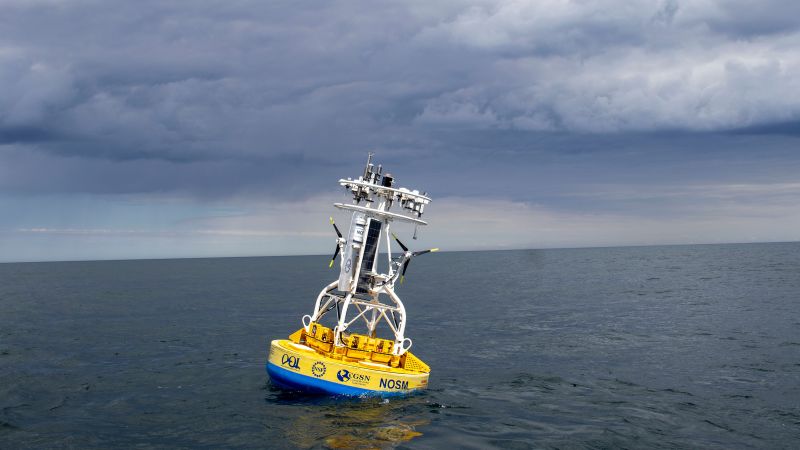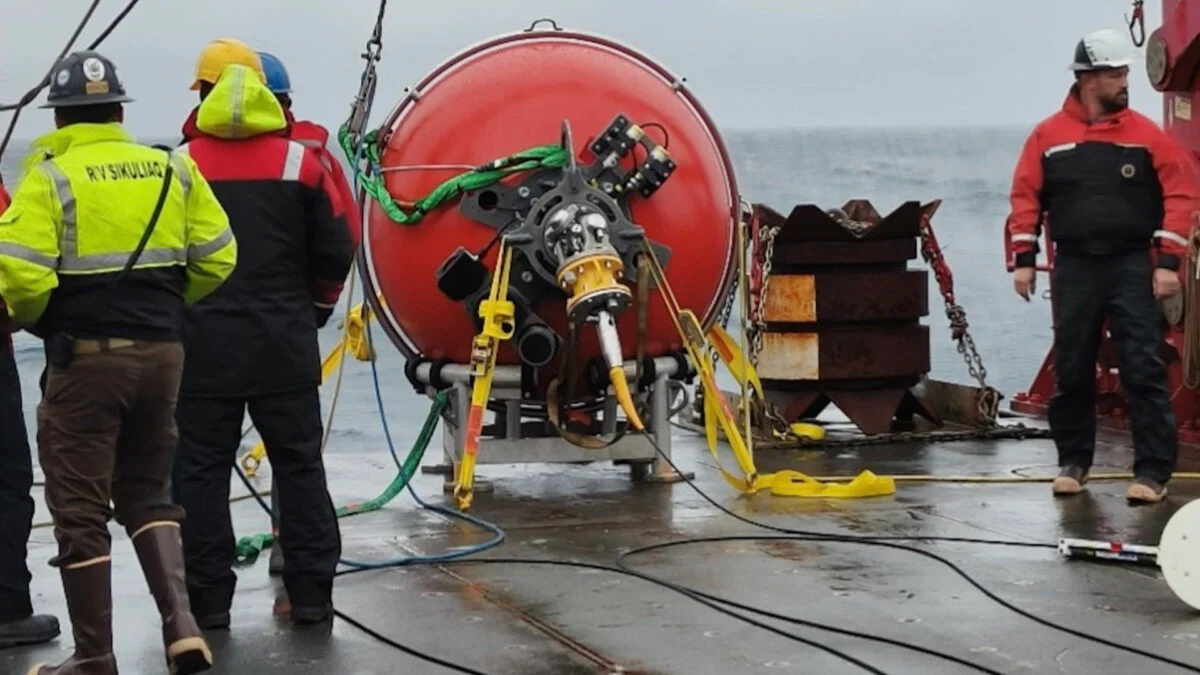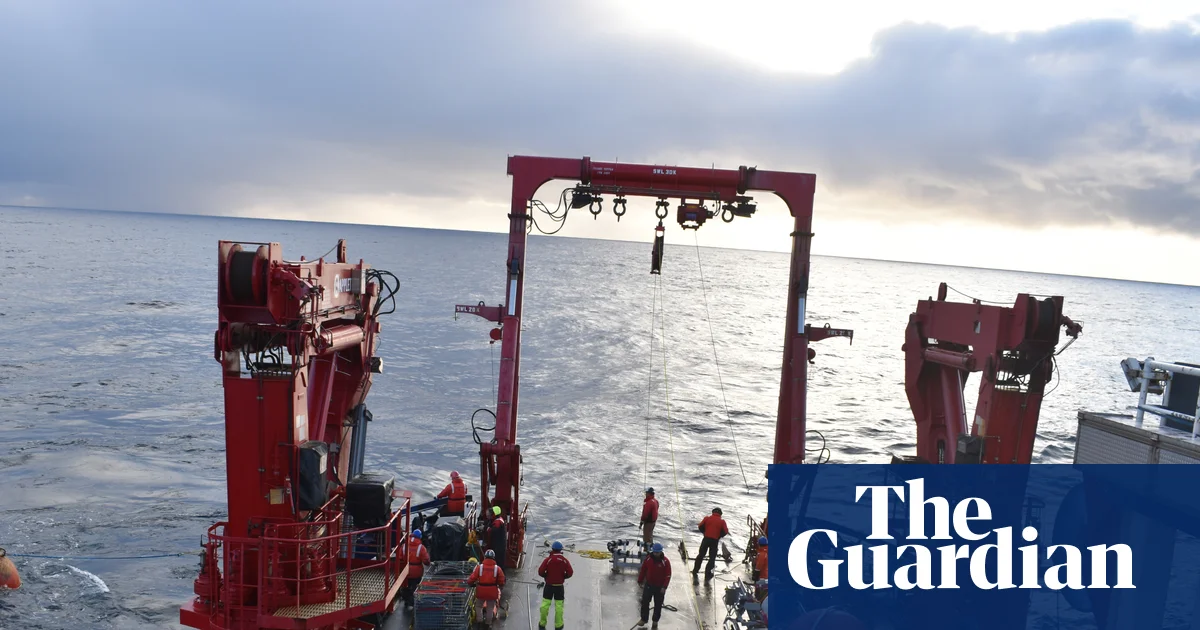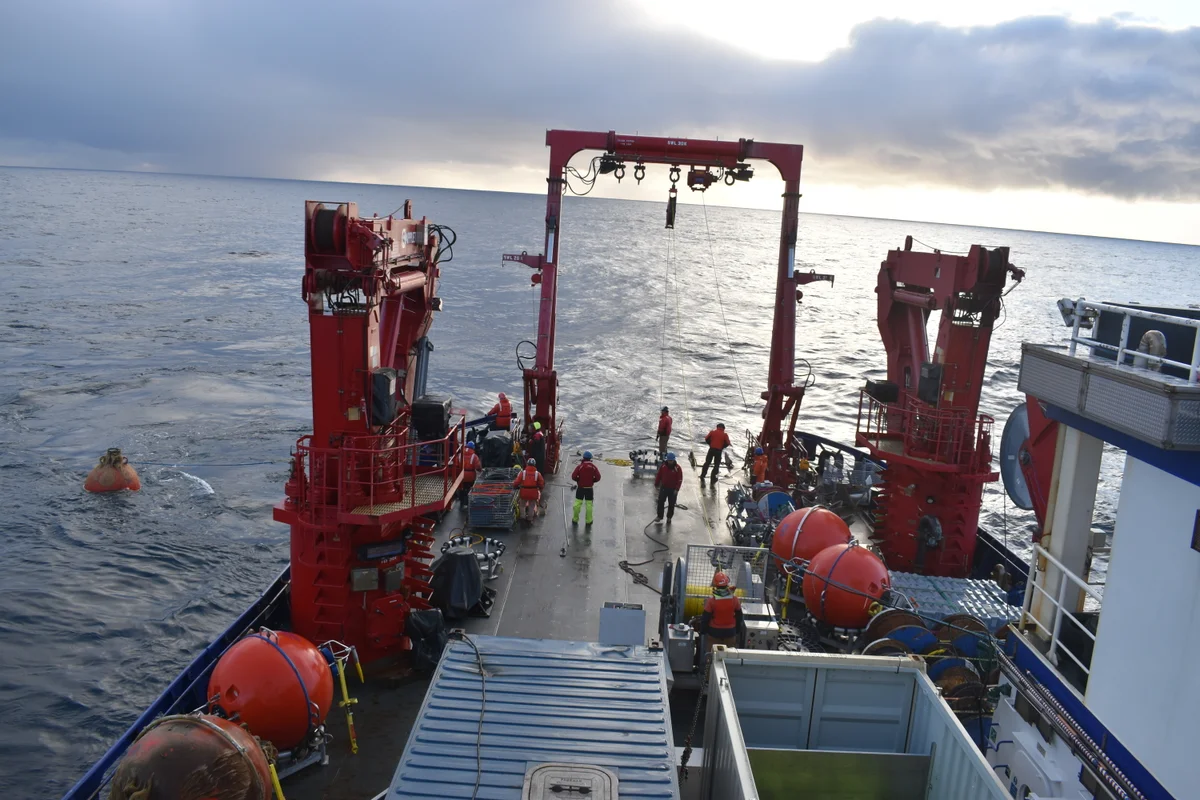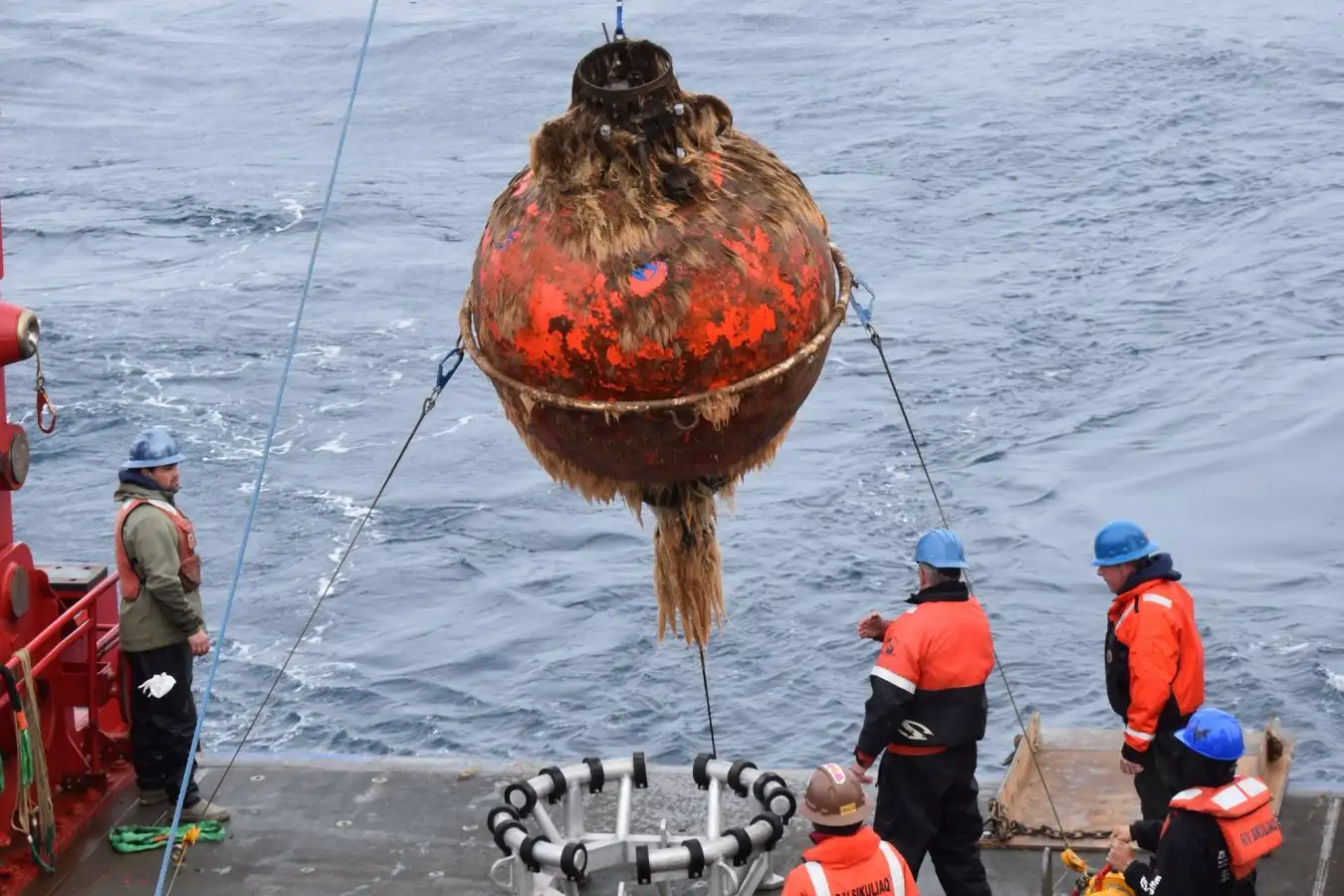
One of the Ocean Observatories Initiative’s mooring spheres being lifted out of the seaRebecca Travis / Woods Hole Oceanographic Institution
In the winter of 2013-2014, the strong winds of the jet stream shifted north, allowing a mass of warm water dubbed “the blob” to swell across more than 1500 kilometres of the north Pacific Ocean.
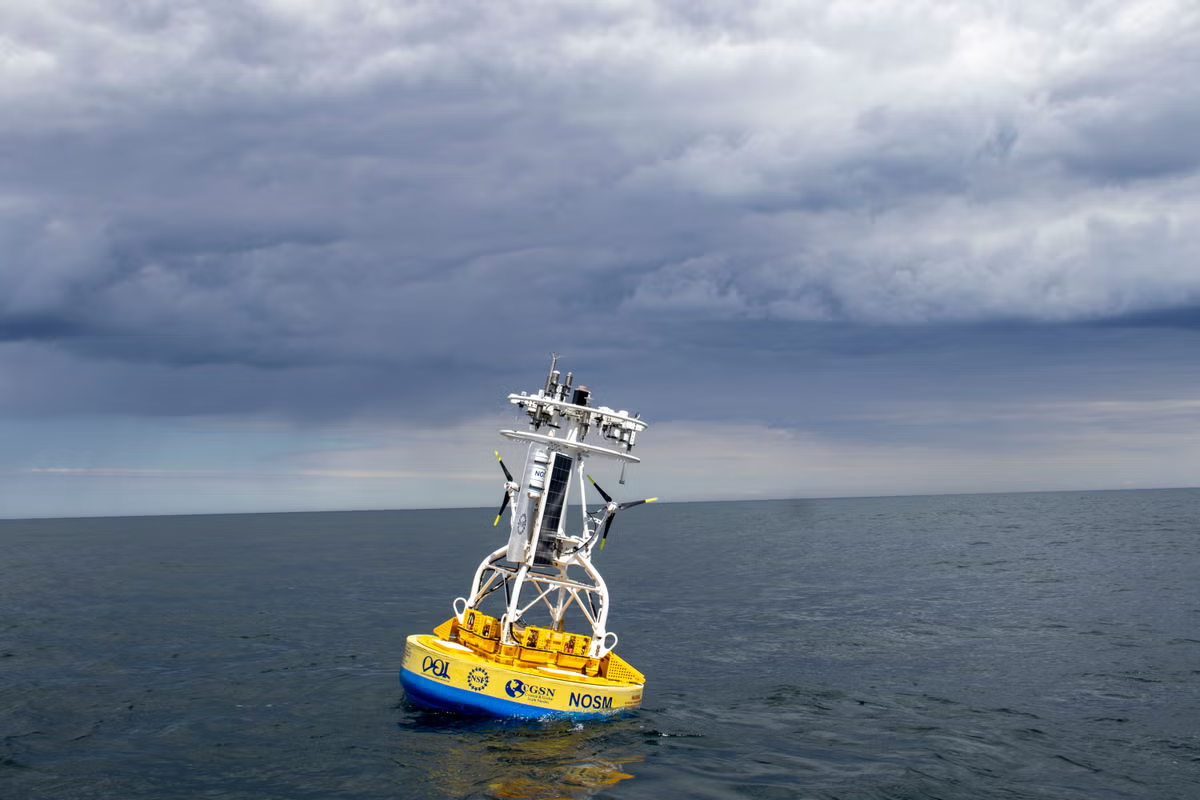
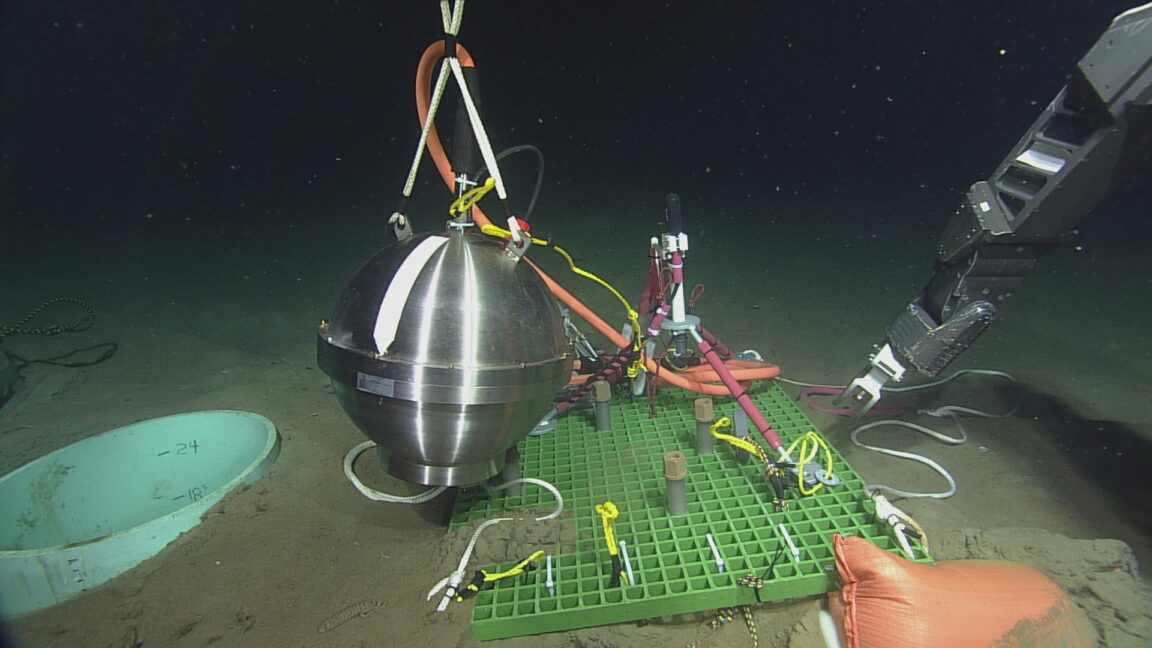
Floating instruments moored to the seabed off Alaska, Washington and Oregon alerted scientists and the fishing industry to the arrival of this water, which was up to 4°C hotter than normal.
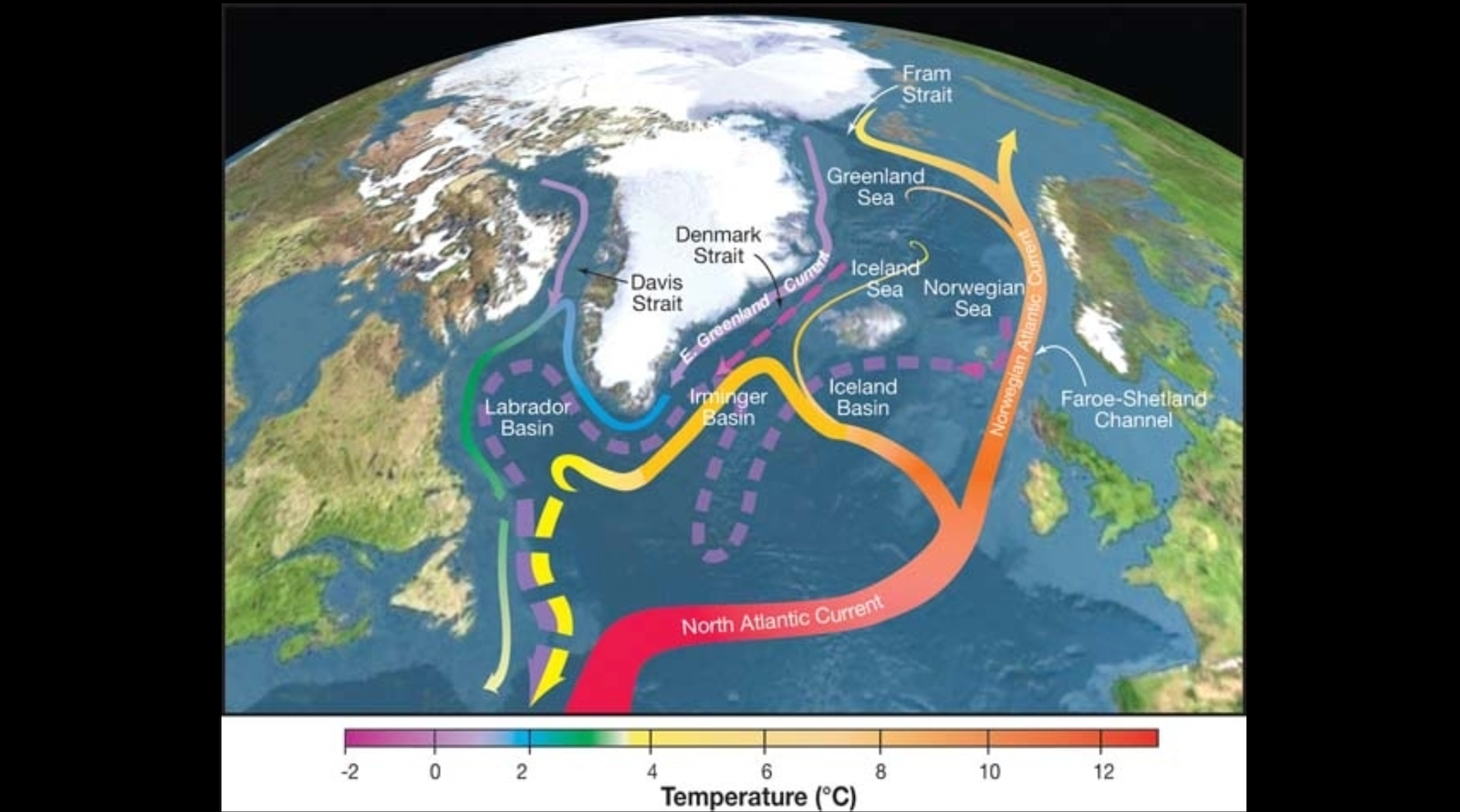
They were part of the Ocean Observatories Initiative (OOI), five mooring arrays off the US west and east coasts and Greenland. Announcing $220 million in funding for the programme in 2023, the US National Science Foundation (NSF) said the OOI was needed to monitor “critical organs of the Earth”. But last month the NSF announced that these arrays would be largely removed from the water following funding cuts by the administration of US President Donald Trump.
As a planet-warming El Niño climate phase warmed the water further in 2015-16, sensors running up and down OOI mooring wires revealed the blob was expanding into the deep sea below 250 metres. The mooring data helped show the blob, which repeated in 2019 and may be happening more frequently due to climate change, spurred toxic algal blooms that closed California’s $60 million Dungeness crab fishery for the season.