The upcoming loss of a deep-ocean monitoring system is triggering deep anxiety in Alaska, the nation’s top fish-producing state, where temperatures are warming twice as quickly as the global average.
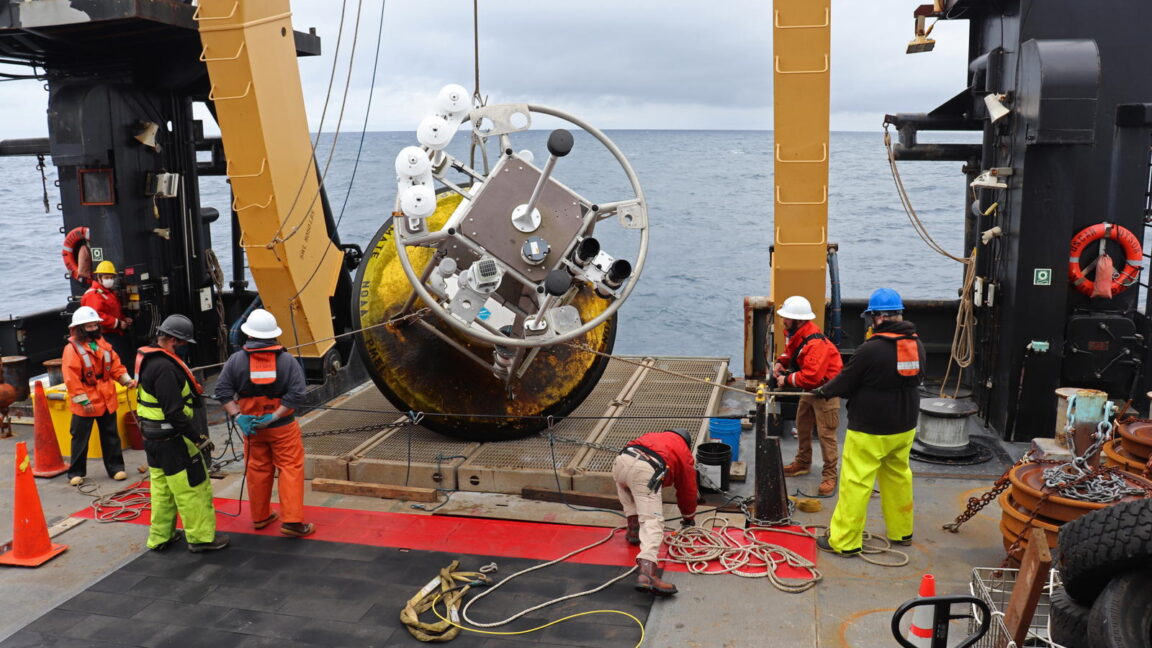
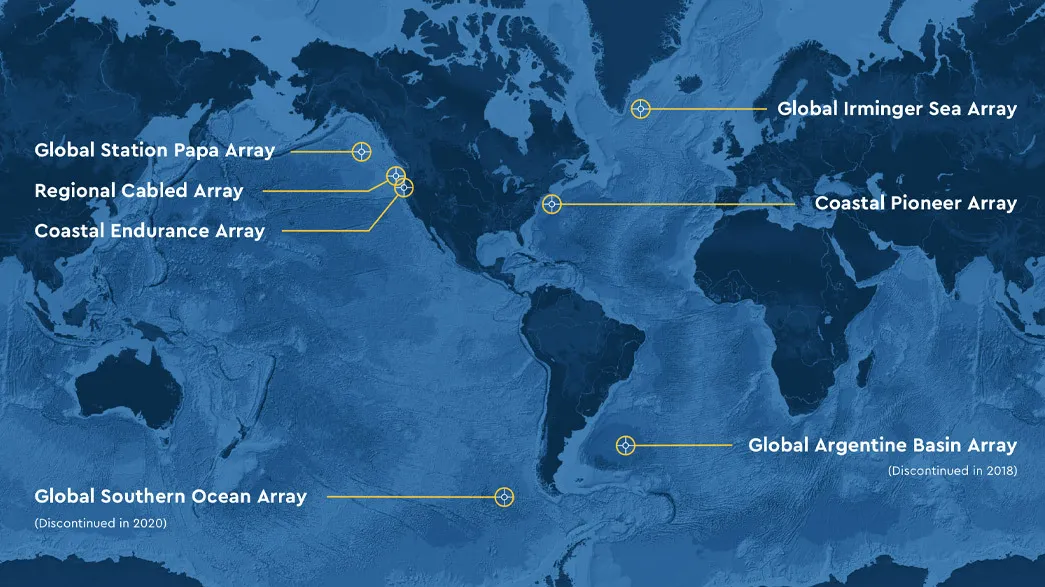
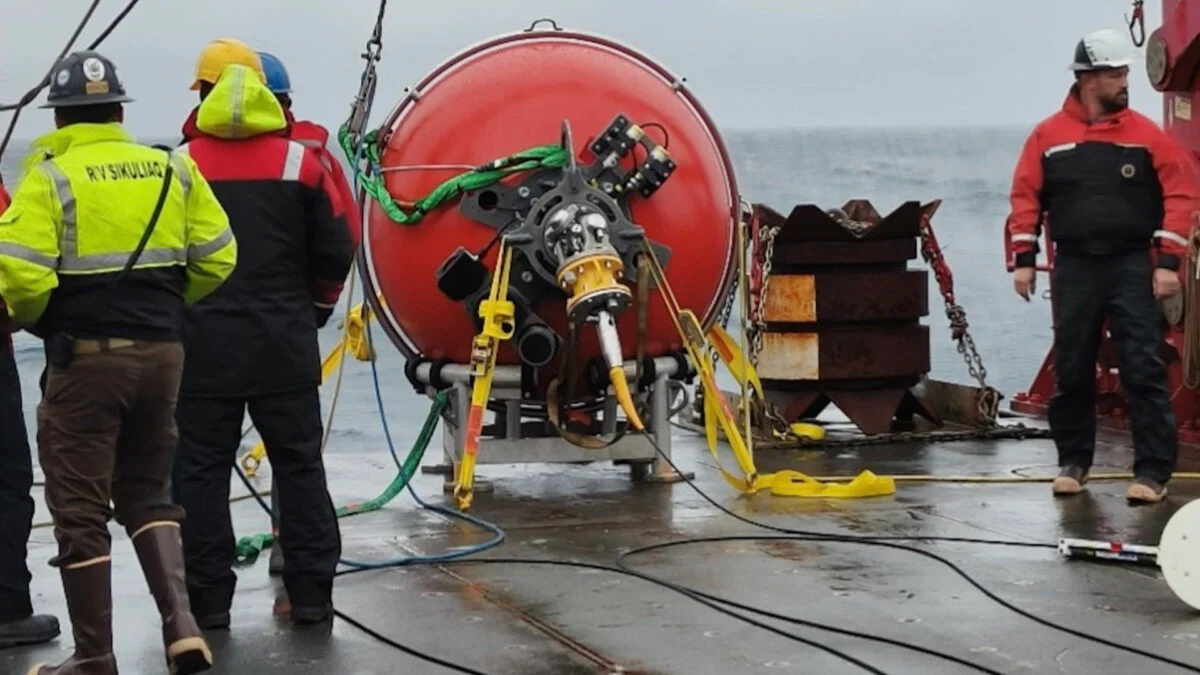
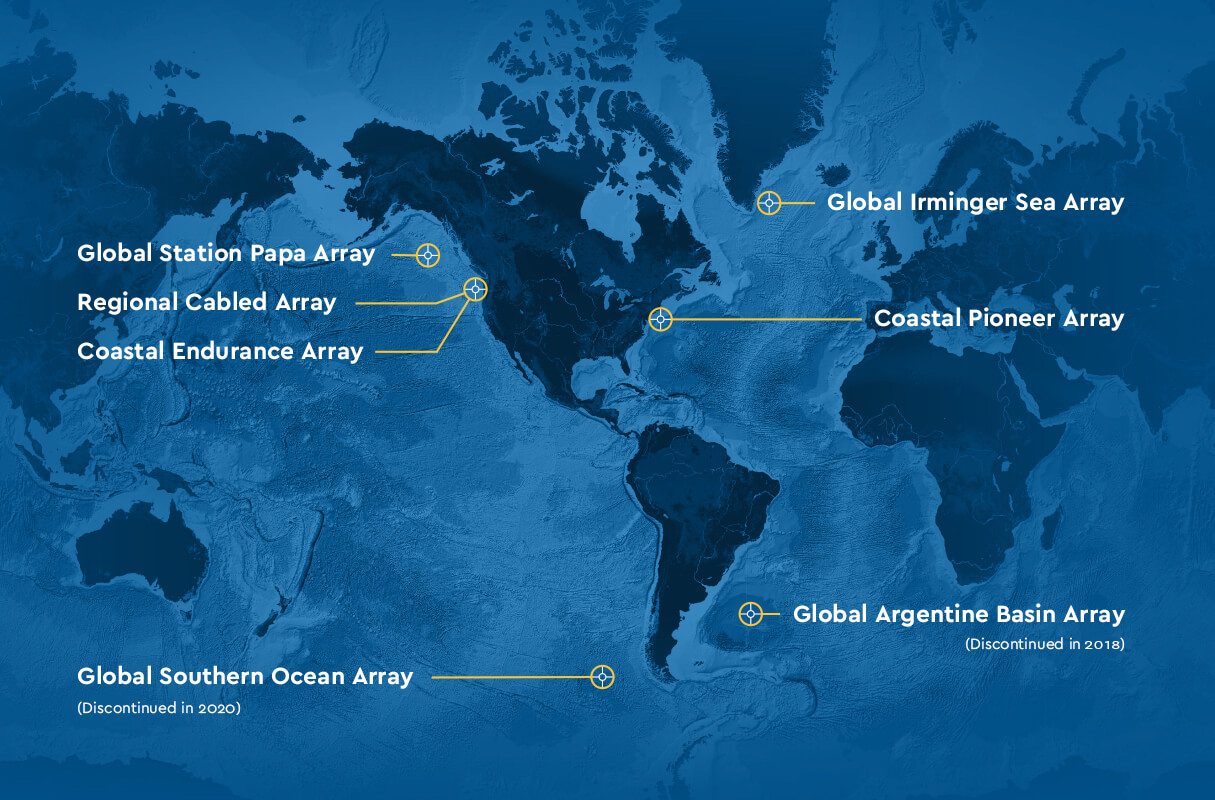
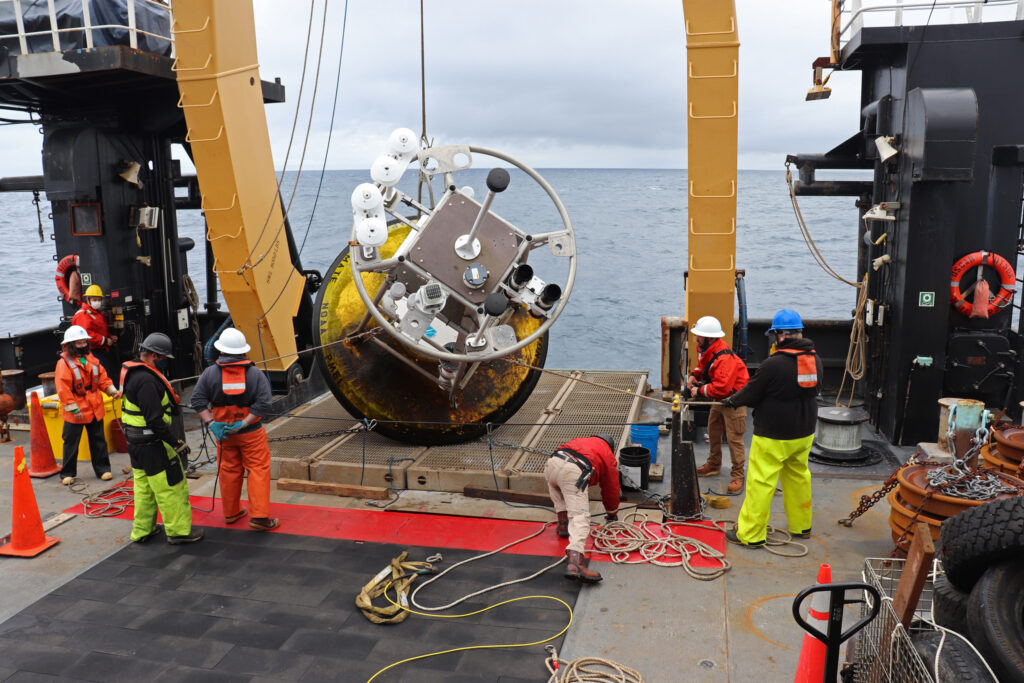
The National Science Foundation announced plans in May to decommission the Ocean Observatories Initiative, a nearly $368 million network of scientific instruments that tracks ocean chemistry, wave action, water temperature, salinity and a host of other metrics.
The real-time information from these ocean observatories helps scientists, fishery managers, coastal hazard planners and even the military plan and prepare for the future. Whether that’s calculating how much fish can be harvested or when a marine heatwave or giant wave action may be occurring, the data is used by a plethora of sources.
“It helps us see where we’re going and what’s coming at us,” said Jan Newton, University of Washington affiliate professor of biological oceanography.
The NSF’s decision to pull the observatories from the water has alarm bells ringing in fishing circles of Alaska, home to a $5.3 billion commercial seafood industry that employs nearly 42,000 people, according to a recent report that McKinley Research Group prepared for the Alaska Seafood Marketing Institute.