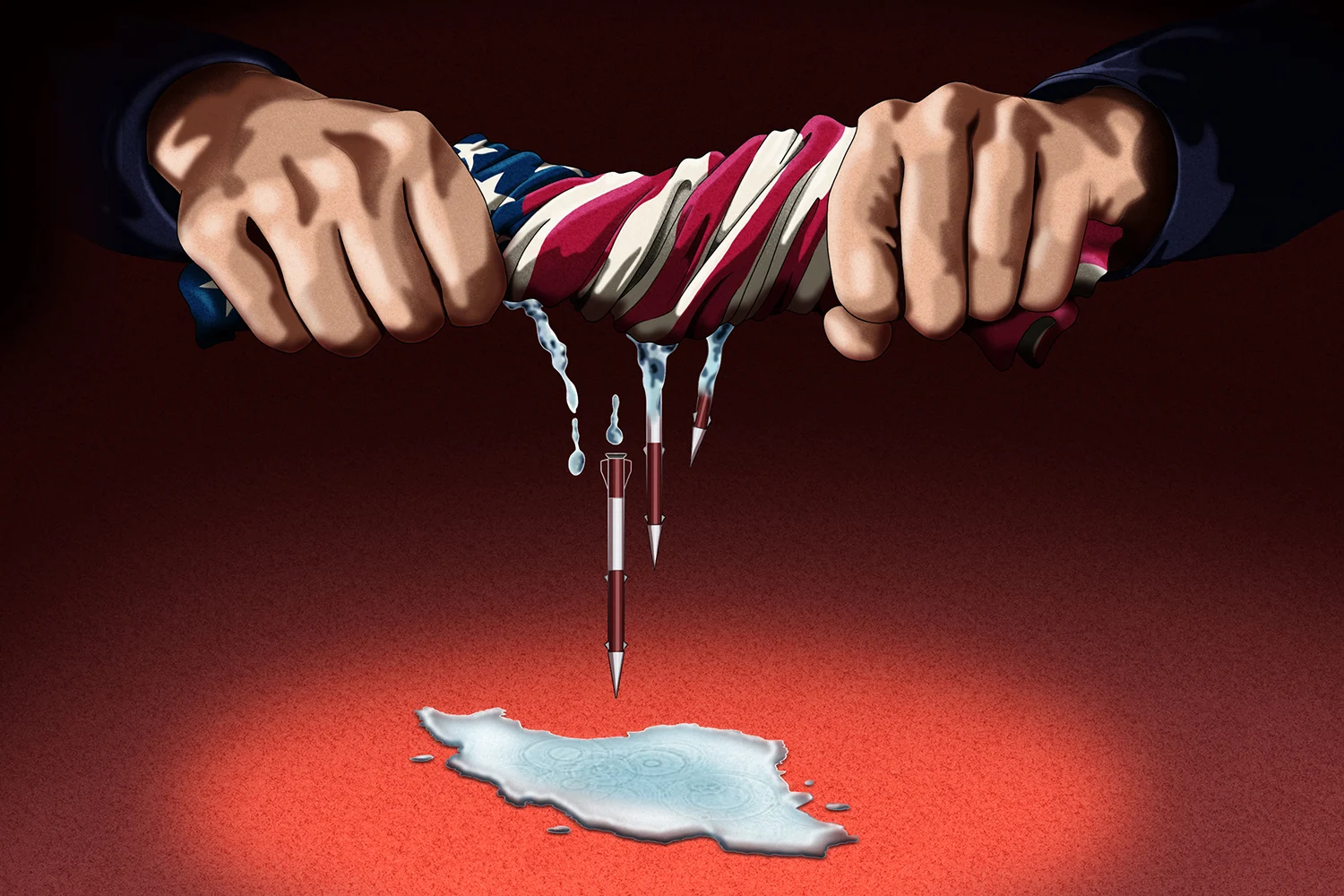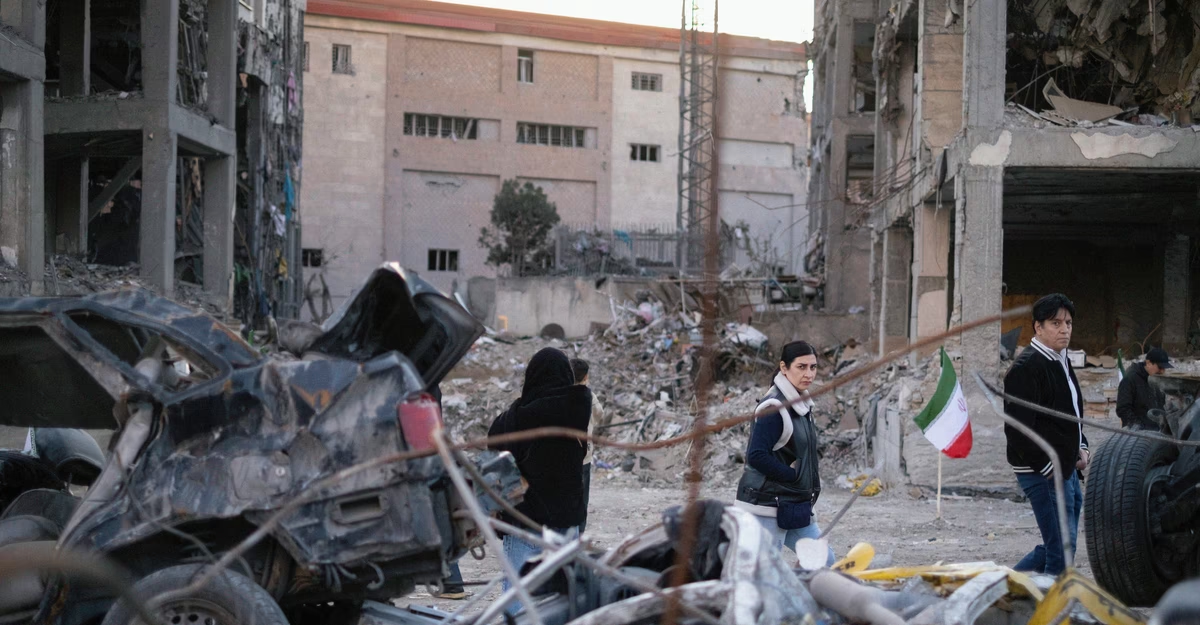
The Iran war has called into question the feasibility of the American way of war. For decades, the United States has premised its national strategy on the ability to fight using forces forward deployed close to enemy territory. But this war has profoundly undermined the notion that the bases and surface ships needed to project such power will continue to enjoy sanctuary from adversary attack. This reality has major implications for U.S. policy toward and campaign planning against more powerful adversaries such as Russia and China, who will also surely seek to deny the United States the ability to fight in the manner it prefers.
How did we get here?
America has largely embraced a forward defense approach since World War II. Insulated by its fortunate geography, the United States has honed a model of warfare that emphasizes projecting power to counter and defeat threats at a distance rather than on its shores. This approach is predicated on U.S. naval power at sea combined with an unparalleled network of allies and partners on land that grants a combination of access, basing, and overflight permissions.
The United States’ forward military posture varies by region and is ideally tied to the capabilities required to deter and, if necessary, defeat threats in line with U.S. national security interests. For that reason, the United States did not always keep large standing forces in the Middle East or have the ability to rapidly deploy such forces in the event of conflict. Those capabilities emerged only in the early 1980s in response to the 1979 Iranian Revolution and Soviet invasion of Afghanistan, eventually leading to the formation of U.S. Central Command.