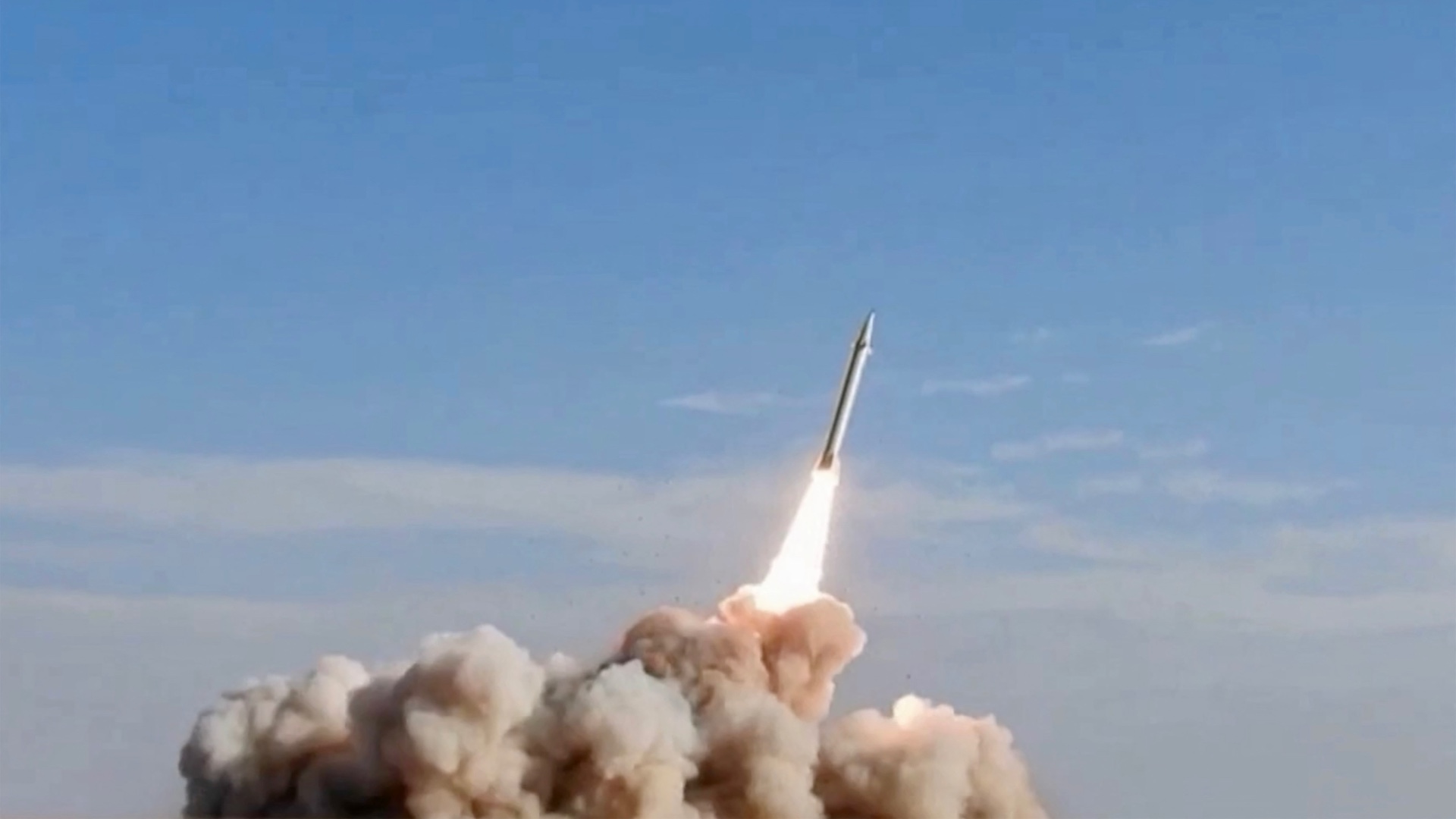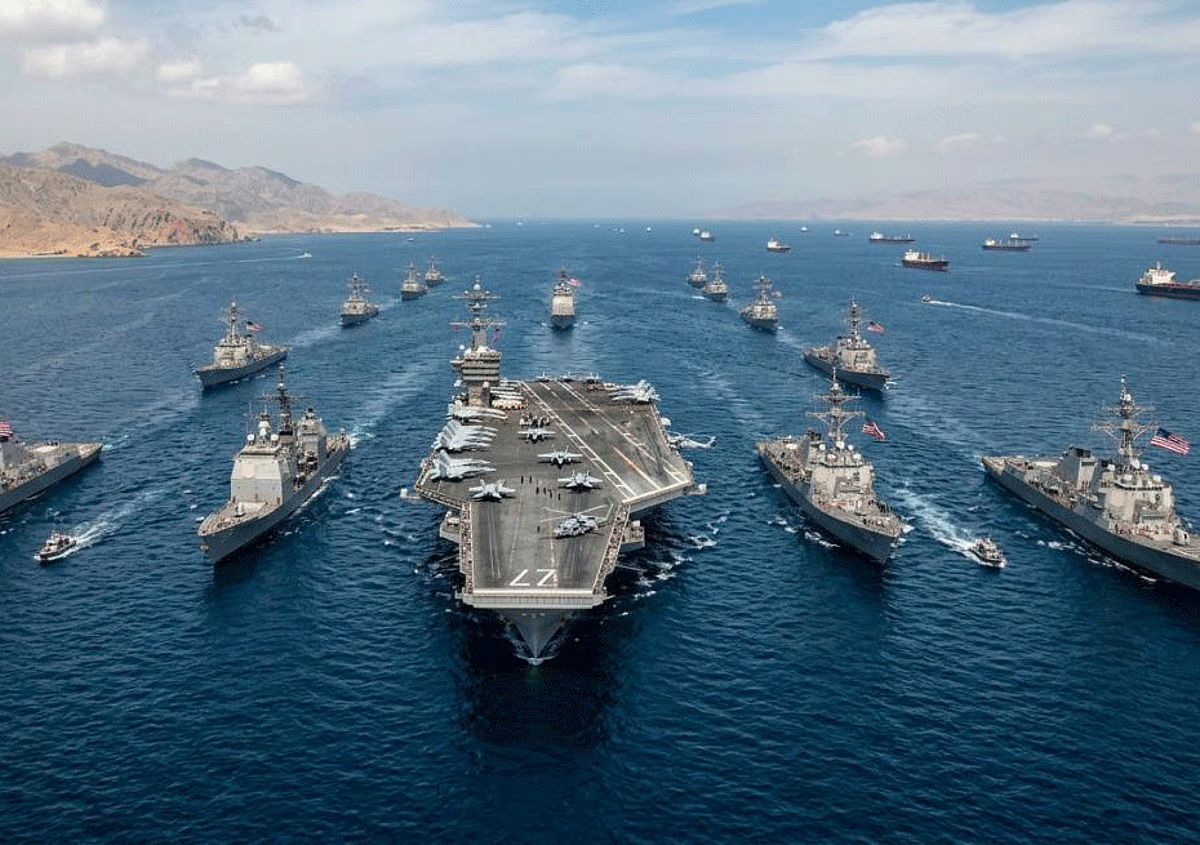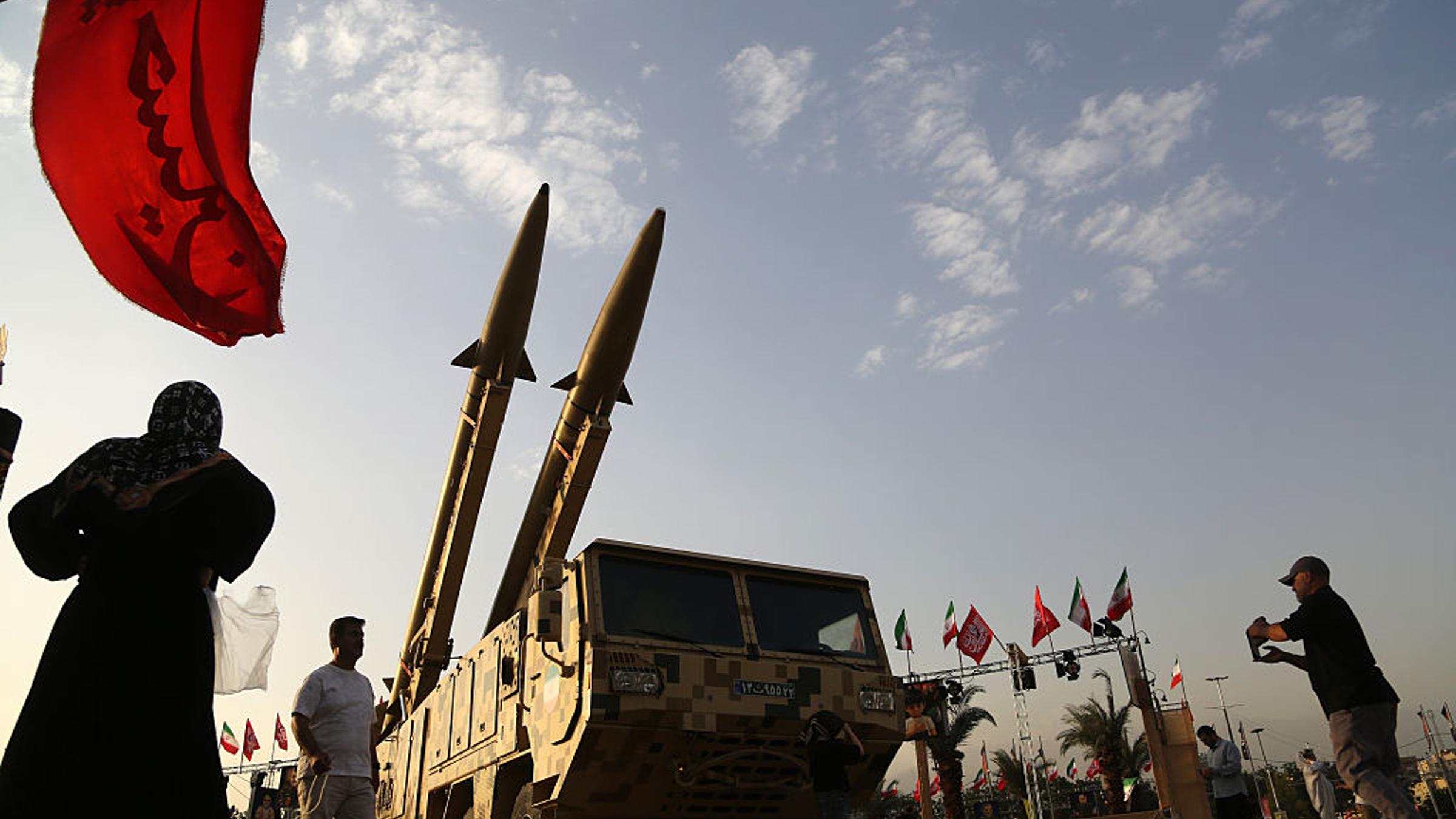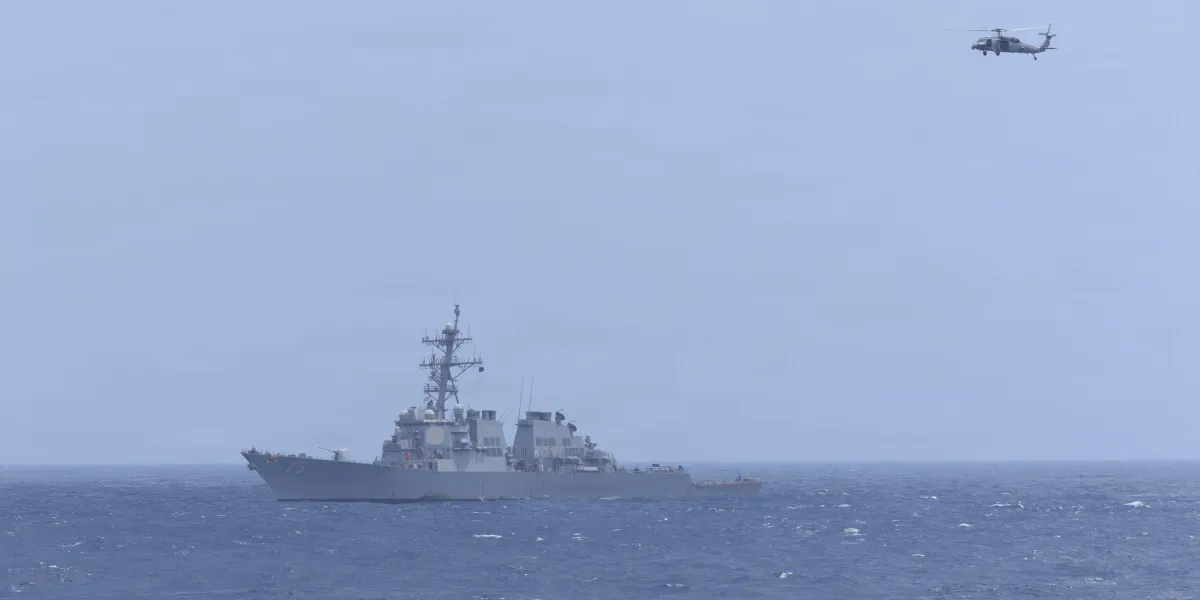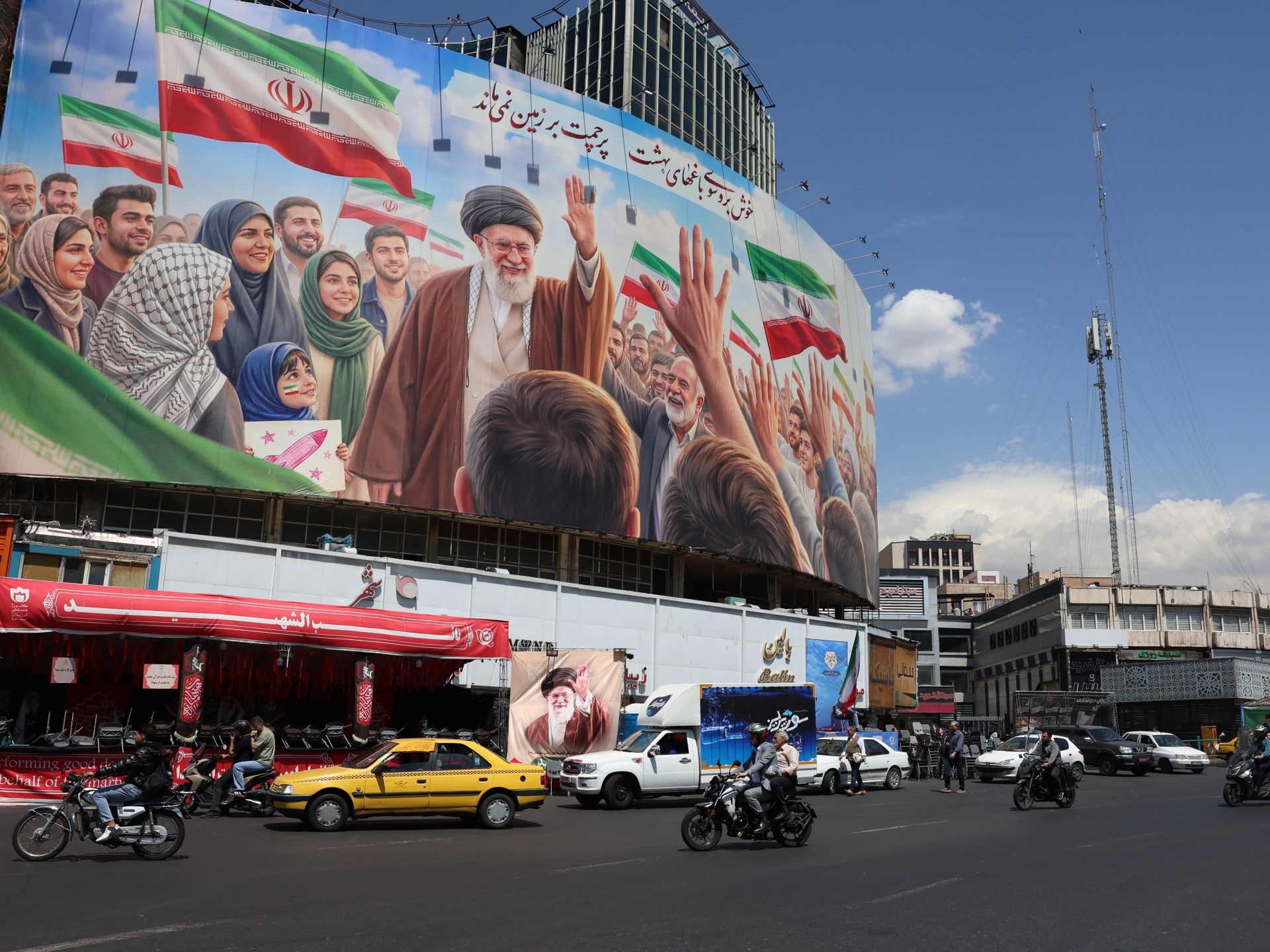
As the United States and Iran exchange ever more powerful strikes, the June truce now is effectively dead. Air raids, drone attacks and missile launches have again become a daily feature of the conflict. The question is no longer whether Washington and Tehran are back at war, but whether the conflict is turning into an open-ended struggle that neither side can win.
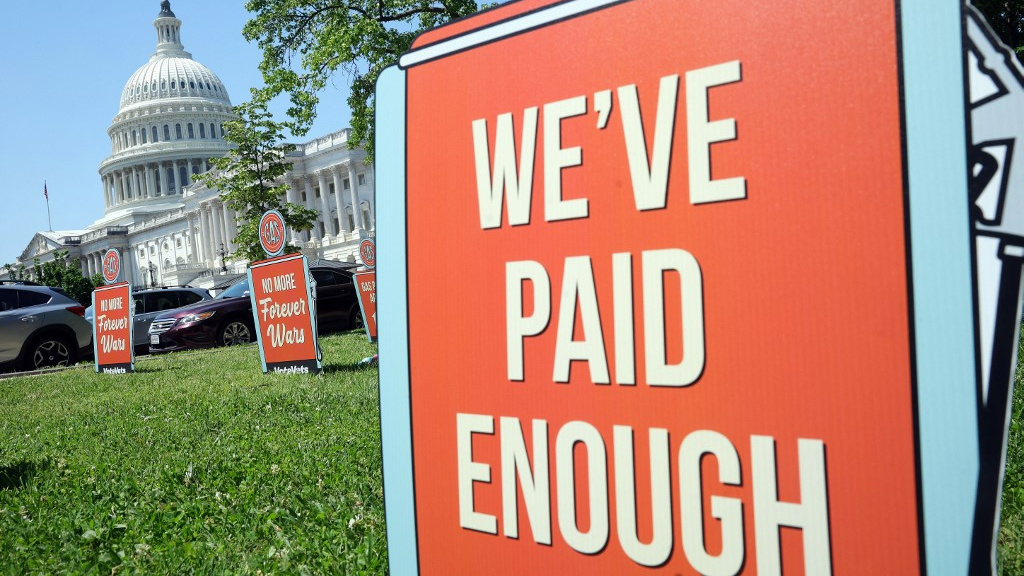
The war could indeed become another "forever war," said Kelly Grieco, a senior fellow with the Reimagining US Grand Strategy Program at the Stimson Center, a Washington-based think tank. The term describes conflicts that drag on for years, with repeated military action and no lasting political settlement. "You end up in this 'mow the lawn' approach, where Iranian capabilities grow up to some level. You decide that you're not willing to tolerate that level of threat, and you come back and you do another round of missile strikes and bombings. And then we repeat this cycle endlessly."
No path to de-escalation
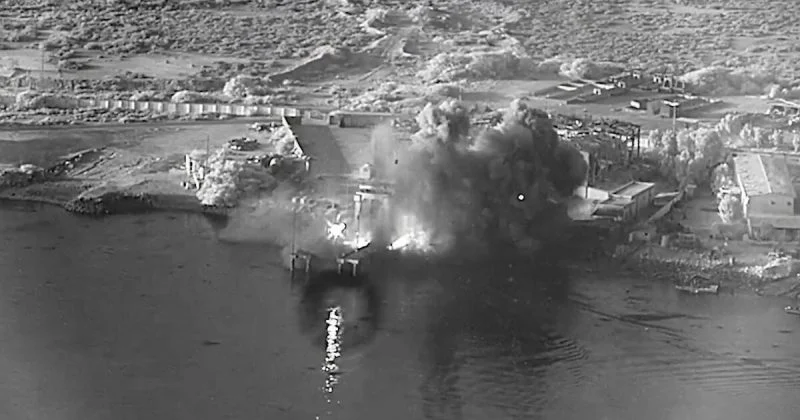
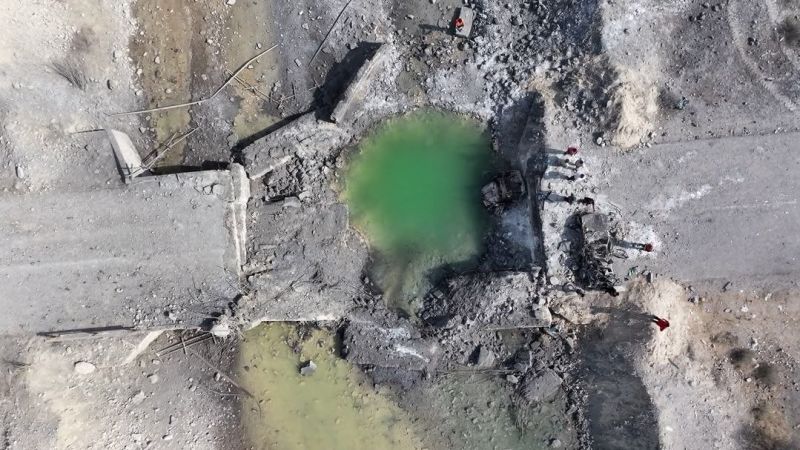
US warplanes have intensified their strikes against targets across Iran, while Tehran continues to attack US positions and regional allies. Iranian forces targeted sites in several Gulf countries and again disrupted shipping in the Strait of Hormuz, through which roughly a fifth of the world's traded oil and gas once passed. At the same time, Iran-backed Houthi rebels in Yemen threatened Saudi Arabia's maritime trade routes, raising fears that a second strategic chokepoint could be drawn into the conflict.A collapsed bridge near Bandar Abbas, destroyed in US strikes targeting infrastructure in southern IranImage: Morteza Akhoondi/Middle East Images/IMAGO