The escalating war between the United States and Iran is no longer about Tehran’s nuclear programme, nor even about regime change, the objective that initially drove Israeli Prime Minister Benjamin Netanyahu’s campaign to draw US President Donald Trump into the conflict.
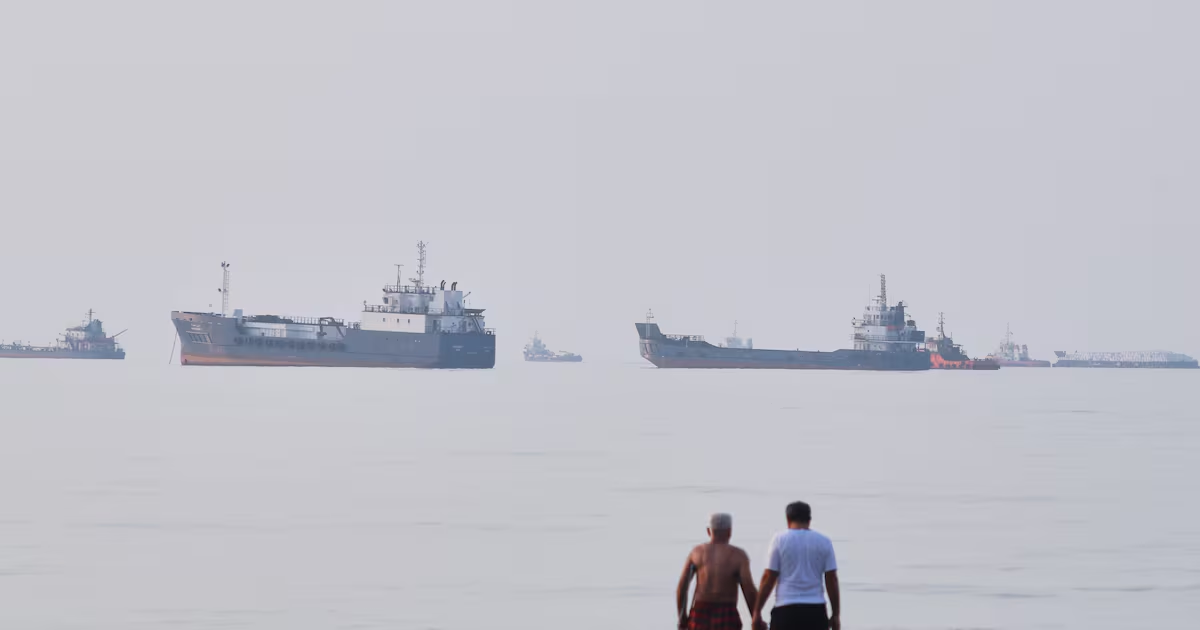
It is now a struggle for control over the Strait of Hormuz.
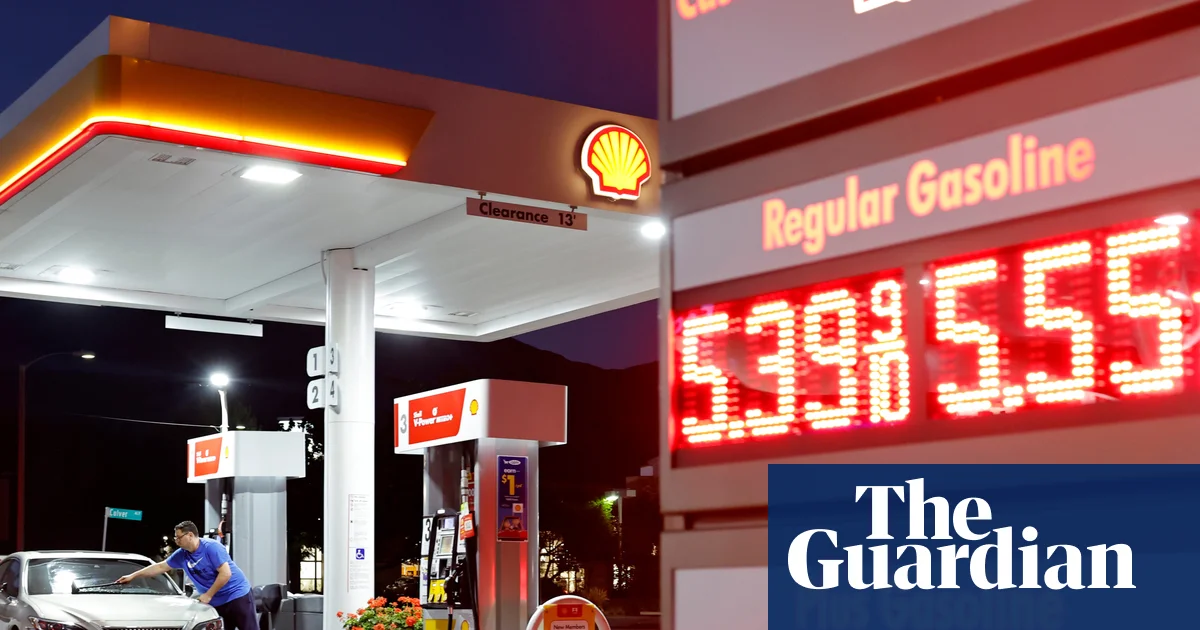
After the first month of war, Iran found itself in an unexpectedly advantageous position, having secured de facto control over the Strait of Hormuz. Controlling the world’s most critical energy chokepoint enables Tehran to influence global oil prices and, by extension, pressure the US economy and shape Washington’s political calculus.
This constitutes the Islamic Republic’s most formidable strategic deterrent against the US and Israel in decades. It is precisely this advantage that Washington is now fighting tooth and nail to wrest from Iran.
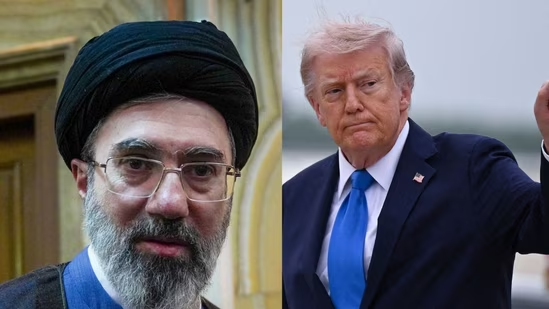
The latest round of conflict began after a memorandum of understanding was signed by Trump and Iranian President Masoud Pezeshkian. The agreement heavily favoured Iran, with Article 5 explicitly granting it the authority to “make arrangements using its best efforts for the safe passage of commercial vessels”. Tehran then designated a commercial shipping corridor entirely within its territorial waters.