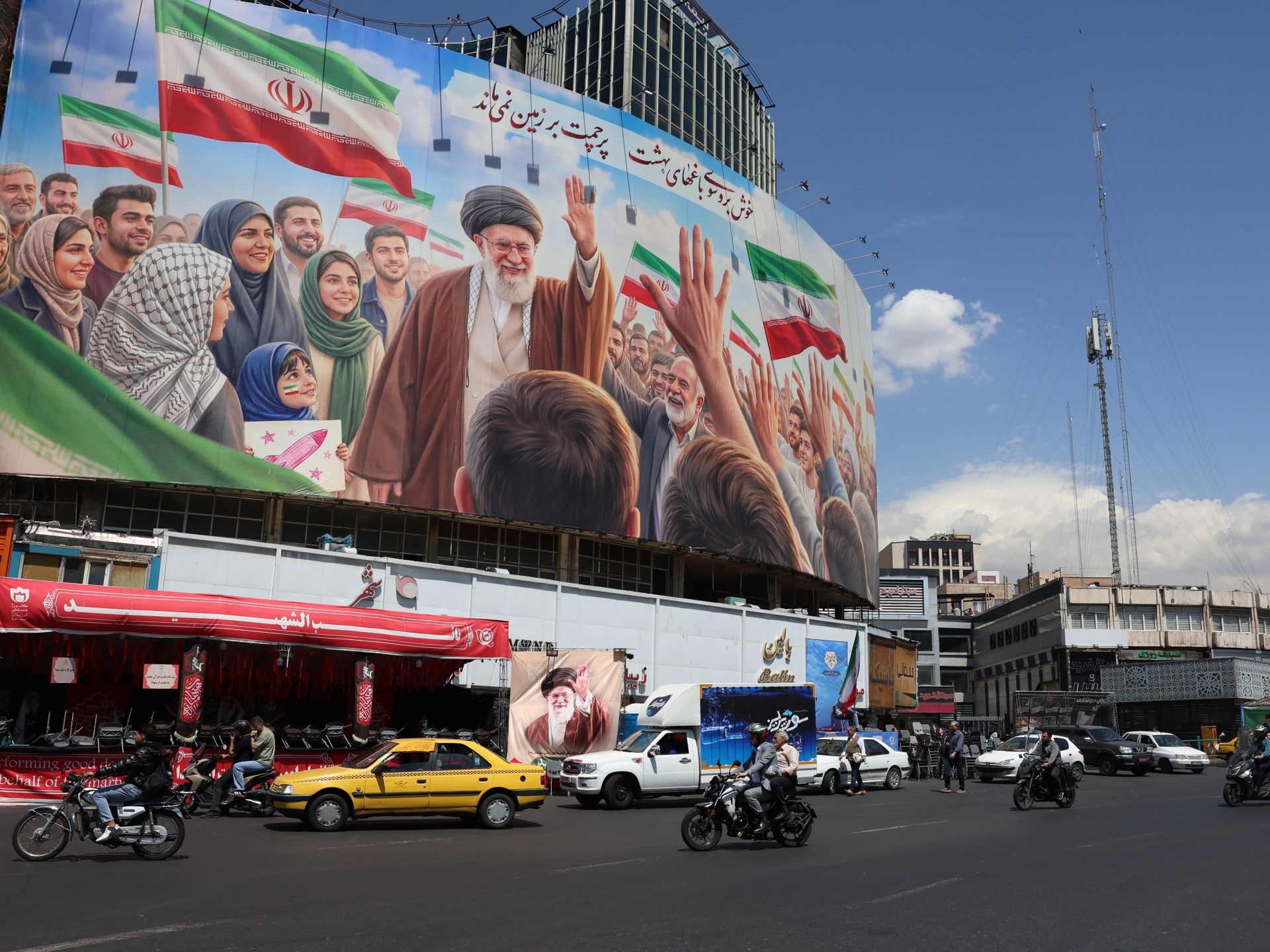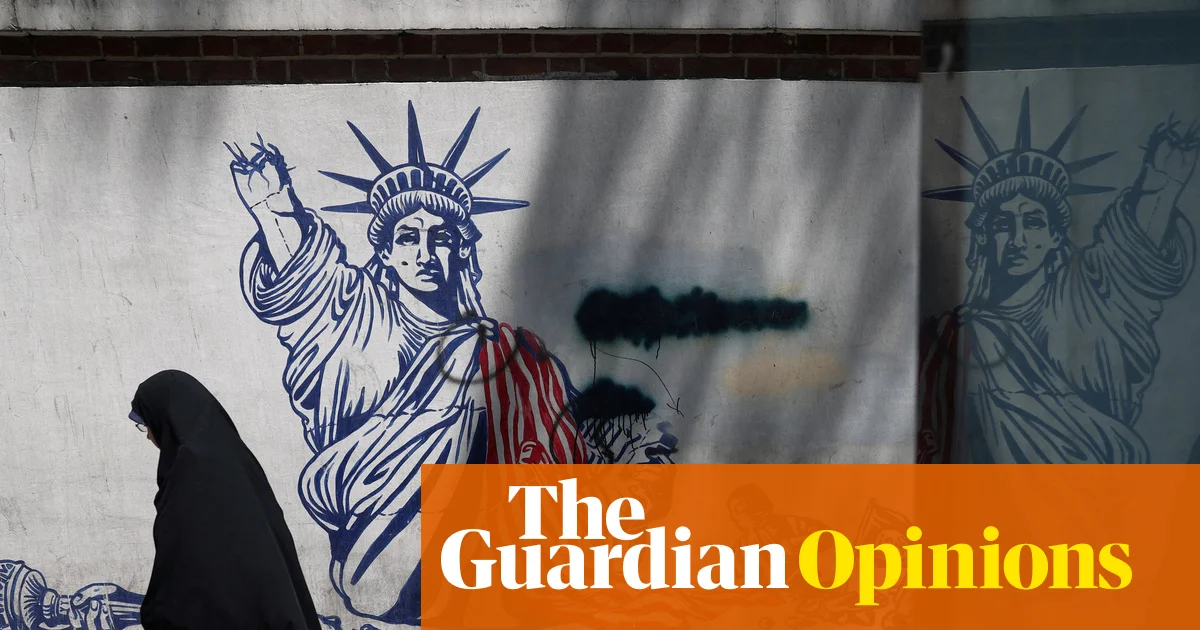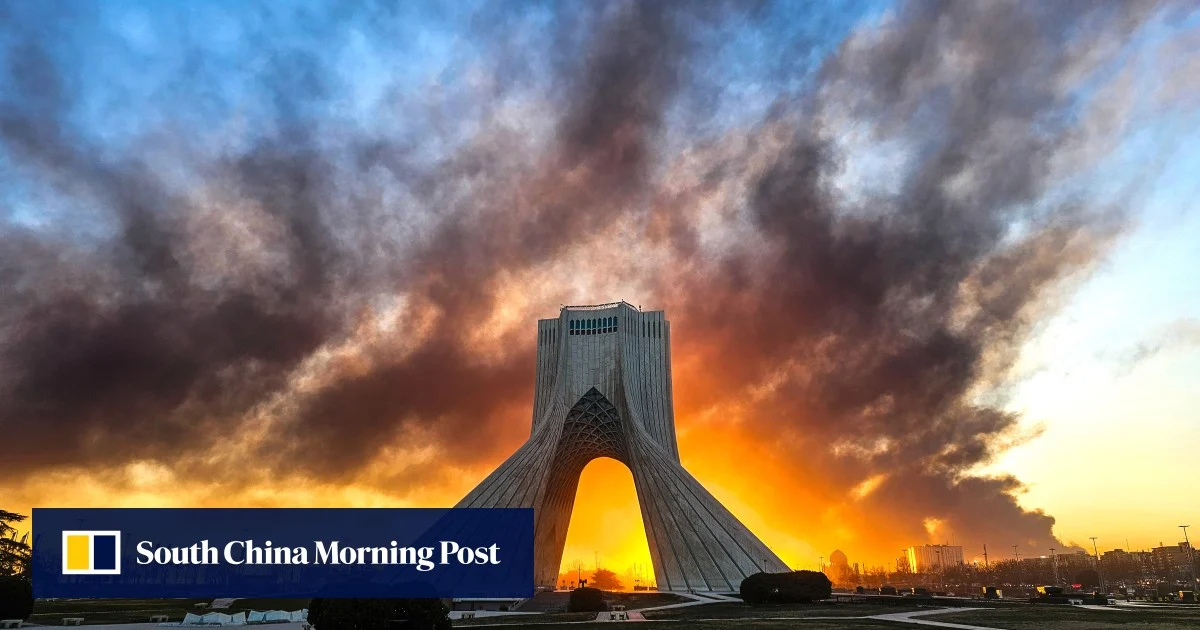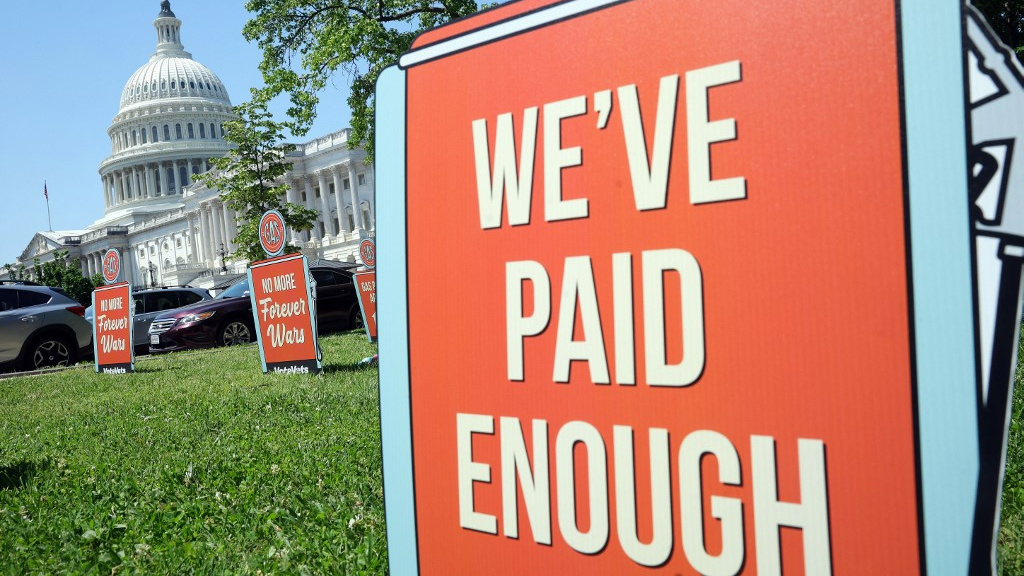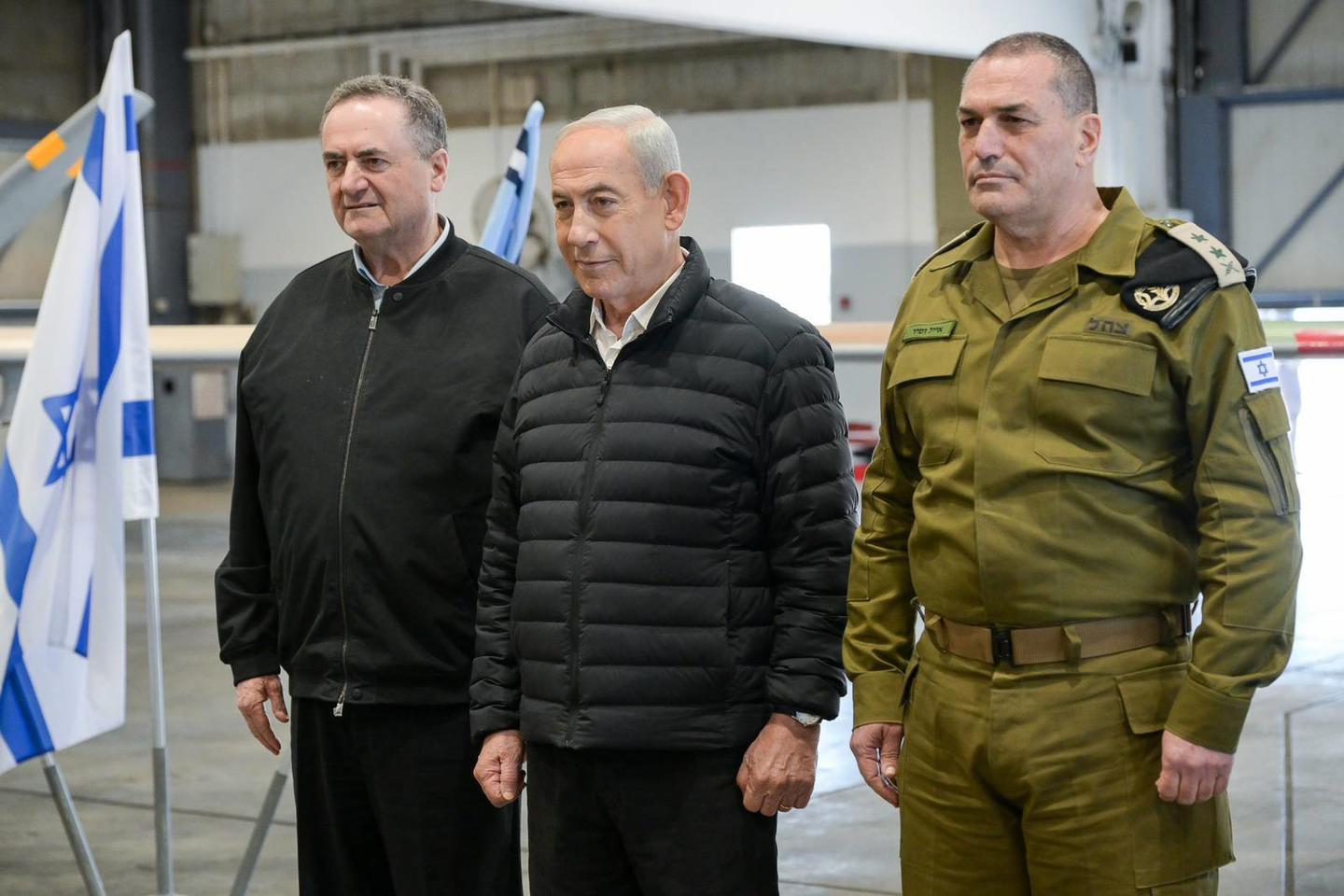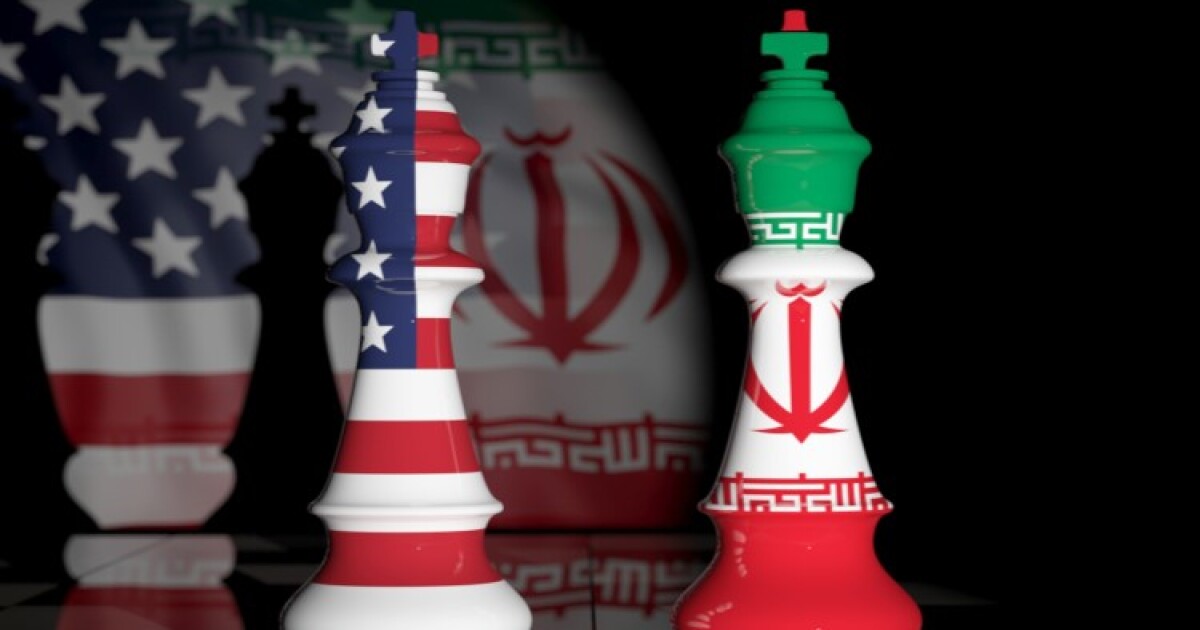
The US and its allies started a war with Iran that they did not win. For nearly 40 days, from the start of the war on Feb. 28 to the Apr. 7 ceasefire, the US and Israel carried out an incessant strategic bombing campaign against Iran. The goals and objectives of this campaign were variously to bring about a change of regime in Iran, to degrade Iran’s conventional military capabilities — particularly its missile and drone stockpiles, manufacturing capacity and launchers — and to deny Iran the ability to develop a nuclear weapon. None of these objectives has been fully met, and the US was instead compelled to seek a ceasefire that arguably leaves Iran in a strategically advantageous position.
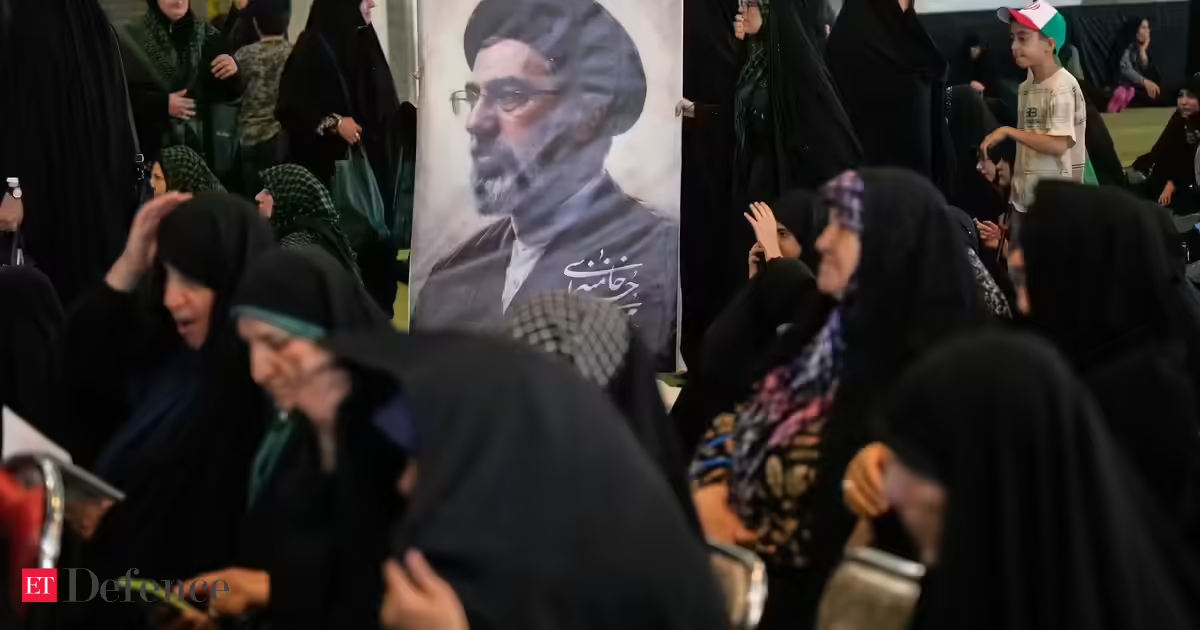
The US and Israel, between them, struck tens of thousands of targets inside Iran. Several senior Iranian leaders, including the supreme leader, Ali Khamenei, were killed, and a large part of Iran’s identifiable military infrastructure was destroyed, including most of Iran’s major naval vessels and many helicopters and aircraft. But Iran’s prewar preparations for this very sort of conflict, which had been under way for more than two decades, effectively blunted the effectiveness of the US-led strategic air campaign. Not only did Iran’s government withstand the assault, but the state’s core institutions appear to have remained intact.