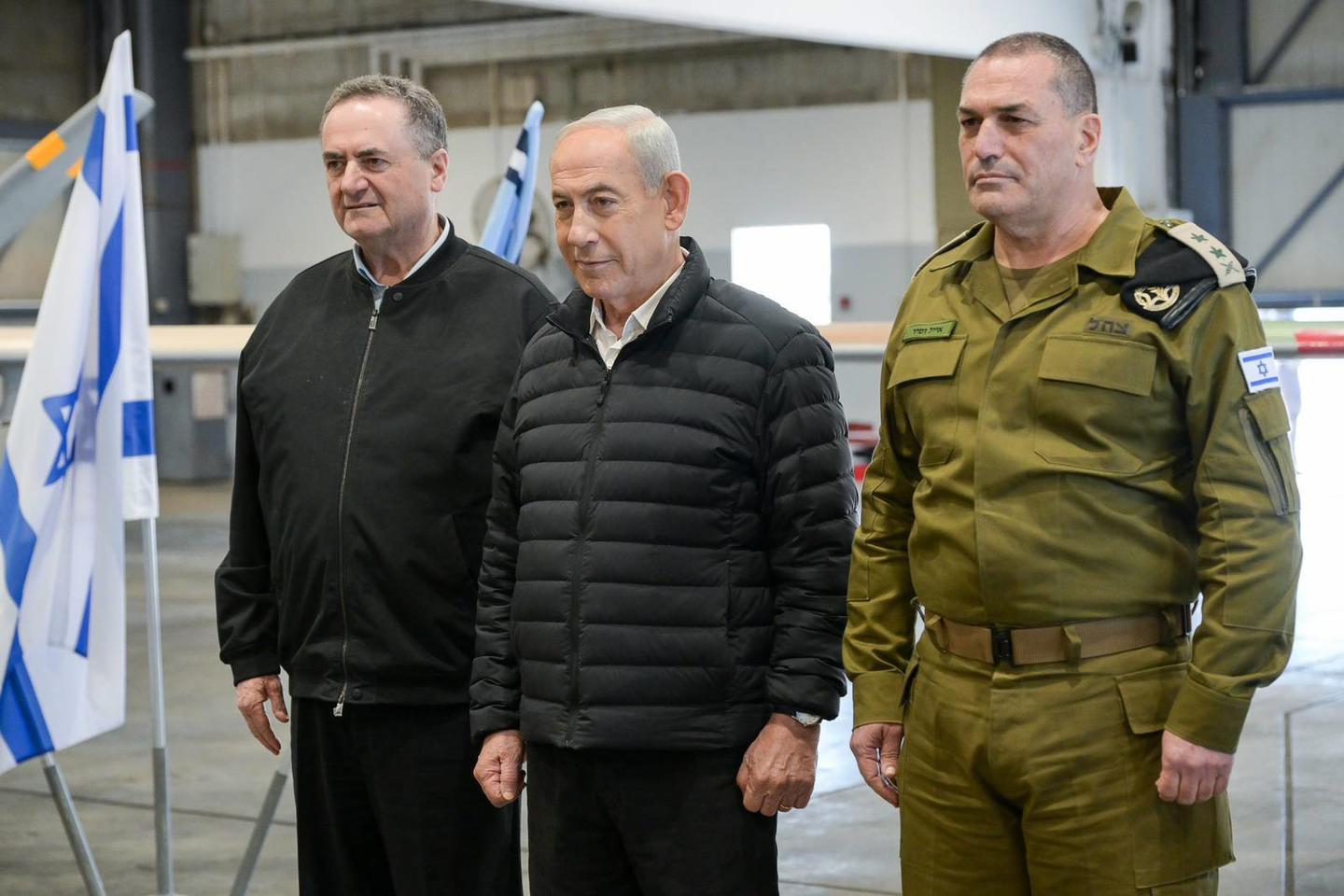
Benjamin Netanyahu visits the Palmachim Air Base, accompanied by Defense Minister Israel Katz (left), and the chief of the General Staff of the Israel Defense Forces, Lieutenant General Eyal Zamir (right), on March 3, 2026. MAAYAN TOAF/ZUMA PRESS/MAXPPP
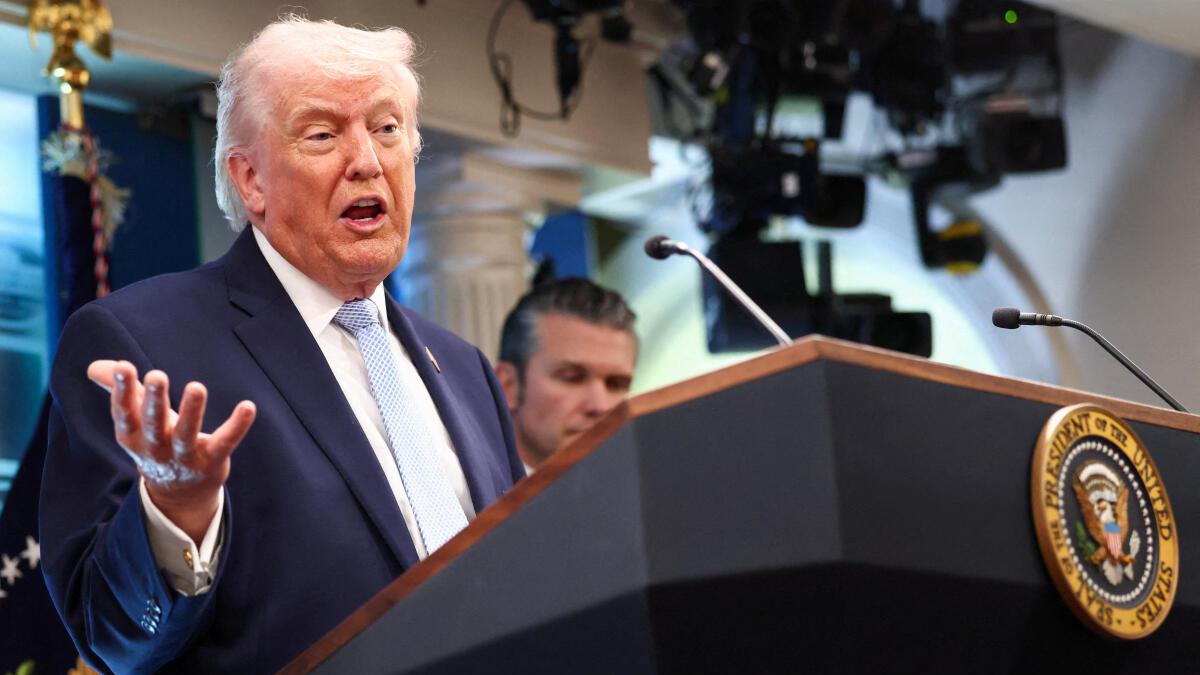
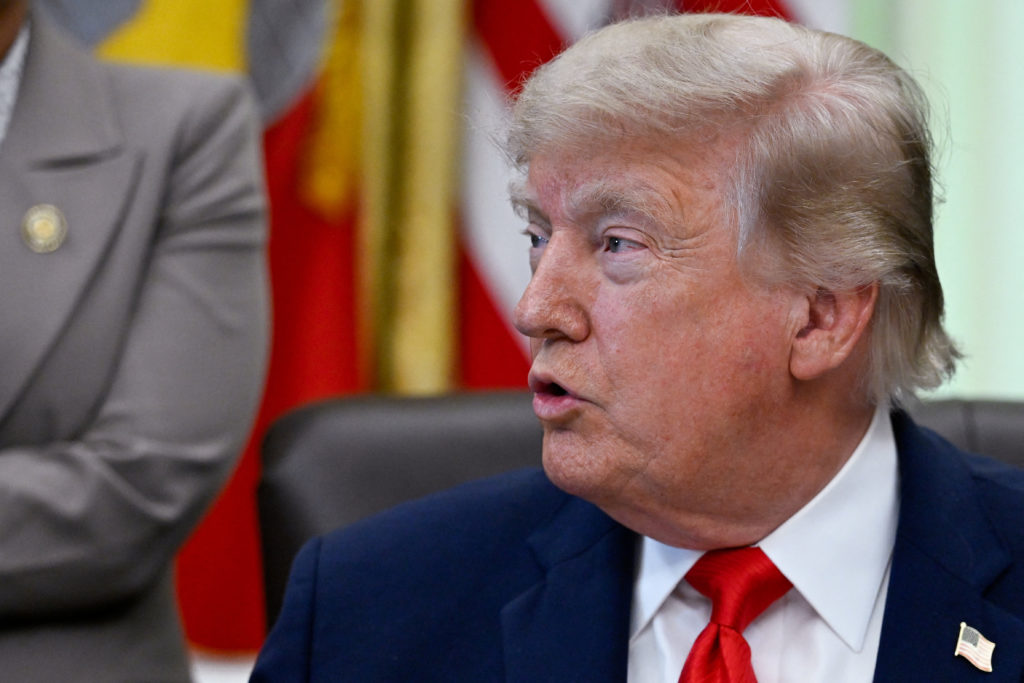
It took Donald Trump 40 days to bring an end, at least temporarily, to a war that had become bogged down in multiple and contradictory objectives. A war he had imagined would be short, believing he would won it within "the first hour." On February 28, the American president thought he could conclude the conflict after "two or three days," while leaving open the possibility of prolonging it to "take control of the whole thing." Was he referring to the Iranian state or its oil when he said this, just hours after the assassination of supreme leader Ali Khamenei, in the opening strike conducted by the Israeli Air Force?
During those first days, the American president spoke twice, reading from a teleprompter, a rare occurrence. His reasoning was clear and aligned with Israeli Prime Minister Benjamin Netanyahu. The attacking powers intended to weaken the Iranian regime and give its people an opportunity to overthrow it by taking to the streets after the war. "When we are finished, take control of your government," Trump urged on February 28. "It will be yours to take. This will be probably your only chance for generations." In doing so, Trump ensured he could blame the Iranian people if the regime endured.