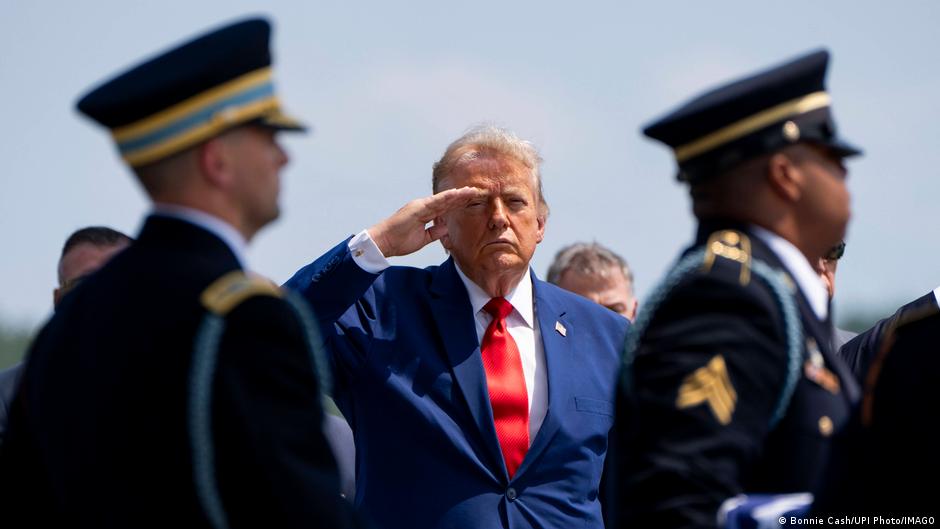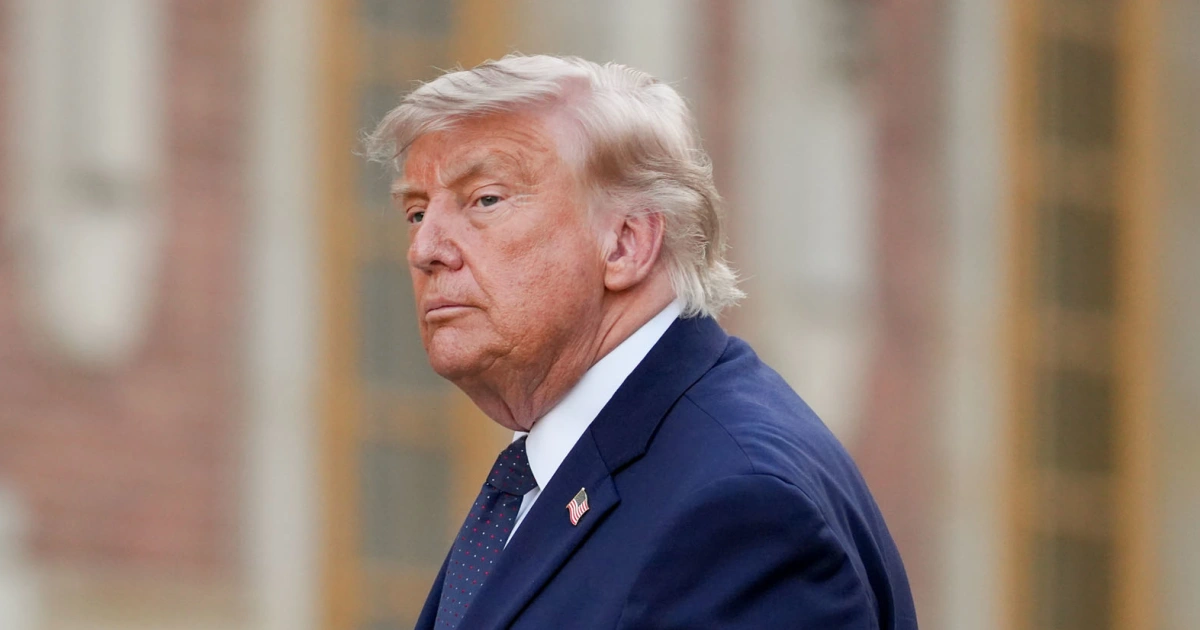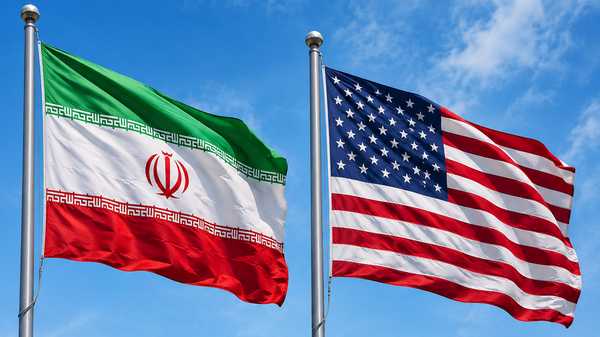
The war with Iran has not ended, even if parts of the battlefield have fallen silent and negotiations have moved into drafting rooms. What has ended is the assumption that American military power alone is enough to reassure allies and deter adversaries. That is one of the most consequential strategic lesson of this conflict.The United States has not lost its military superiority, but the war has exposed a growing gap between military dominance and lasting political influence. The legacy of betrayal associated with the United States of America has now taken a strategically detrimental twist. Alliances will be reconfigured as will be the color and taste of trust.For all the latest headlines, follow our Google News channel online or via the app.This is larger than Donald Trump, even if his management of war, negotiation, and ceasefire accelerated the exposure of that gap. The real issue is the changing relationship between power and strategic guarantees.Washington can still strike Iran, protect sea lanes, deploy fleets, and impose or lift sanctions. What it can no longer prevent is its allies from asking a question that had long been unthinkable: what happens if America’s security guarantee itself becomes negotiable?Iran became the laboratory in which those questions were tested. The war exposed the limits of partial settlements that address the nuclear issue and maritime navigation while leaving missiles, proxy networks, and regional retaliation unresolved. Any agreement that avoids the future of Gulf security, the Strait of Hormuz, the American military presence near Iran, and Tehran’s proxies in Lebanon, Iraq, and Yemen postpones conflict rather than resolves it.The Gulf states understood this immediately. They sought neither an open war with Iran nor a US-Iranian bargain negotiated over their heads.Secretary of State Marco Rubio’s visit to the Gulf mattered less as diplomacy than as reassurance. Washington felt compelled to tell its closest Arab partners that engagement with Tehran would not come at their expense. The very need for that reassurance revealed how much had changed.The Gulf’s concern is not dialogue with the Islamic Republic of Iran. Geography is permanent, and coexistence is unavoidable. The concern is that Tehran could emerge from the war with financial relief, political legitimacy, and strategic gains while preserving the very instruments of coercion that destabilize the region. Under those circumstances, sanctions relief and economic recovery would strengthen Iran’s ability to exert pressure rather than anchor regional stability.The Strait of Hormuz illustrates the problem. The dispute is no longer simply about freedom of navigation. It is about who defines the security order in the Gulf.Iran seeks recognition as an indispensable security actor. President Donald Trump claims that the United States rejects any arrangement that would legitimize Iranian authority over one of the world’s most strategic waterways. The war produced this paradoxical reality of serving to Iran’s Islamic Revolutionary Guard Corps to realize their dream of controlling the Hormuz Strait on a silver platter.The argument is no longer commercial; it is geopolitical.China enters this picture differently. Beijing did not rescue Iran militarily, nor did it need to. Its advantage came from remaining outside the costs of war while benefiting from its political consequences.America’s partners are broadening their strategic options without abandoning Washington. The Gulf is not replacing the Pentagon with Beijing, but it will be deepening economic, technological, financial, and political ties with China so that its future is not tied exclusively to decisions made in Washington.China’s real gain is the gradual erosion of America’s monopoly over strategic confidence. Beijing does not need military alliances across the region. It only needs to present itself as the more predictable long-term partner. In that sense, the war has strengthened China’s strategic position more than it has strengthened Iran’s.Israel emerged with a different dilemma. Its military superiority remains intact, but the war demonstrated that Washington and Jerusalem do not always define victory in the same way.Israel seeks to prevent Iran and its proxies from rebuilding their capabilities. The Trump Administration seems to weigh that objective against broader priorities, from energy markets to competition with China, to Trump’s own need to exit the Iran war even without a joint American-Israeli Exit Strategy.The alliance remains strong, but differences over strategic priorities have become more visible. What will chase Donald Trump’s legacy is not only Barack Obama whose nuclear deal with Iran he tore apart gave less to Tehran’s than his deal. Donald Trump will be chased by the legacy of Joe Biden who made use of the alliance with Israel to serve American national security interests.Lebanon sits at the center of the debate about the Islamic Republic of Iran’s doctrine of proxies. Any understanding that leaves Hezbollah’s military structure untouched is, by definition, incomplete. Containing Iran’s nuclear ambitions cannot produce lasting stability if Tehran retains the ability to project power through its regional proxies.Lebanon therefore remains a most important test of whether diplomacy is addressing the causes of instability or merely managing its symptoms. The American-Israeli alliance will be tested through Lebanon rather than through the loud shouting of Donald Trump.Luckily, Marco Rubio is overseeing the negotiations between Lebanon and Israel rather than the raging Trump or his vice president J.D. Vance who’s ever over anxious to please him even at the expense of fracturing alliances- from the Gulf to Europe.Mistakes aside, Europe drew its own conclusions. The war reinforced the need for greater European defense capabilities, not because the United States is withdrawing, but because American priorities are increasingly divided among multiple theaters.Russia, meanwhile, benefits from every sign of uncertainty within the Western alliance. Moscow does not require an Iranian victory; it only needs a United States stretched across competing fronts and allies questioning the durability of American guarantees.All allies are back to the drawing tables to assess the strategic consequences of the Iran war which extend well beyond the Middle East.America’s military power remains unmatched, but confidence in that power is no longer unquestioned.The Gulf is diversifying its partnerships. Israel is reassessing strategic assumptions. Europe is investing more heavily in its own defense. China is expanding its influence. Russia is probing for new opportunities. Iran is trying to convert survival into leverage.The mistake would be to declare the war over, simply because the fighting subsides. It maybe over because Donald Trump stripped himself of the tools to subdue the IRGC militarily, politically as well as economically. The big mistake he will later regret is lifting the blockade on Iran’s ports as an opening statement in his art of the bargain.As long as the Strait of Hormuz remains a bargaining chip, the American military presence remains an Iranian target, proxy forces remain outside any settlement, and allies continue to question the durability of American guarantees, this conflict will persist in different forms.The post-Iran era has not yet begun. What has begun is the post-certainty era. The standing of the United States will ultimately be measured not only by its military strength, but by its ability to transform power into a durable regional order, that order into confidence, and confidence into alliances that no longer require constant reassurance.Read more:Vance and Ghalibaf’s shared blind spot on LebanonThe fragile 60-day agreement at a crossroads for US-Iran relationsUS-Iran talks show promise, but the hardest part lies ahead
Iran’s war and the fracturing of American certainty
The war with Iran has not ended, even if parts of the battlefield have fallen silent and negotiations have moved into drafting rooms. What has ended is the
1,195 words~5 min read