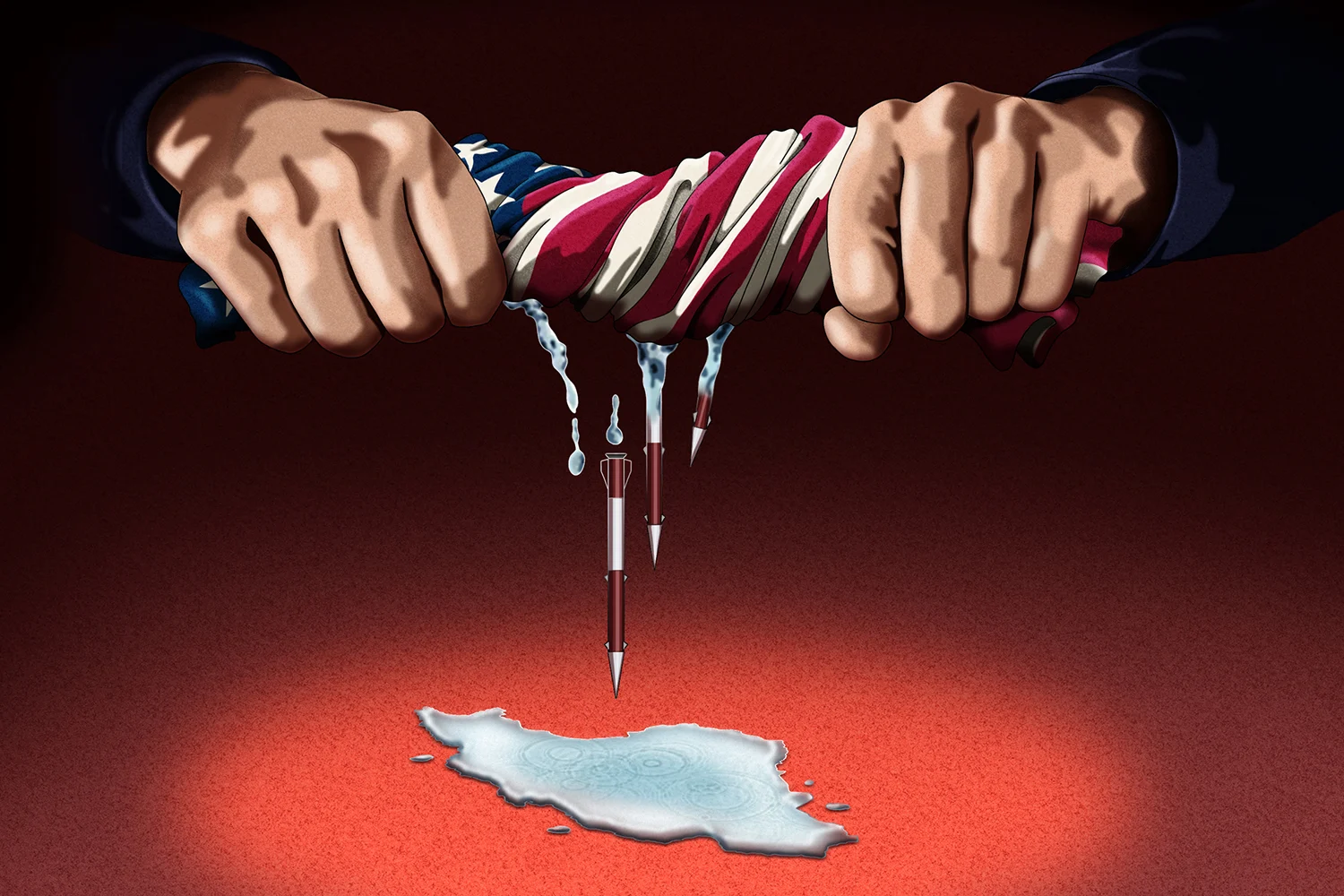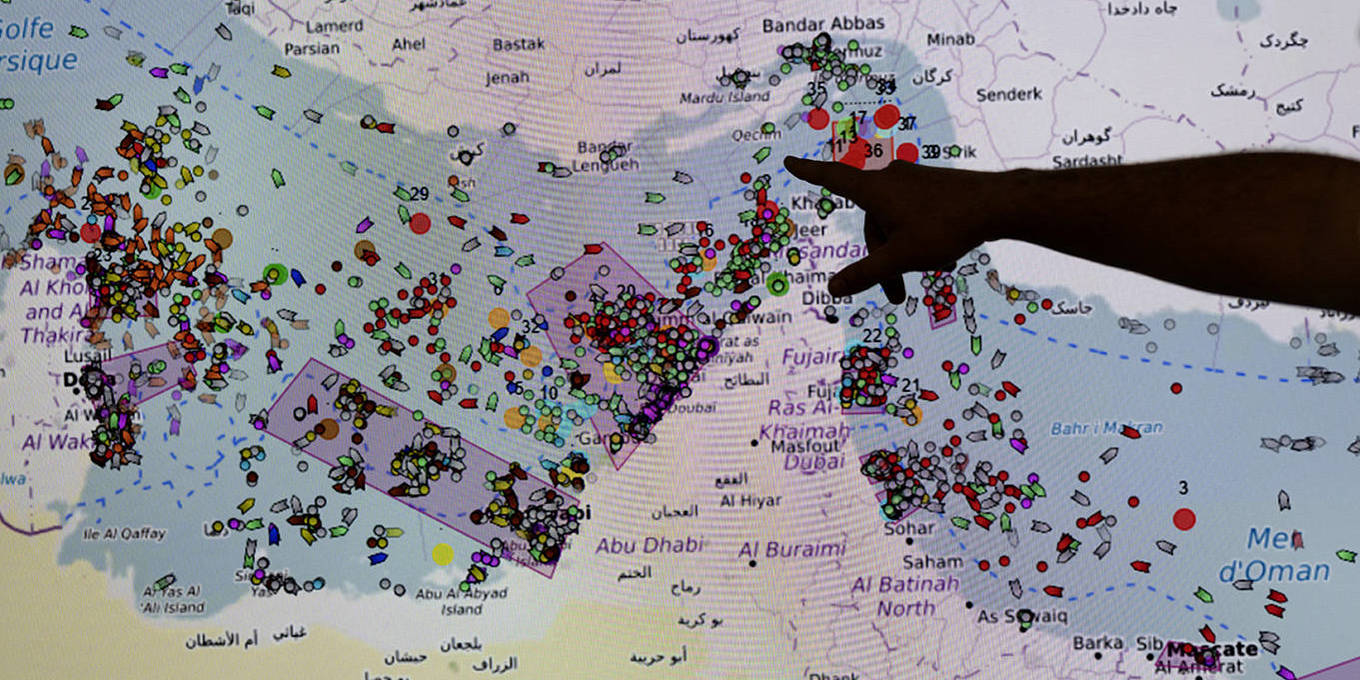
The war in the Persian Gulf has created global shock waves—by roiling the world economy, unsettling U.S. alliances, creating epic disruptions to freedom of navigation, and bringing the nuclear nonproliferation order to a tipping point. But one of the most important and potentially destabilizing implications of this conflict has been to throw U.S. strategic insolvency into harsh relief.
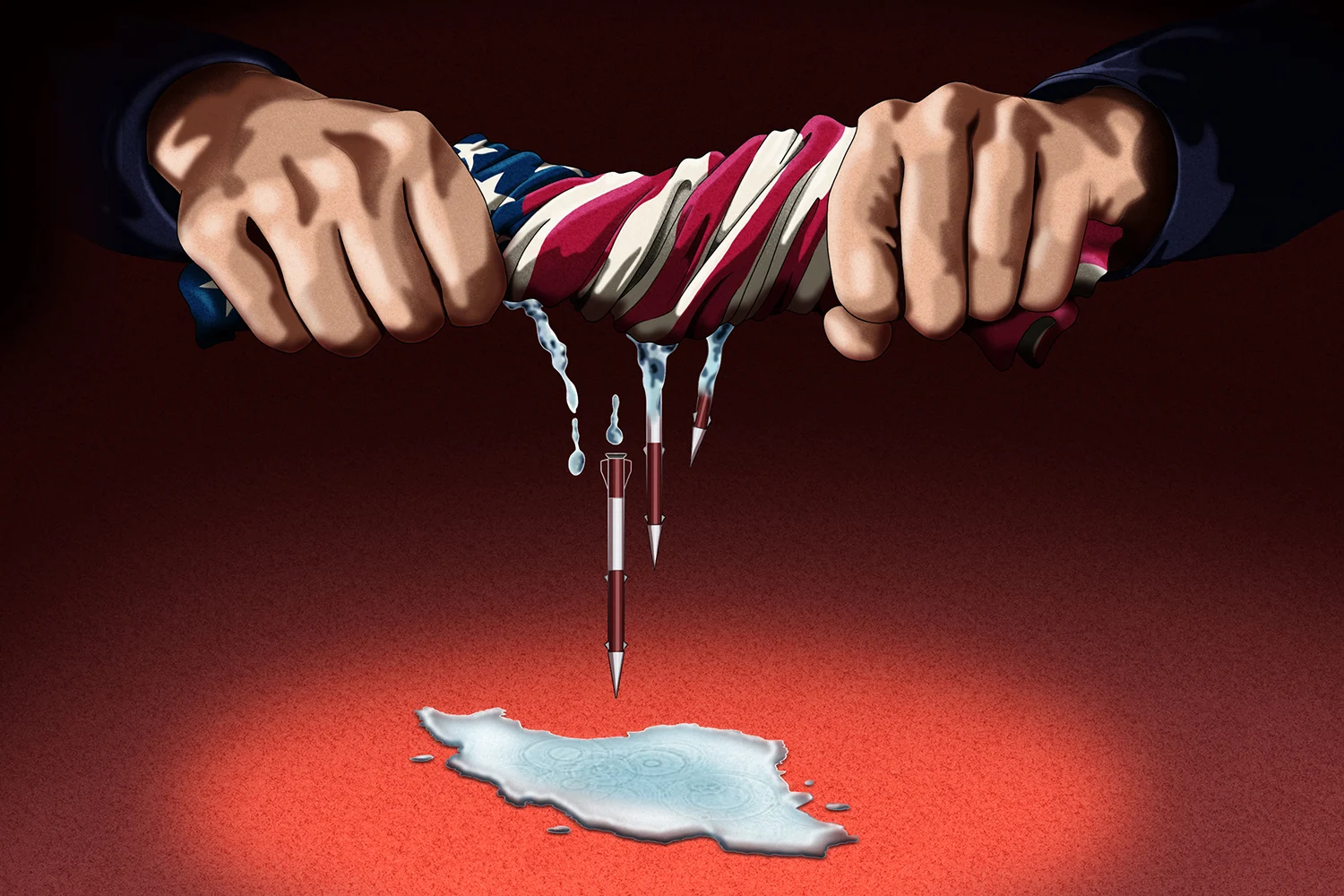
The war has featured impressive tactical feats by the United States and Israel, such as the killing of dozens of high-ranking Iranian officials in the opening hours of the fight. The capabilities on display over Tehran—and U.S. President Donald Trump’s penchant for military risk-taking—have surely been sobering for Washington’s adversaries in Moscow and Beijing. Yet the war has had more ambiguous, sometimes damaging, strategic outcomes. It has also caused an alarming depletion of key U.S. weapons stockpiles while ripping capabilities away from other dangerous theaters. In short, the conflict has badly strained a military that has been trying to do too much with too little for far too long.
There’s a saying in the Defense Department that every U.S. war plan is an existential threat to all the other war plans. A draining conflict in the Middle East may make it harder for Washington to deter a far more devastating fight in the Western Pacific—and usher in a dangerous period in which an overtaxed U.S. military struggles to respond to surging global risks.