By Editorial Dept - Jul 24, 2026, 6:00 AM CDT
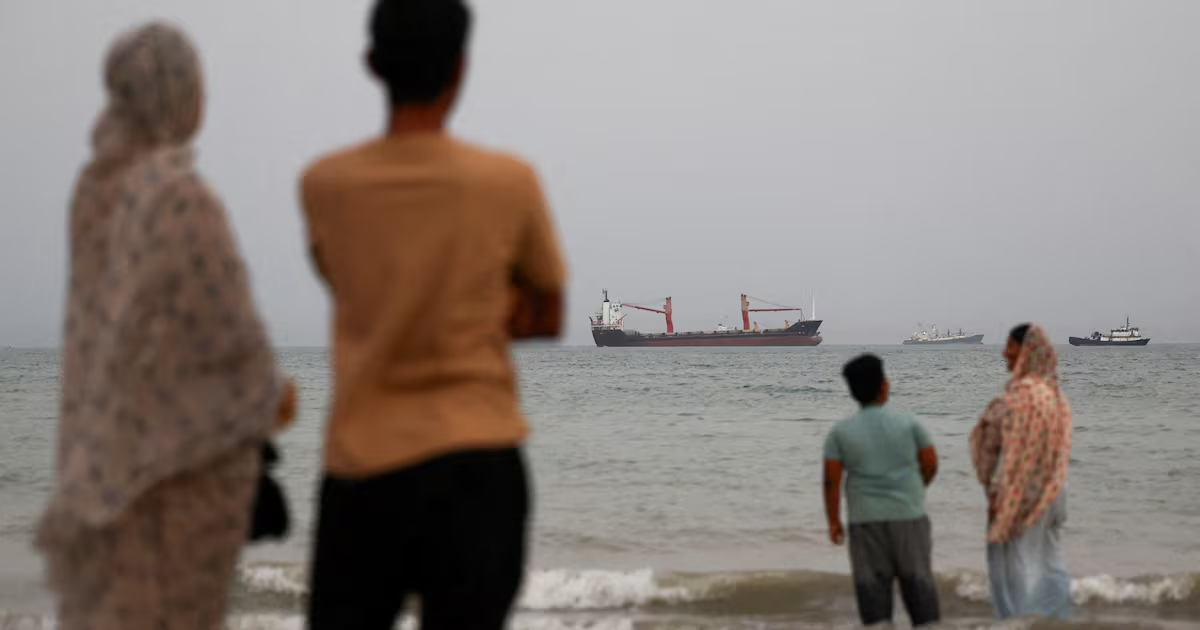
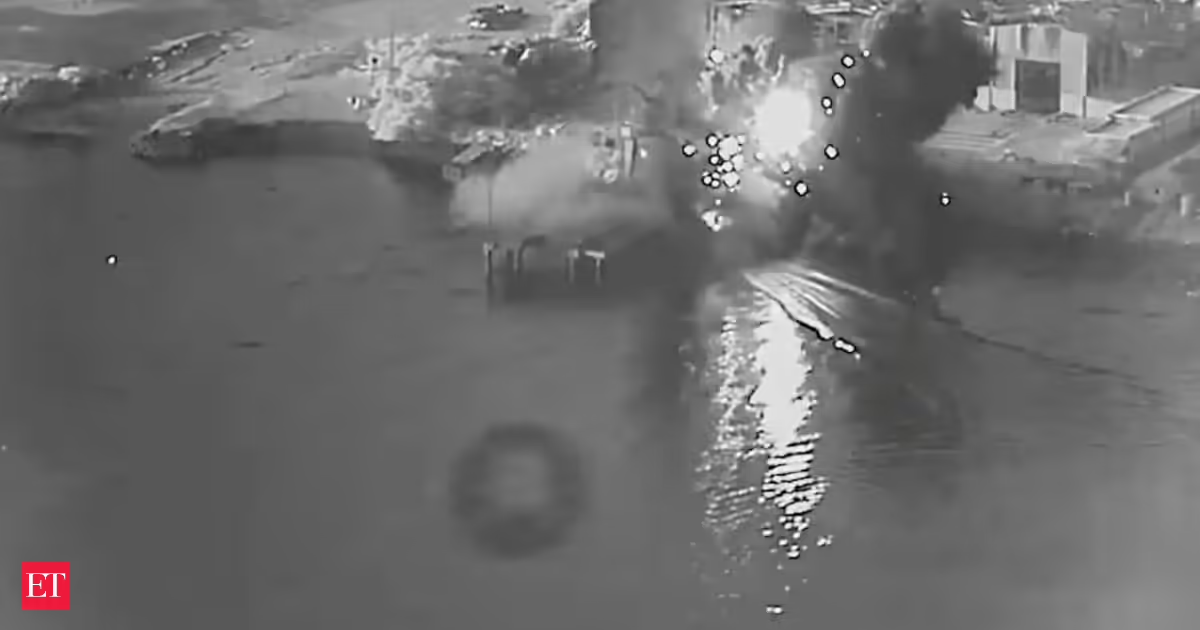
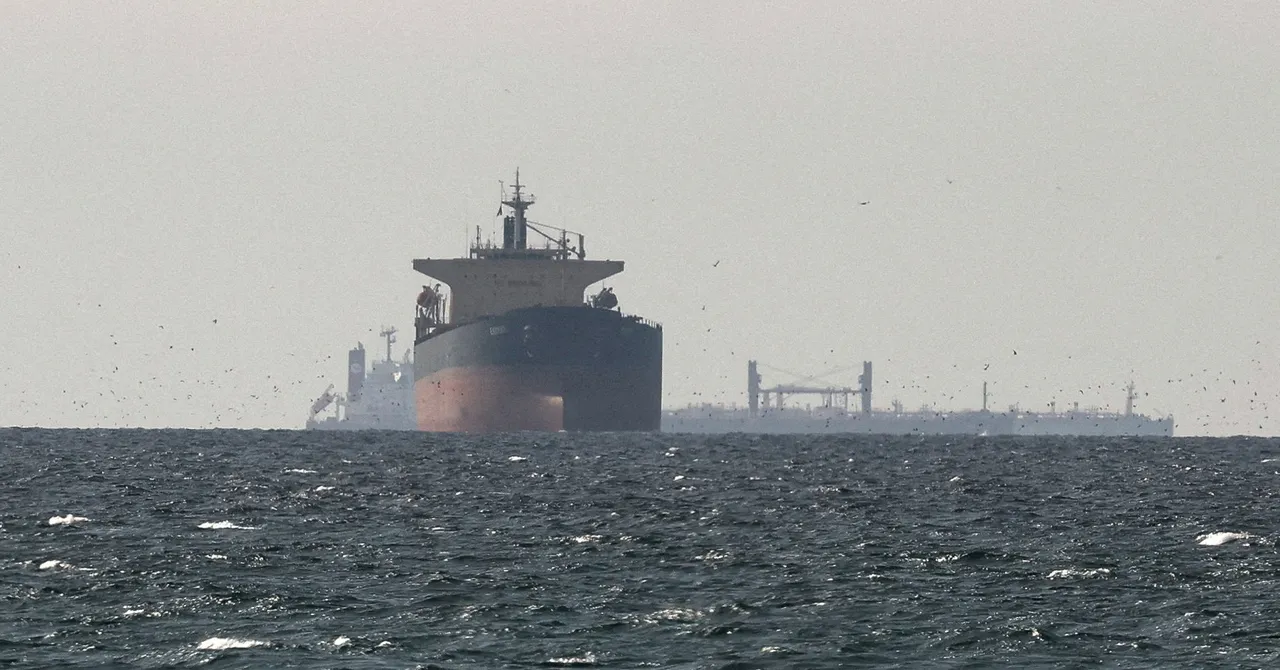
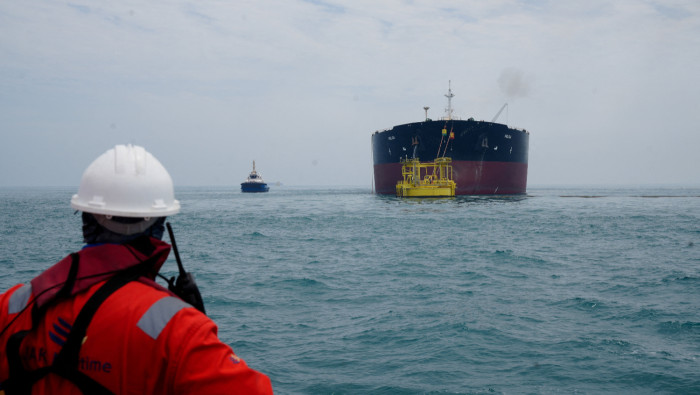
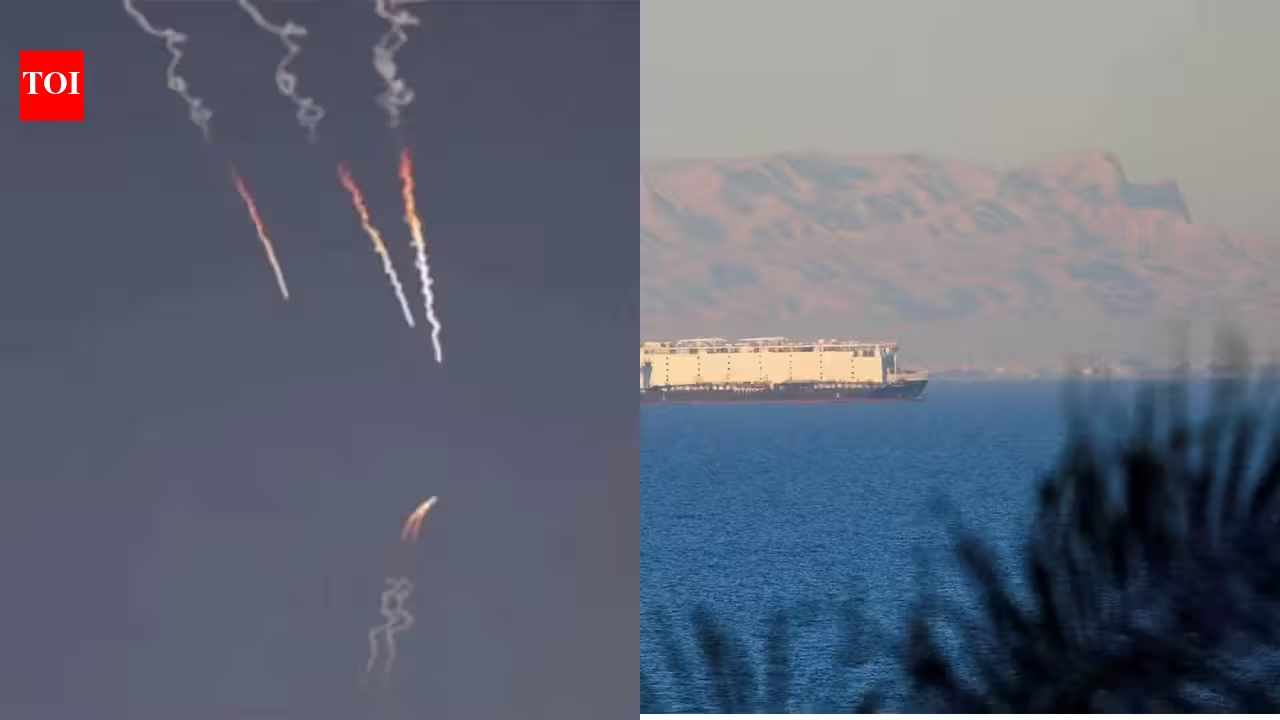
Politics, Geopolitics & ConflictIran has spent the week attacking the military infrastructure that allows the U.S. to wage war across the Middle East. After 12 consecutive nights of U.S. strikes on Iranian command centers, missile sites, air defenses and nuclear-linked facilities, Tehran hit American radar, communications, air-defense and aviation assets in Bahrain, Kuwait and Jordan, including facilities tied to the Fifth Fleet, Camp Arifjan, Ali Al Salem Air Base and Muwaffaq Salti Air Base. Iranian attacks have now killed U.S. personnel in Jordan, Kuwait, Iraq and Saudi Arabia. Iran has simultaneously kept Hormuz under military control, attacked tankers that entered routes it had not authorized and threatened to block all regional exports of oil, gas and petrochemicals while U.S. attacks continue. Washington is answering with an expanded bombing campaign, restored naval blockade and threats of a bigger assault.Iran has now put both of the Middle East’s principal oil-export corridors under attack. Yemen’s Houthis struck the Saudi tankers Encelia and Layla in the Red Sea after declaring a blockade on Saudi-linked shipping through the Bab el-Mandeb Strait, setting both vessels on fire and threatening the route Riyadh has used to bypass Iran’s closure of Hormuz. Saudi Arabia has been moving millions of barrels per day across the kingdom to the Red Sea port of Yanbu through its East-West pipeline, but those exports must still pass through Bab el-Mandeb to reach…