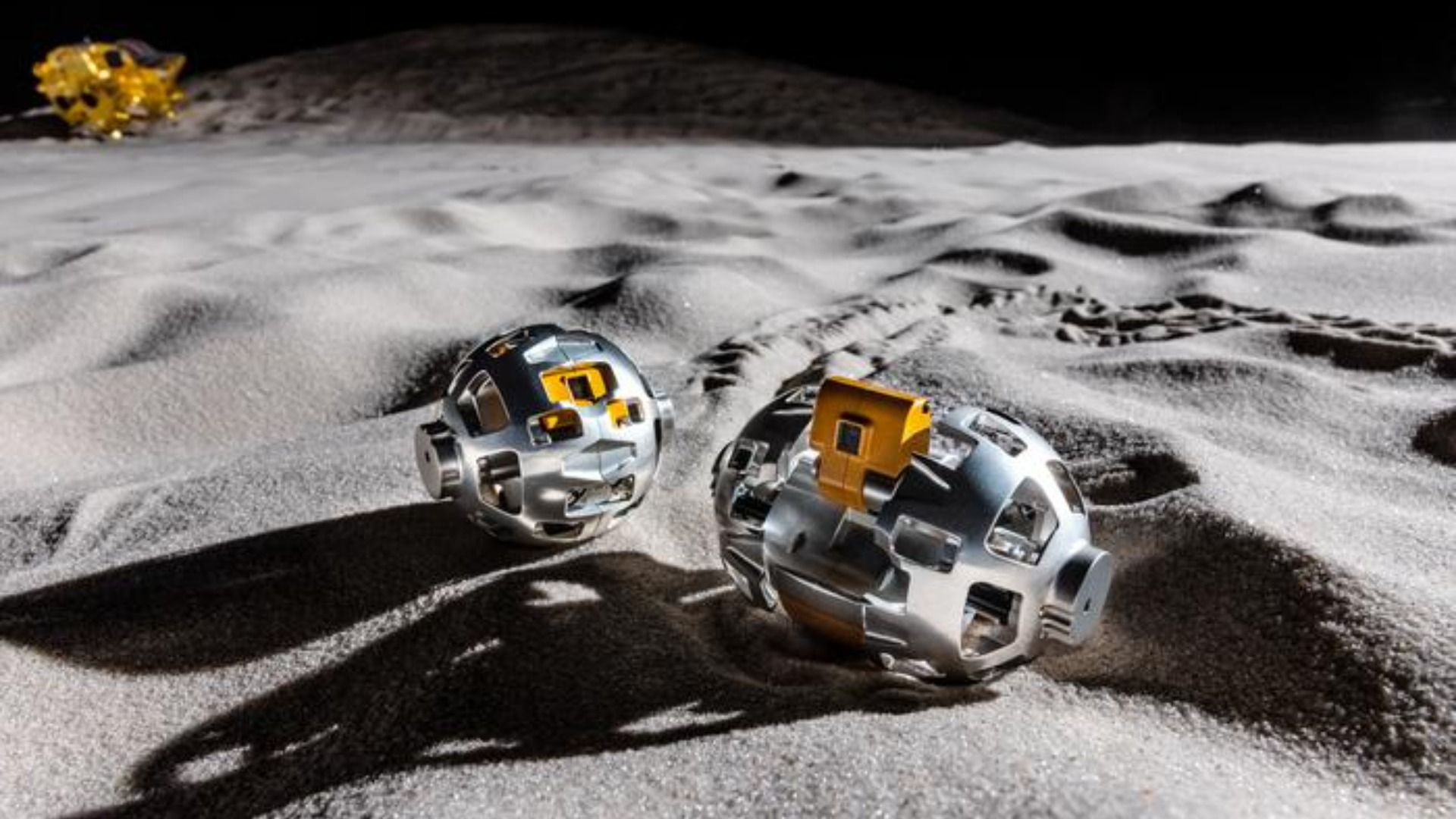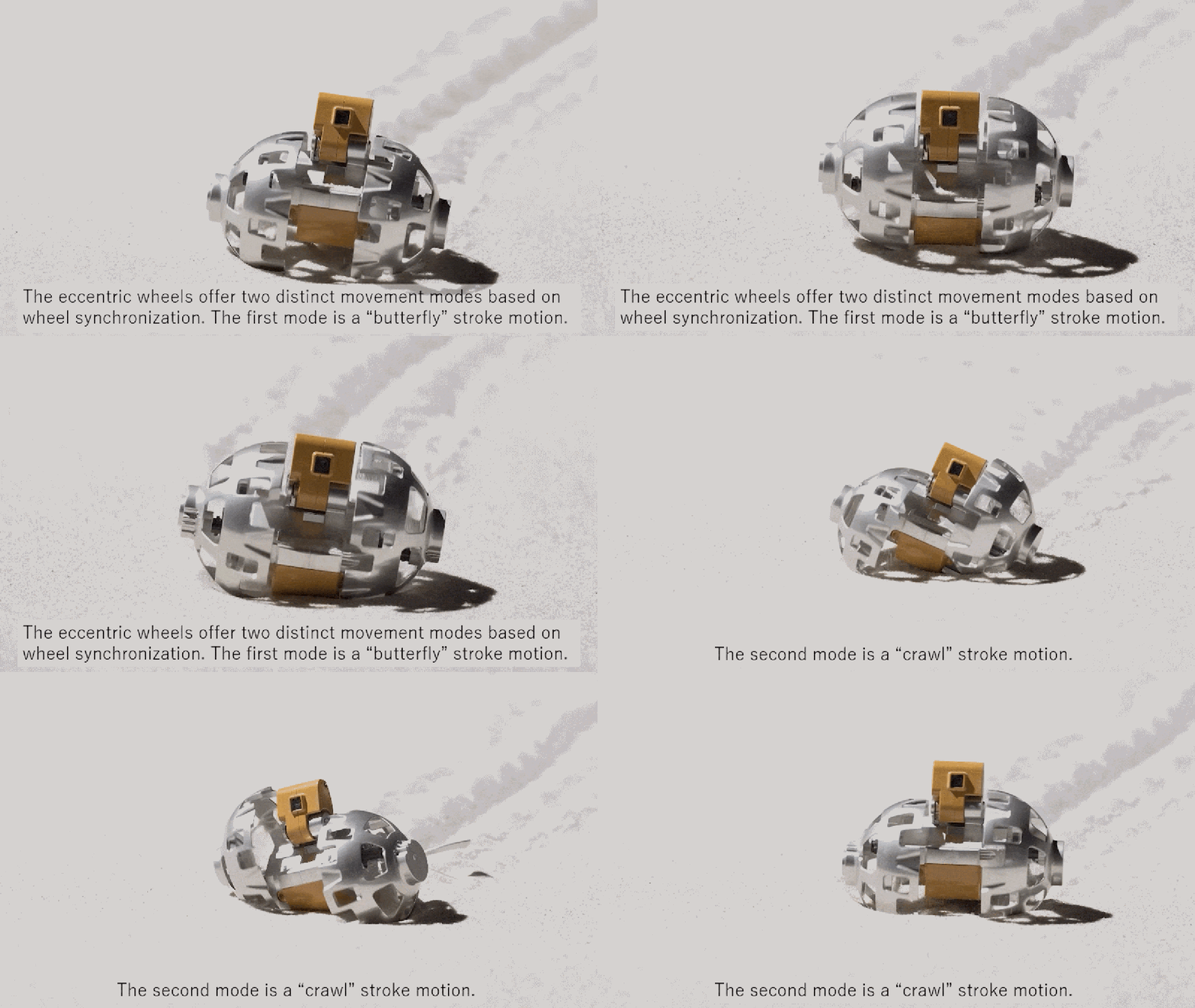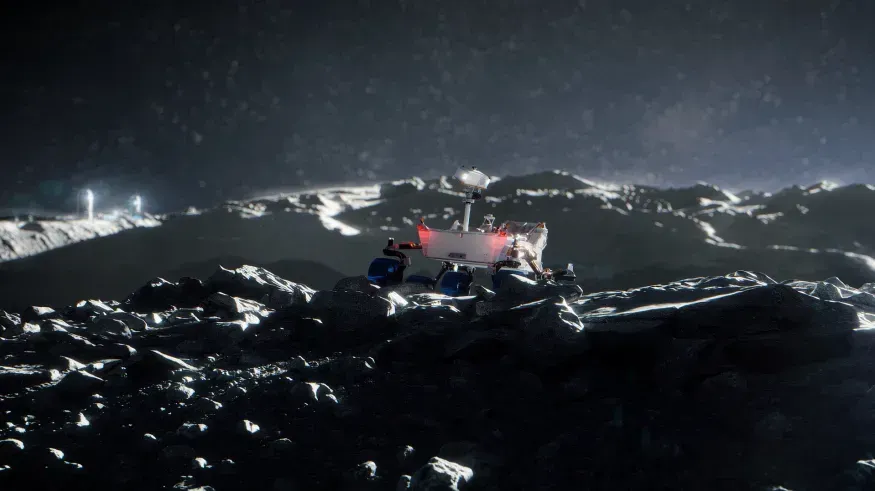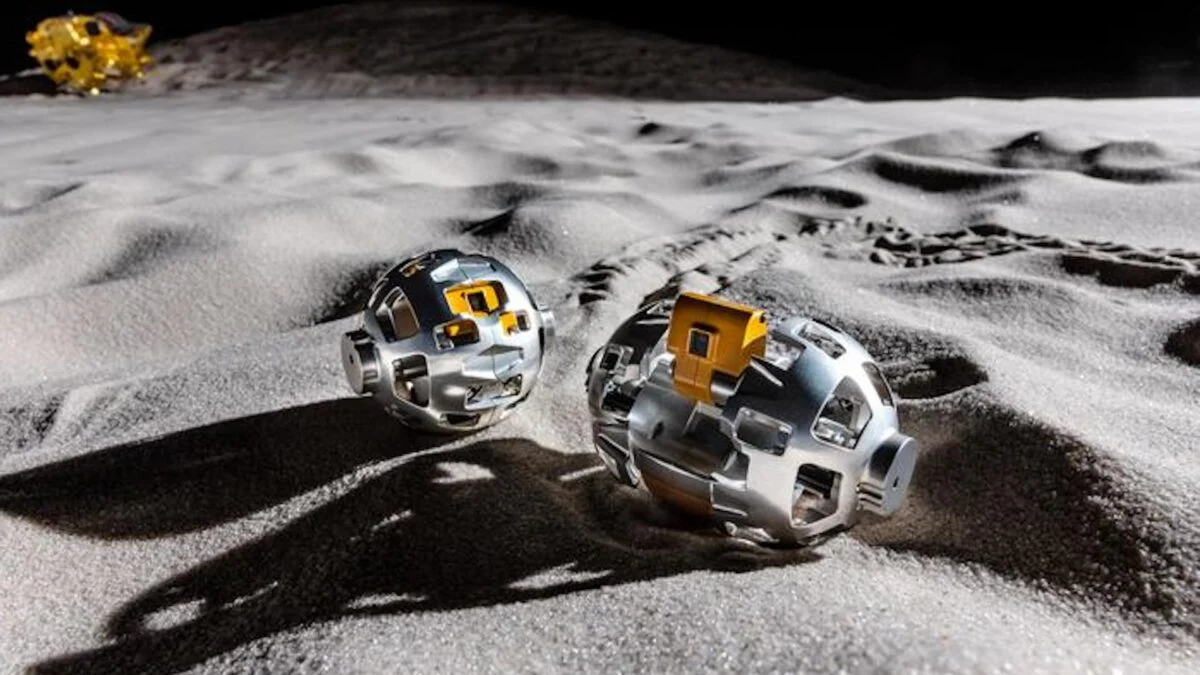
On January 19, 2024, a tiny, spherical rover called SORA-Q arrived on the Moon and unfurled itself into two halves to deploy wheels on each side. The miniature-sized robot, which could fit snugly into your palms, rolled around the lunar surface for nearly two hours, capturing images and relaying data back to Earth. Its short-lived stint will help inform the design of a fleet of tiny explorers capable of fitting into cramped areas that are otherwise inaccessible to their larger counterparts. A new study details the results from SORA-Q’s time on the Moon, highlighting the challenges encountered during the mission, as well as lessons learned for future designs of small-sized space robots. The study, published Wednesday in Science Robotics, suggests that small rovers could act as helpful sidekicks for more flexible, robust, and cost-effective missions to the Moon and other celestial bodies. The story of SORA-Q To help create the transformable lunar robot, the Japan Aerospace Exploration Agency (JAXA) partnered with researchers from Doshisha University, Sony, and TakaraTomy. The Japanese toy company Tomy may not have much experience with space exploration, but it is known for creating the earliest Transformer toys in the early 80s.
Two Years Later, We’re Finally Learning How a Transformers-Inspired Rover Fared on the Moon
SORA-Q showed that tiny robots could do big things on the Moon.
619 words~3 min read