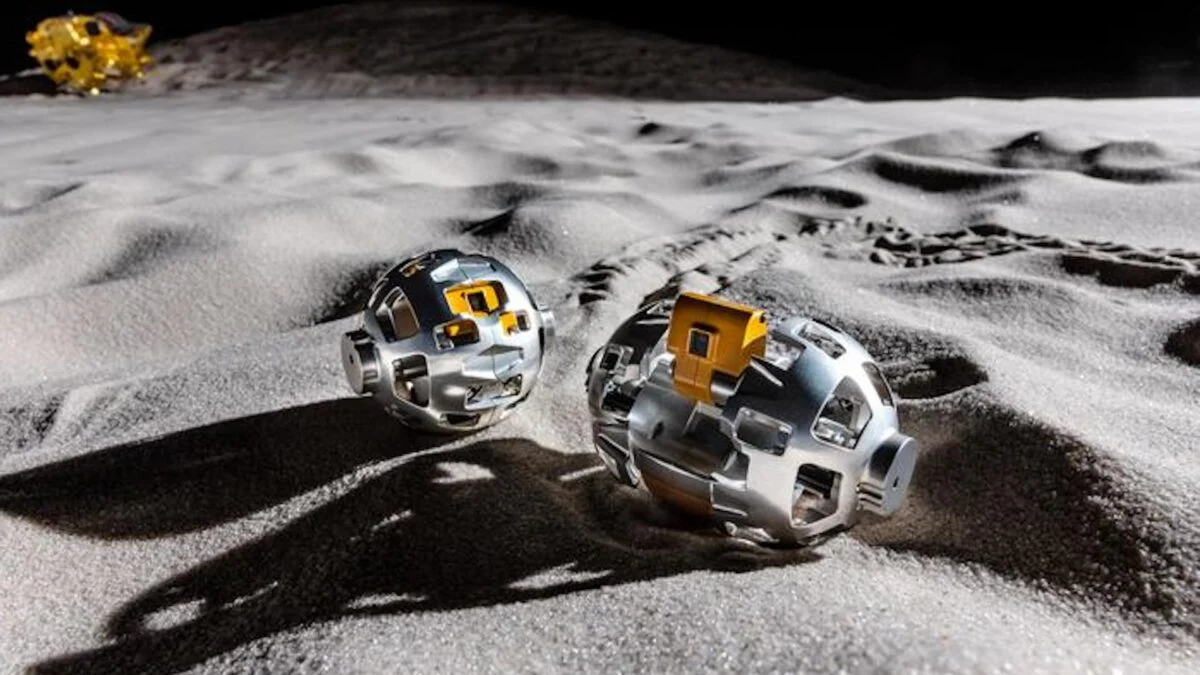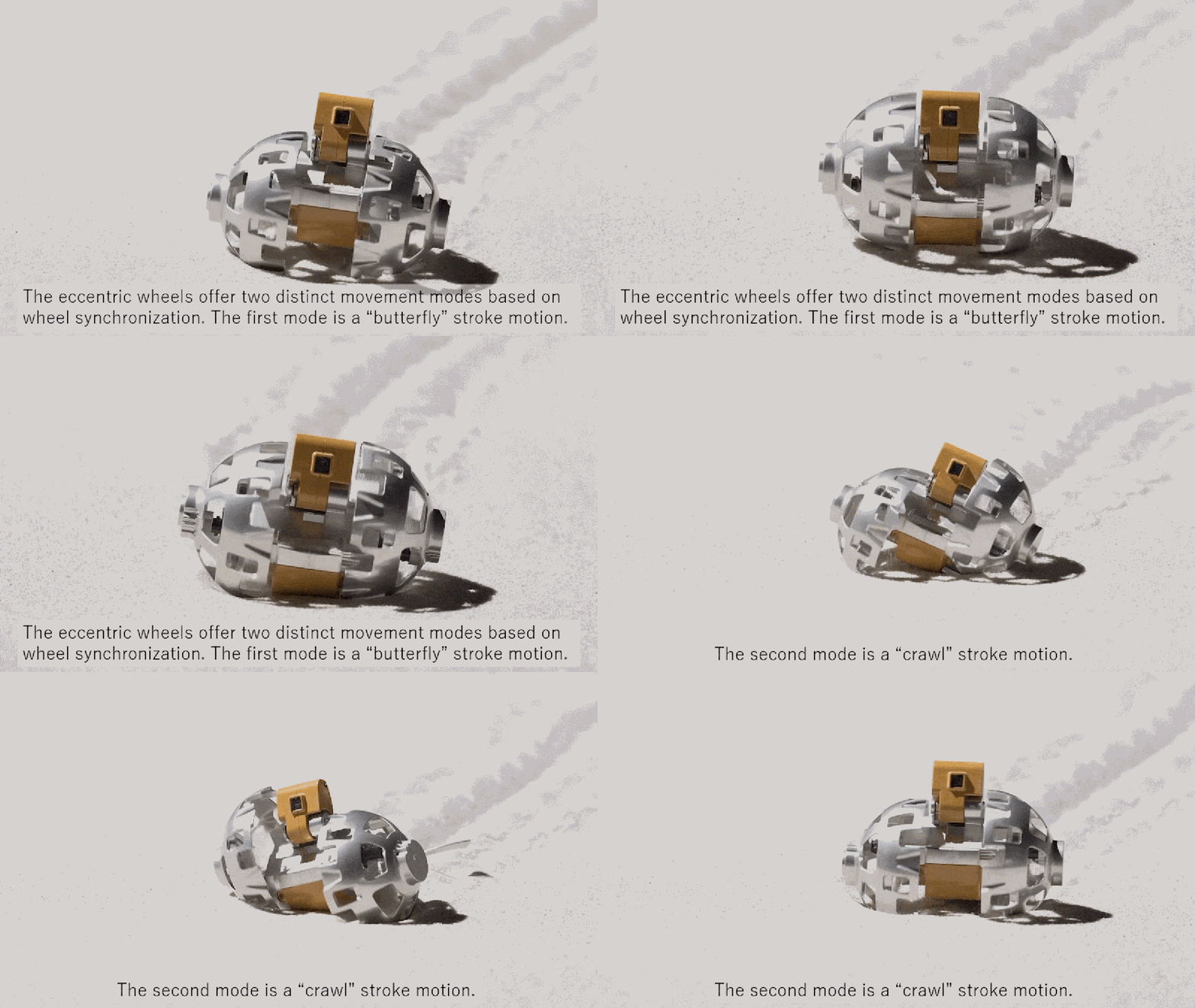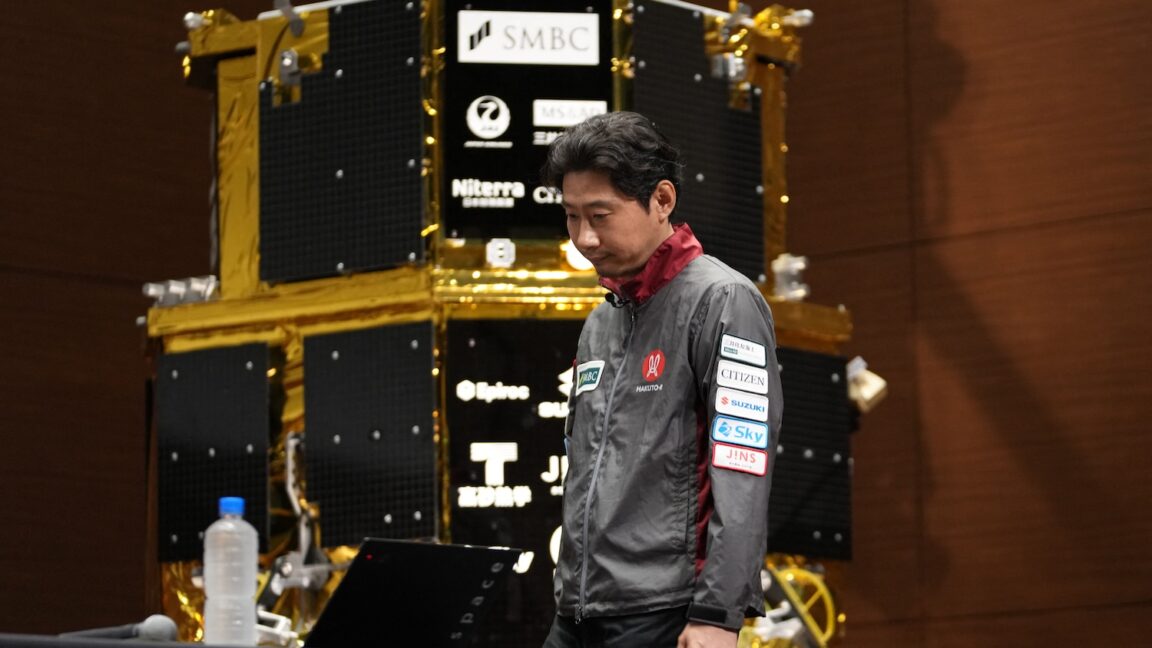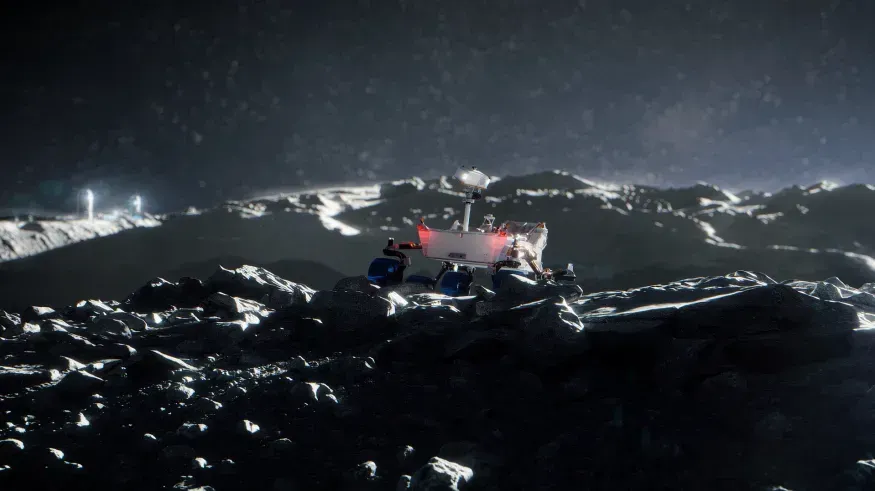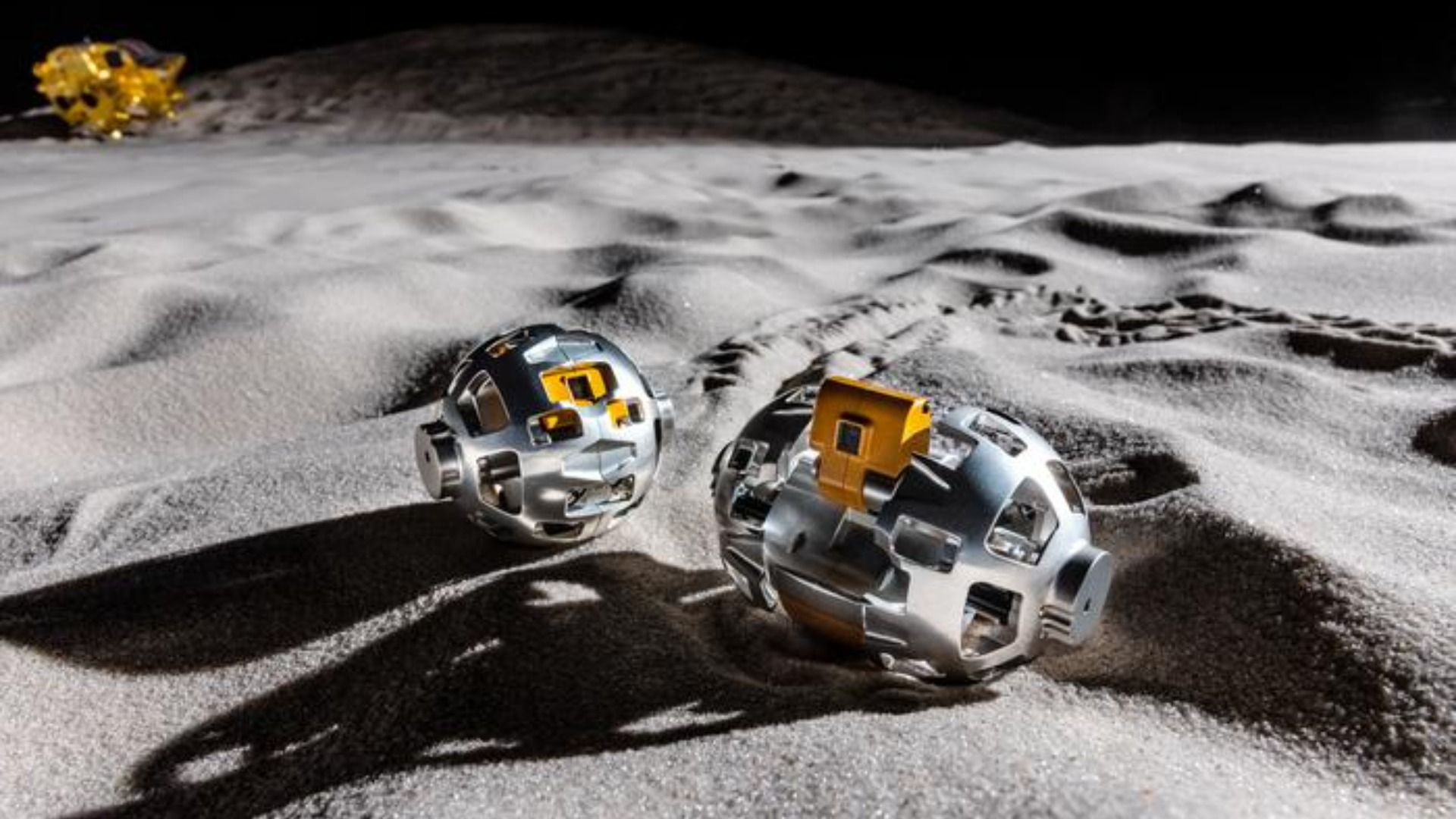
A Japanese-built spherical transforming rover, just 3 inches (8 centimeters) in size, successfully took a sojourn on the moon — and, in doing so, it demonstrated autonomous navigation and wireless communication with another lander that then relayed data back to Earth. The robotic rover, named SORA-Q after the Japanese words for "space" and "sphere,", aims to pave the way for more miniature autonomous lunar robots.SORA-Q flew to the moon in December 2023 on the Japanese Aerospace Exploration Agency's (JAXA's) Smart Lander for Investigating moon (SLIM) mission. After a few weeks in orbit, SLIM landed on the lunar surface on January 19, 2024. Quickly, it deployed the tennis ball-sized SORA-Q rover along with another robot — a small hopping machine known as Lunar Excursion Vehicle-1 (LEV-1). (SORA-Q was designated LEV-2.) SLIM was the first Japanese mission to soft-land on the moon.The little transforming SORA-Q rover was developed jointly by JAXA, Sony, Doshisha University and Takara-TOMY. The latter, a toy company, co-owns the Transformers brand with Hasbro and used their expertise and technology developed from designing toys of the Autobots and Decepticons to give SORA-Q its transforming capabilities.SORA-Q transformed by extending its shape from a sphere to something more like a cylinder, using the hemispheres of its original spherical shape as wheels. A camera flipped up between the wheels and a tail deployed to act as a rear stabilizer. SORA-Q was then able to drive around the SLIM lander and take color images of both the lander and the lunar environment at its landing site. SLIM had touched down close to a885-foot-wide) (270-meter-wide) crater called Shioli inside a larger 61-mile-wide (98-kilometer-wide) crater called Cyrillus, which itself is located in Mare Nectaris on the lunar nearside.The Lunar Excursion Vehicles were designed by a team led by JAXA's Daichi Hirano. The aim was to provide autonomy in a small package rather than a large rover that would increase the payload mass and cost, and which would be unable to reach cramped spaces such as crevasses.However, trade-offs have to be made with palm sized rovers such as SORA-Q and LEV-1 as not everything can be built into them. So, the two little robots worked in tandem to explore and relay data back to Earth.
How Japanese scientists sent a real-life Transformer to the moon
The rover, named SORA-Q, had extending wheels, a flip-up camera and a transforming tail.
570 words~3 min read