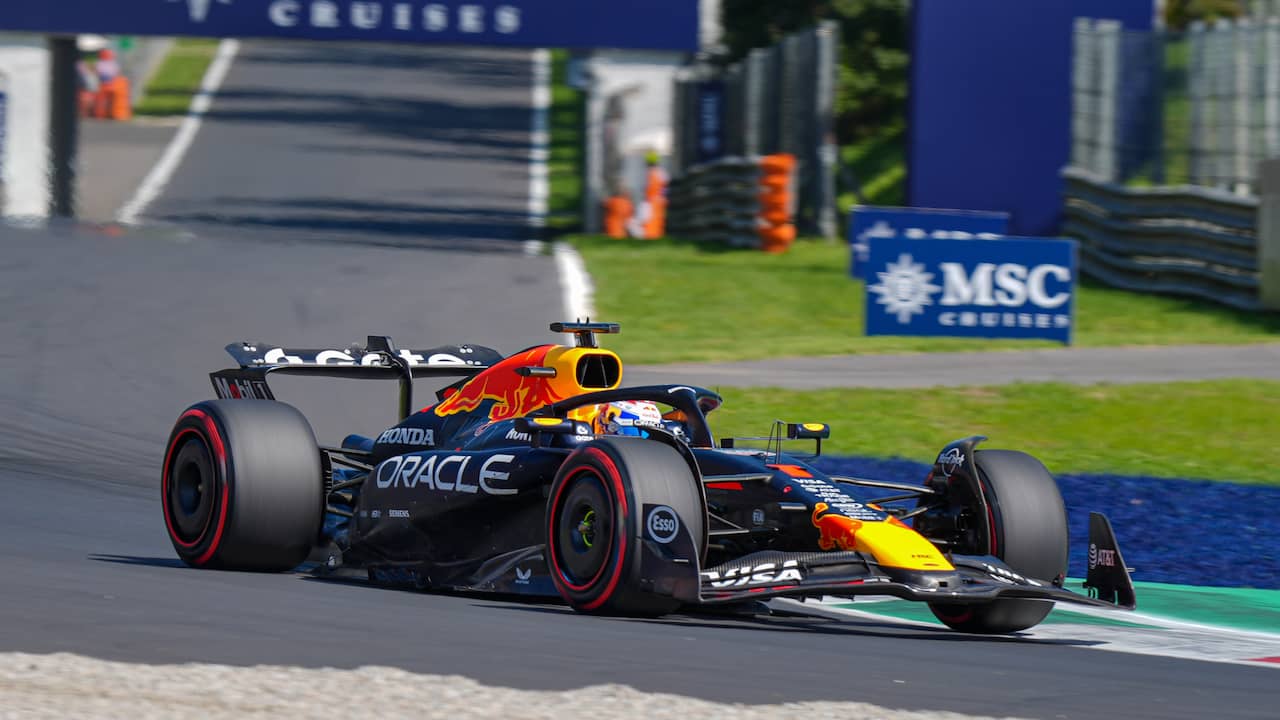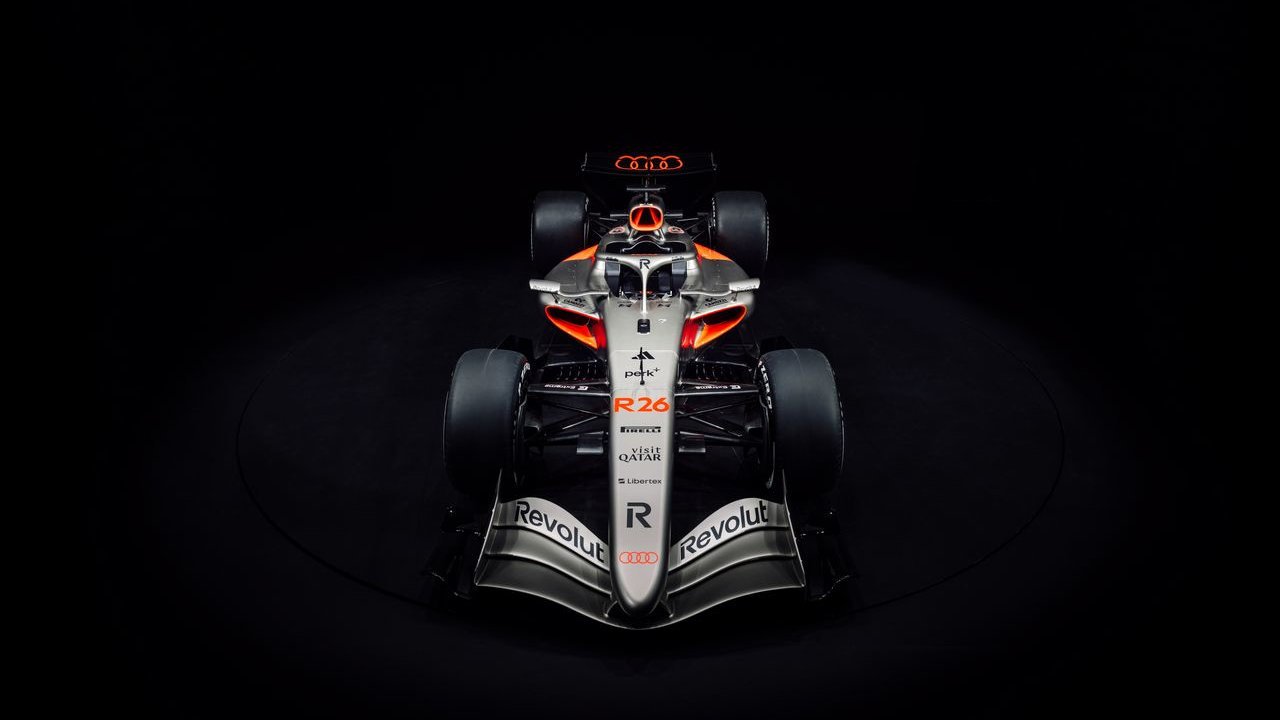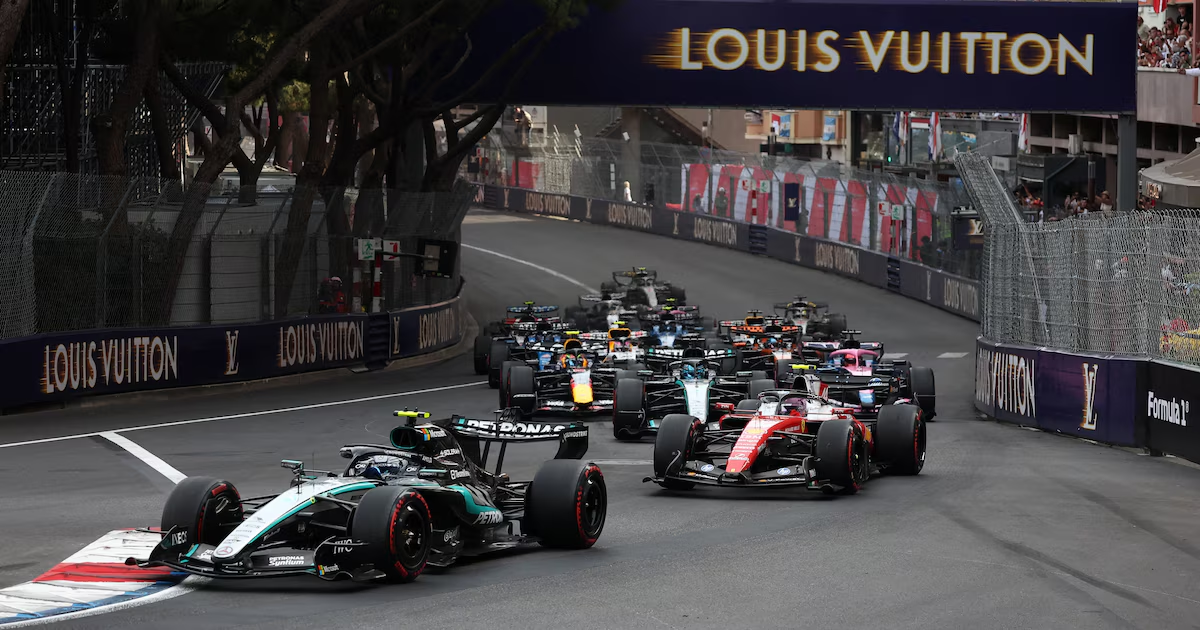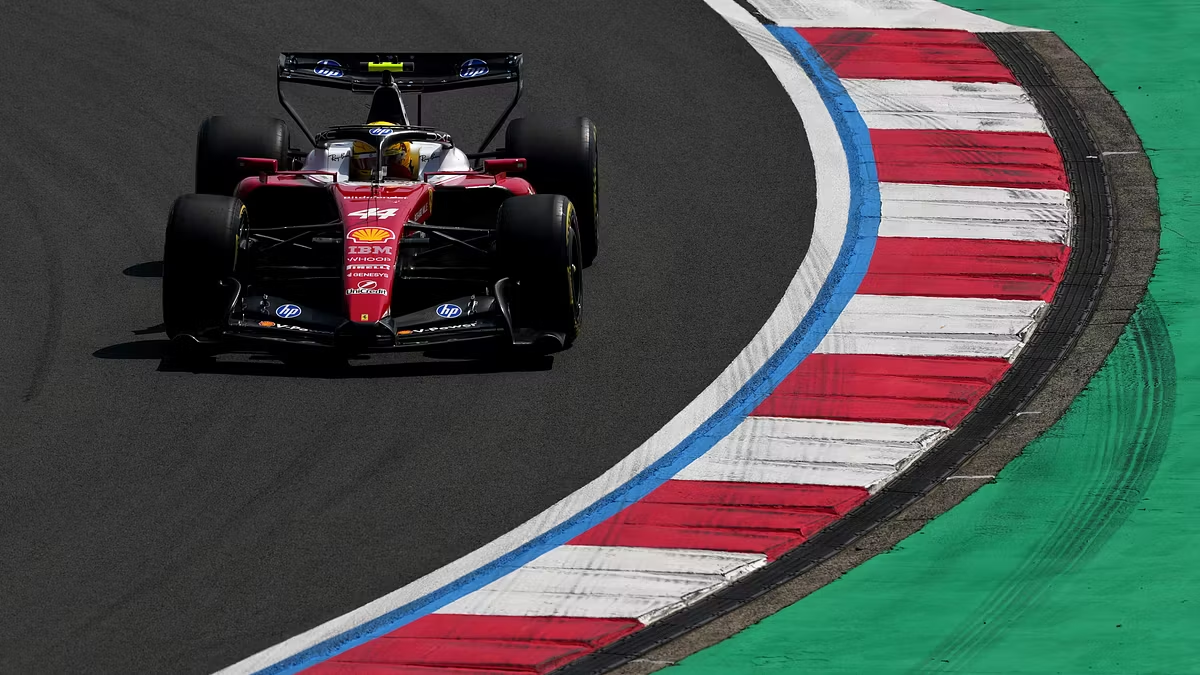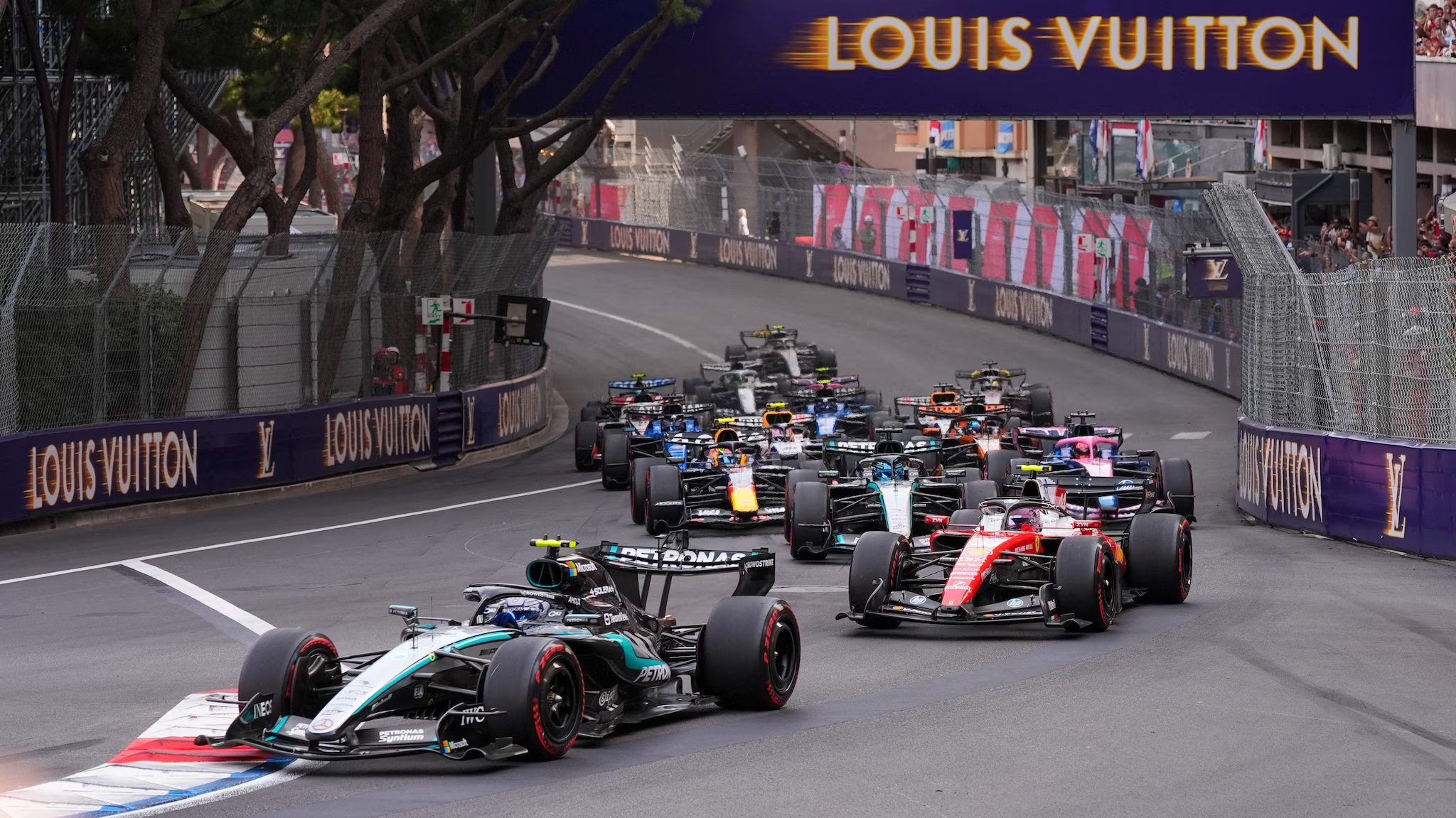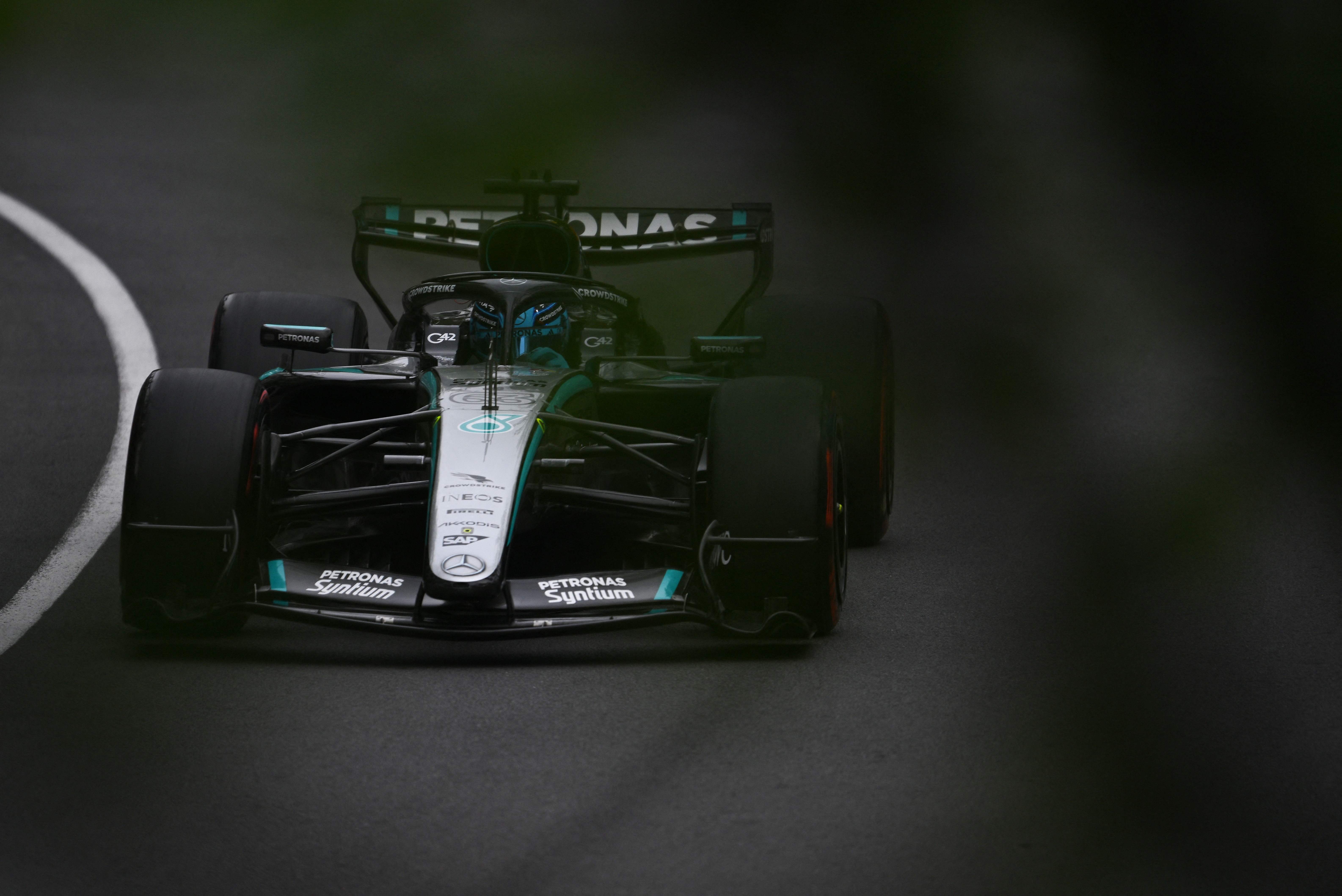
Formula 1 will adjust its engine rules in 2027 and 2028 by reducing the amount of electric power available in order to promote flat-out driving.For 2026, F1 introduced an all-new engine that provided a near 50/50 split between combustion and electric power, as well as using fully sustainable fuels.But the new engines have been at the core of criticism from drivers about the new style of driving and racing, placing a particular emphasis on qualifying laps.The energy-starved nature of the new engines forced drivers to place a lot of focus on when to recharge and use the battery on their cars, with the issue being particularly noticeable in qualifying when hot laps were no longer flat out.Max Verstappen, the four-time F1 world champion, called the new rules “anti-racing” and “like Formula E on steroids,” while Aston Martin driver Fernando Alonso said F1 had become a “battery world championship.”Talks have been ongoing in recent weeks about changing the near 50/50 energy split on the engines, including the F1 organisation, the 11 teams and the engine manufacturers, paving the way for an agreement to be announced by the FIA on Wednesday.In 2027, the power of the internal combustion engine will increase by 20kW to 420kW, while the electric power from the battery will fall by 50kW.The amount of energy harvesting will also increase, taking the engines from a 53/47 split to 58/42, per the FIA’s data.A second step will follow in 2028 when the internal combustion engine power will increase again to 450kW, leaving F1 with a 60/40 split.This was the solution many in the paddock had been pushing for, only for opposition to emerge in recent weeks from Ferrari and Audi.
F1 agrees to change controversial engine rules for 2027 and 2028
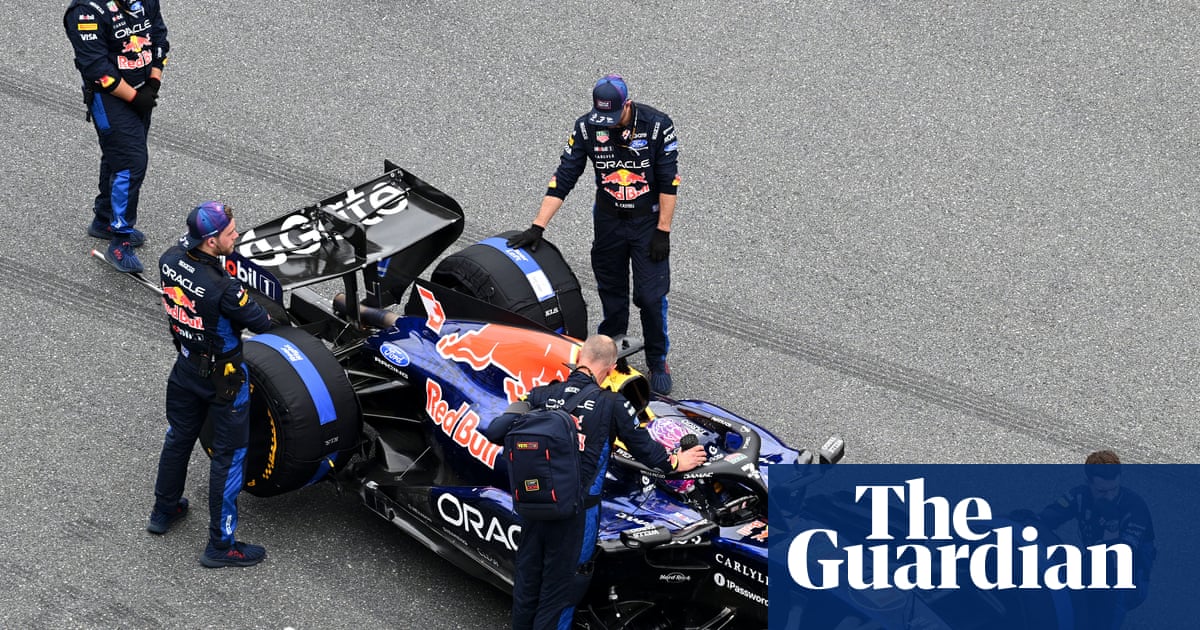
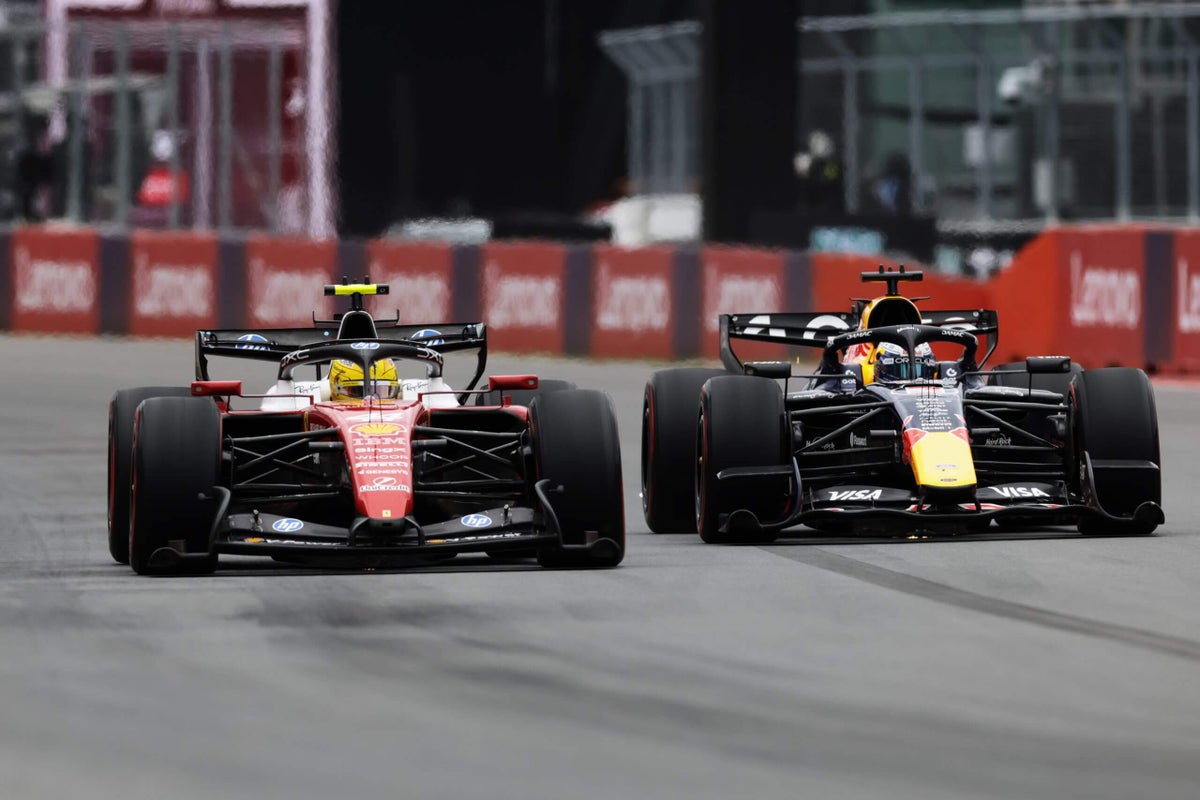
Red Bull's Max Verstappen described this season's rules as "anti-racing."
421 words~2 min read