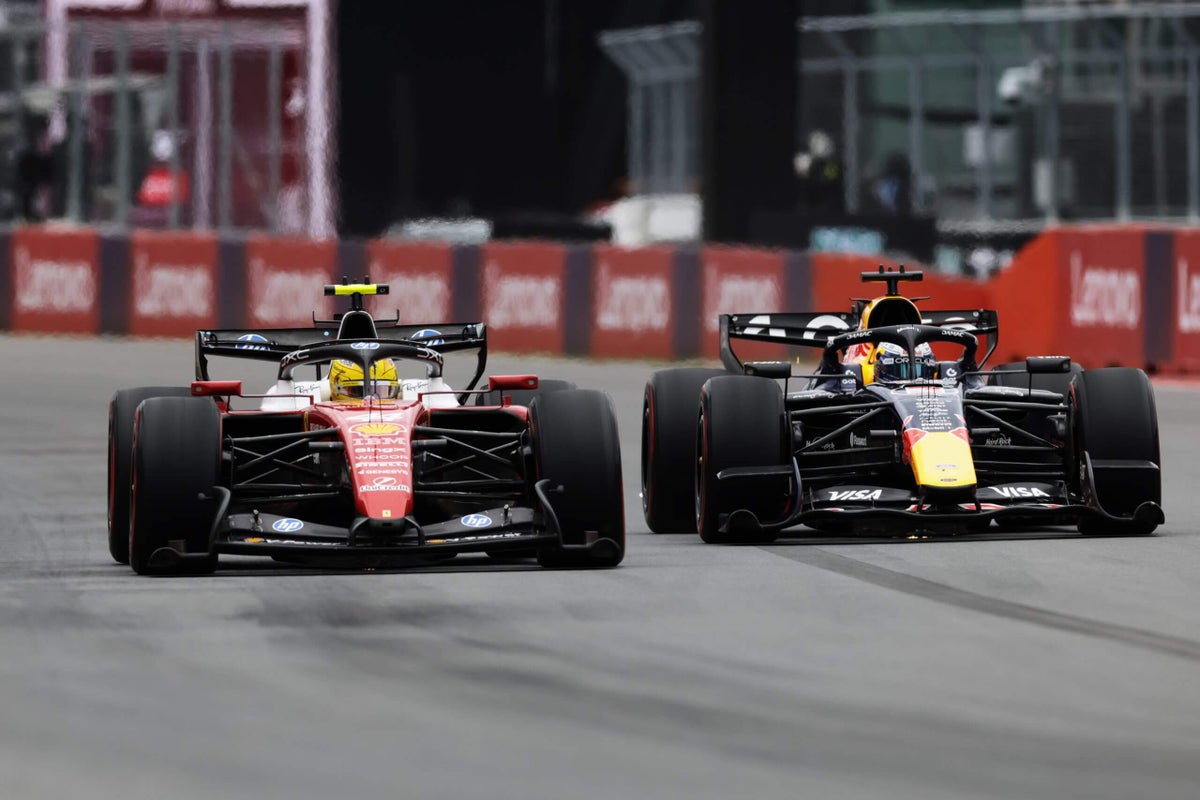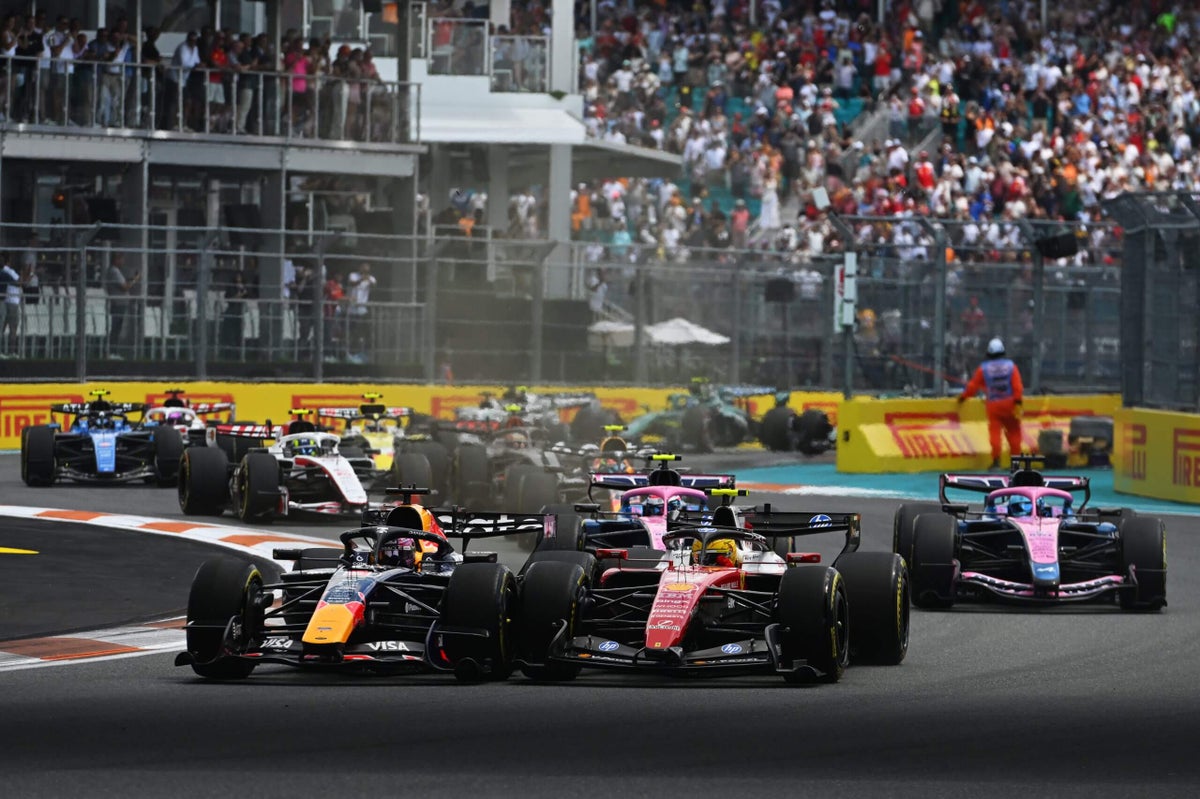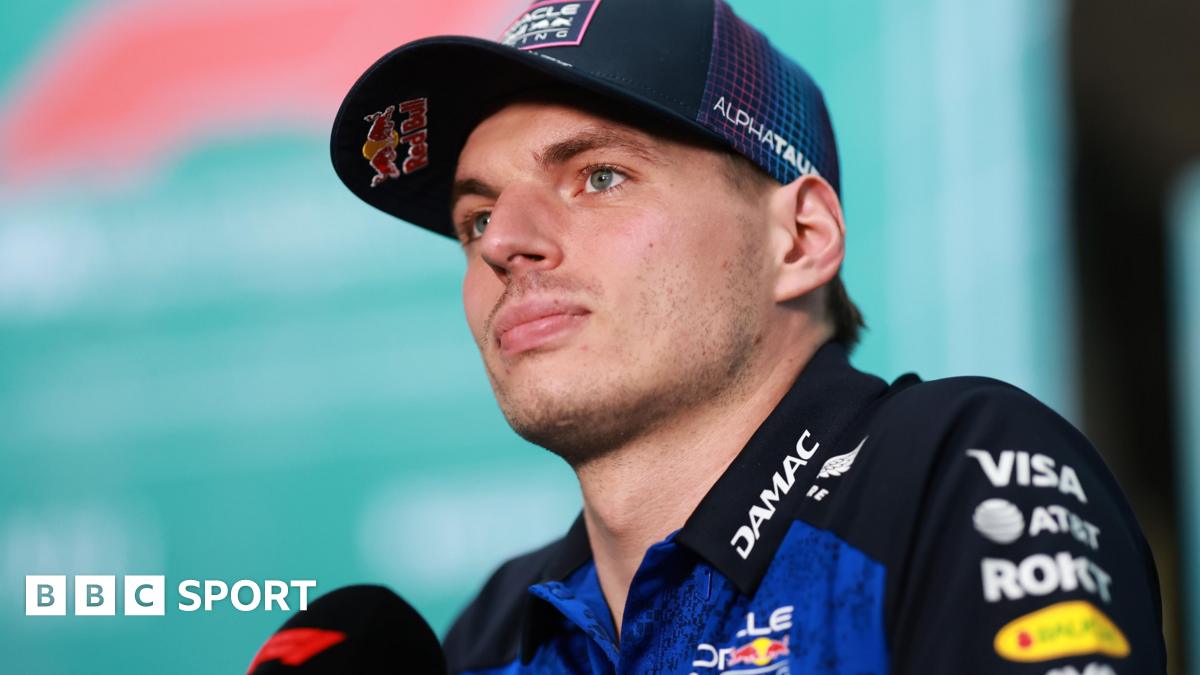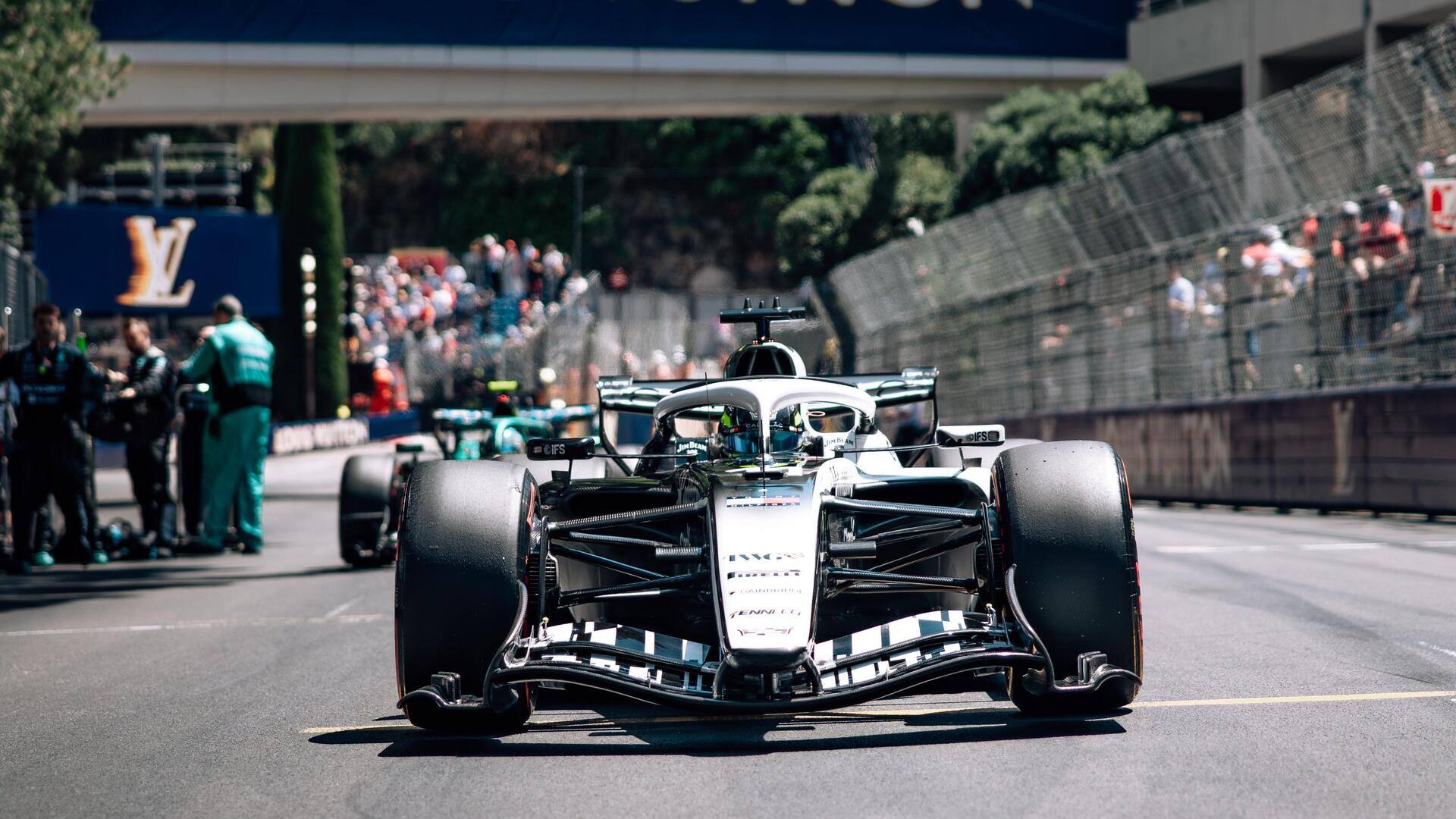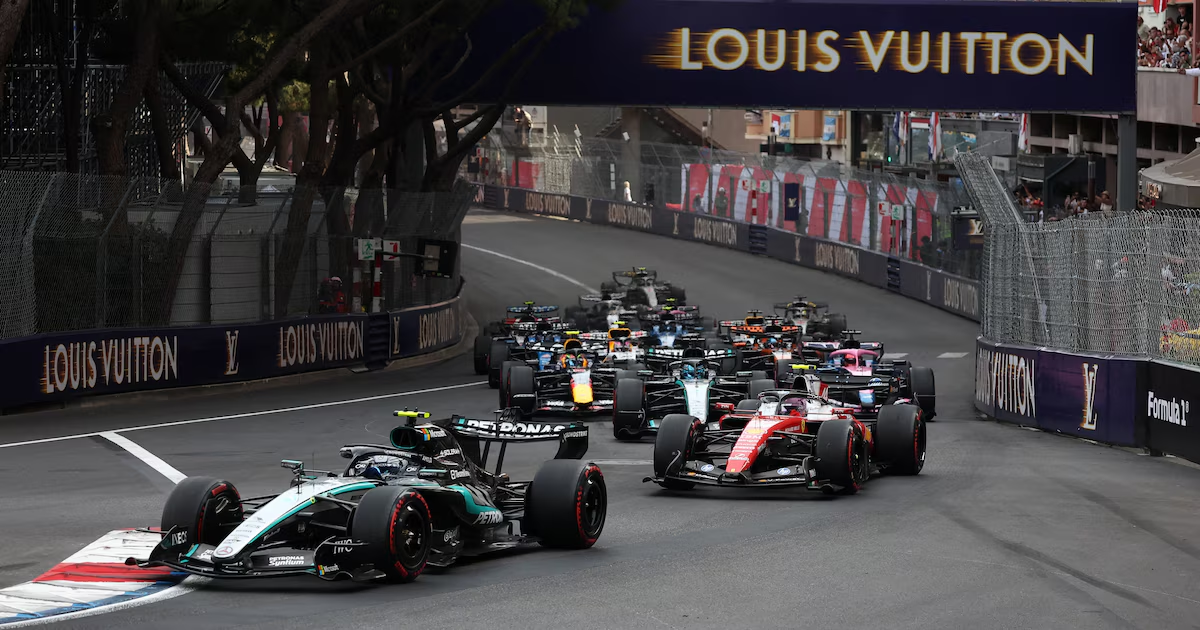
BARCELONA — Formula 1 drivers have welcomed the decision to adjust the engine rules from next year, but have warned it is “not going to change the world” or dramatically change the racing.F1 introduced all-new engine designs for 2026 with a near 50/50 split between combustion and electrical power, only for them to face criticism from a number of drivers.It centered around the reliance on the hybrid system and the need to carefully manage when to harvest and use energy, with the reduction in flat-out laps in qualifying especially sparking concern.The varying energy usage by drivers has also contributed to the back-and-forth style of racing this year. If a driver overtakes a car by using up more battery power, they often are then unable to defend the position from a car that still has energy to use.Talks through the past couple of months led to the F1 organization, the FIA (F1’s regulator), all 11 teams and the engine manufacturers to agree on changes to the engine designs for 2027 and 2028, reducing the amount of electrical power in two steps to 40 per cent from 2028. Prior to 2026, the battery only contributed around 20 per cent of the overall power.F1 has already made some tweaks to the energy management rules this year to encourage more flat-out laps in qualifying, but the more noticeable change should come from next season.One of the most vocal critics of the new cars has been Max Verstappen, the four-time world champion, who said in February they were were “anti-racing” and “not a lot of fun.” He has since suggested the lack of enjoyment from the current generation of cars could make him reconsider his future in the sport.Speaking to reporters on Thursday in Spain, Verstappen said: “I do think it was nice to see that changes are being made, of course already this year, but then also next year.“Of course, I would have hoped that next year would have been, let’s say, what we get in ’28.”Verstappen added he was “a bit sad” that there were “such politics involved” in the discussion. An initial agreement in principle to make changes met opposition from Audi and Ferrari in recent weeks.“But at least the changes that we are making are heading into the right direction,” Verstappen said. “So that I guess that’s a good thing.”Lando Norris was positive about the direction of change in F1 (Andrej Isakovic / AFP via Getty Images)Reigning world champion Lando Norris called the move “a small step in the right direction” and that all drivers were in favor, but they would “want even more going into the future.”“By 2029 or 2030 maybe, there can be even bigger changes,” Norris said. “But it’s a good sign, so I’m happy that we came to at least a step in the right direction. And we have to be happy with that.“We have a lot of teams. It’s not just what the drivers want in the end, it’s the business. But every team has to agree. So I’m at least happy that there was a push and a confirmation that we’re heading in the right direction.”Although Cadillac’s Sergio Pérez said the changes were “definitely positive”, he said he doubted that next year’s cars will be any nicer to drive.“At the end of the day, we’re going to have the same engines, and it’s going to be very similar,” said Pérez. “It’s not going to change the world. It’s never going to go back to what we used to have. So I don’t expect that it will be that much of a change.”One challenge that F1’s rule makers faced in talks about adjusting the engine rules were the varying interests of the engine manufacturers.In Monaco, Audi CEO Gernot Döllner said the German manufacturer, which only entered F1 from this year, wanted to keep the rules unchanged for 2027 given the level of investment and development it had made in the engines under the current regulations.It was a factor that McLaren’s Oscar Piastri recognized, having said the changes were “not eliminating (the problems) for sure, but it is definitely in the right direction, which is kind of all we can ask.”Piastri added: “It’s not an easy thing when they’ve just spent so much money and so much effort building one engine to then redo a lot of things for next year. I fully get it would have been very tough, but I think clearly as a sport we recognize that change needed to happen.“So it’s certainly better than nothing.”
F1 drivers welcome engine rule changes from 2027 but warn ‘it’s not going to change the world’
World champion Lando Norris and Max Verstappen agreed with Sergio Perez that the new F1 engine agreement was a step in the right direction.
768 words~3 min read