A pioneering study revealed that Cape Town’s global beauty are masking a grim forensic crisis, as the marine environment is actively frustrating police investigations into identifying bodies recovered from the oceans.
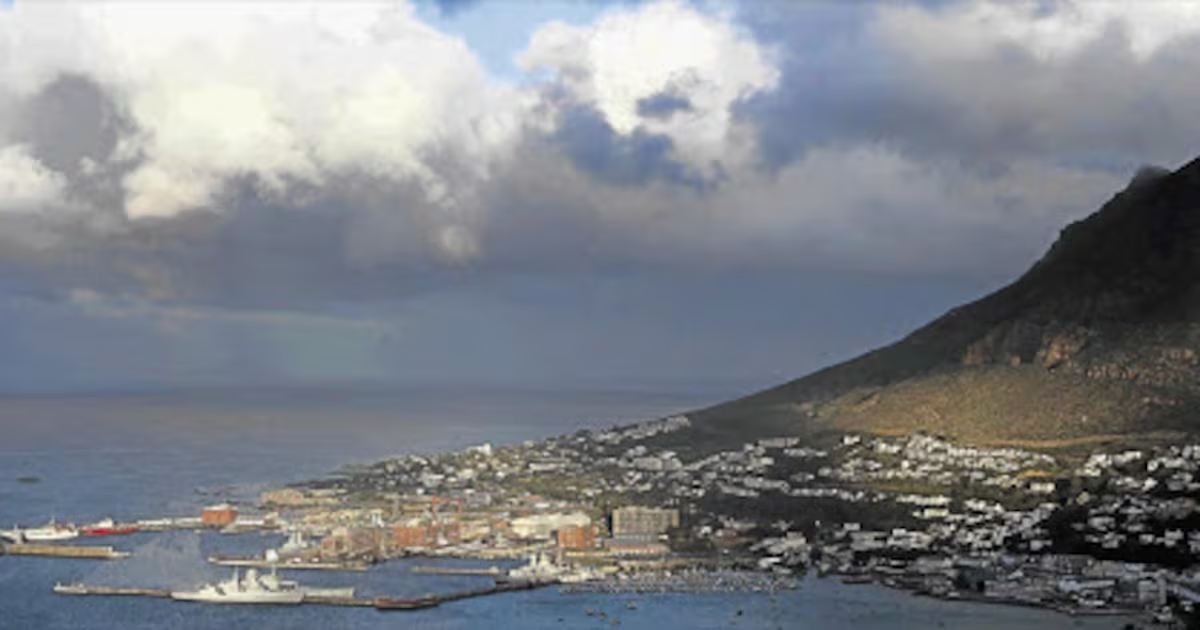
The very waters that define Cape Town’s global beauty is masking a grim forensic crisis, as a landmark study reveals how the marine environment is actively frustrating police investigations and leaving dozens of families without closure.
The pioneering research, led by Associate Professor Laura Heathfield from the University of Cape Town (UCT), tracked 289 bodies recovered from the city’s oceans, rivers, and pools over a five-year period. Published in the journal Forensic Science, Medicine and Pathology, the first-of-its-kind South African study paints a stark picture of a forensic system under severe strain, where the ocean acts as an eraser of identities.
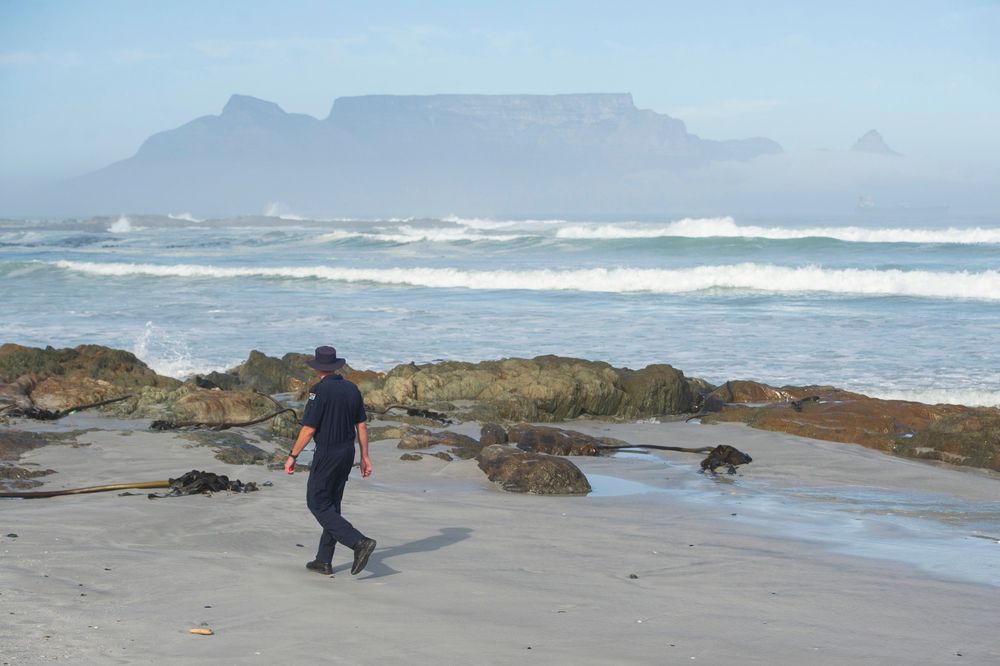
Between January 2017 and December 2021, the Salt River Mortuary received roughly one water-related fatality every single week. Nearly half of these recoveries (48.4%) were pulled from the Atlantic coastline, stretching from the affluent beaches of Camps Bay to the windswept shores of Bloubergstrand.
The study confirms that ocean recoveries are vastly more problematic than freshwater or domestic drownings. Powerful Atlantic currents, abrasive rocky shorelines, and marine scavengers inflict rapid, severe damage on human remains.