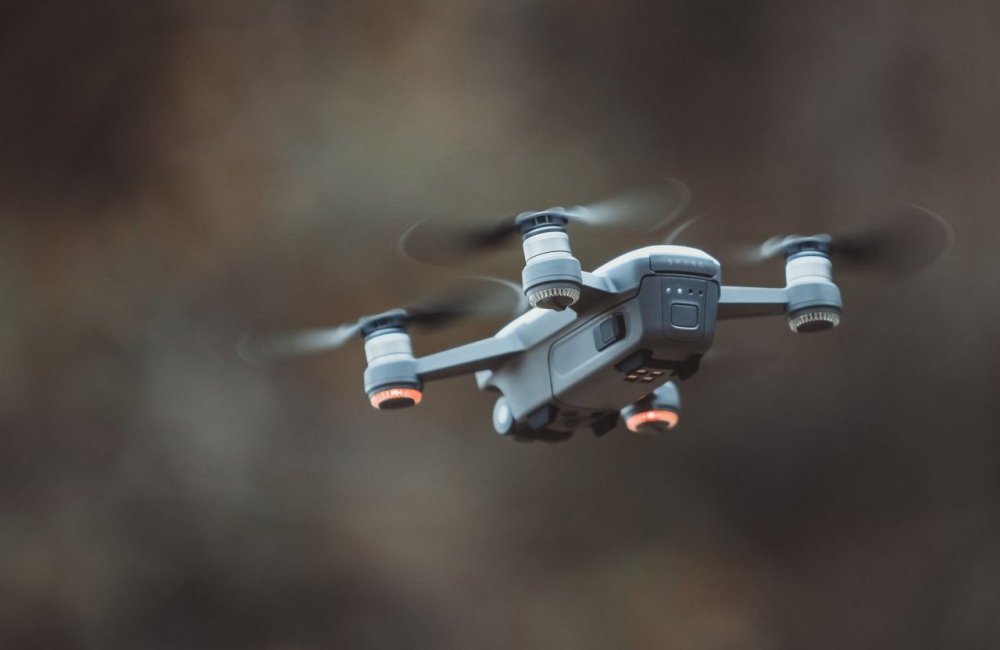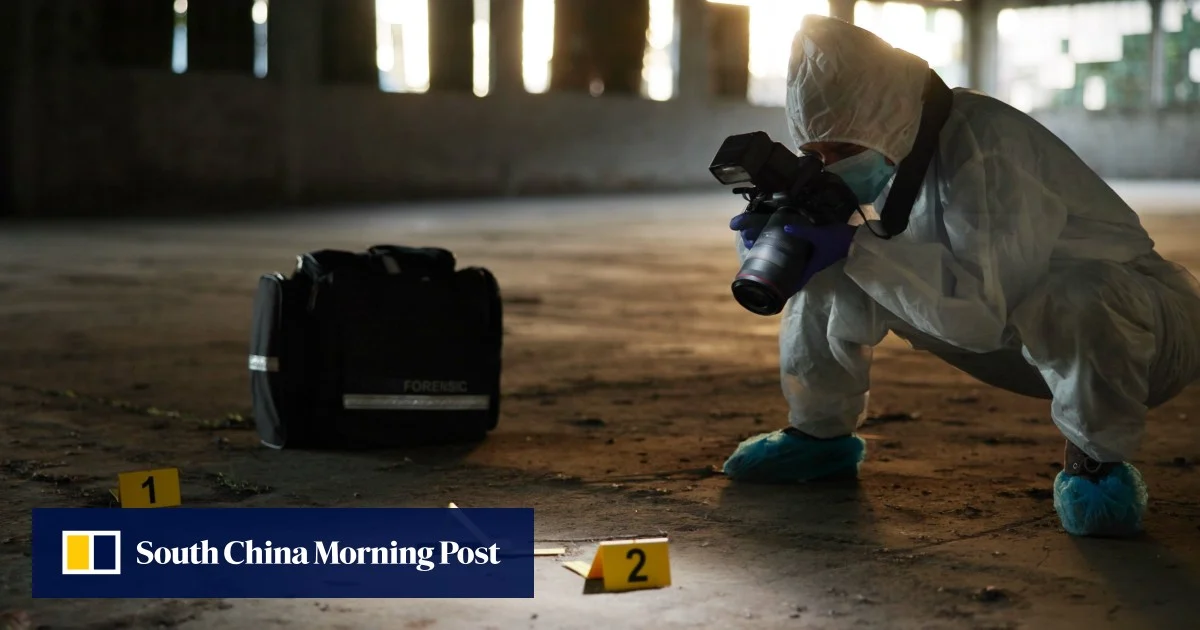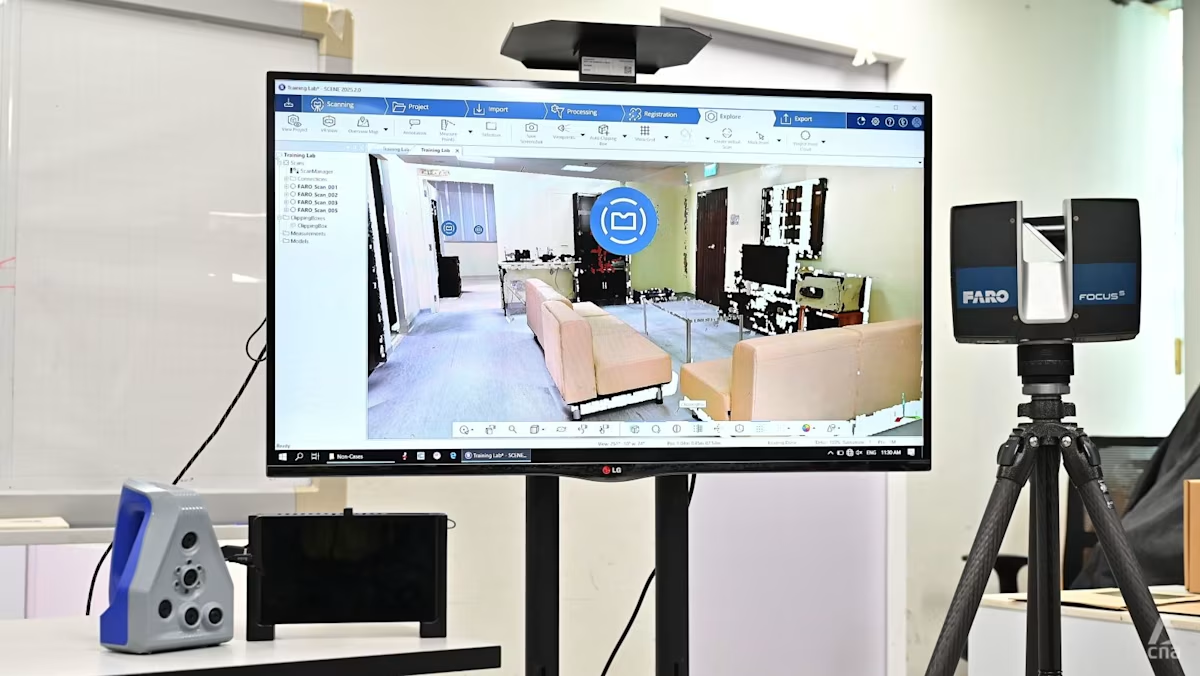
SINGAPORE: When a woman's body was found partly submerged in a deep, narrow drain at Tanah Merah Ferry Terminal, Deputy Superintendent of Police (DSP) Tan Boon Kok's priorities were clear: find out who the victim was and identify the suspect. His team started interviewing witnesses and establishing what happened. They found two possible crime scenes: the drain and a cleaner's room.Inside the room was a gruesome sight – blood splattered on walls and on objects near a makeshift bed, as well as a cardboard sheet on top of the bed.Some stains were smudged, as though someone had tried to wipe them away. Others were left untouched.DSP Tan's team took photo after photo, building a visual record of the scene. With these, they later sketched the crime scene to figure out what transpired.That was 10 years ago. Today, the process looks entirely different – a 3D scanner can capture the room in a few sweeps and generate a detailed model.DSP Tan drew these comparisons during an interview with the media on Monday (Jun 8). He was joined by senior crime scene specialist Toh Ah Hong, who was also part of the team that investigated the Tanah Merah murder case."Back in 2016, the scene was documented with photography and sketch plans, which were two-dimensional," said Mr Toh, who is from the Home Team Science and Technology Agency (HTX). He was deployed to the forensics division of the Singapore Police Force's (SPF) Criminal Investigation Department (CID)."With current 3D scanning technologies, we can produce a digital twin of the scene, which allows us to revisit the scene anytime to take additional measurements, for example."In fact, for this case, we revisited the scene several times to take further measurements – such as the distance from the cleaner's room to the drain where the body was found – which could have been augmented through 3D scans," he said.If the crime scene is large, drones flying up to nearly 60m high can capture high-resolution shots of the entire area and all the details."Forensic officers don't expect an unmanned aerial vehicle (UAV) deployment every day," said Mr Wong Jun Yan, who is also a senior crime scene specialist from HTX."(They) are purposefully deployed in cases where the crime scene is huge and photos by ground photographers won't be able to capture enough details in a single shot."
From sketch plans to 3D scans: How could new tech change the way Singapore police solved a murder case?
Ten years ago, police used sketches and photographs to reconstruct the crime scene in the Tanah Merah Ferry Terminal murder. But how could 3D scanners and drones have changed the way police solved the case?
2,220 words~10 min read