Story audio is generated using AI
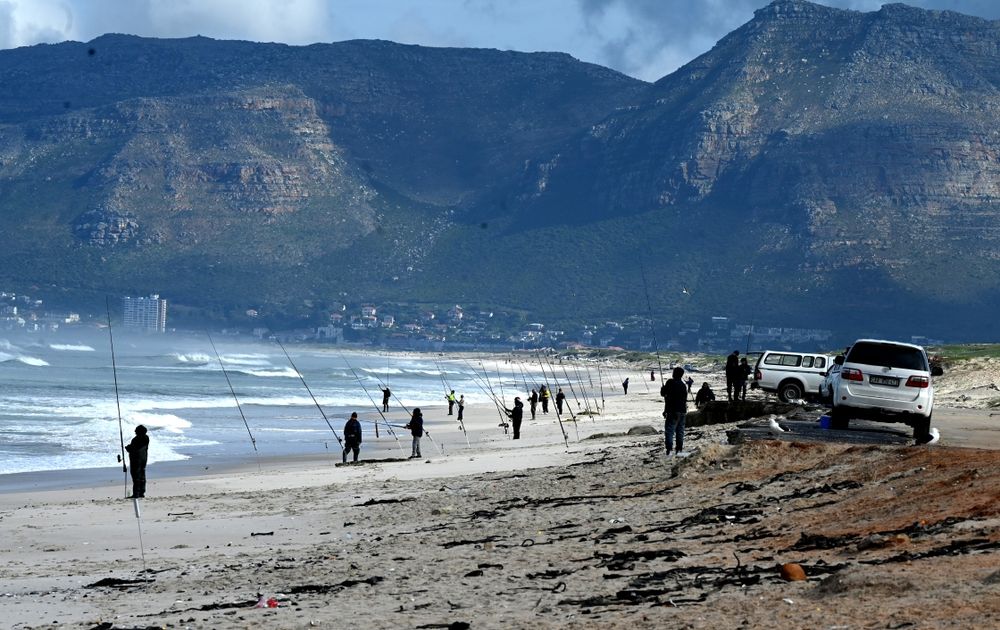
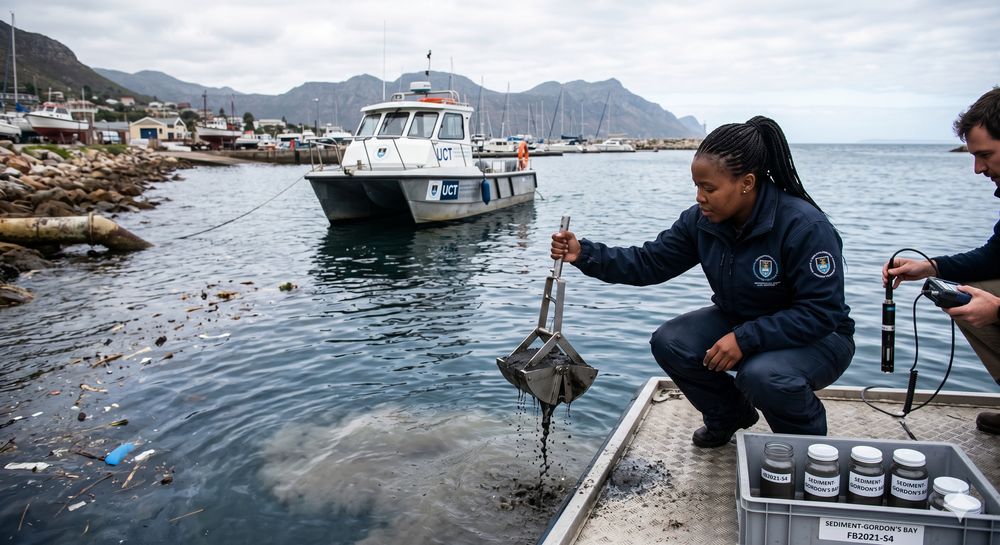
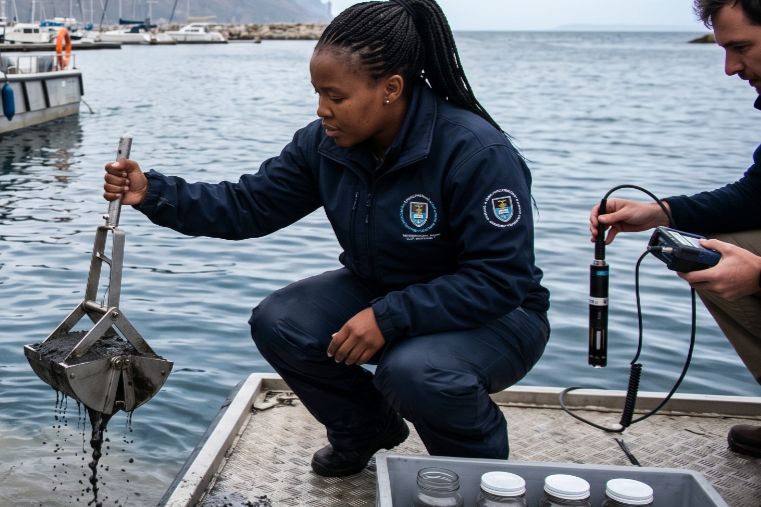
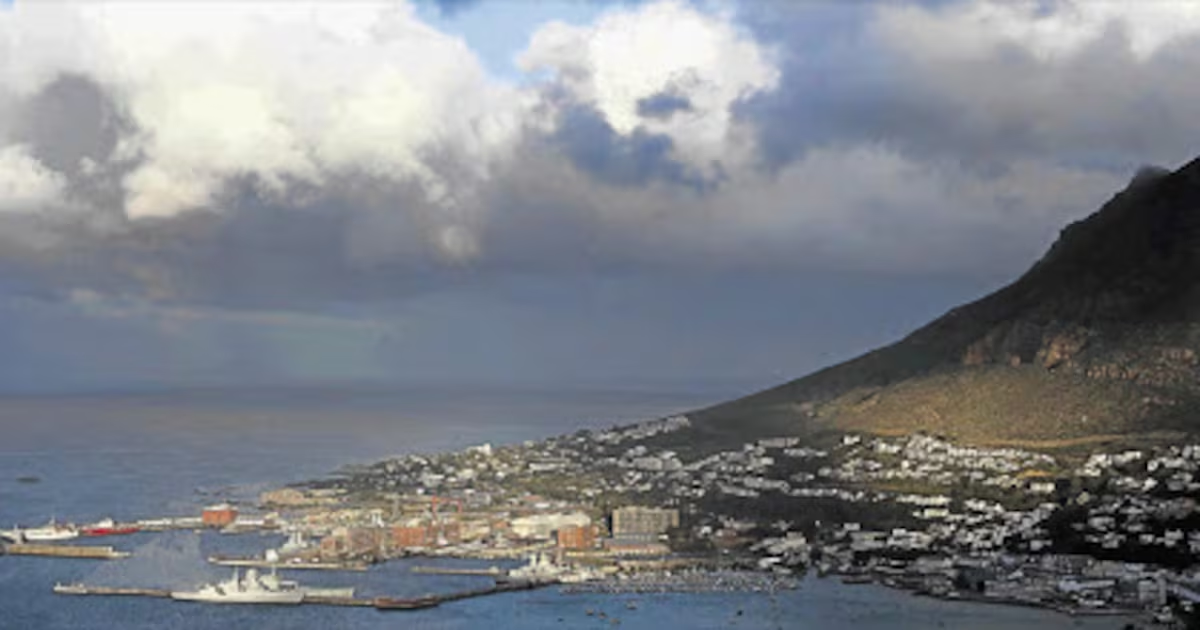
False Bay’s waters and the sand beneath them are carrying a mixture of painkillers, pesticides and metals, picked up from years of urban development, wastewater and harbour activity, according to a study led by the University of Cape Town (UCT).The study found a mix of pharmaceuticals, pesticides and metals across one of South Africa’s most important marine ecosystems, raising concerns about the long-term effects of pollution on the bay.The study, published in the journal Marine Pollution Bulletin, examined 19 sampling stations across the bay between April and June 2021, testing seawater and sediment for traces of pharmaceuticals, herbicides and metals, and then assessing whether any of these were harming the small creatures that live on the seafloor.Researchers found common medicines such as acetaminophen (paracetamol), carbamazepine and diclofenac in the water and sand along with the herbicides atrazine and metolachlor, which are typically used in farming.The study found contaminant levels were generally much higher in sediments than in seawater, suggesting the seabed acted as a long-term storage area for pollution entering the bay.“We found pharmaceuticals and herbicides are widespread throughout False Bay and sediments appear to retain these contaminants over extended periods,” said Dr Buyani Mazeka, the study’s lead researcher and a postdoctoral fellow in UCT’s department of biological sciences.Gordon’s Bay and MuizenbergThe highest levels of contamination in the seawater were picked up in the northeastern part of the bay, near Gordon’s Bay, while the sediment with the most pollutants was found near Muizenberg and along stretches of the northeastern coastline.Diclofenac, a common anti-inflammatory medicine, turned up more often than most other pharmaceuticals tested. Mazeka said its tendency to stick around in the environment, combined with it constantly entering the bay through wastewater, made it a contaminant worth keeping an eye on.The team also measured copper, iron, manganese, lead and zinc in the sediment. As with the pharmaceuticals, the metals were more concentrated in places shaped by urbanisation, wastewater discharge and harbour work. Sites close to Gordon’s Bay had particularly high readings for some metals, which the researchers linked to maritime activity, boat maintenance work and pollution coming from land.The researchers did not find clear evidence that the pollution is doing damage to marine life in the bay. Long-term risksEnvironmental risk assessments showed the risk levels measured stayed well below the thresholds international scientists use to flag a cause for concern, and the metal concentrations were generally below the levels known to cause harm to marine organisms. Equally importantly, the small animals living on and in the seafloor, known as benthic communities, were found to be diverse and healthy at the sites tested.The team examined larger bottom-dwelling animals and microscopic nematodes, which are commonly used to assess ecosystem health. Their analysis found no significant relationship between contaminant levels and the abundance, diversity or structure of these communities. “The concentrations measured during this study were generally insufficient to produce consistent changes in benthic community structure,” said Mazeka. However, the researchers warned the absence of immediate impacts does not mean the contaminants are harmless.“Pharmaceuticals can accumulate in sediments and may be transferred through marine food webs,” Mazeka said. Previous studies in False Bay have shown some pharmaceutical compounds can be absorbed by marine organisms including mussels, limpets, sea snails, sea urchins and starfish. “We therefore describe pharmaceutical residues as contaminants of emerging concern that warrant continued attention,” Mazeka said. African coastal pollutionThe study is believed to be the first field-based baseline assessment of its kind in Africa, and among the first in the Southern Hemisphere. Unlike many earlier studies that relied on laboratory experiments, the research examined real-world conditions in False Bay while measuring pharmaceuticals, herbicides and metals at the same time. False Bay supports rich biodiversity and plays an important role in fisheries, tourism and recreation, but it also receives wastewater, stormwater and river runoff from surrounding urban areas. The researchers called for long-term monitoring, broader contaminant screening and more detailed biological assessments to better understand the cumulative effects of pollution on the bay’s ecosystem. TimesLIVE