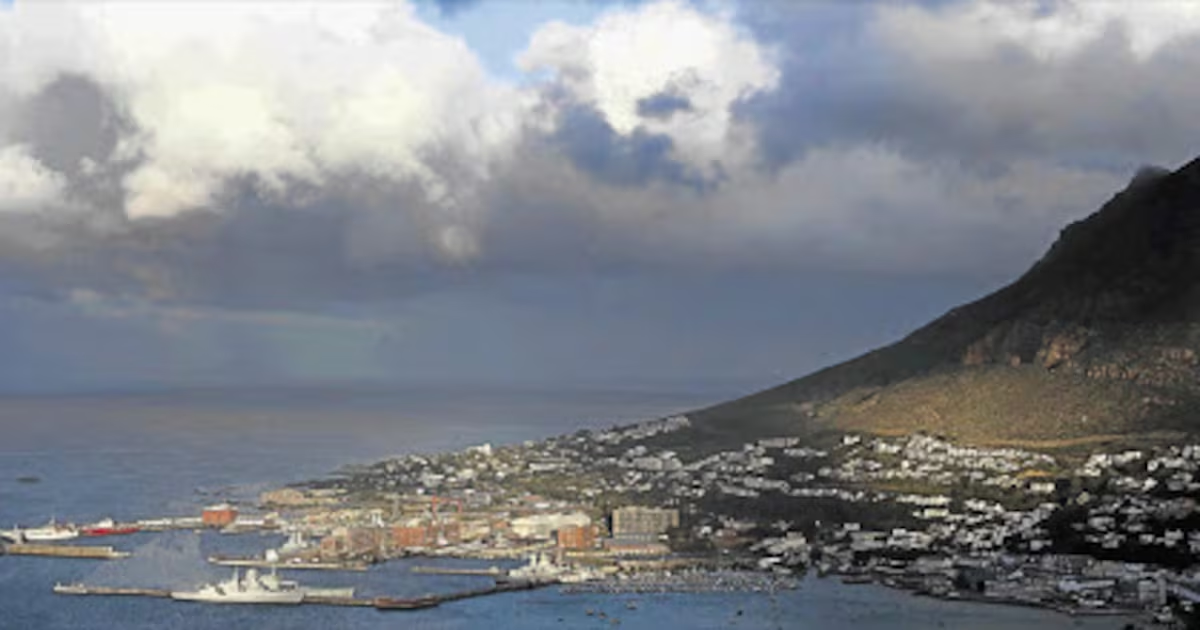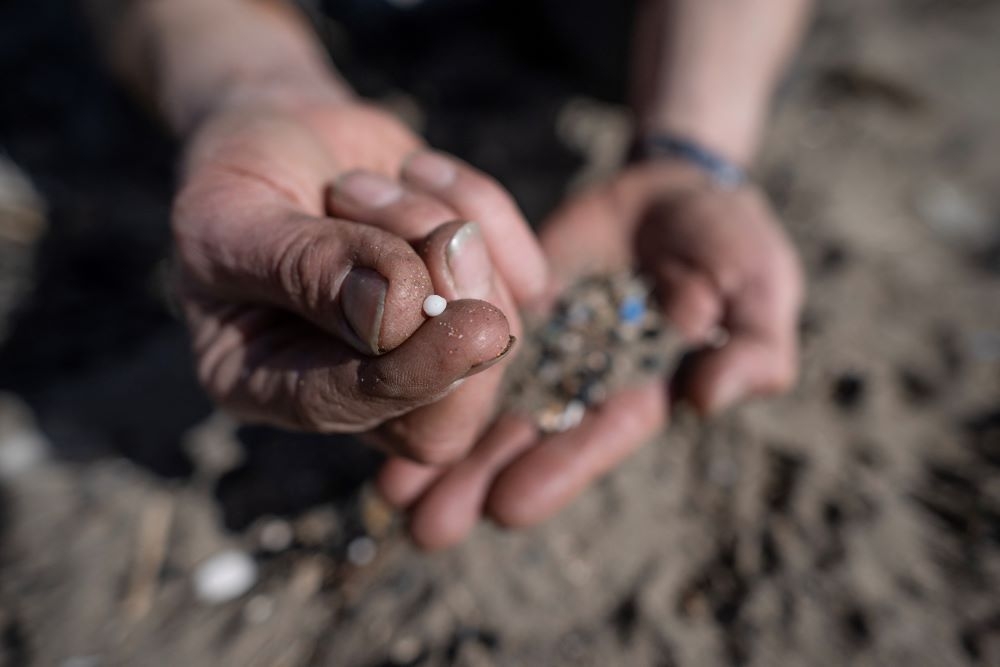
Cape Town’s coastal cocktail: Drugs, pesticides and heavy metals found in False Bay.
A new study has found that False Bay is quietly accumulating a mix of human pharmaceuticals, agricultural herbicides and heavy metals, effectively turning its seabed into a long-term store of Cape Town’s urban chemical footprint, Weekend Argus reported.
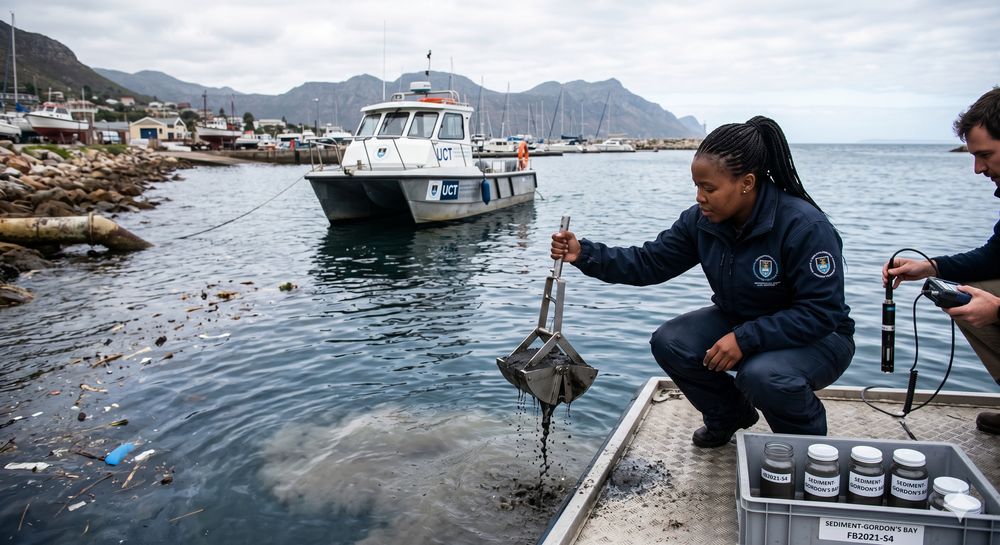
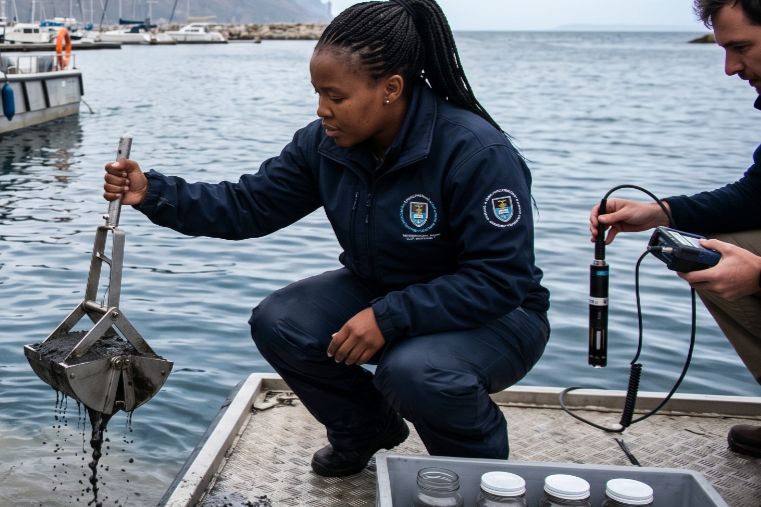
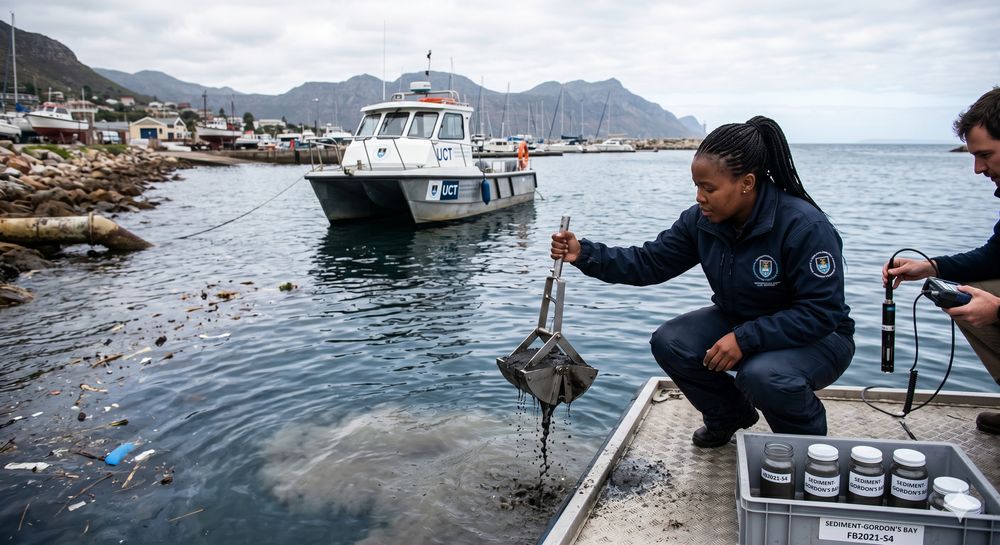
The research, led by scientists from the University of Cape Town (UCT) and published in Marine Pollution Bulletin, analysed 19 sampling sites across the bay. It identified a wide range of contaminants linked to everyday urban activity, including wastewater discharge, harbour operations and ongoing coastal development.
Among the substances detected were herbicides such as atrazine and metolachlor, as well as common pharmaceutical compounds including acetaminophen, carbamazepine and the anti-inflammatory drug diclofenac.
Researchers found that concentrations of many of these chemicals were significantly higher in sediment than in surrounding seawater, suggesting the seabed acts as a long-term sink for pollutants. Study lead author and UCT postdoctoral fellow Dr Buyani Mazeka said the sediment effectively functions like a “sponge”, trapping contaminants over time.