Cape Town’s coastal cocktail: Drugs, pesticides and heavy metals found in False Bay.
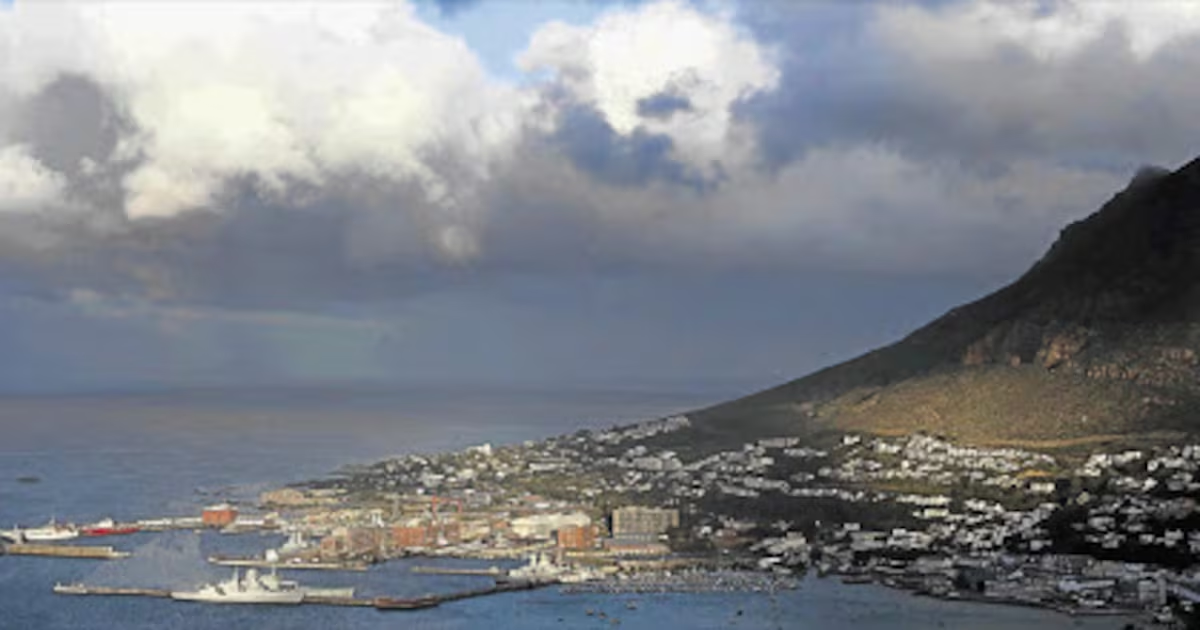
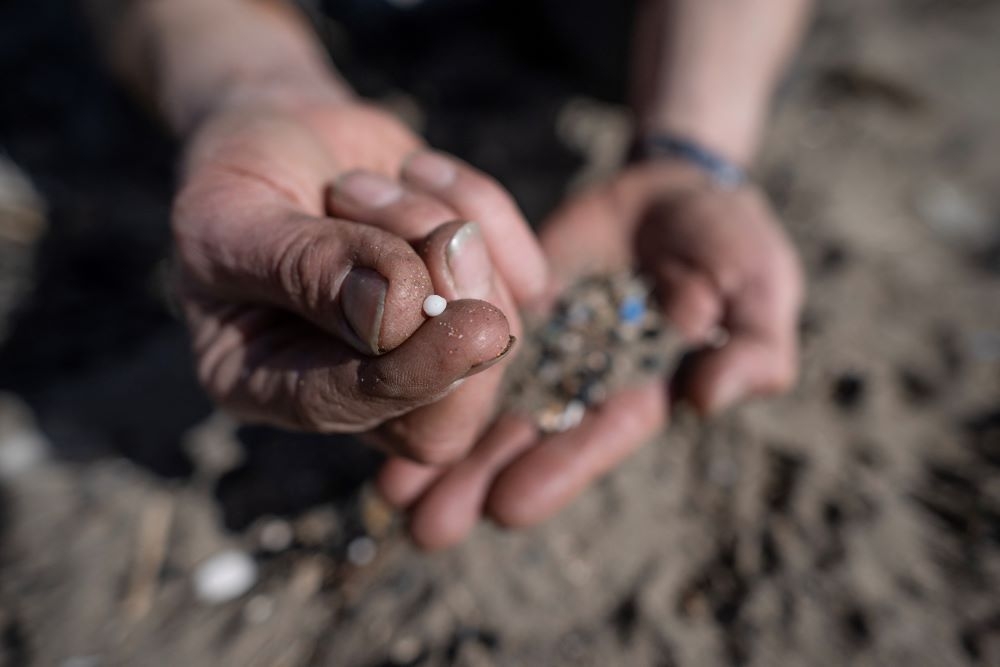
A potent cocktail of human pharmaceuticals, agricultural weedkillers and heavy metals is silently accumulating beneath the waves of False Bay, turning the seabed into a long-term reservoir for Cape Town’s urban waste.
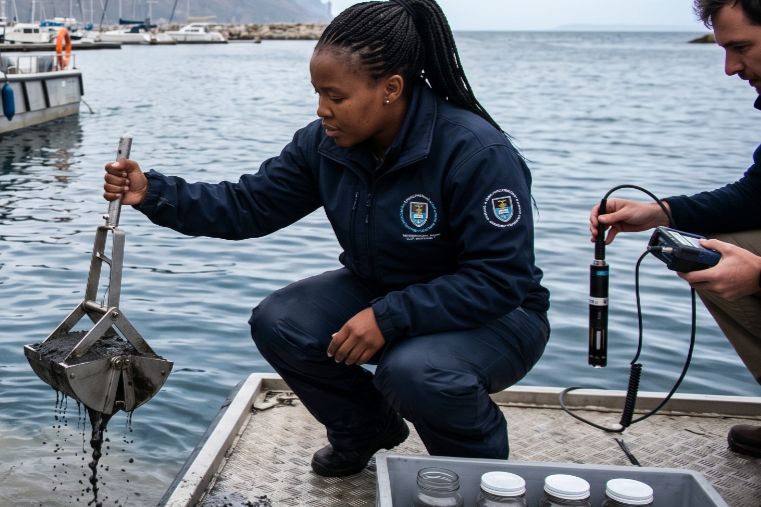
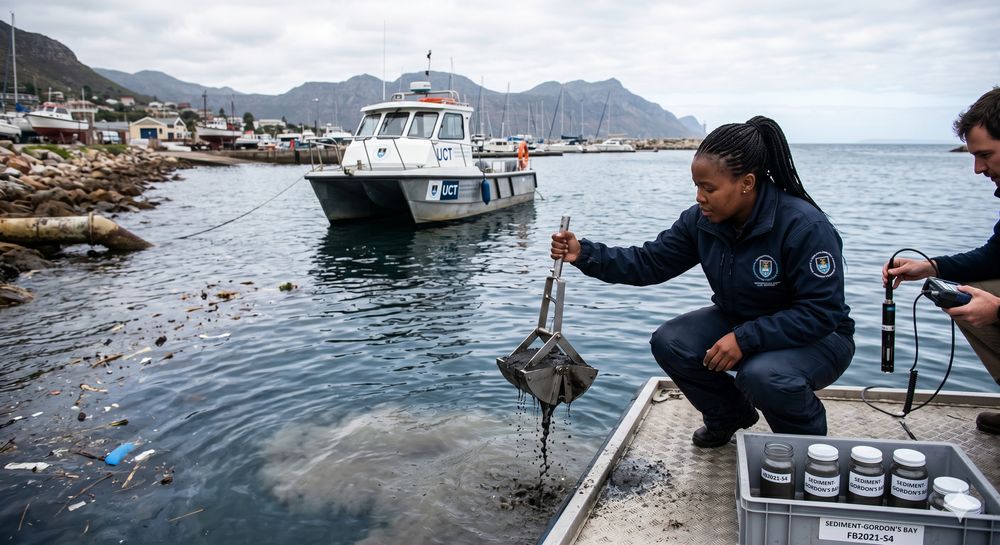
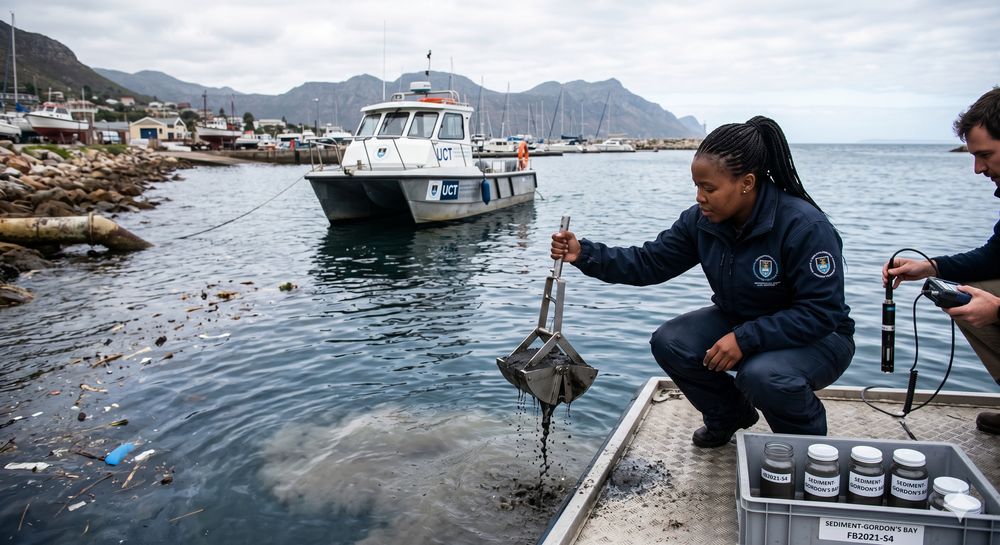
According to a pioneering new study led by researchers from the University of Cape Town (UCT), the bay's waters and sediments are laced with chemicals intrinsically linked to modern city life. Published in the Marine Pollution Bulletin, the research mapped 19 sampling stations across the bay, revealing a troubling environmental footprint driven by wastewater discharges, harbour activities and relentless coastal development.
The research team detected a startling array of everyday substances, including the herbicides atrazine and metolachlor, alongside common human medicines such as acetaminophen, carbamazepine and the widely used anti-inflammatory drug Diclofenac.
Crucially, the findings revealed that chemical concentrations are far higher in the ocean sediment than in the surrounding seawater. Dr Buyani Mazeka, the study’s lead researcher and a postdoctoral fellow at UCT’s Department of Biological Sciences, explained that the seafloor effectively acts as a giant sponge, trapping and retaining these widespread contaminants over extended periods.