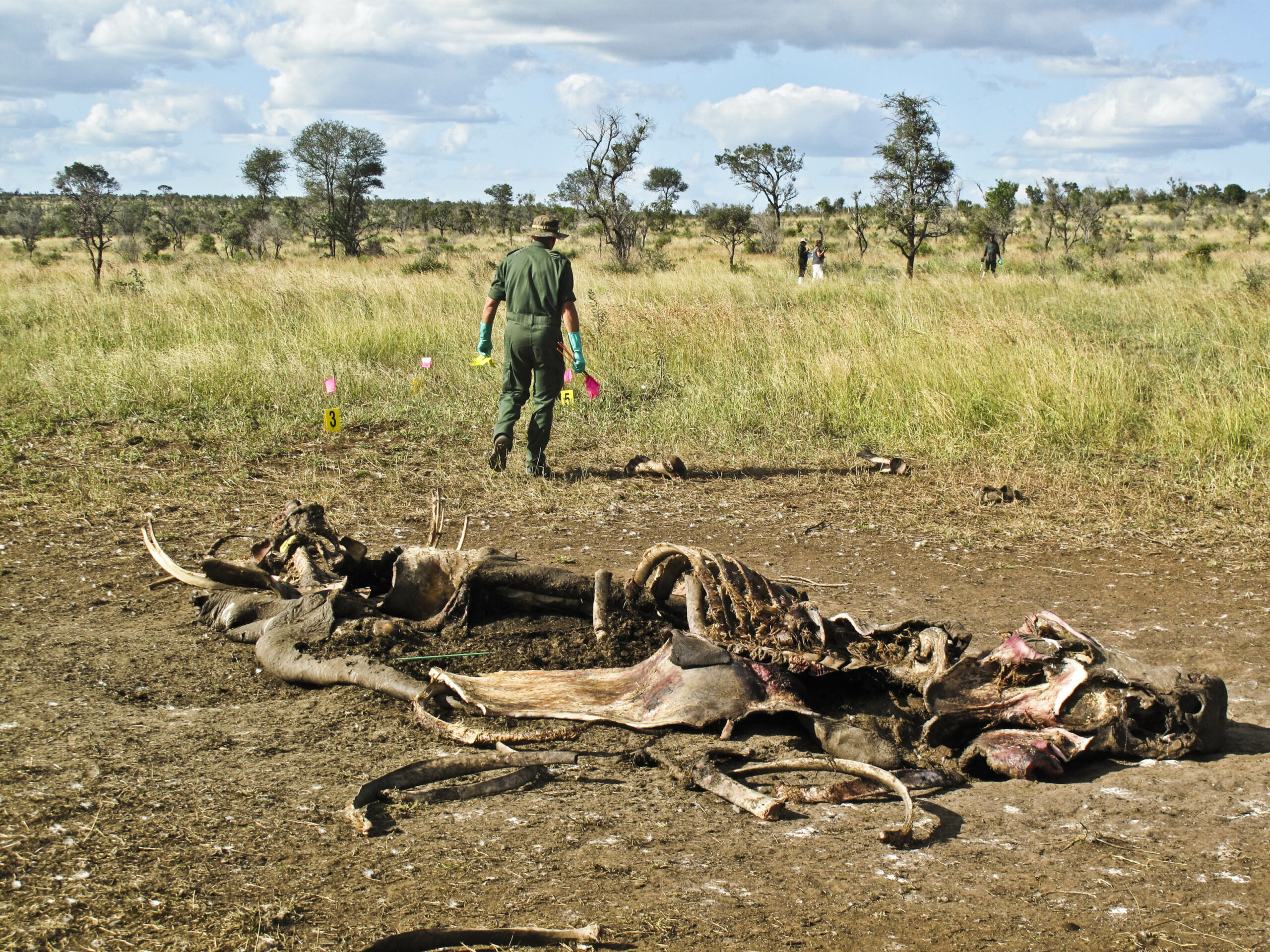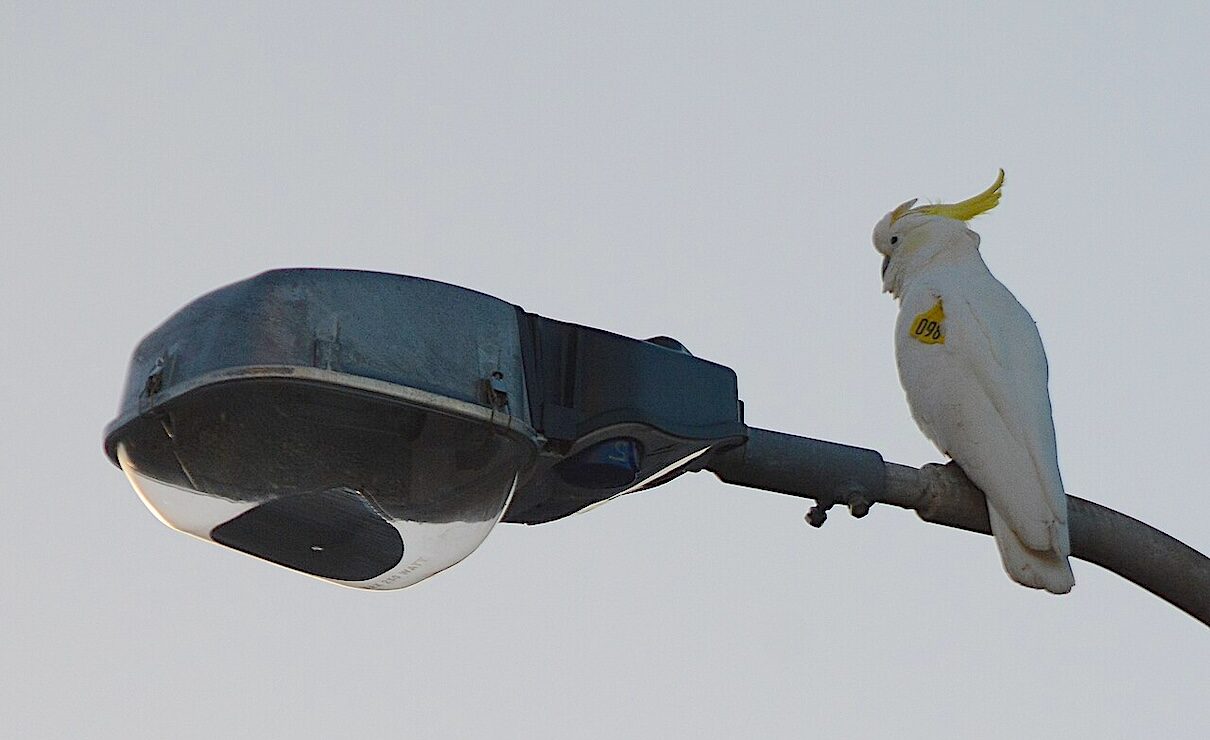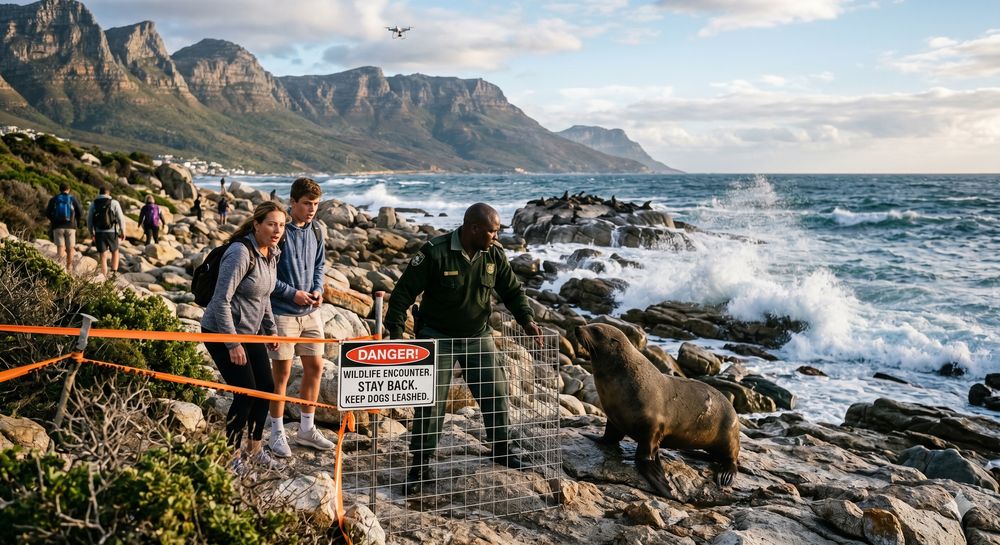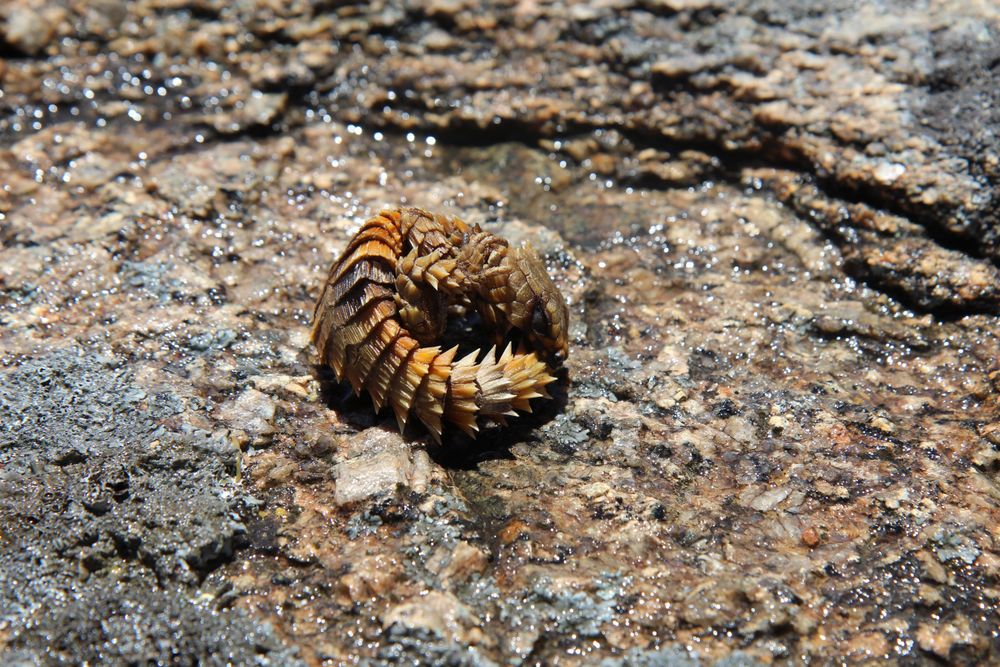
Our relationships with wildlife are dynamic. They can change rapidly and unexpectedly.
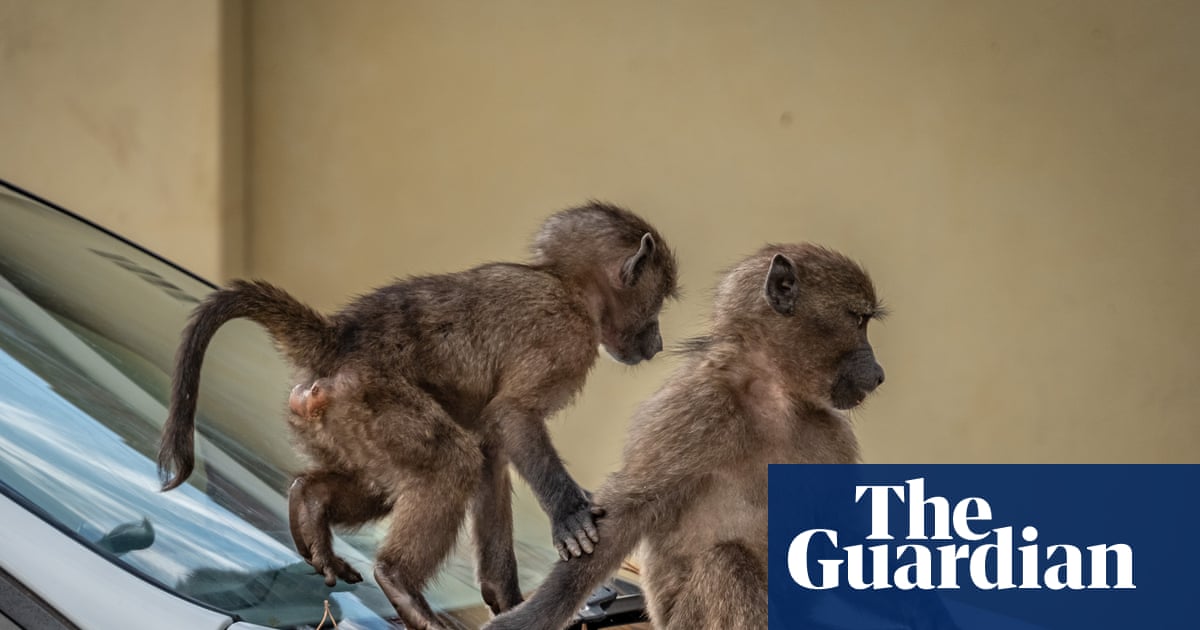
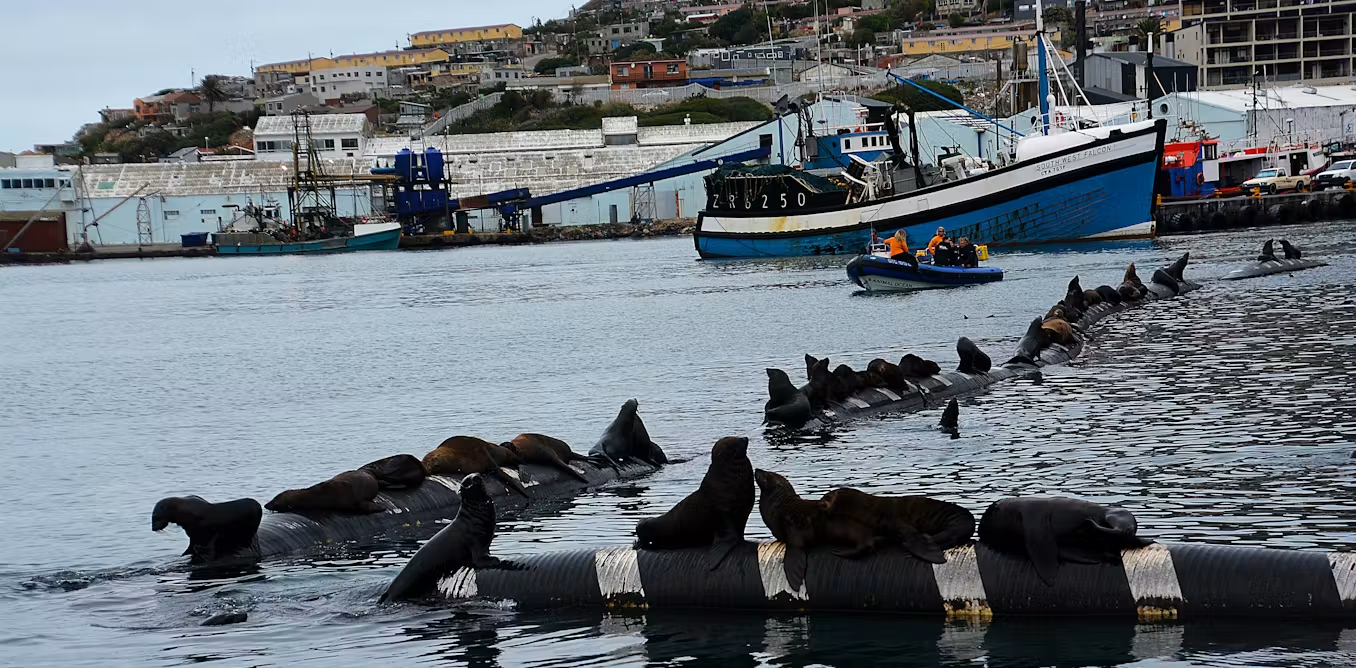
In South Africa, these changes are visible in tourists searching kelp forests in Cape Town for octopuses and communities contesting baboon management in suburbs. Similar changes are playing out worldwide as people and wildlife increasingly share space and as wildlife communities, human practices, rules, values and perspectives shift, changing how people relate to wildlife.
À lire aussi :
Managing conflict between baboons and people: what’s worked – and what hasn’t
For much of modern conservation history, wildlife was managed as something separate from society: wildlife needed protection from people, or people needed protection from wildlife. Since the 1990s, this approach has taken a new direction. In many parts of the world, understanding how and why relationships between people and wildlife change is helping to inform more effective approaches to coexistence.