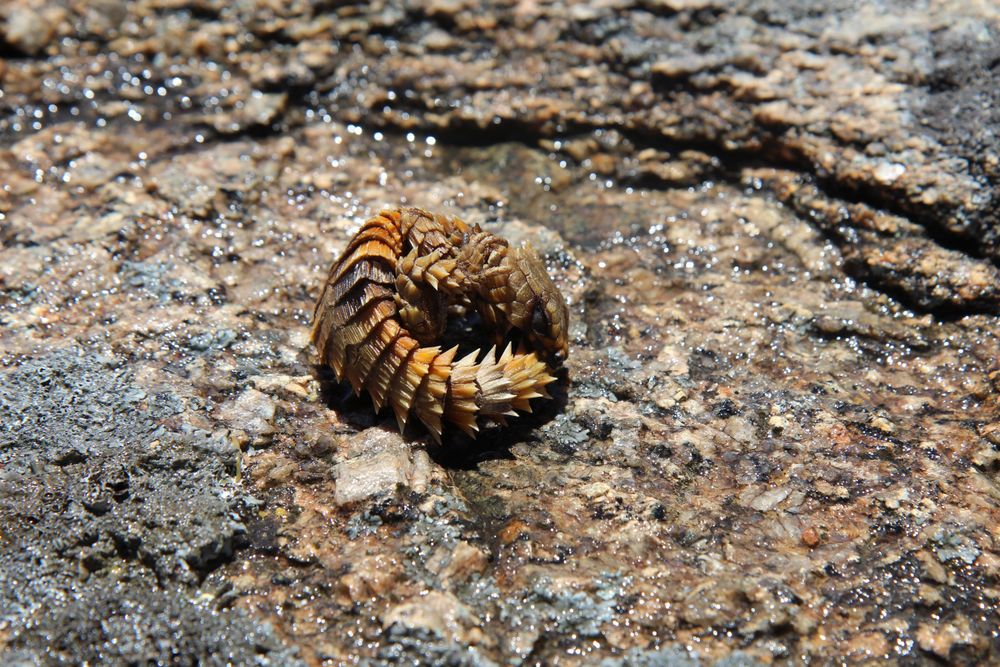
Example of Armadillo girdled lizard.
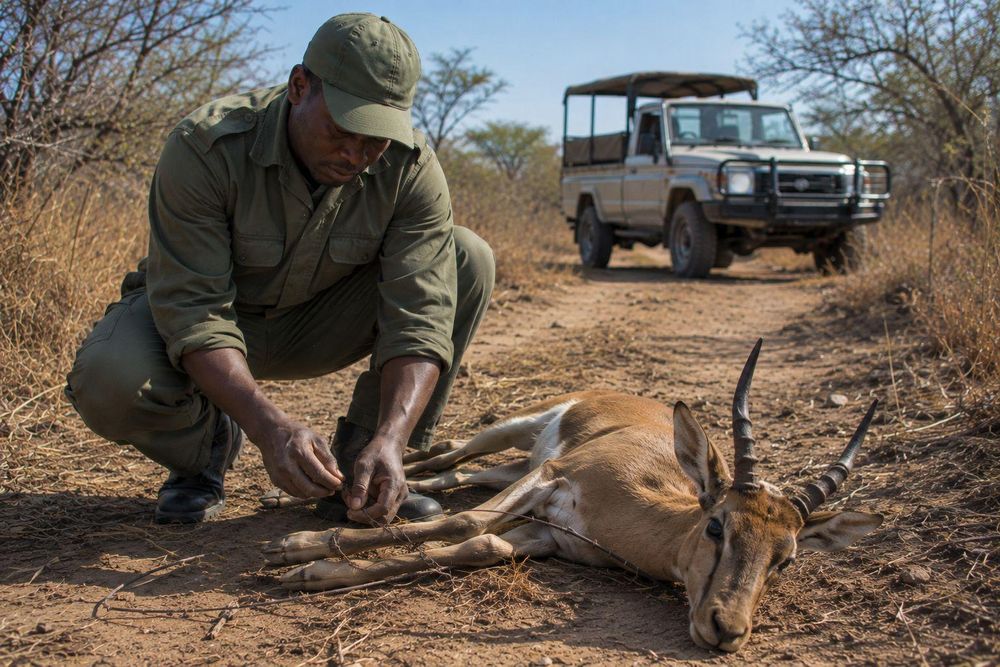
Biodiversity crime is routinely depicted as the dark domain of armed poachers and organised syndicates. Yet, behind the headline-grabbing wildlife trafficking operations, an equally insidious threat is quietly devastating the fragile ecosystems of the Western Cape: the careless, everyday actions of ordinary visitors.
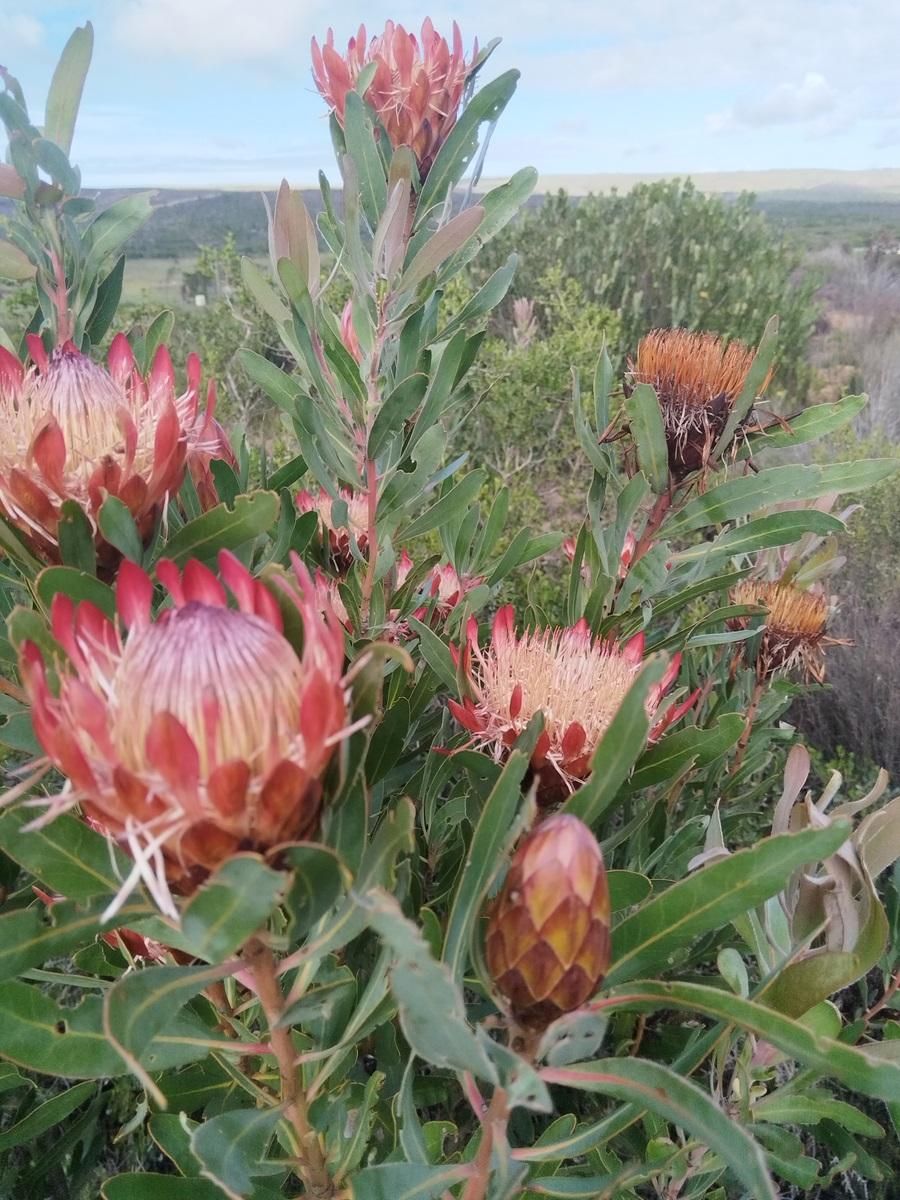
By entering nature reserves without valid permits, angling without licenses, straying off designated hiking trails, or picking wildflowers and collecting shells as innocent souvenirs, tourists are inflicting cumulative damage on one of the planet’s most sensitive natural hotspots.
The stark reality was recently laid bare by Dr Ashley Naidoo, Chief Executive Officer of CapeNature, who issued a stern reminder to the public: “Nature is not a souvenir to be taken home, a shortcut to be explored off-trail, or a playground without rules. The Western Cape’s biodiversity depends on the responsibility of all who visit Protected Areas.”
Dr Naidoo highlighted that whilst individual infractions might seem minor when taken in isolation, their aggregated impact is devastating.