AI SLOP:
Experts warned that an increase in enhanced photos on birding platforms create fake sightings, threatening the credibility of a tool used by scientists
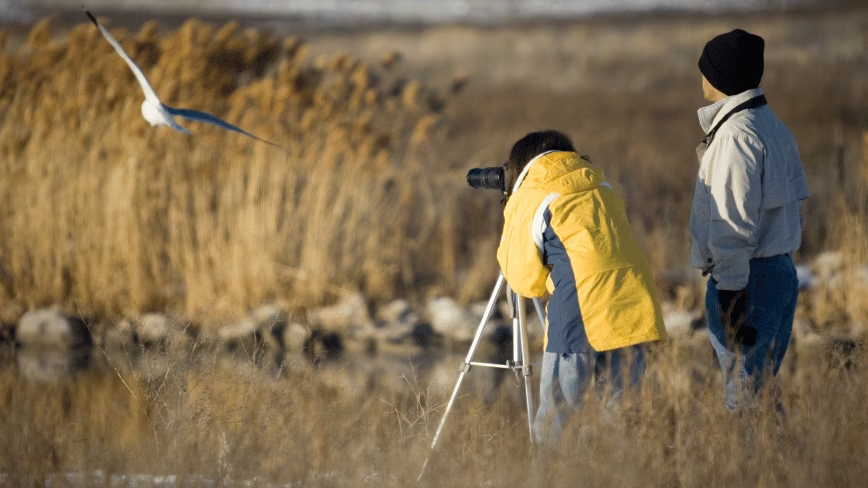
For many birdwatchers, recording a species outside its normal range is the holy grail. In the UK, the discoveries often make national headlines. The western reef heron, for example, usually found in Africa and southern Europe, was spotted in a seaside town in north Wales last month, and widely celebrated on birding forums.However, a new scourge is threatening to disrupt the fun: artificial intelligence (AI) slop.Scientists are appealing to birders to limit their use of AI when editing images over fears that it could undermine the credibility of popular citizen science platforms such as iNaturalist and Macaulay Library, which are routinely used in scientific research to monitor species’ habitat range.
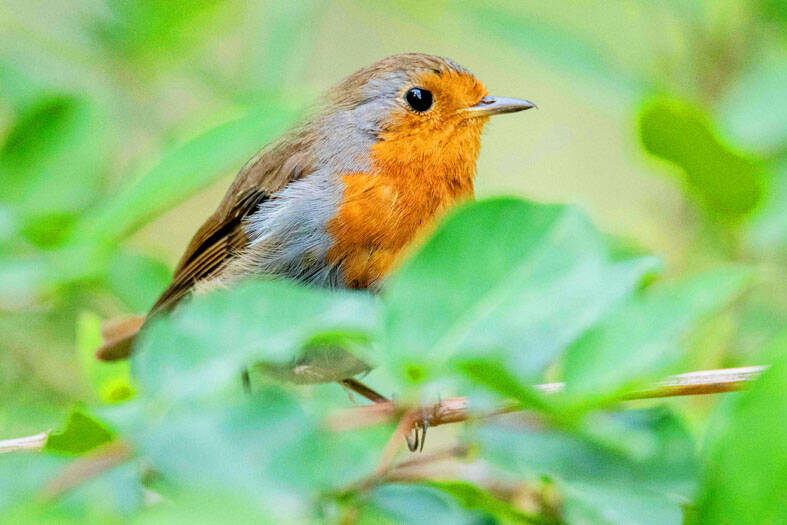
A wild European robin, a passerine bird, is pictured at the Vincennes Woods in Paris on Sunday.
The rise of generative AI platforms such as ChatGPT and Google Gemini has led to a sharp increase in fake and enhanced images of rare and celebrated birds across wildlife photography forums. Users can create high-quality fake images in seconds — or enhance a photograph by asking the AI to remove a branch or leaf that might be obscuring part of the subject, which can inadvertently introduce significant changes.In a recent commentary in the science journal Nature, researchers warned that hundreds of fake images have already been discovered on popular databases for recording species. They said that the true scale of the issue is unknown — as many could go undetected — and could contaminate records collected by the public.