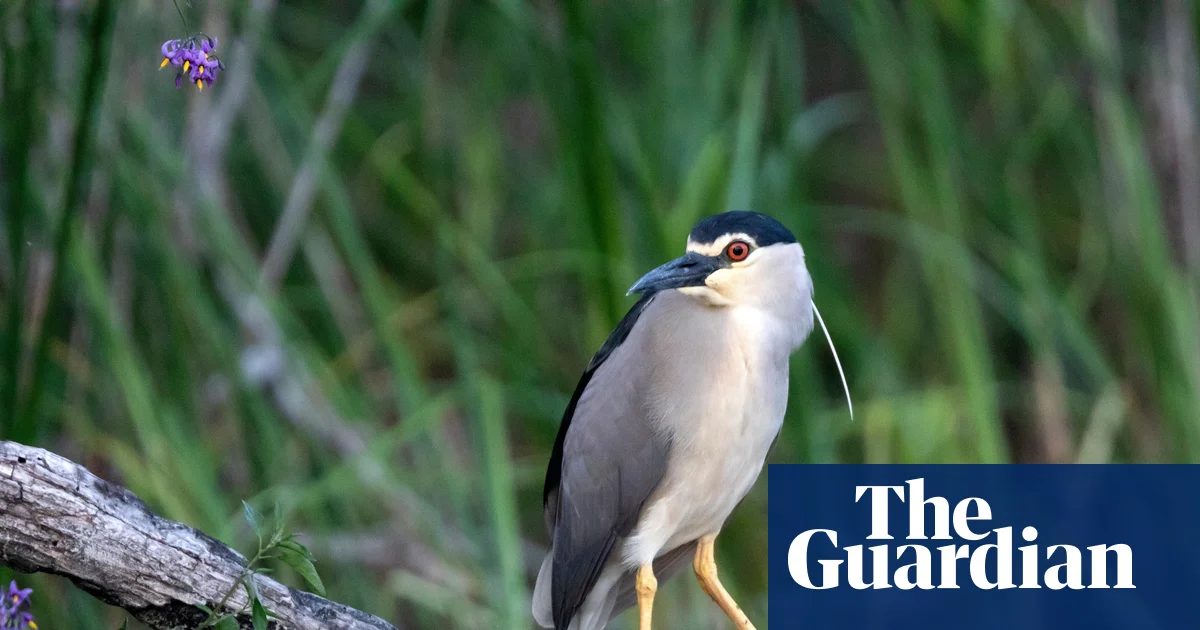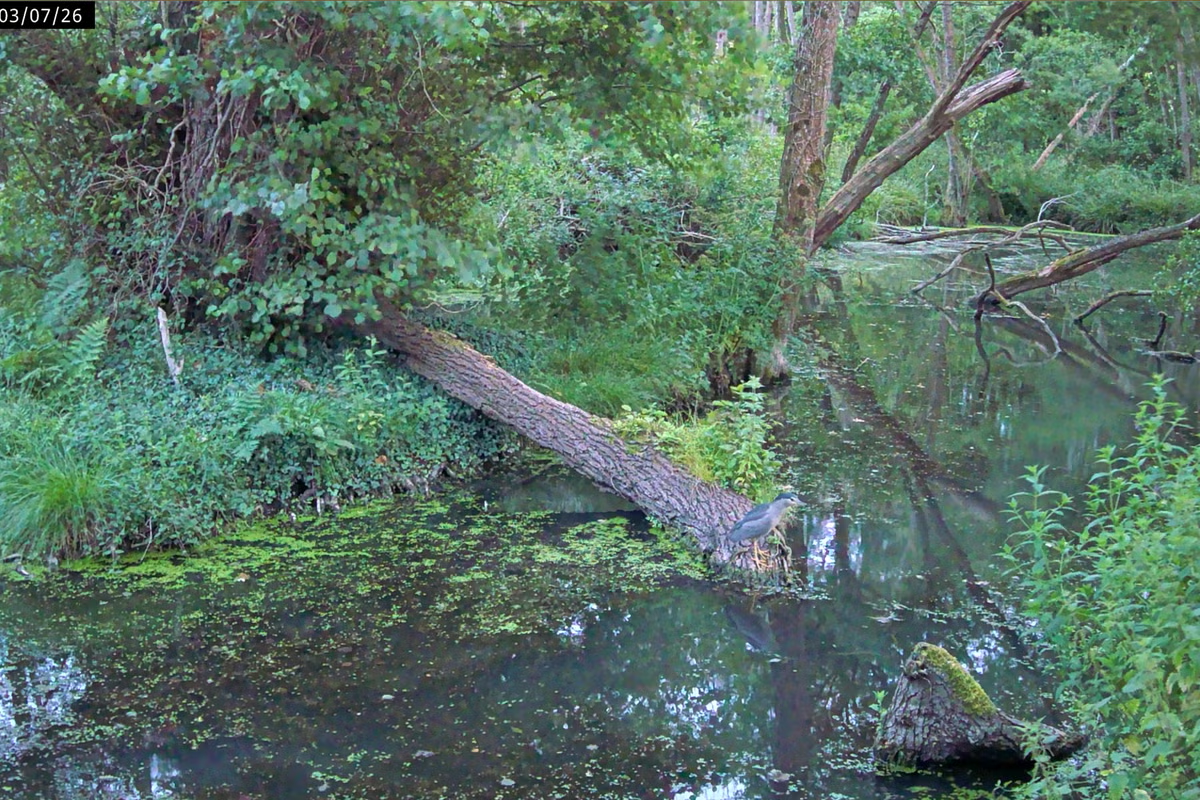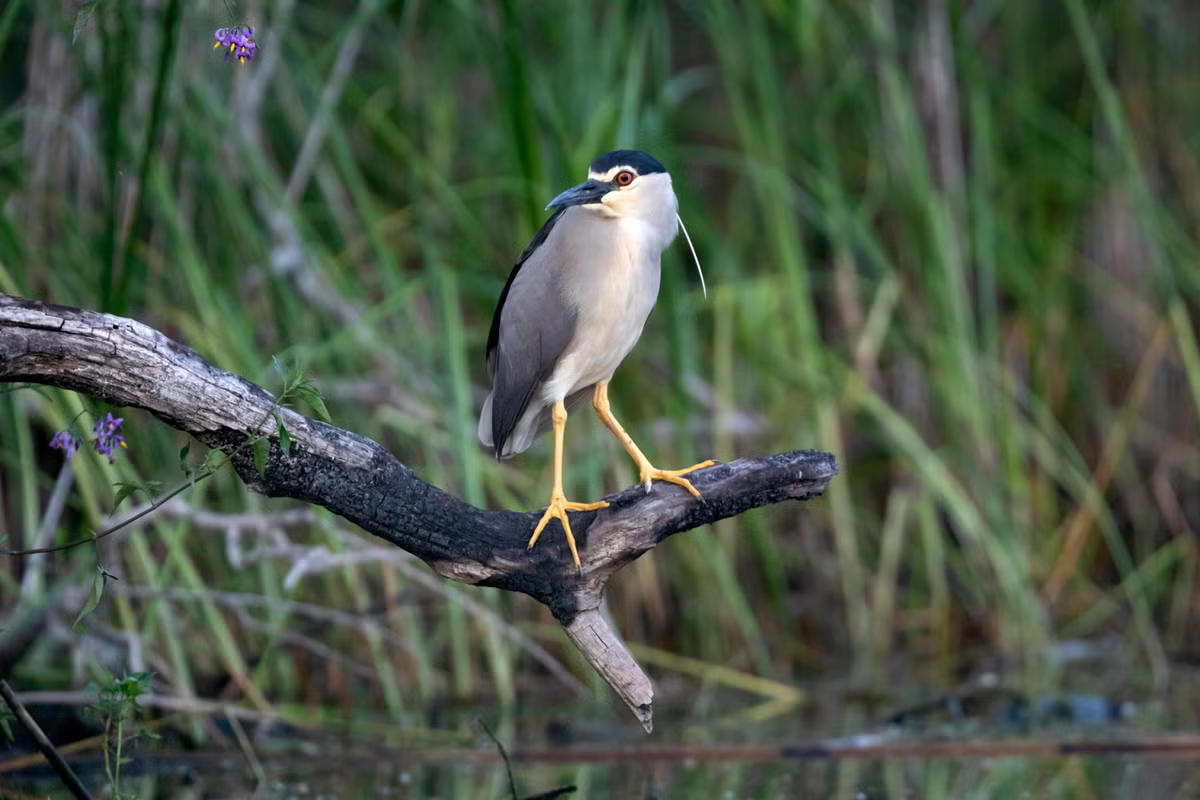
Jump to contentThank you for registeringPlease refresh the page or navigate to another page on the site to be automatically logged inPlease refresh your browser to be logged inAllNewsSportCultureLifestyleA scarce black-crowned night heron rarely seen in the UK has been spotted in Somerset, conservationists have revealed. (PA)A black-crowned night heron, a species rarely observed in the UK, has been sighted in Somerset. The adaptable bird was first confirmed breeding in the UK in Somerset in 2017 and has now been captured on camera at the National Trust’s Holnicote Estate. Recognisable by its grey plumage, yellow legs, and black “cap”, the nocturnal heron typically grows up to 66cm, making it challenging for observers to spot. Conservationists highlight the sighting's importance for wetland restoration, as the UK has lost over 97 per cent of its wetlands, with efforts at Holnicote aiming to create resilient landscapes. The wetland charity WWT predicts the night heron may become an established UK breeder due to climate change, with the sighting captured by National Trust wildlife cameras, which also recently filmed a beaver sneezing. In fullRare heron spotted on camera at Somerset National Trust siteMore bulletinsThank you for registeringPlease refresh the page or navigate to another page on the site to be automatically logged inPlease refresh your browser to be logged in
Rare heron rarely seen in the UK spotted in Somerset
Jump to contentThank you for registeringPlease refresh the page or navigate to another page on the site to be automatically logged inPlease refresh your browser to be logged inAllNewsSportCultureLifestyleA scarce black-crowned night heron rarely seen in the UK has been spotted in Somerset, conservationists have revealed. (PA)A black-crowned night heron, a species rarely observed in the UK, has been sighted in Somerset. The adaptable bird was first confirmed breeding in the UK in Somerset in 2017 and has now been captured on camera at the National Trust’s Holnicote Estate. Recognisable by its grey plumage, yellow legs, and black “cap”, the nocturnal heron typically grows up to 66cm, making it challenging for observers to spot. Conservationists highlight the sighting's importance for wetland restoration, as the UK has lost over 97 per cent of its wetlands, with efforts at Holnicote aiming to create resilient landscapes. The wetland charity WWT predicts the night heron may become an established UK breeder due to climate change, with the sighting captured by National Trust wildlife cameras, which also recently filmed a beaver sneezing. In fullRare heron spotted on camera at Somerset National Trust siteMore bulletinsThank you for registeringPlease refresh the page or navigate to another page on the site to be automatically logged inPlease refresh your browser to be logged in