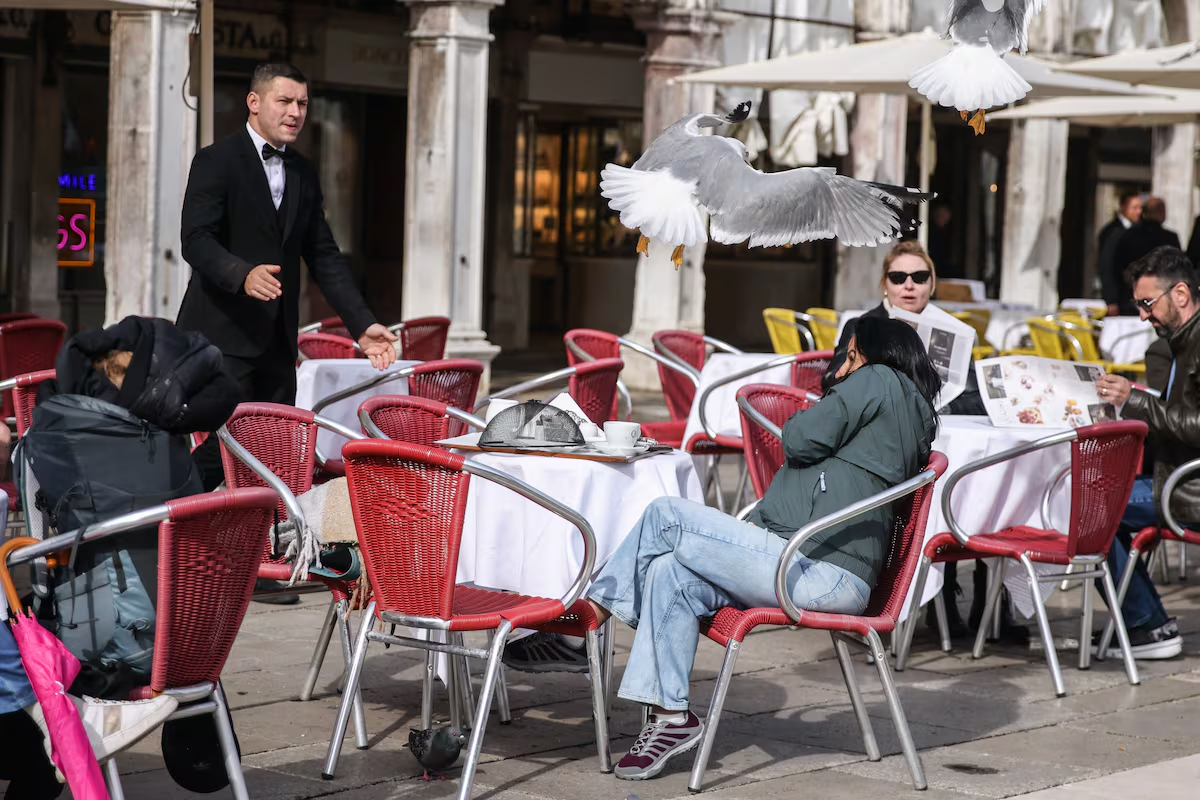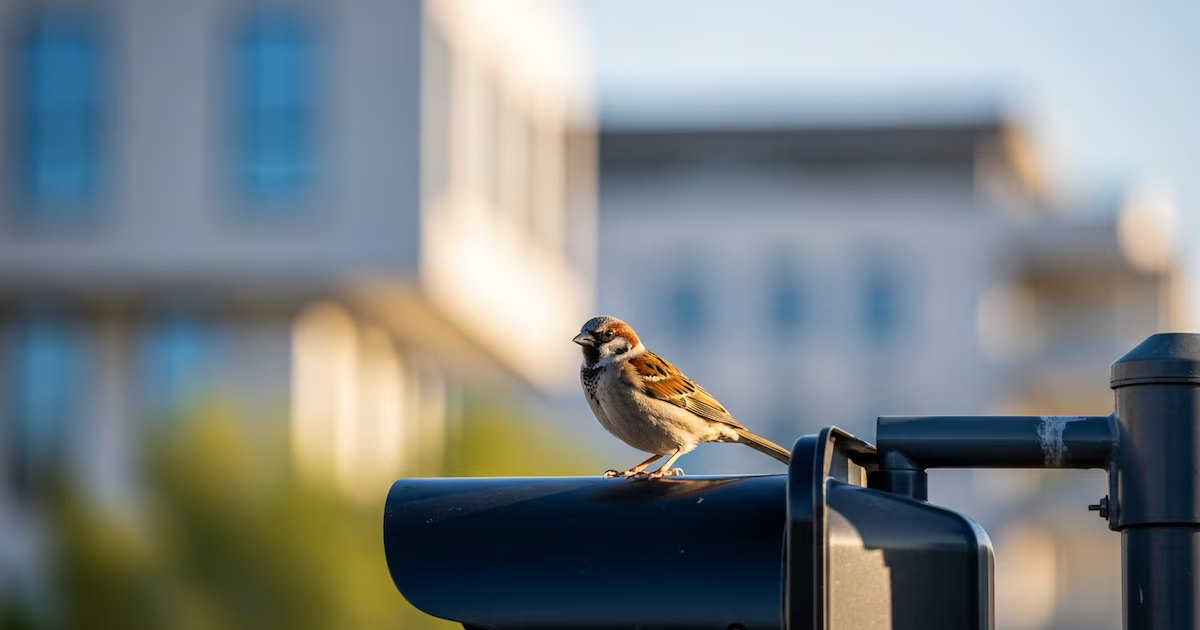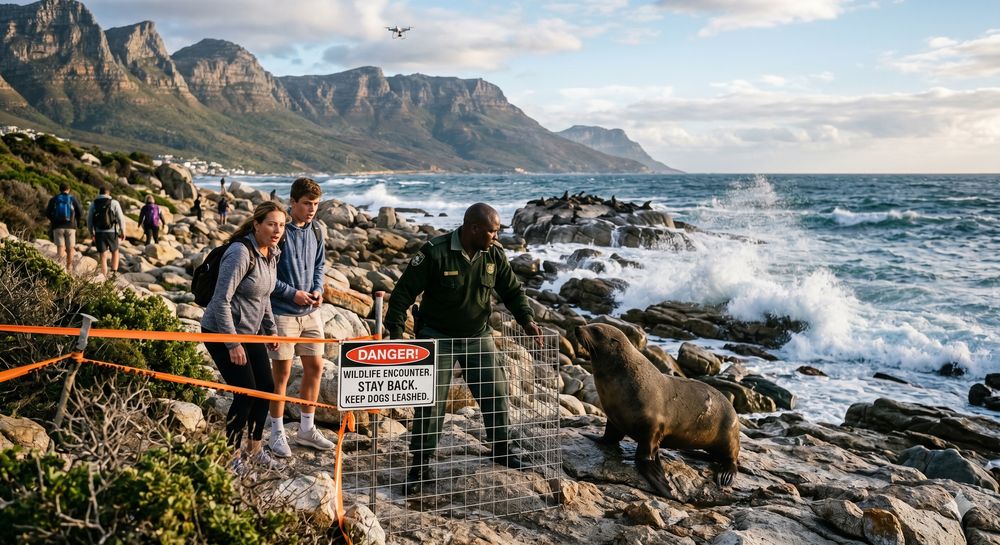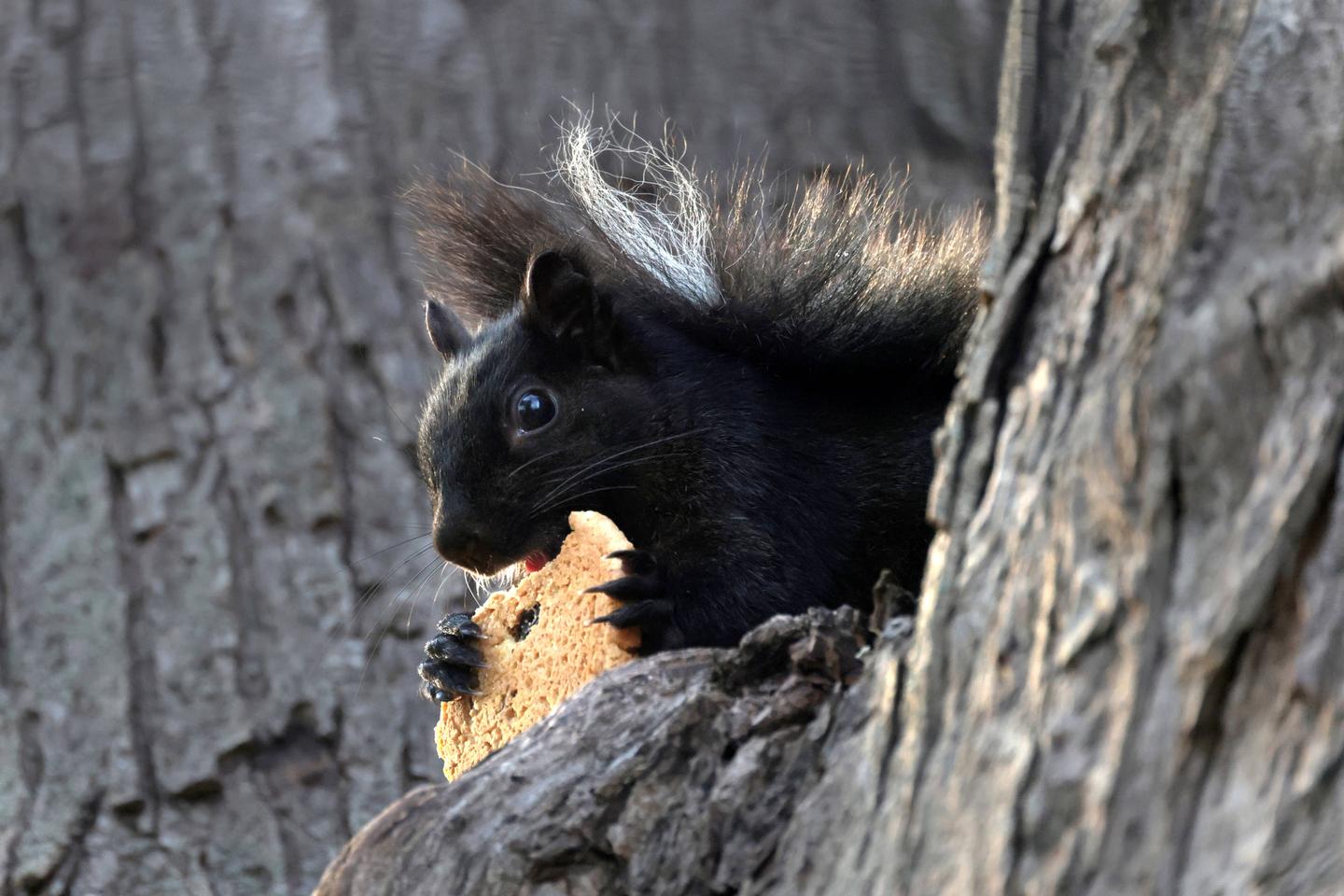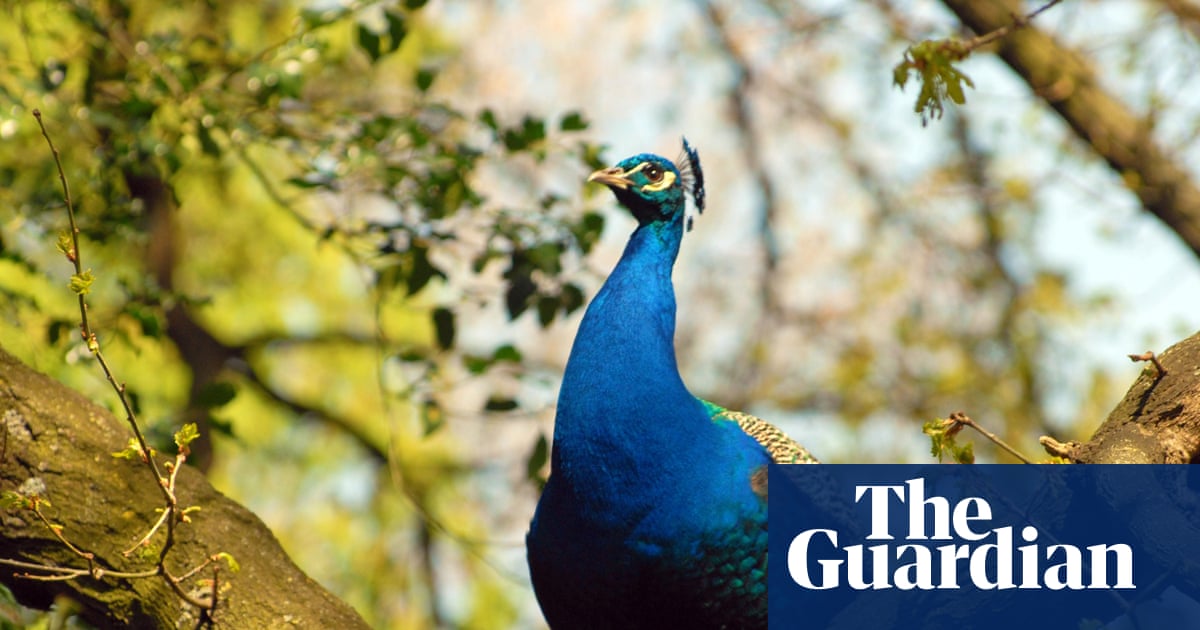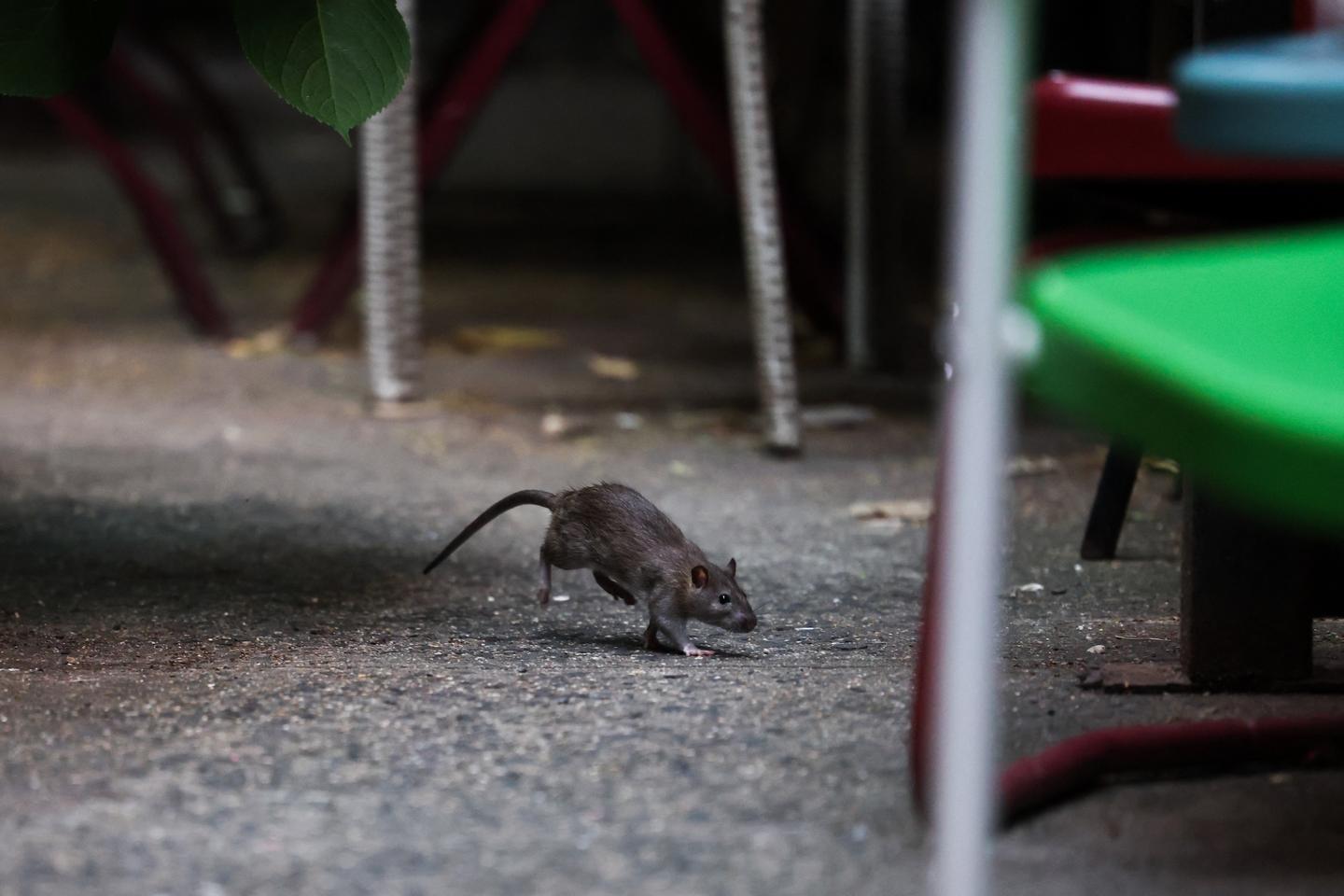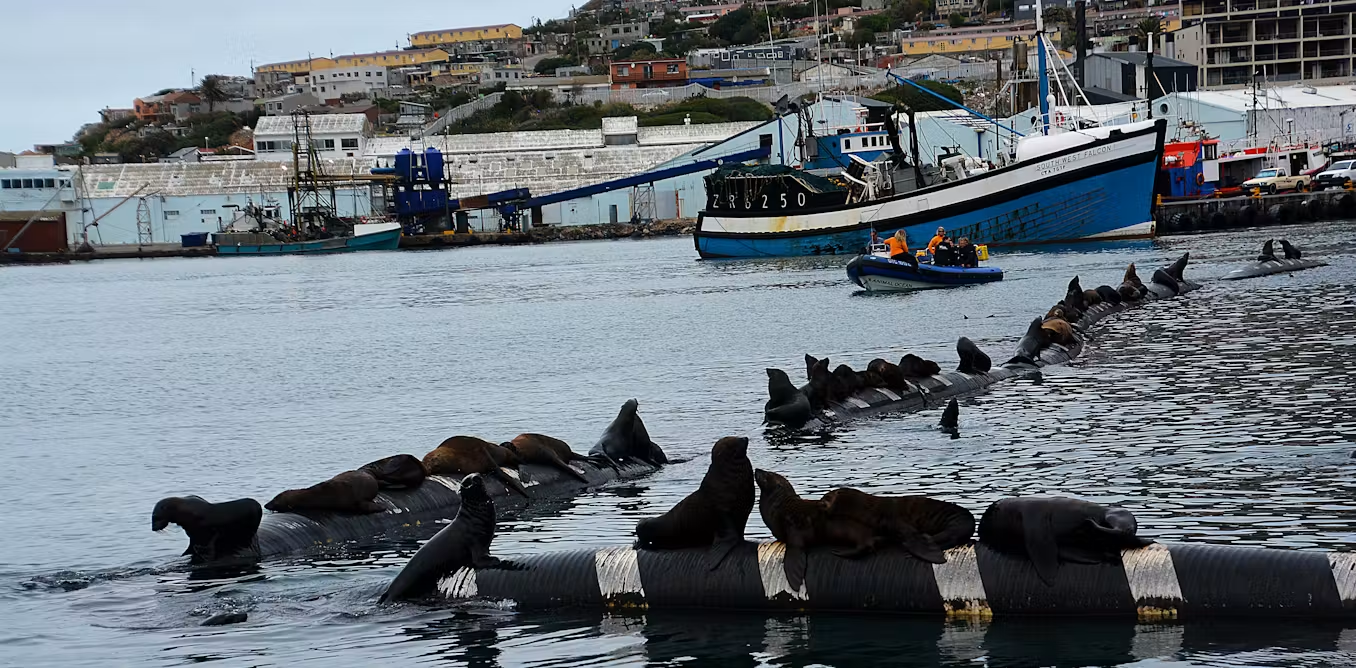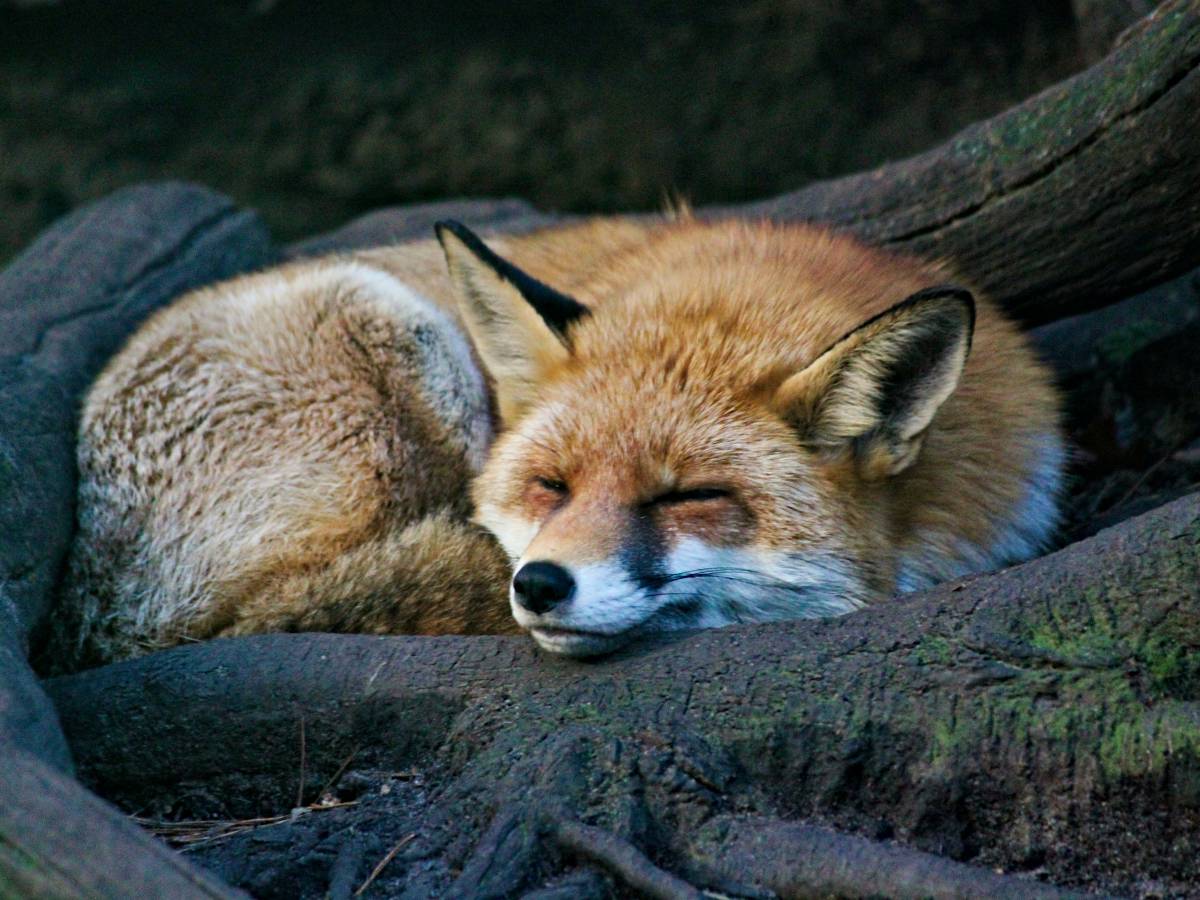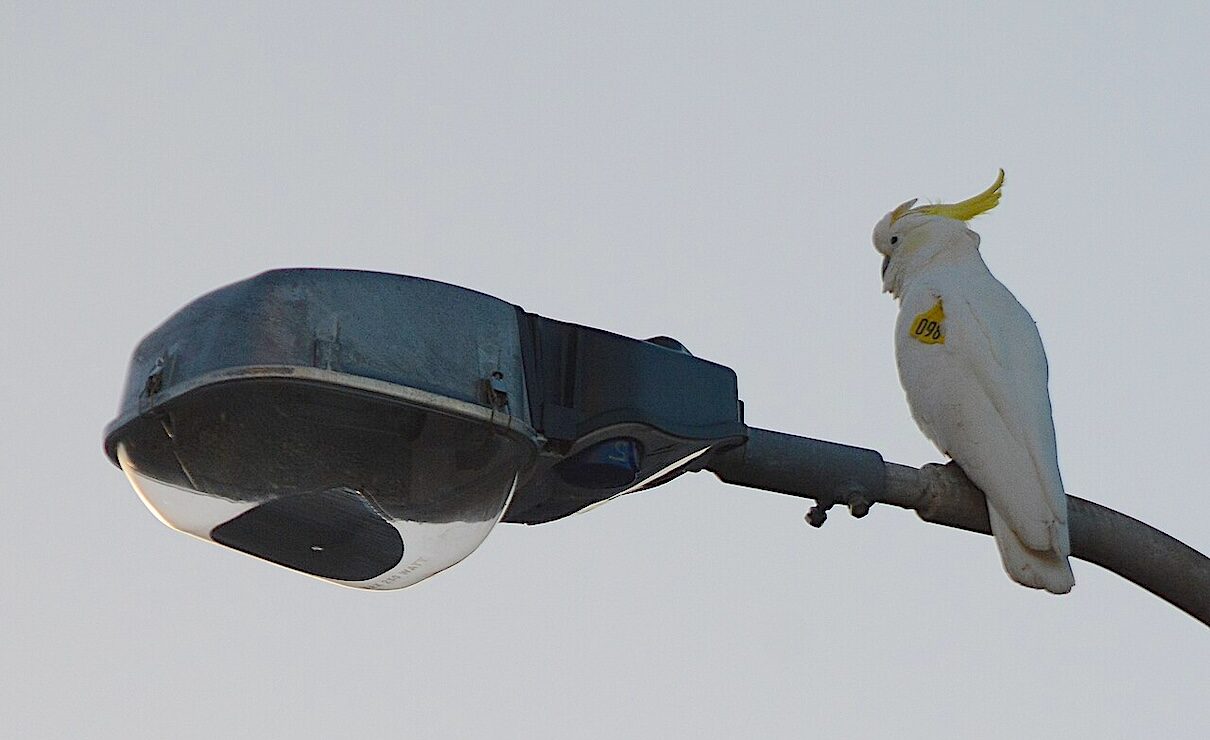
Cities are now home to wildlife like foxes, parrots, monkeys, raccoons, boars, and countless bird species, which are not temporary visitors, but permanent urban residents.If we want to support their long-term survival, we need to understand how urban environments shape them at every level, from behavior to bacteria, and this includes their gut microbiome, which shapes behavior and other factors.“The microbiome is not a niche scientific curiosity, it is a biological system that influences how animals eat, think, move, and cope with stress. And in a rapidly urbanizing world, it may be one of the most important and overlooked tools we have for understanding how wildlife adapts to human-dominated landscapes,” a new op-ed argues.This article is a commentary. The views expressed are those of the author, not necessarily of Mongabay.
Cities are expanding faster than at any point in human history, and wildlife is adapting in remarkable ways. We often talk about visible changes like animals becoming bolder, shifting their diets, or altering their daily rhythms to avoid people. But there is a deeper transformation happening inside their bodies, one that conservation science has barely begun to address: The reshaping of the gut microbiome.