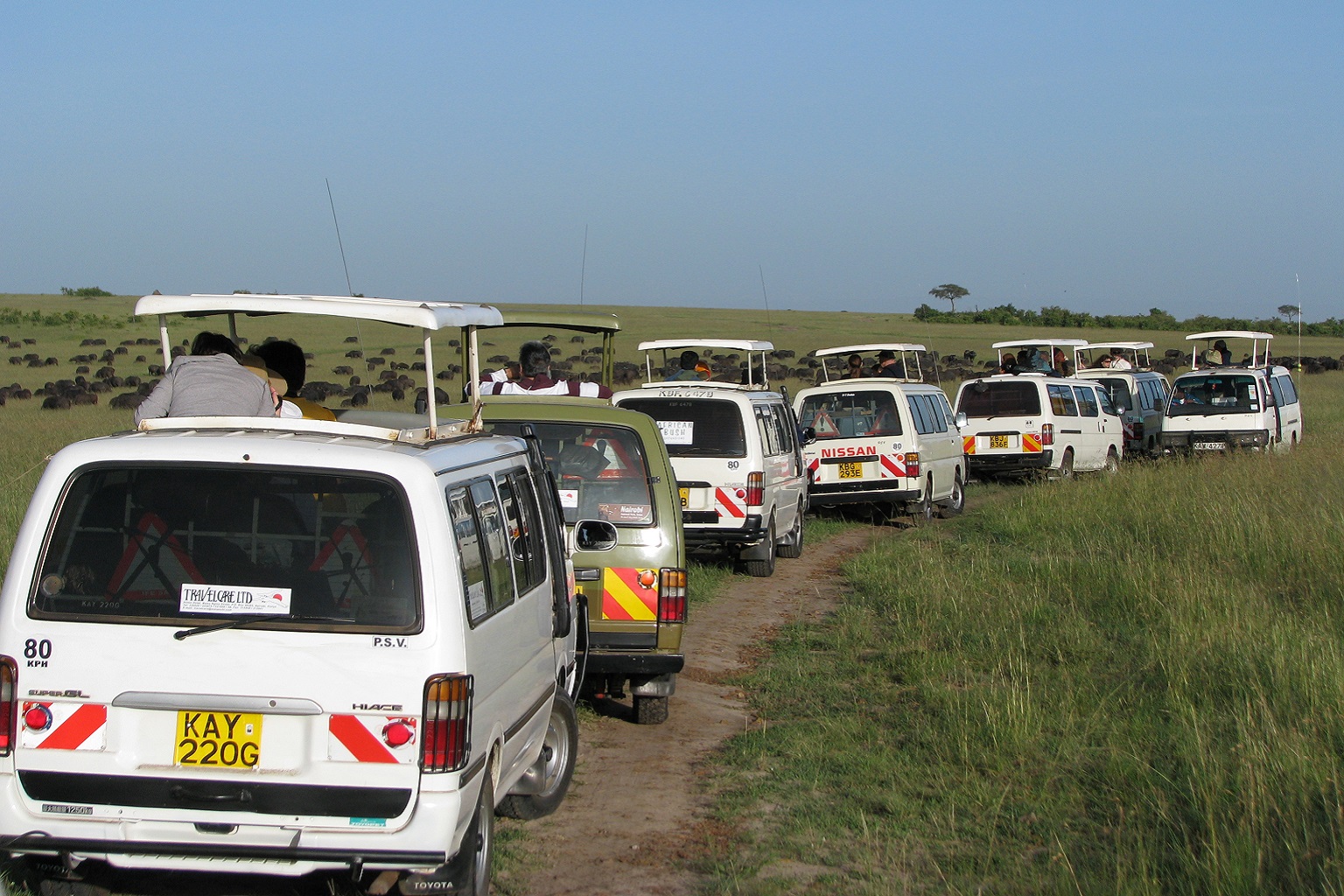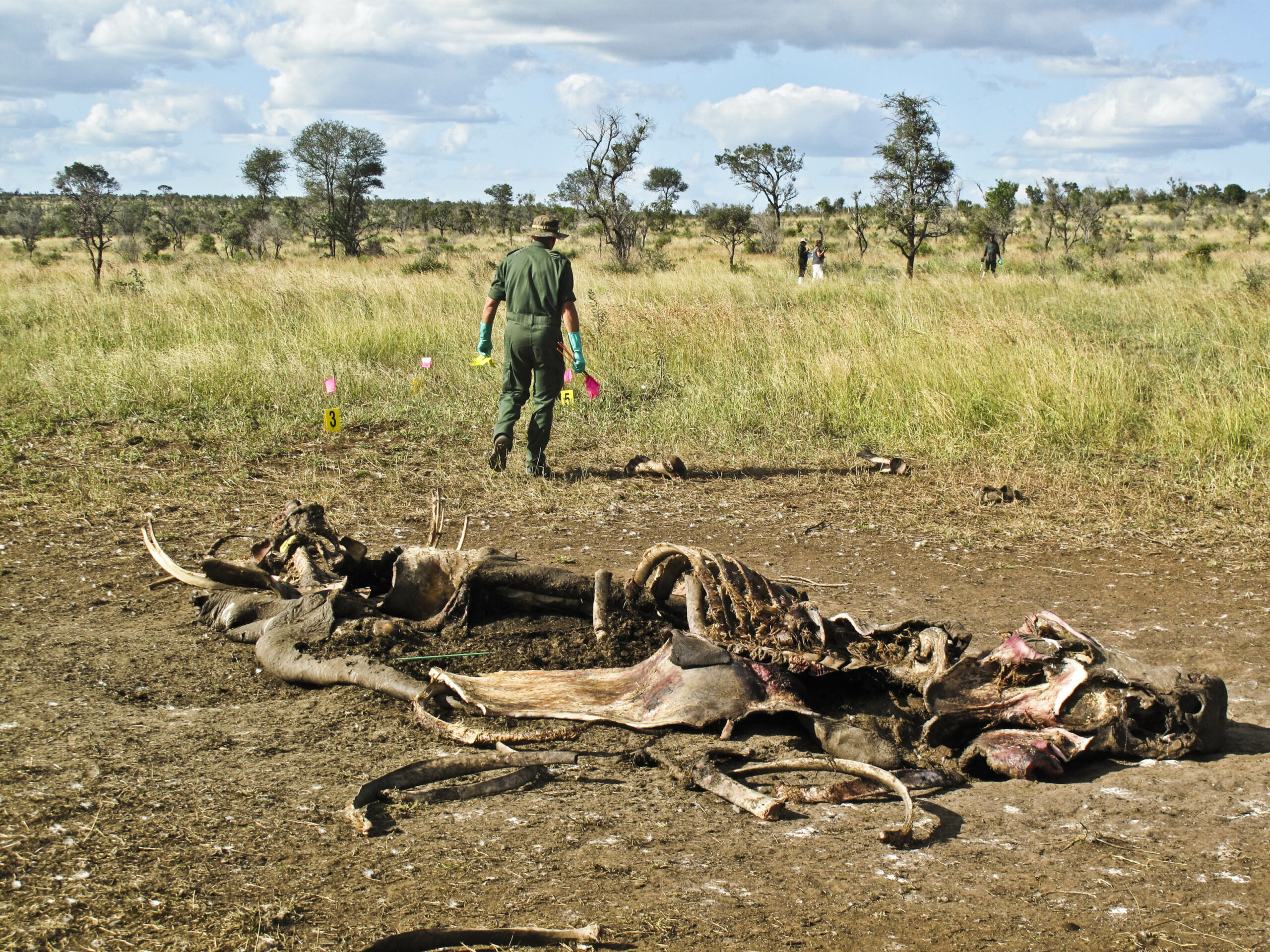
Two of the continent’s premier game reserves – Kenya’s Maasai Mara National Reserve and South Africa’s Kruger National Park – stand on the frontlines of species loss, working tirelessly to protect wildlife under the shadow of rising extinction threats. Yet they also reveal how different leadership approaches to park management can shape conservation success, advance inclusivity, and distribute economic benefit to local communities.
For wildlife lovers, few debates are as spirited as choosing Africa’s top game reserve. The discussion often hinges on scenic beauty, accommodation options, accessibility, and affordability. But beneath these surface considerations lie deeper questions about how reserves serve local communities, protect endangered species, and steward biodiversity for generations to come.
Inclusive leadership
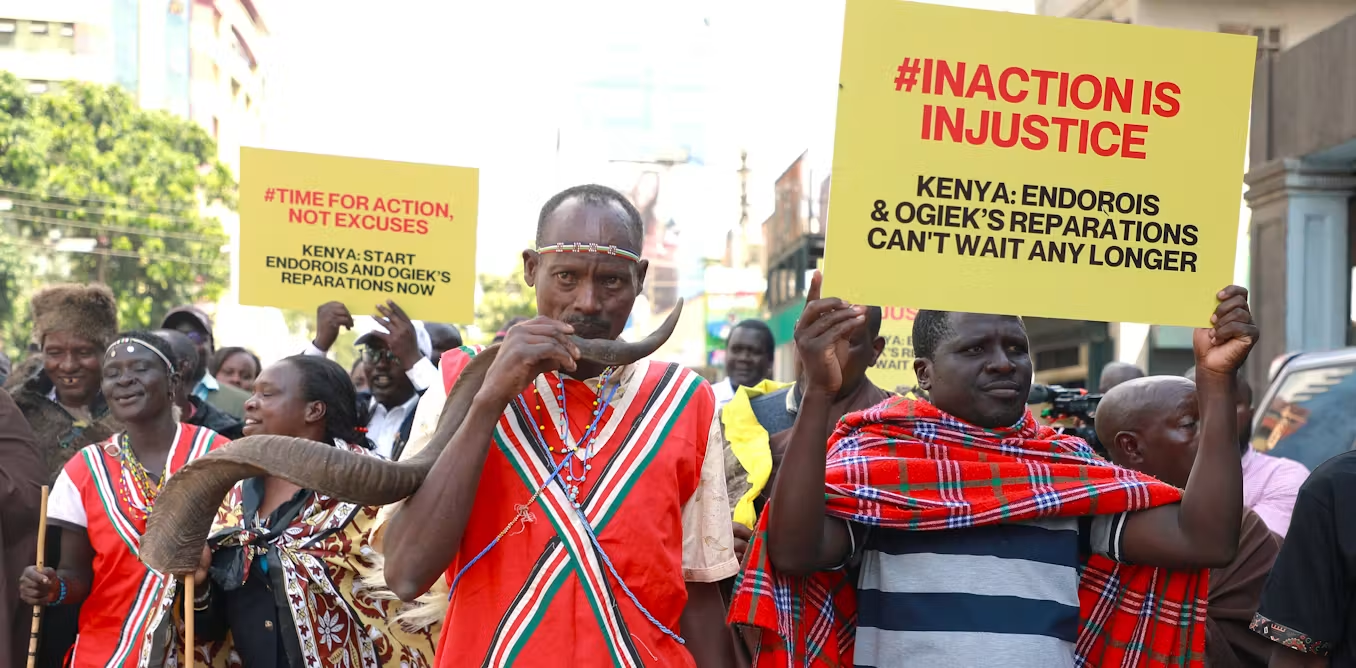
Undoubtedly, the Maasai Mara in Kenya and Kruger National Park in South Africa dominate any such list. Yet the Mara challenges the Kruger’s fame with what some call the “Big Six” – the familiar Big Five, joined symbolically by the Maasai themselves as co-stewards of the ecosystem. In the Mara, the Maasai are not peripheral actors but co-stars in conservation. Their ancestral bonds to the land, carried across generations, now shape a visitor experience rooted in cultural exchange and community partnership. They welcome mageni (“visitors” in Swahili) into a landscape where wildlife and culture are inseparable threads.