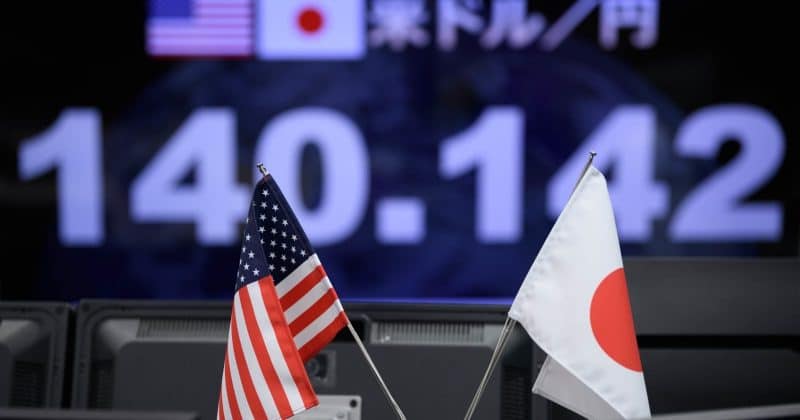
Japan is staring down a familiar nightmare: a weakening currency, surging government bond yields, and a record-breaking budget that makes the math harder by the day. Economy Revitalisation Minister Minoru Kiuchi warned on June 9 that officials are prepared to act against excessive yen depreciation, the kind of language Tokyo reaches for right before it actually starts spending foreign reserves.
This isn’t hypothetical. Between late April and May 2026, Japan intervened with a record ¥11.7 trillion ($73 billion) to prop up the yen after it approached the 160-per-dollar threshold on June 3. That level has historically been the government’s red line, and they’re standing right on top of it again.
The numbers behind the pressure
Japan’s fiscal picture is, to put it diplomatically, ambitious. The government approved a record budget of ¥122.3 trillion ($785 billion) for fiscal year 2026. Then in May, it tacked on an additional $19 billion supplementary budget. That’s a lot of spending for a country already carrying one of the highest public debt-to-GDP ratios on the planet.
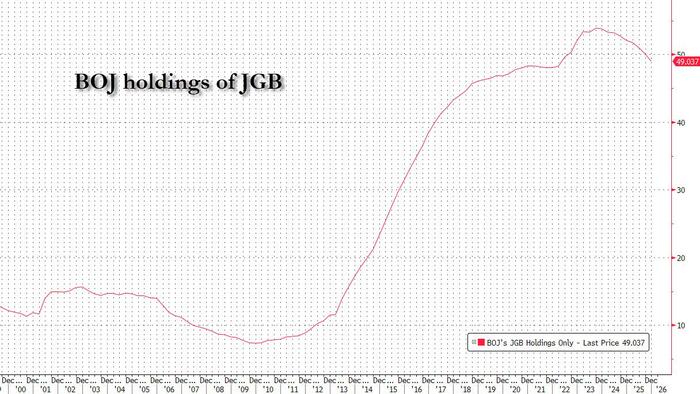
The bond market has noticed. The yield on 10-year Japanese government bonds stood at 2.67% on June 9, after reaching multi-decade highs earlier. For context, Japanese 10-year yields spent most of the past decade barely above zero. A 2.67% yield might sound modest compared to US Treasuries, but in Japan it represents a seismic shift in the cost of financing government debt.