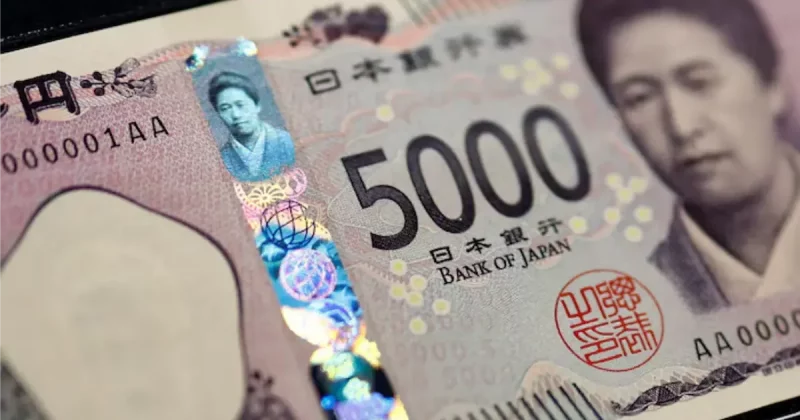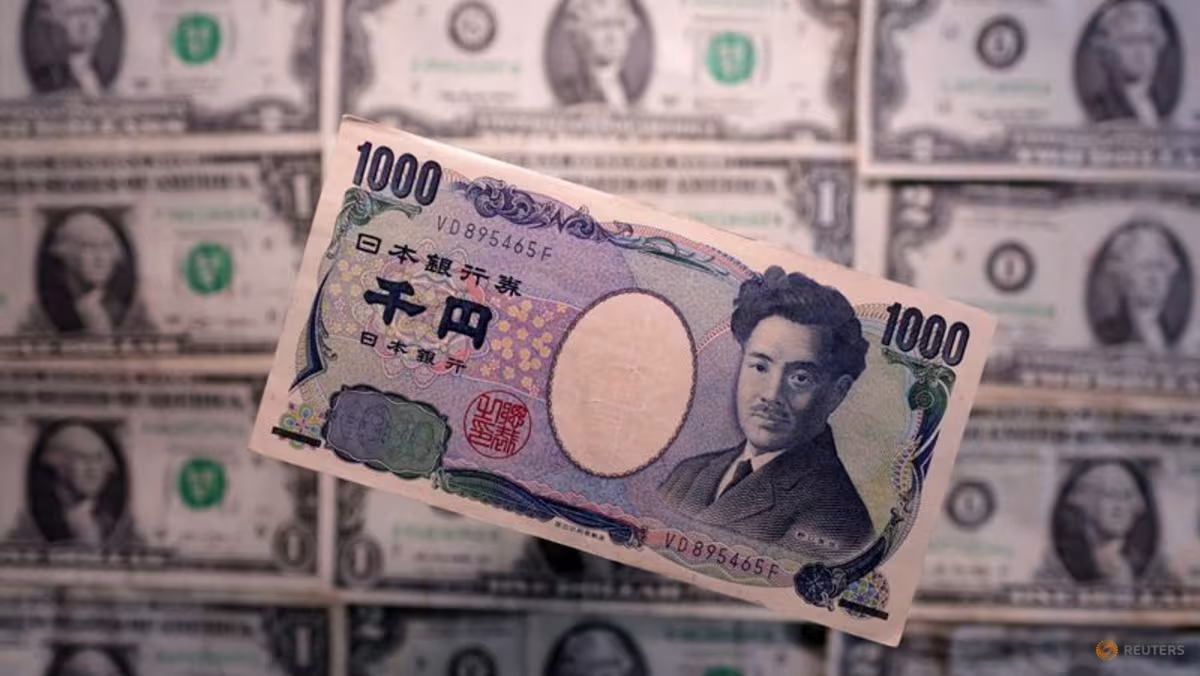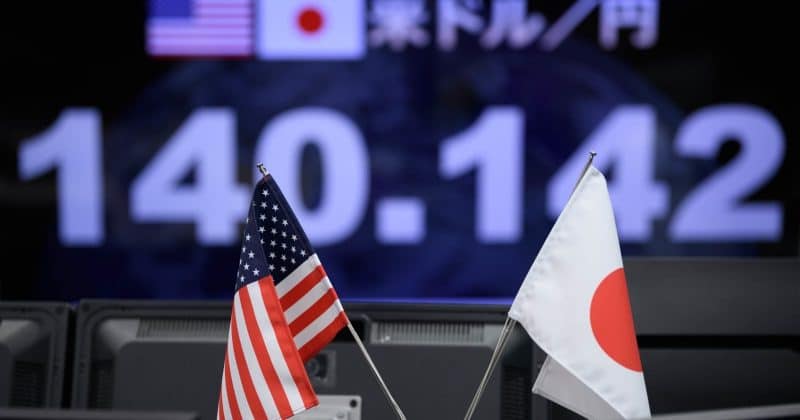
SynopsisJapan signals readiness to step into currency markets if the yen weakens further. The currency is nearing a critical 160 per dollar mark. This comes after significant yen-buying intervention and a record drop in foreign reserves. Officials are exploring new ways to fund dollar support operations. Investors watch for further policy moves.ETMarkets.comKatayama attributed recent sharp currency fluctuations partly to speculative trading activity that has intensified since the outbreak of conflict in the Middle East earlier this year. Japan has reiterated its readiness to intervene in the foreign exchange market if necessary, as the yen hovered near the psychologically significant 160-per-dollar level, a threshold widely viewed by market participants as a potential trigger for official action.According to Reuters, Finance Minister Satsuki Katayama told parliament on Friday that Tokyo remains prepared to respond whenever required to address excessive volatility in currency markets. Her comments came amid growing speculation that Japanese authorities could once again step into the market to support the weakening yen.The yen traded around 160 per dollar after briefly touching the key level, marking its weakest point since late April. The currency's slide has intensified scrutiny of government signals, particularly after Japan recently carried out a record ¥73 billion worth of yen-buying intervention to stem depreciation.Katayama attributed recent sharp currency fluctuations partly to speculative trading activity that has intensified since the outbreak of conflict in the Middle East earlier this year. She also emphasized ongoing communication between Japanese and U.S. authorities regarding developments in foreign exchange markets.The minister's remarks were accompanied by fresh data highlighting the financial cost of defending the currency. Japan's foreign exchange reserves fell by a record $77.1 billion in May, declining to $1.306 trillion. The drop represents the largest monthly fall on record and comes after Tokyo resumed large-scale interventions to support the yen.Most of the decline was concentrated in foreign securities holdings, which shrank by $75.6 billion to $931.7 billion. Market participants believe the reduction suggests that Japan may have sold portions of its substantial U.S. Treasury holdings to finance dollar-selling operations.While officials declined to confirm whether Treasury securities were directly sold for intervention purposes, they noted that rising U.S. bond yields had also reduced the market value of existing holdings, contributing to the decline in reserves.Prime Minister Sanae Takaichi, speaking in the same parliamentary session, argued that the most sustainable way to support the yen would be to strengthen Japan's economic competitiveness through investments in growth-oriented industries rather than relying solely on market intervention.The latest developments also underscore the delicate balance Japan must maintain with its international partners. Under a joint statement agreed with the United States last September, both countries reaffirmed their commitment to market-determined exchange rates while recognizing that intervention may be warranted in cases of excessive volatility.Analysts cited by Reuters cautioned that further large-scale intervention could become more challenging if it requires substantial sales of U.S. Treasury holdings at a time when global bond markets are already experiencing turbulence. Such concerns could potentially limit Tokyo's flexibility in conducting future currency operations.Some market experts have suggested alternative funding mechanisms that would allow Japan to raise dollar liquidity without outright Treasury sales. Reuters reported that one option under discussion is the Federal Reserve's Foreign and International Monetary Authorities (FIMA) repo facility, which enables foreign central banks to obtain dollar funding by temporarily pledging Treasury securities. The facility, originally introduced during the pandemic to stabilize financial markets, could offer Japan a way to support intervention efforts while minimizing disruption to the U.S. bond market.As the yen remains under pressure, investors will likely focus on the 160-per-dollar level and any further signals from Japanese policymakers regarding potential market action.Read More News on(What's moving Sensex and Nifty Track latest market news, stock tips, Budget 2025, Share Market on Budget 2025 and expert advice, on ETMarkets. Also, ETMarkets.com is now on Telegram. For fastest news alerts on financial markets, investment strategies and stocks alerts, subscribe to our Telegram feeds .) Subscribe to ET Prime and read the Economic Times ePaper Online.and Sensex Today. Top Trending Stocks: SBI Share Price, Axis Bank Share Price, HDFC Bank Share Price, Infosys Share Price, Wipro Share Price, NTPC Share Price...moreless(You can now subscribe to our ETMarkets WhatsApp channel)Read More News on(What's moving Sensex and Nifty Track latest market news, stock tips, Budget 2025, Share Market on Budget 2025 and expert advice, on ETMarkets. Also, ETMarkets.com is now on Telegram. For fastest news alerts on financial markets, investment strategies and stocks alerts, subscribe to our Telegram feeds .) Subscribe to ET Prime and read the Economic Times ePaper Online.and Sensex Today. Top Trending Stocks: SBI Share Price, Axis Bank Share Price, HDFC Bank Share Price, Infosys Share Price, Wipro Share Price, NTPC Share Price...moreless
Global Market: Japan warns against excessive currency volatility as Yen nears key threshold
Japan signals readiness to step into currency markets if the yen weakens further. The currency is nearing a critical 160 per dollar mark. This comes after significant yen-buying intervention and a record drop in foreign reserves. Officials are exploring new ways to fund dollar support operations. Investors watch for further policy moves.
782 words~4 min read