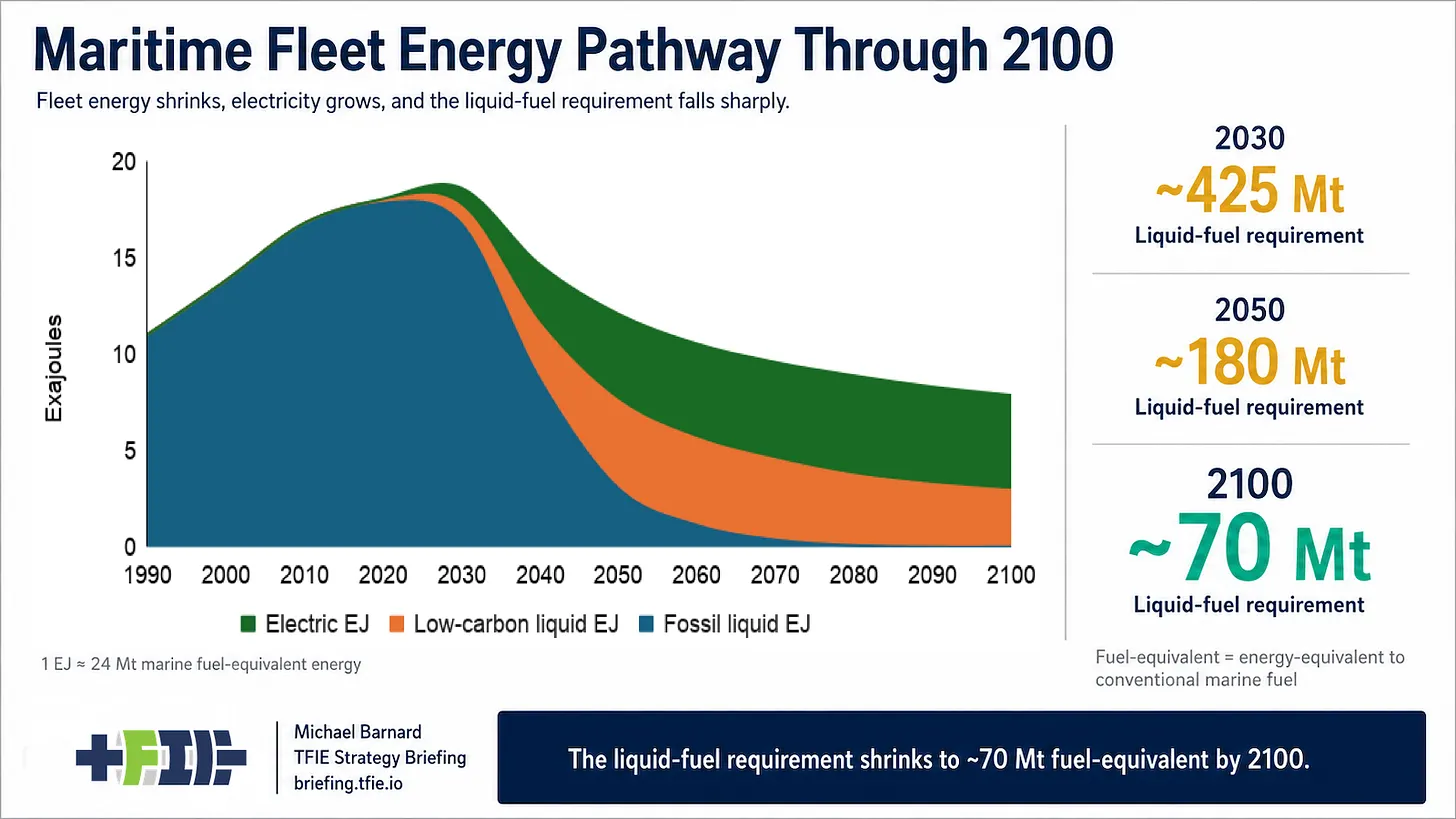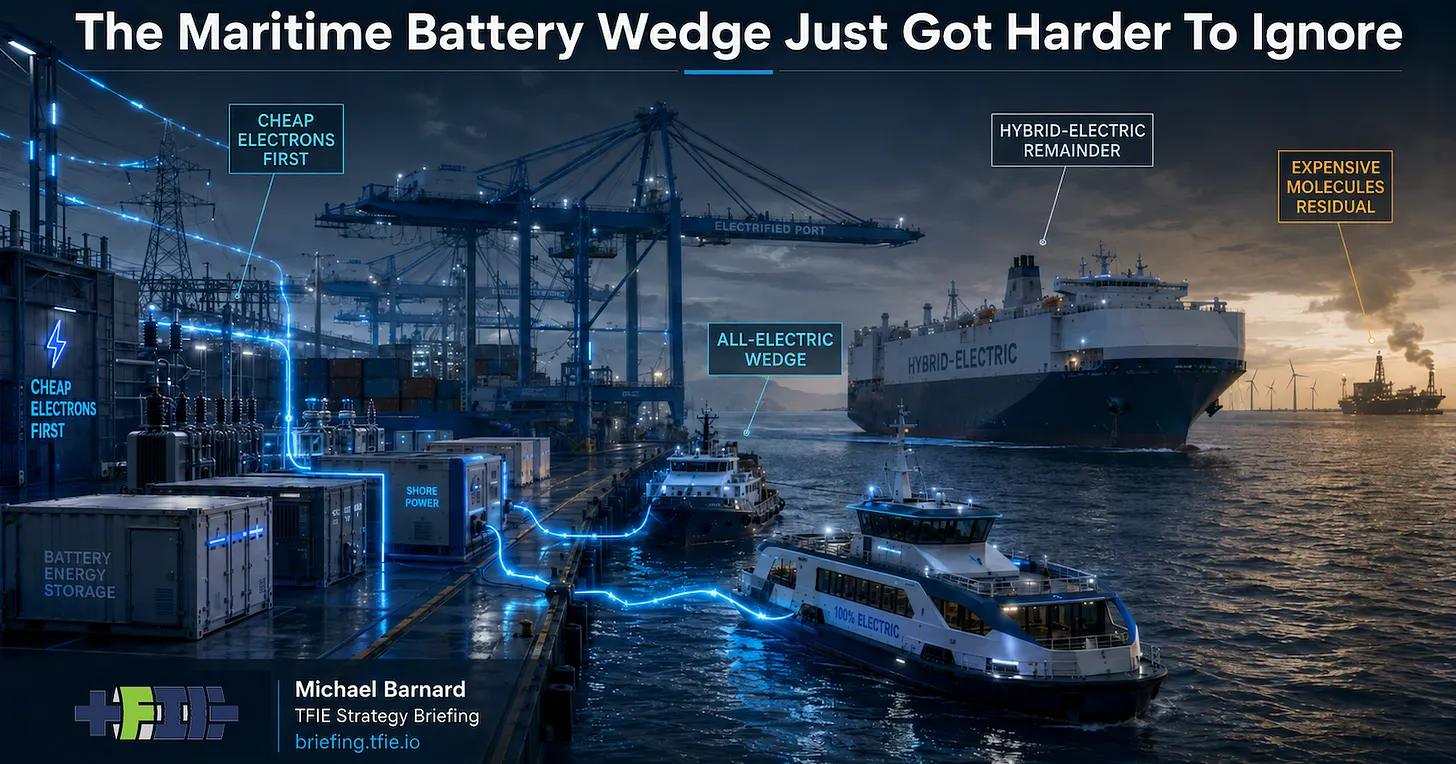
Maritime batteries do not have to electrify every ship to reshape fuel demand; short-sea, port-adjacent and hybrid-electric operations are already a serious wedge.
Support CleanTechnica's work through a Substack subscription or on Stripe.
A useful paper has landed in the Nature family on the techno-economics of electrifying short-sea shipping, and the result should make the maritime fuel debate a little less vague. The paper does not claim that every ship becomes battery-electric. It does not need to. It finds that by 2030 a substantial share of maritime energy use and emissions sits inside a technically electrifiable wedge, and that most of that wedge is already economic under the paper’s central assumptions.
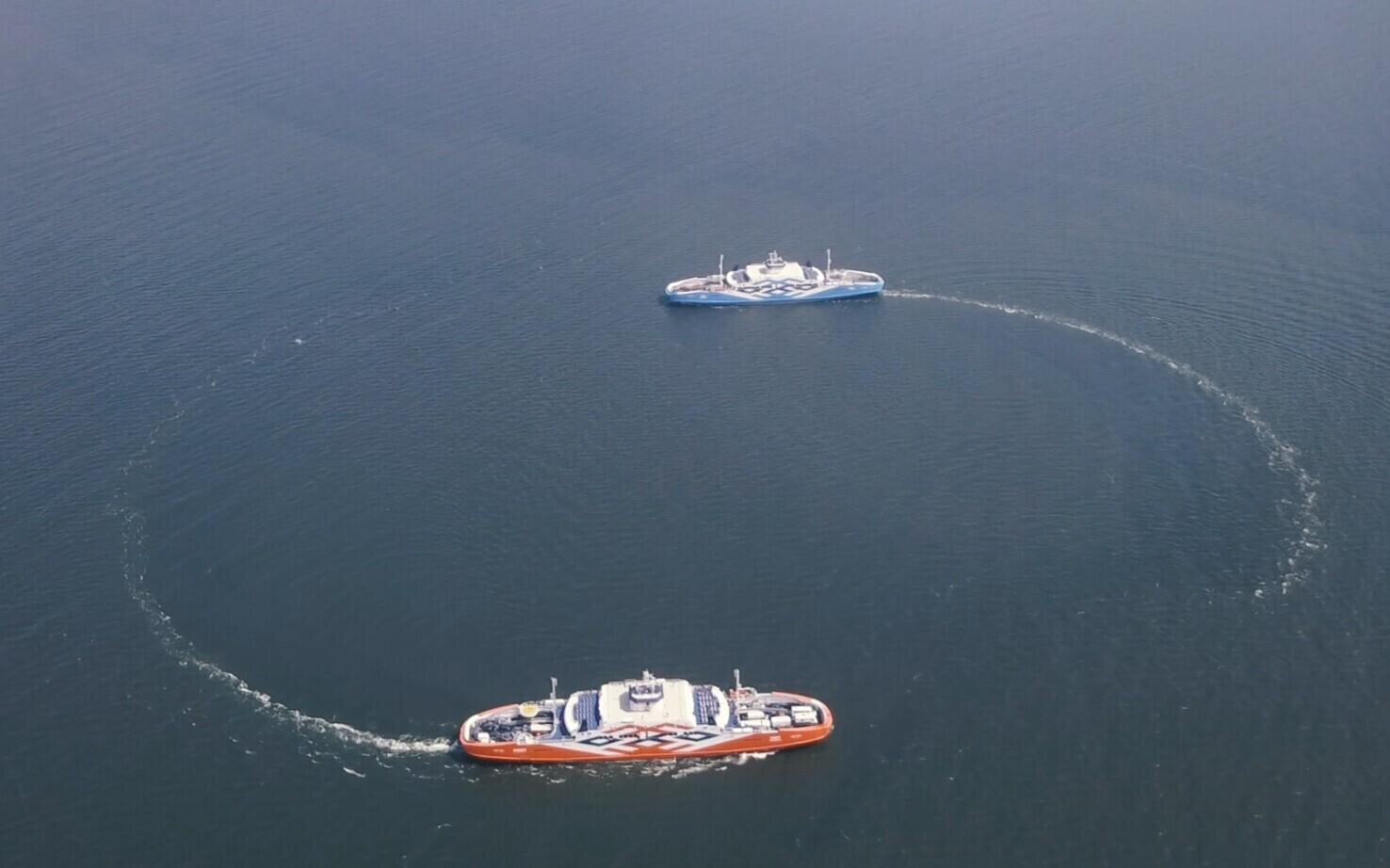
That matters because maritime decarbonization discussions still spend too much time treating shipping as if the entire sector were deep-sea container vessels crossing oceans without stopping. Those ships matter, but they are not the whole fleet. Inland vessels, ferries, coastal ships, offshore support vessels, service craft, port craft and many short-sea routes operate in patterns that are much friendlier to electricity than the standard “shipping is hard to decarbonize” story admits.