A system sometimes learns from what others had already begun to see.
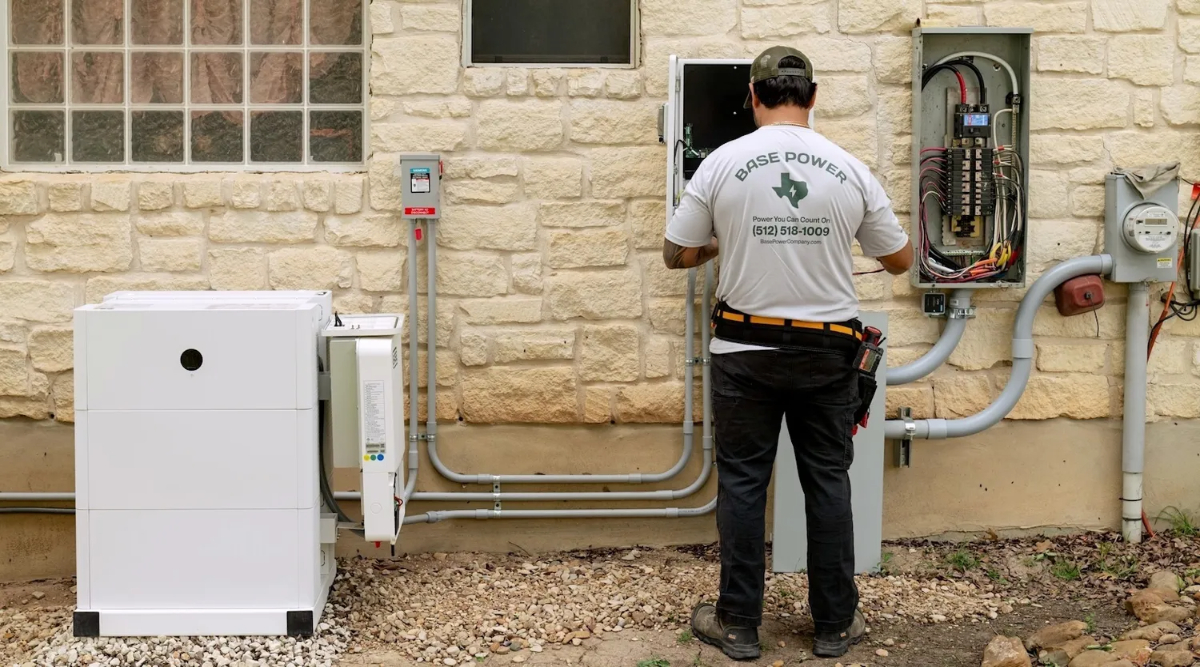
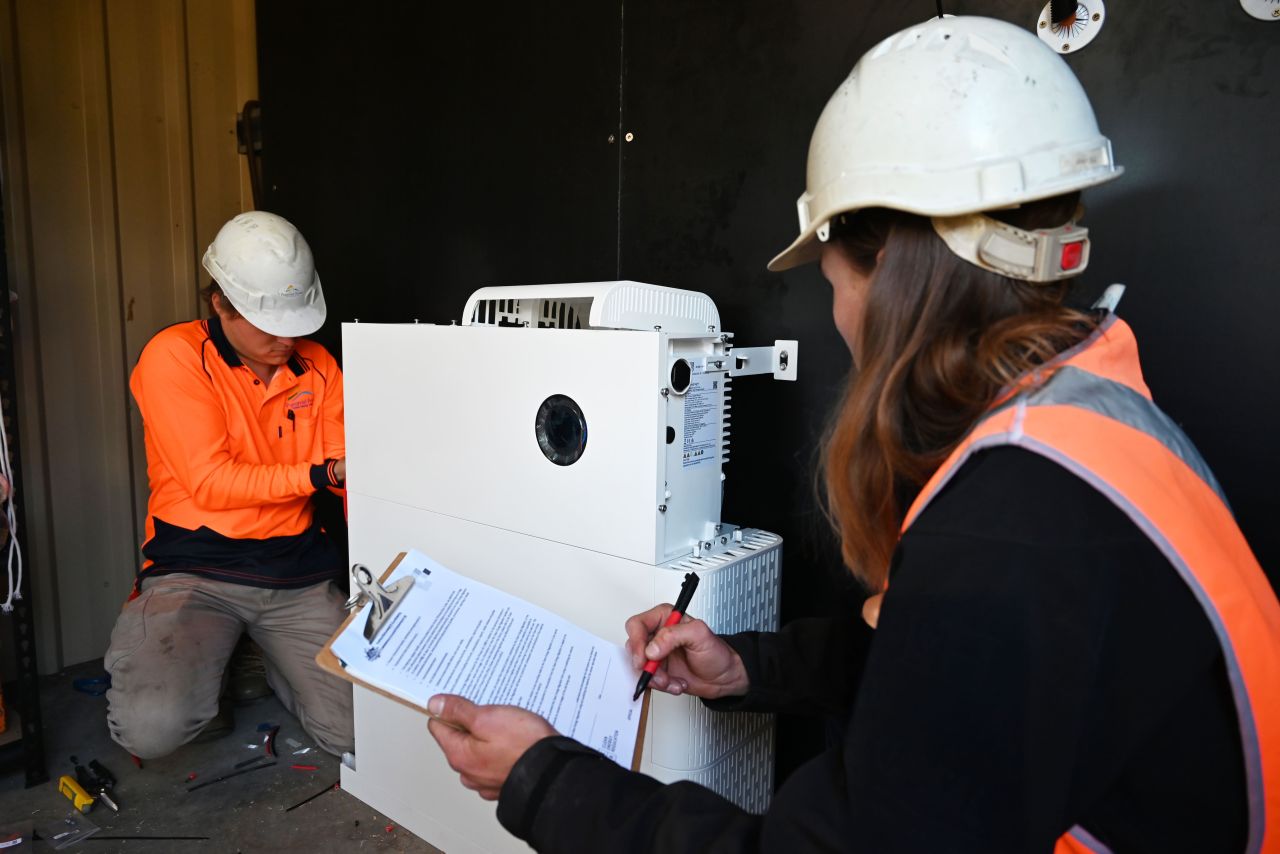
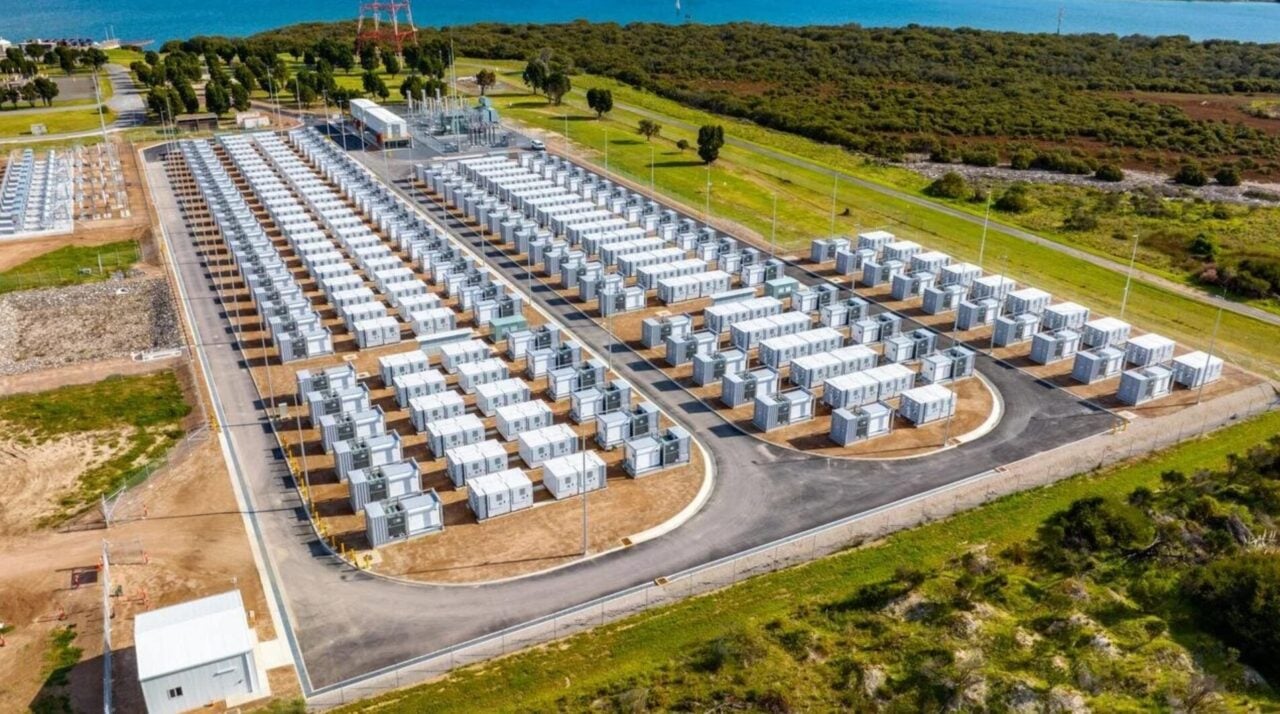
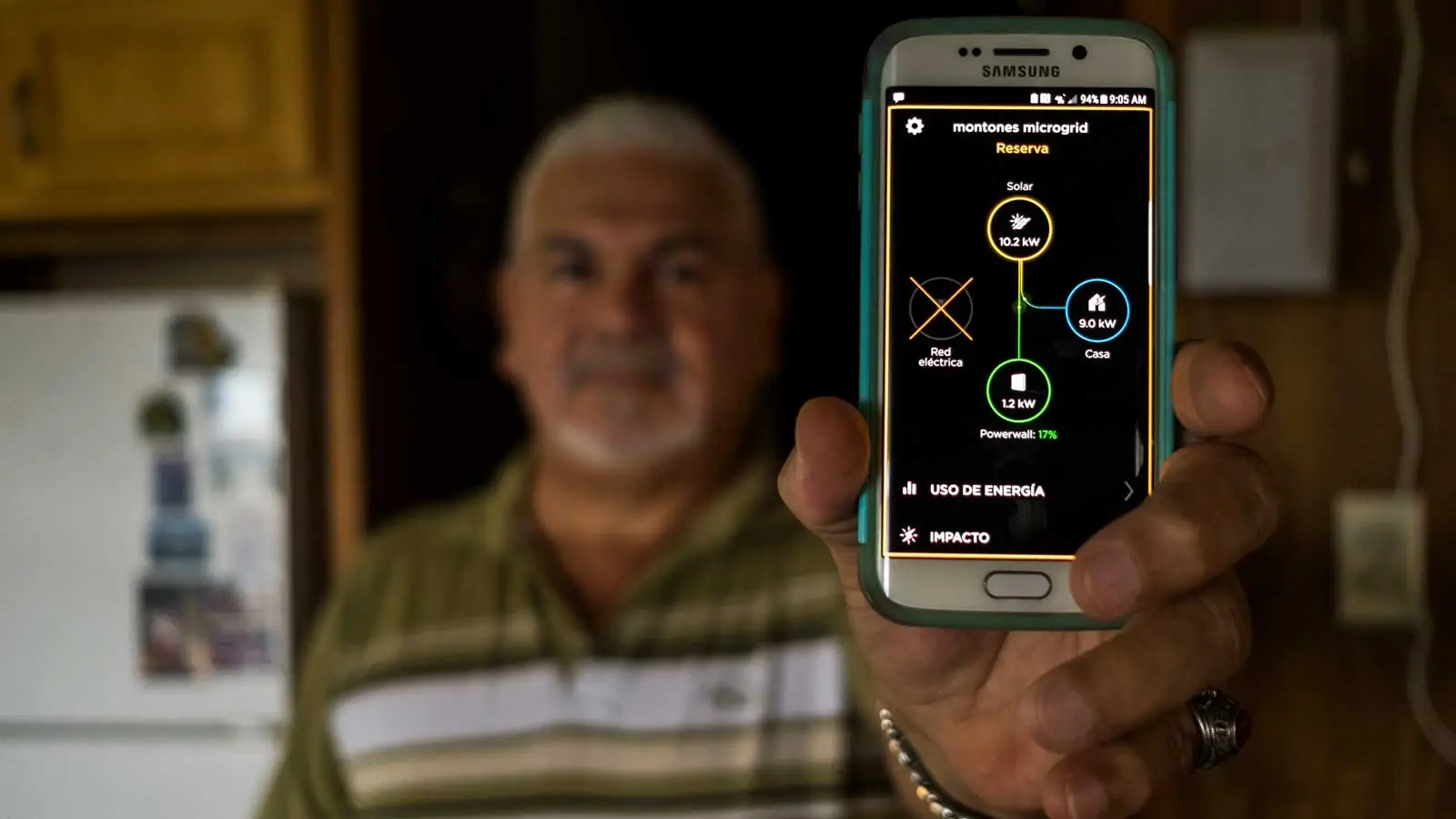
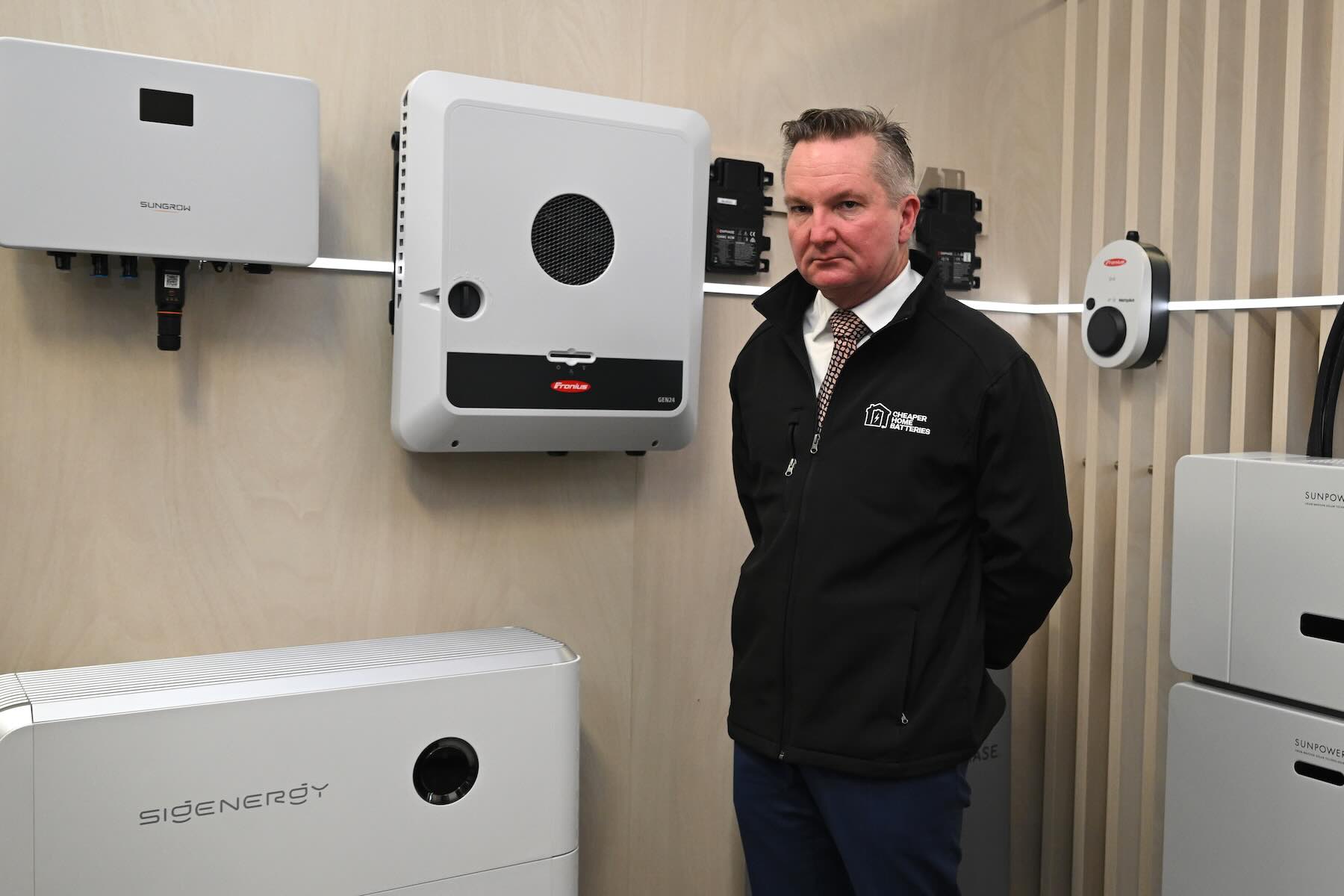
AEMO has now publicly acknowledged something many consumer-energy observers had already been seeing: household batteries can reduce pressure on the grid before they are enrolled in sophisticated virtual power plants, which aggregate batteries and other devices so they can be coordinated as a single flexible resource.
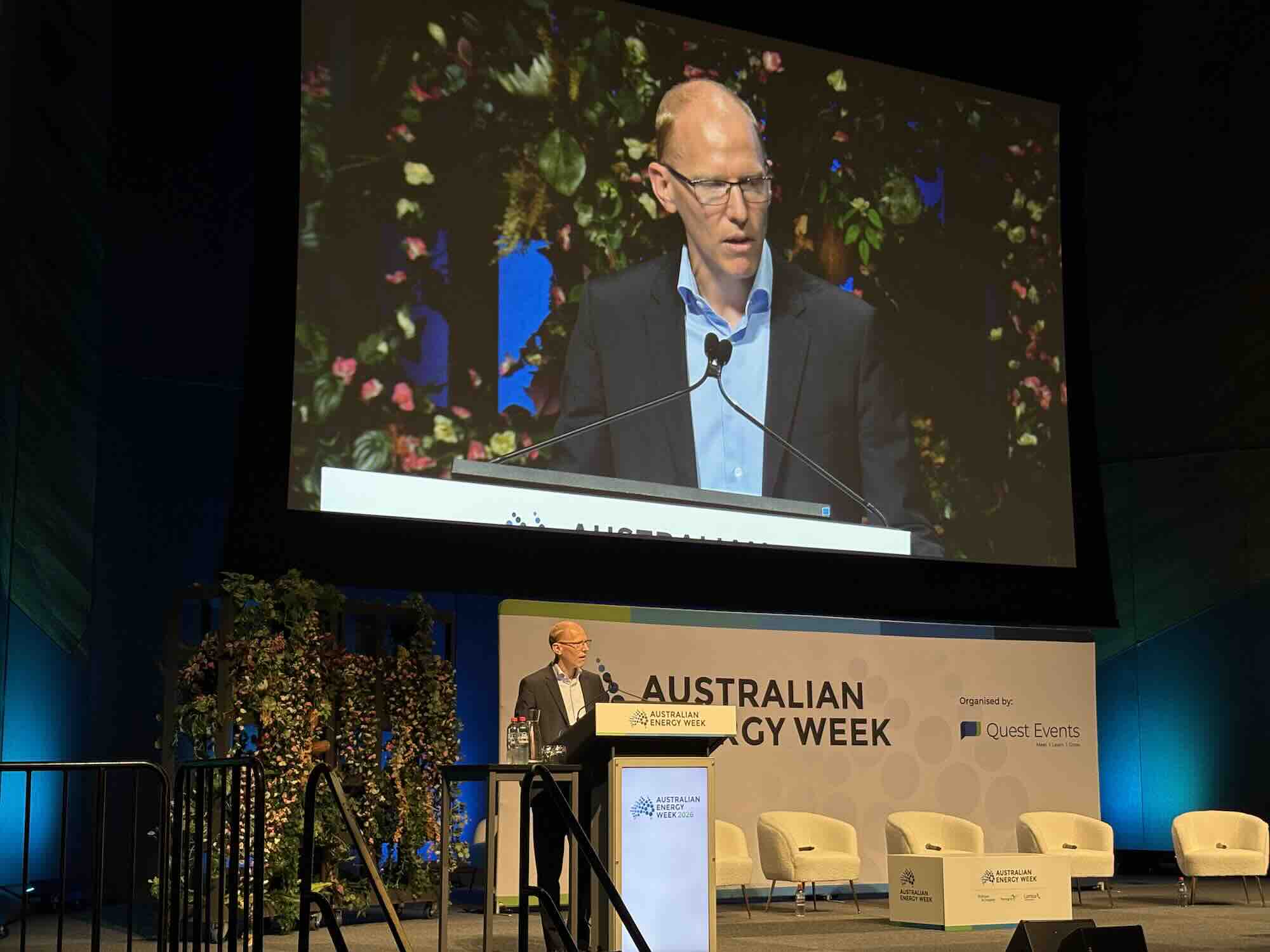
The signal becomes clearer when two recent speeches are read together. In late May, Daniel Westerman told large energy users at the Energy Users Association of Australia National Conference that flexible energy use is becoming a genuine system asset, with value for reliability, markets and whole-system costs.
He also noted that a similar opportunity exists for virtual power plants, but that more work is needed to develop the right value proposition for homes and smaller businesses with batteries, electric vehicles and other responsive devices.
Two weeks later, at Australian Energy Week 2026, he gave the household version of the same story. During Victoria’s record peak demand event on 27 January, many home batteries were not operating as sophisticated, centrally controlled virtual power plants.