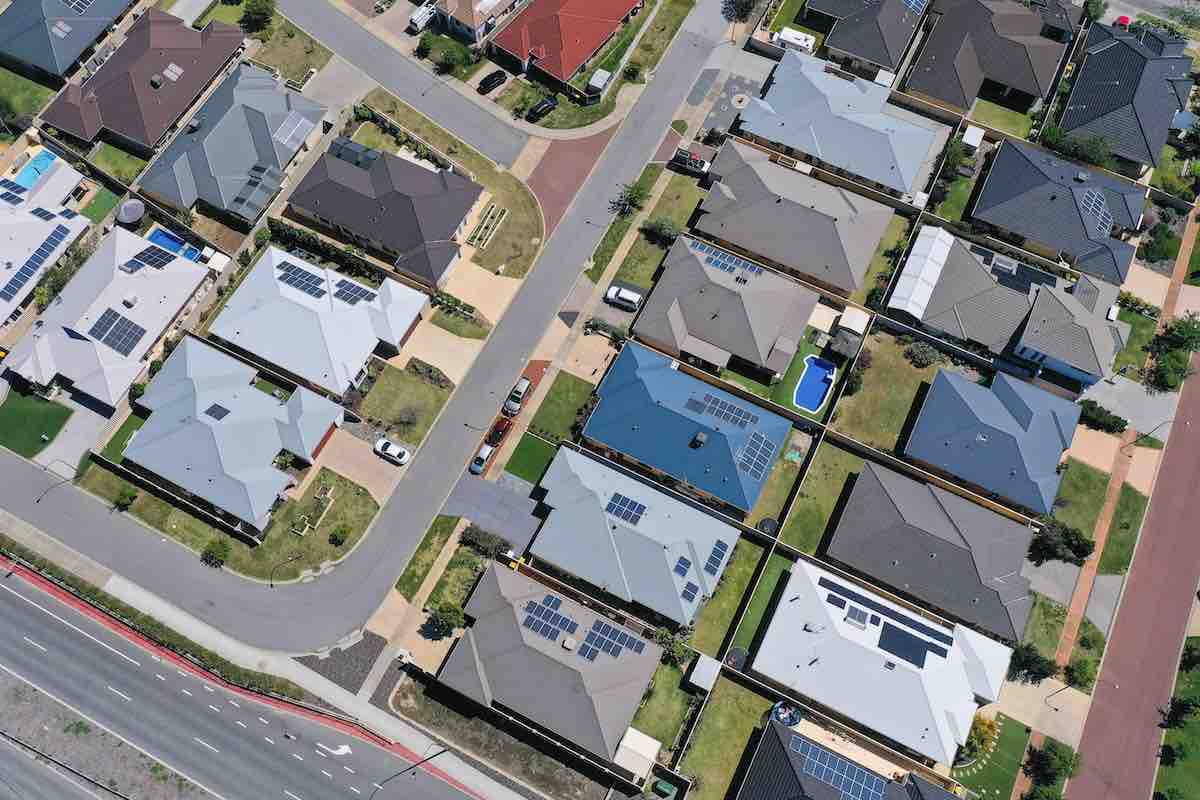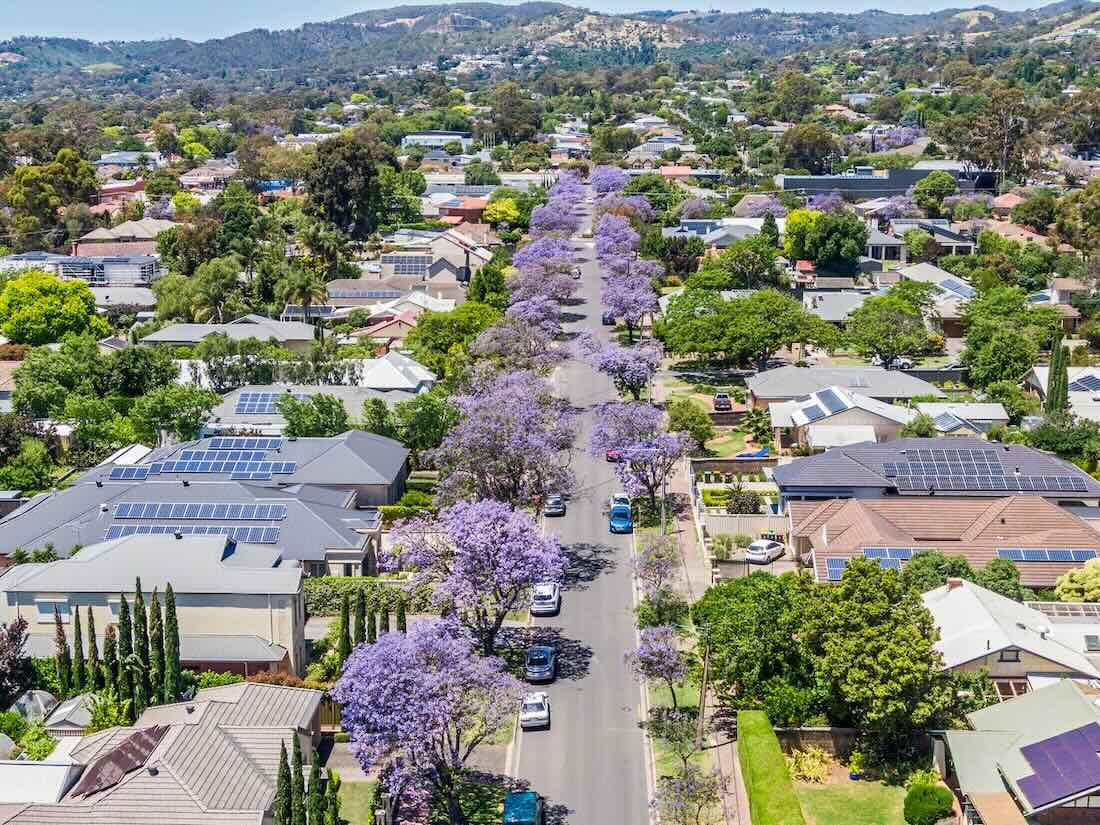
Rooftop solar, which does not respond to wholesale electricity prices, can sharply reduce grid demand on mild, sunny days, particularly on spring weekends and public holidays.
AEMO currently manages these conditions through a combination of market notices, directions to battery storage operators and, as a last resort, curtailment of rooftop solar exports through emergency backstop mechanisms.
Under worst-case projections from AEMO’s 2025 Transition Plan for System Security, South Australia could face up to 135 days per year of conditions exceeding the most critical MSL (MSL3) threshold by 2031 if transition-point actions are delayed.
The two rule change requests before the AEMC propose different fixes. The Reliability Panel wants the NEM’s wholesale energy spot price to be automatically set to the market floor price of -AU$1,000/MWh (-US$693/MWh) when AEMO declares an MSL3 event, on the basis that this would sharpen the market signal for generators to withdraw and for flexible loads and storage to increase consumption, reducing reliance on AEMO intervention.
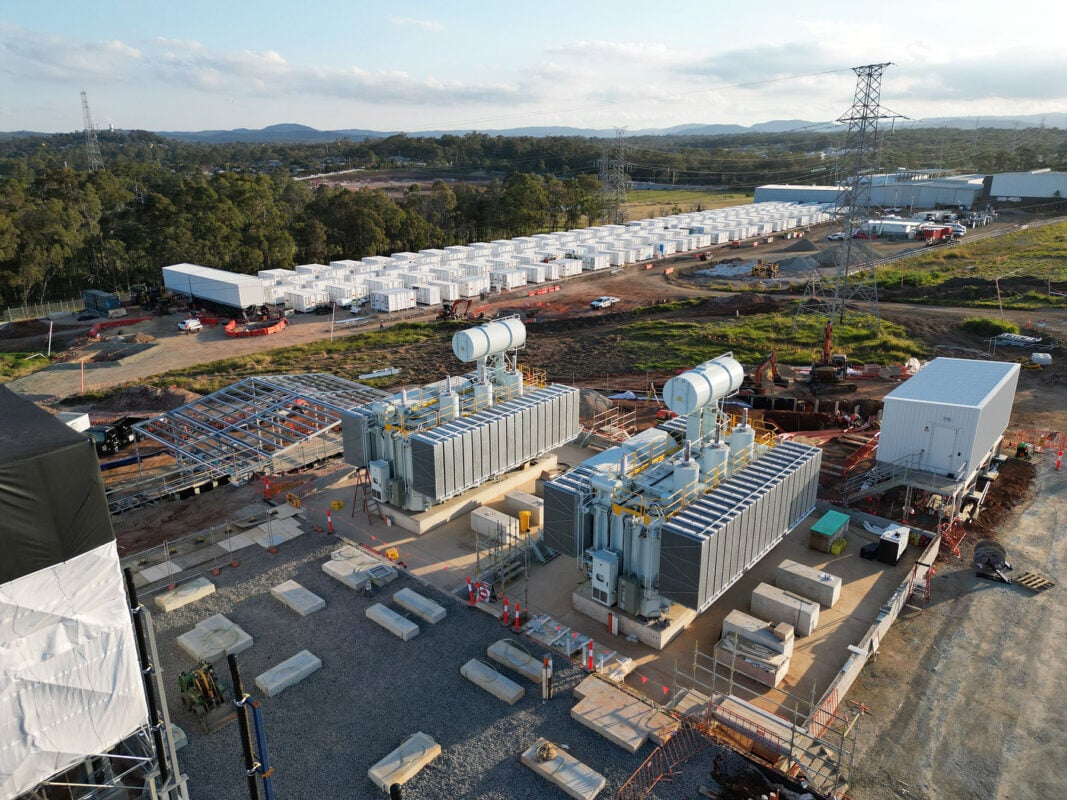
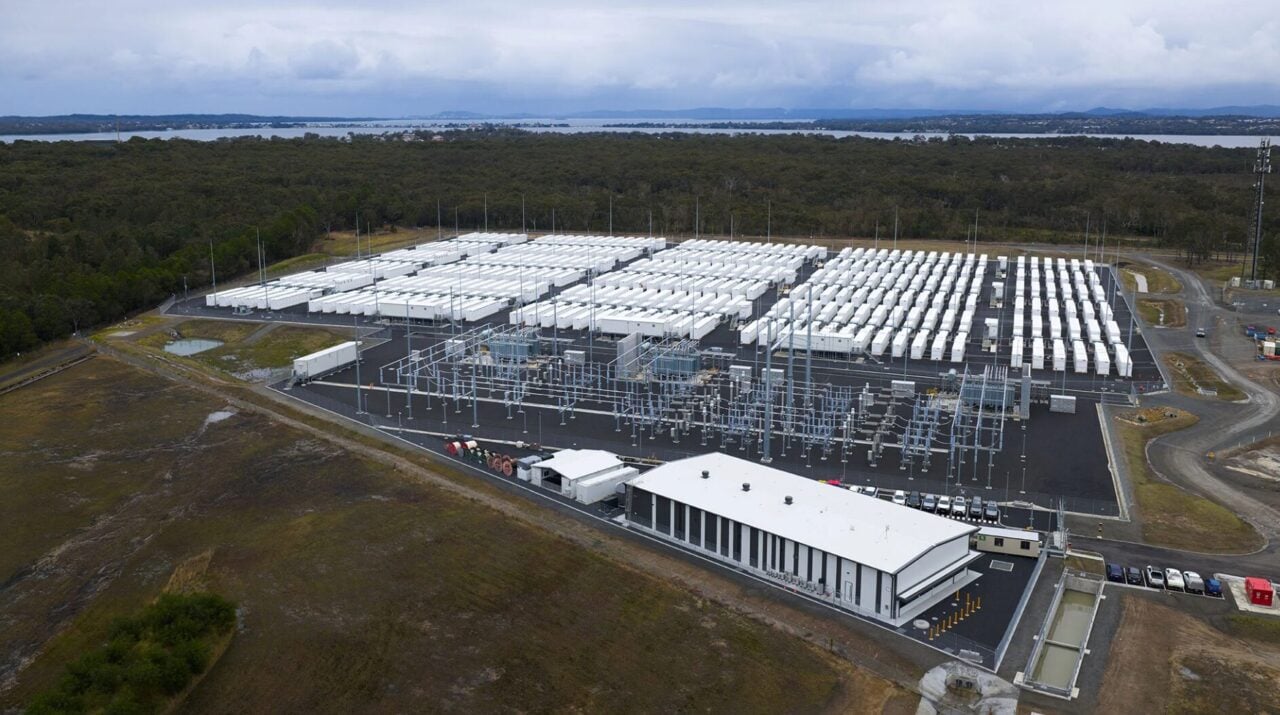
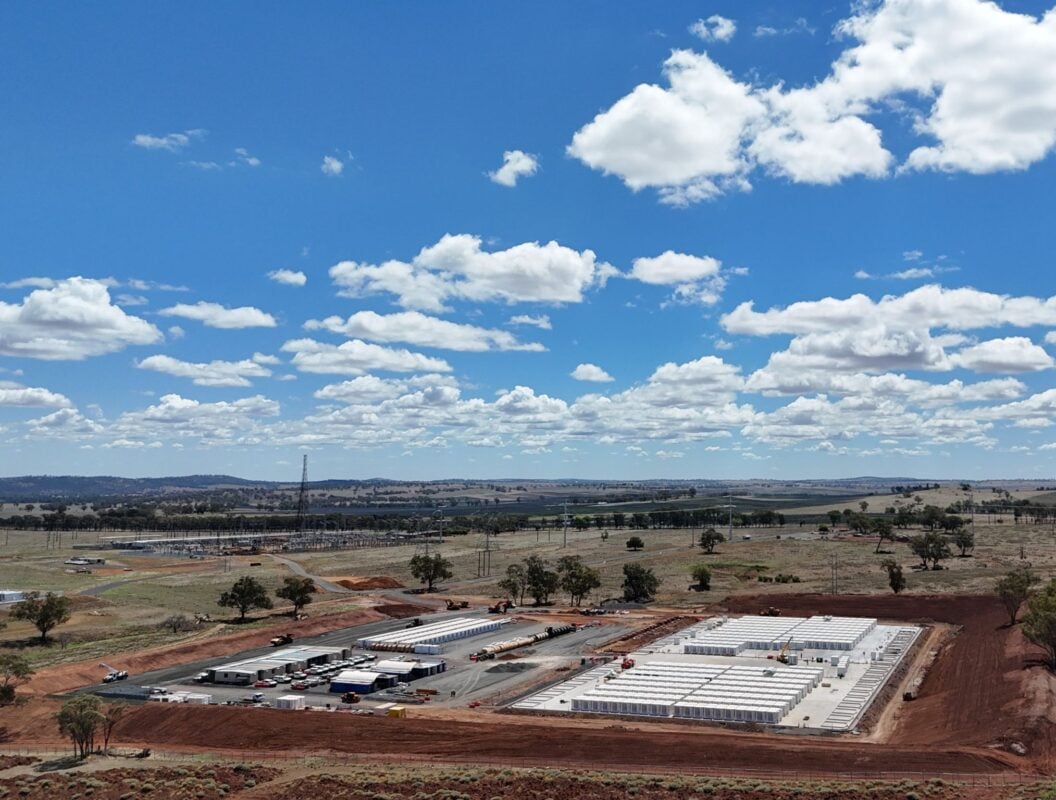
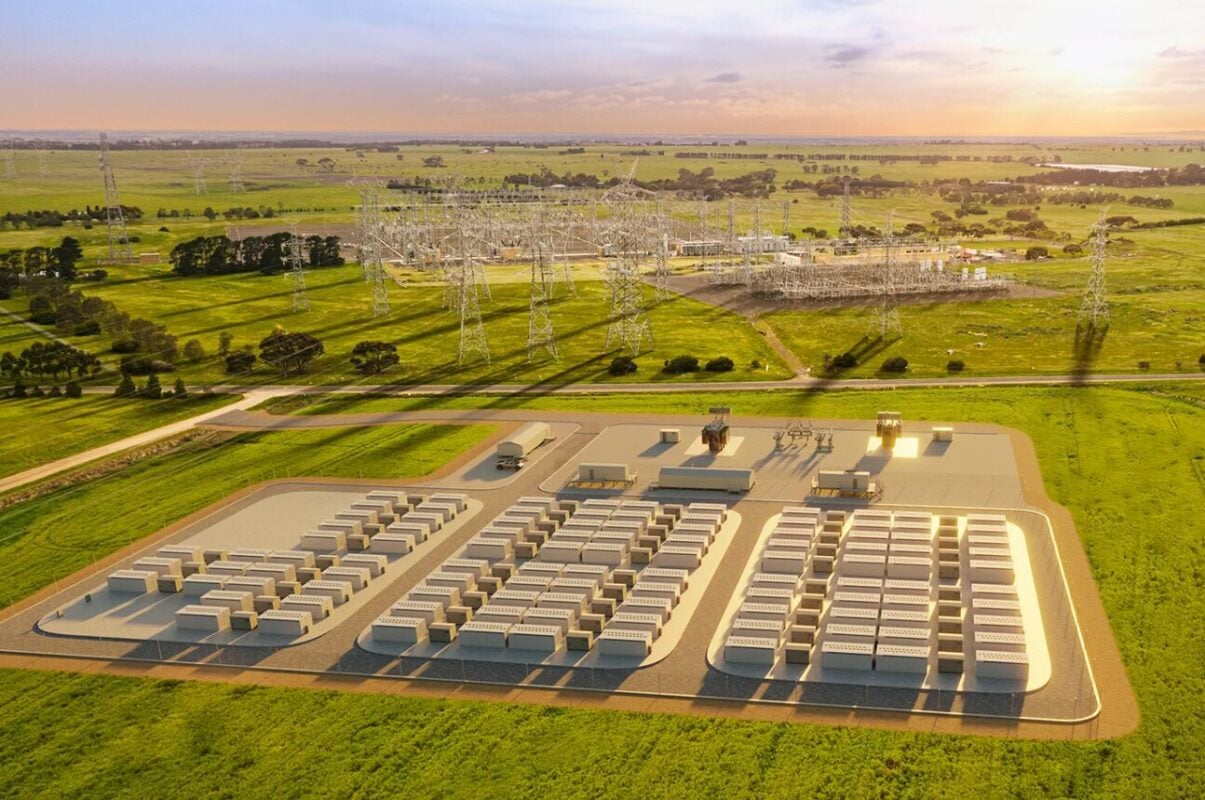
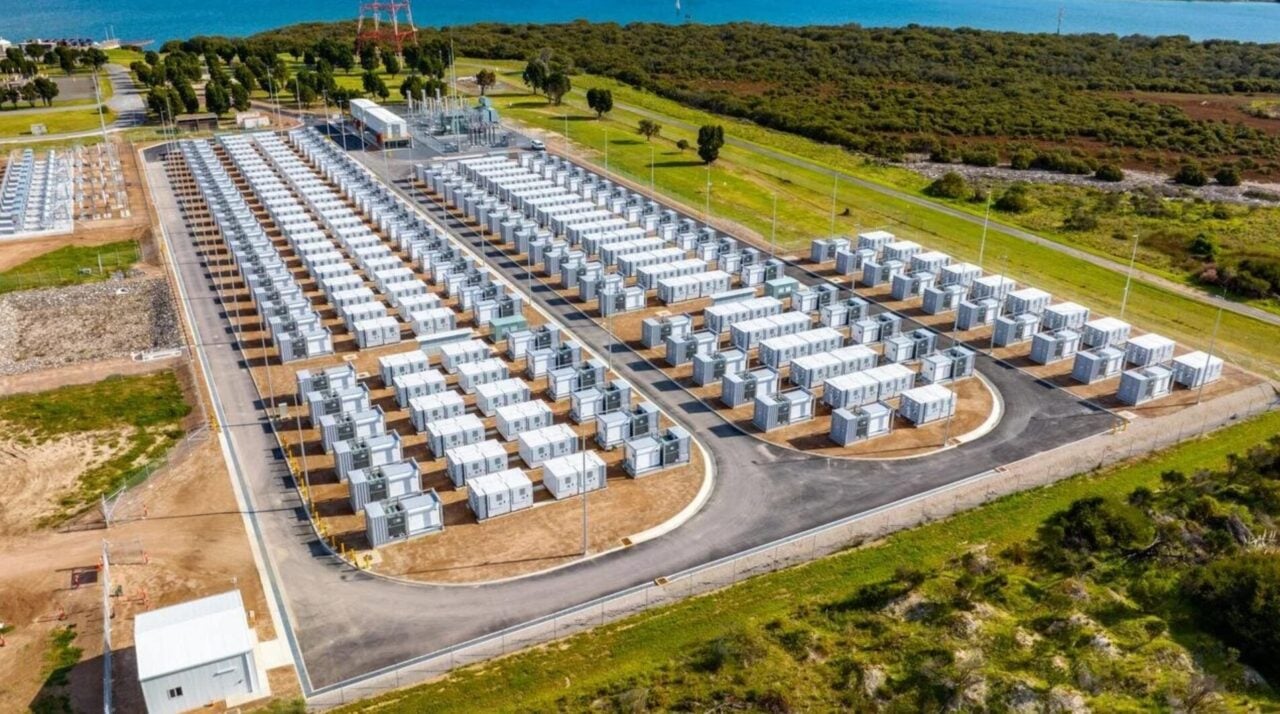
The CEC, meanwhile, is proposing a new paid market ancillary service that would allow battery storage systems, pumped hydro and other flexible loads to bid into a dedicated market for load reserves, giving AEMO a transparent, contractual mechanism to secure demand response in advance of forecast MSL periods, modelled on how frequency control ancillary services already operate.