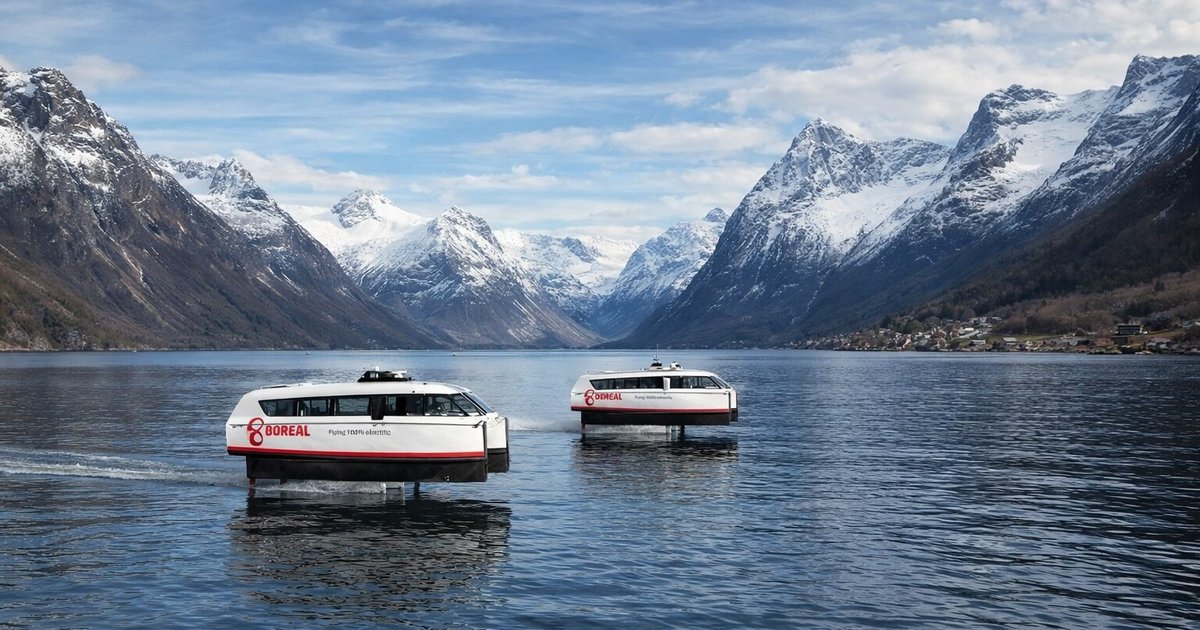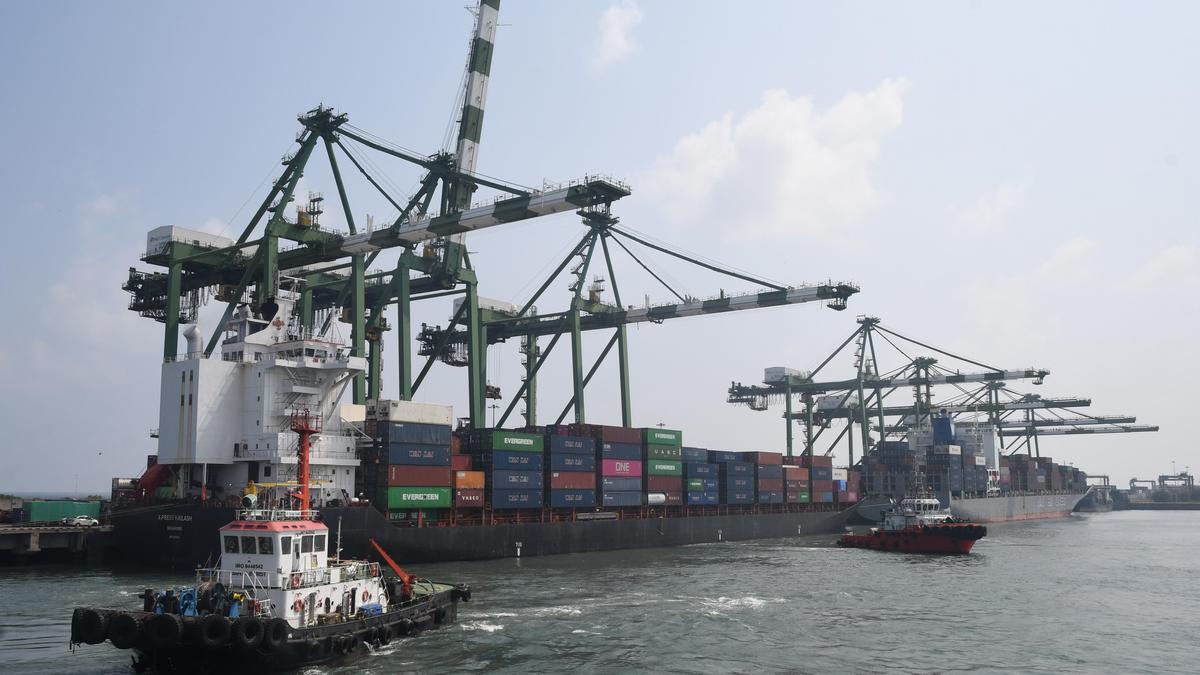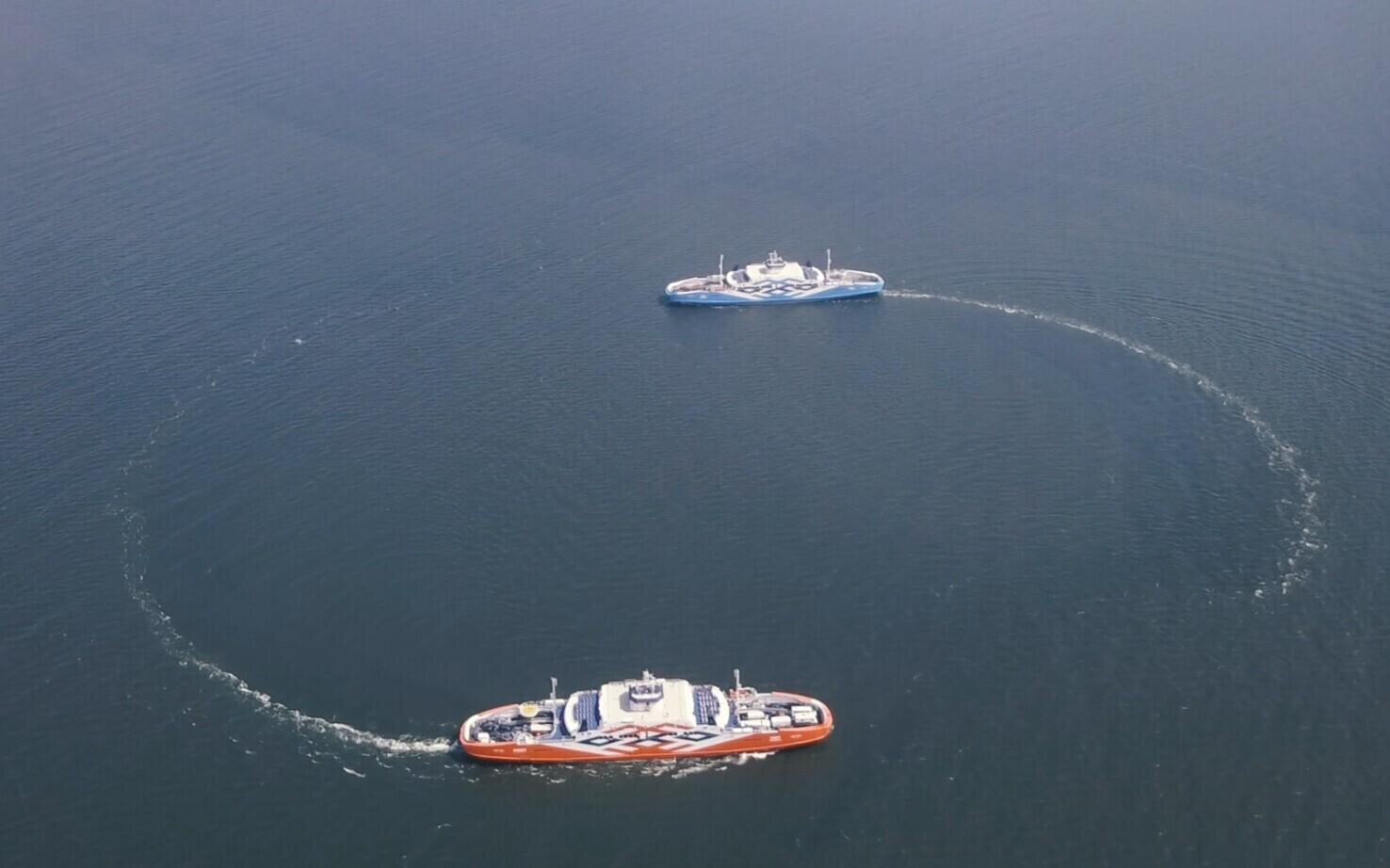
TS Laevad ferries. Source: TS Laevad. Credit: TS Laevad
As shipping faces growing pressure to cut greenhouse gas emissions, new doctoral research from Tallinn University of Technology shows that the cleanest solution for small vessels is not one-size-fits-all. Instead, the best decarbonization pathway depends on route length, electricity supply, port infrastructure, vessel duty cycle and investment costs. The thesis focuses on vessels below 5,000 gross tonnage (GT), a segment that includes ferries, pilot boats and regional service vessels that have received far less attention than large ocean-going vessels.
Riina Otsason's doctoral thesis, Environmental and Techno-Economic Assessment of Decarbonization Pathways for Ships Below 5,000 GT, combines life-cycle assessment, techno-economic modeling and scenario analysis across four case studies in Estonia and beyond. The studies compare electric and diesel ferries, alternative fuels for pilot vessels, fleet-level decarbonization scenarios for regional ferry lines and a ground-effect vehicle concept for inter-island transport. Together, they show how environmental performance, economic feasibility and operational constraints interact in small-vessel decarbonization.