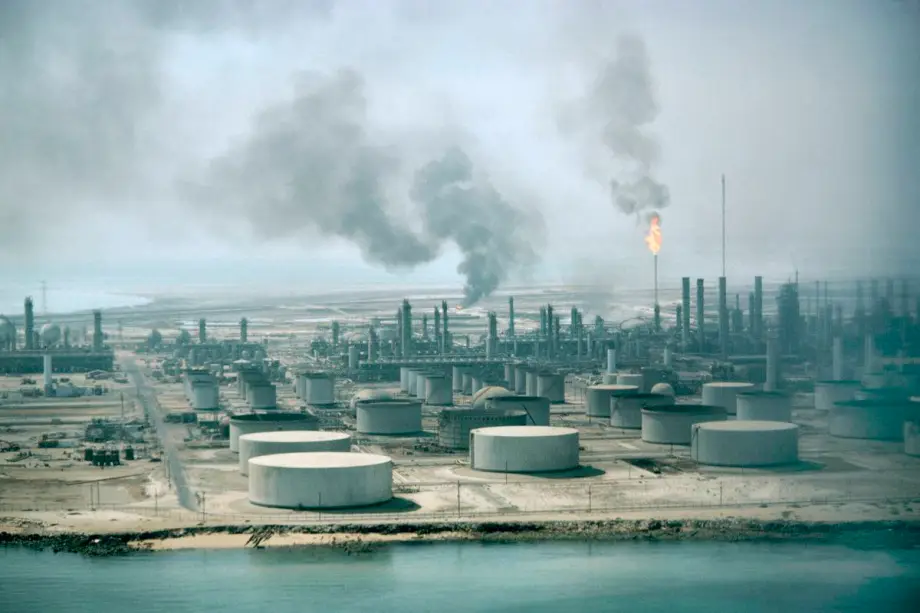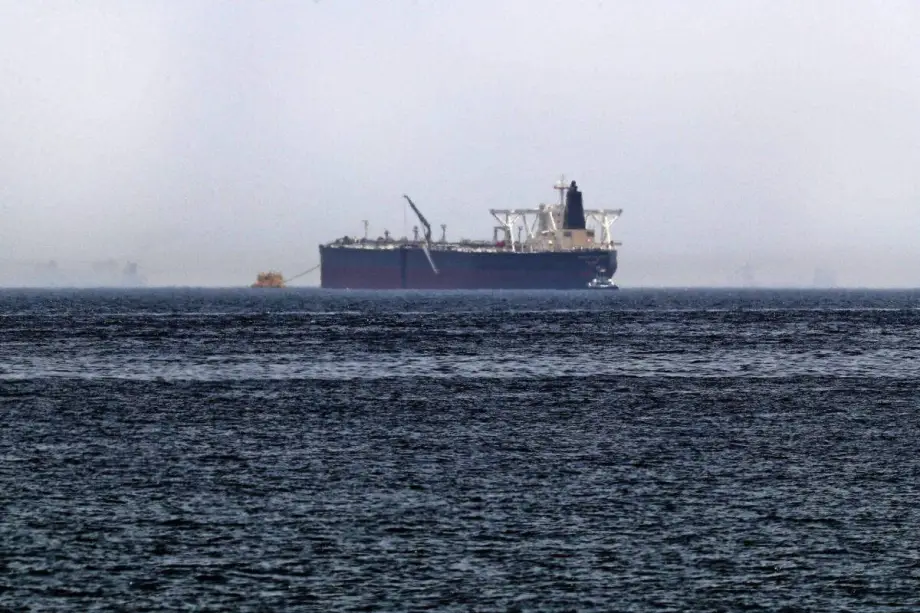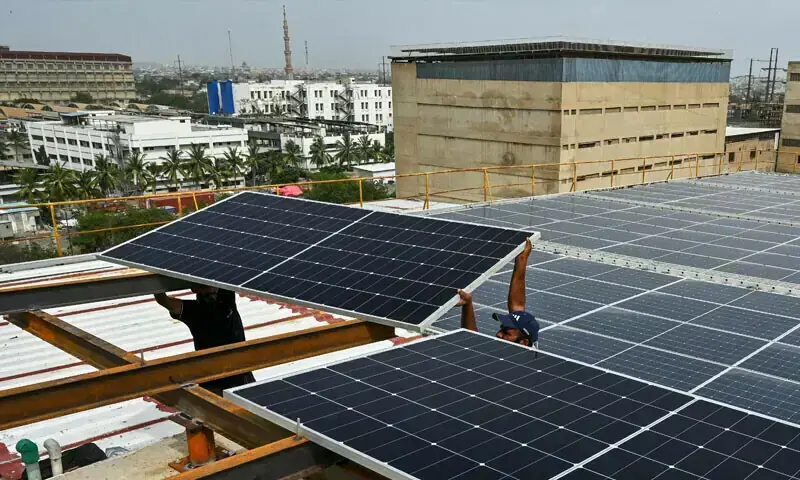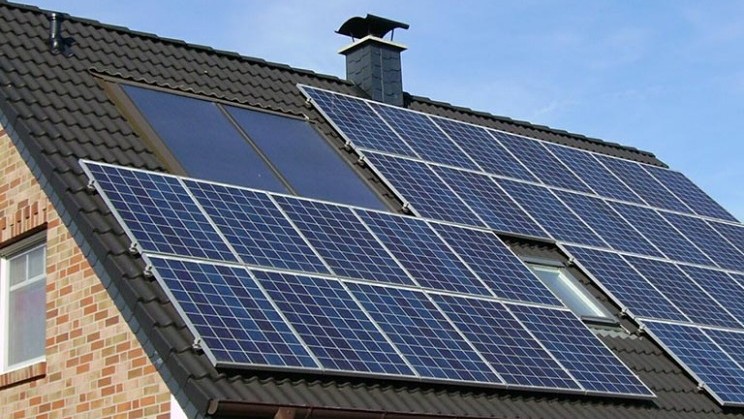
The Strait of Hormuz has become the pressure point of the global energy system. The war has already deprived global markets of 1 billion barrels of crude oil and petroleum products. Supply from the Middle East has been severely disrupted, and there is now rising uncertainty around Chinese refining projects and global inventories. For governments, part of the answer to this strategic crisis may now begin much closer to home.While energy security is often discussed from the top down – and pipelines, LNG terminals, strategic reserves, and naval routes remain indispensable – the present crisis is exposing another layer of vulnerability, closer to the consumer and often neglected by policymakers: a resilient energy system also needs strength at its edges.Decentralized energy has long been framed as a development story, and for good reason: the International Energy Agency reports that almost 600 million people in Africa still lack access to electricity. In this context, decentralized systems are the first practical route to power for many communities. This is why innovative SMEs pioneering grassroots solutions offer a useful lens for understanding how flexible energy models can lay the first stone in the foundation of resilience.From its base in Rwanda, BBOXX uses pay-as-you-go technology to deliver clean energy and digital services to underserved communities across Africa. The company says it has reached more than 6 million people. Energy access can, in fact, become economic infrastructure because a first connection changes the growth prospects of a business or household. Ignite Energy Access is working at a similar scale: the company describes itself as Africa’s largest-footprint distributed renewable energy provider, delivering reliable, affordable, and sustainable power across the continent. Its stated ambition is to connect 100 million lives by 2030, and its model shows that distributed energy can reach places that centralized infrastructure often reaches too slowly, or at too high a cost.But decentralized energy solutions are also strategically relevant in developed economies. Households in Europe do not face the same access challenges as off-grid communities in Africa. Still, they do face a growing need for autonomy, control, and protection from external shocks. As governments focus on adding more supply at the national level, energy resilience can be strengthened by giving households and communities more control over when they consume, store, and share power.Innovators like Sonnen are becoming relevant for established markets. The German clean energy company pioneered smart-home battery storage and virtual power plant models, enabling households to store renewable electricity and participate in a broader digital energy system. Sonnen says its virtual power plant in Germany already links tens of thousands of home batteries, with 250 megawatt-hours of capacity and a pathway toward 1 gigawatt-hour. That level of take-up shows there is clear demand for these solutions in mature energy markets. Developed economies should not dismiss decentralized energy as a tool destined only for emerging markets; geopolitical shocks have made Europe another frontline of the energy crisis.The strategic case for decentralized energy is becoming stronger as global energy systems become increasingly exposed to geopolitical disruption. The Strait of Hormuz alone normally handles around one-fifth of globally traded oil and a significant share of international LNG flows, while Europe continues to depend on imported energy despite years of diversification efforts. At the same time, electricity demand is accelerating due to electrification, artificial intelligence, data centres, industrial reshoring, and the expansion of digital infrastructure. Grid operators across Europe are increasingly warning that flexibility and storage capacity will become as critical as generation capacity itself. Every kilowatt-hour stored locally reduces pressure on transmission networks, lowers peak demand, and provides an additional buffer during market disruptions. When deployed at scale, millions of household batteries effectively function as a distributed strategic reserve, complementing national energy security infrastructure and strengthening resilience against external shocks.Though home batteries will not replace Hormuz, let alone secure LNG flows or rebuild refinery margins, decentralized storage can reduce peak stress, absorb surplus renewable power, and keep essential loads running during disruptions when multiplied across a grid. It adds redundancy, and in energy security, redundancy is insurance.The International Energy Agency has reached a similar conclusion in system terms. It argues that battery storage, smarter control of distributed solar and more flexible demand are becoming central to grid management. This is the practical frontier of resilience; gone are the days when the old model can afford to treat consumers as passive endpoints. As we work to build new, more resilient energy systems, we must treat users as active energy assets.Europe should understand this faster than most, since the continent has spent years learning that import dependence carries a strategic cost. It has also learned that energy policy should be judged by how effective it is when it comes under pressure.There is a danger, however, in overselling decentralization as an easy answer. It requires regulation, effective cybersecurity, and capital. Sonnen, BBOXX, and Ignite Energy Access were all able to scale with support from the Zayed Sustainability Prize (all three were winners) and other similar institutions. To truly nurture grassroots solutions, they must be given time and space to grow. Additionally, poorly designed incentives can shift costs onto those least able to pay. A decentralized system still needs a strong grid, strong institutions, and credible market rules. Governments cannot sit back and leave resilience to households alone; the answer is a pincer movement, with national investment from above and consumer flexibility from below.The next phase of energy security will be built through large assets and small ones working together. National strategy and household autonomy must go hand in hand.By Cyril Widdershoven for Oilprice.comMore Top Reads From Oilprice.comIndia Secures Crude Supply Through August with Higher UAE ImportsAnother Gulf Producer Joins Dark-Mode Tanker Traffic Through HormuzSanctioned Private Chinese Refiner Seeks Non-Iranian Crude
Why Household Batteries Are Becoming Strategic Assets | OilPrice.com
While decentralized energy is not a replacement for national infrastructure, combining large-scale energy assets with consumer-level storage and flexibility could become the next major pillar of energy security in Europe and beyond.
952 words~4 min read