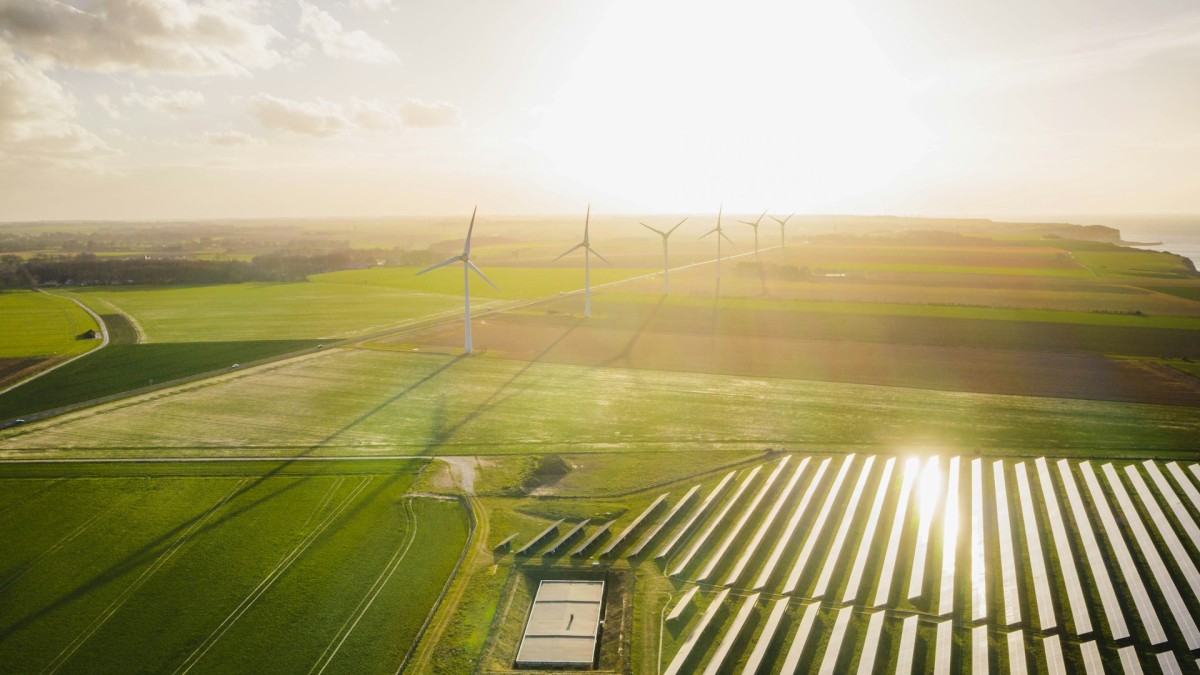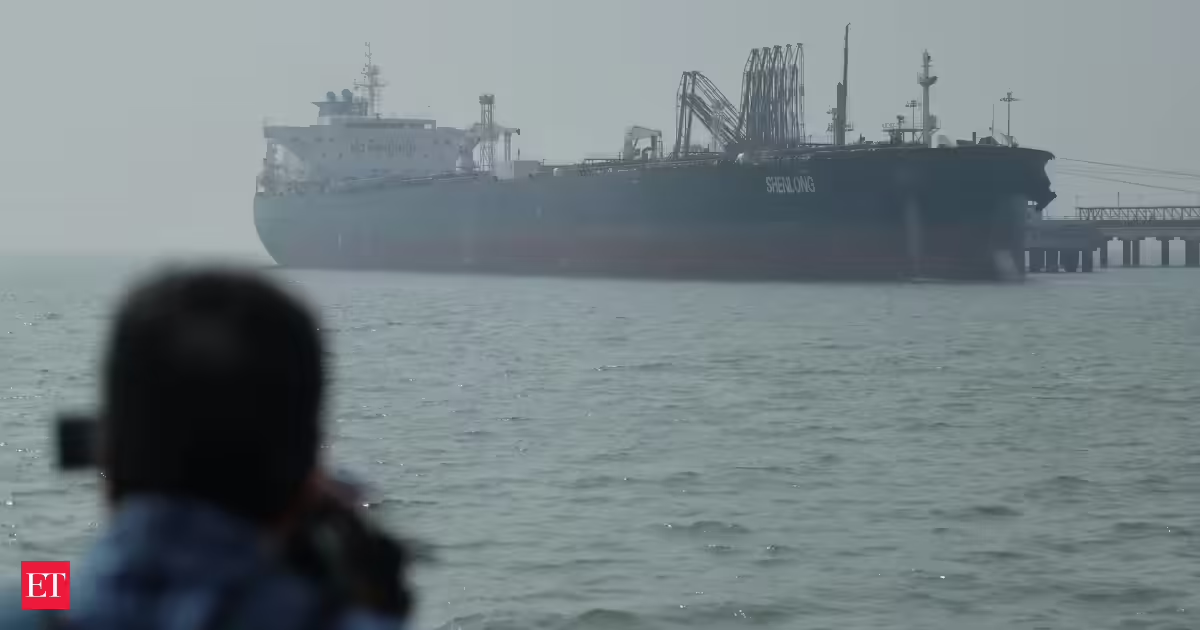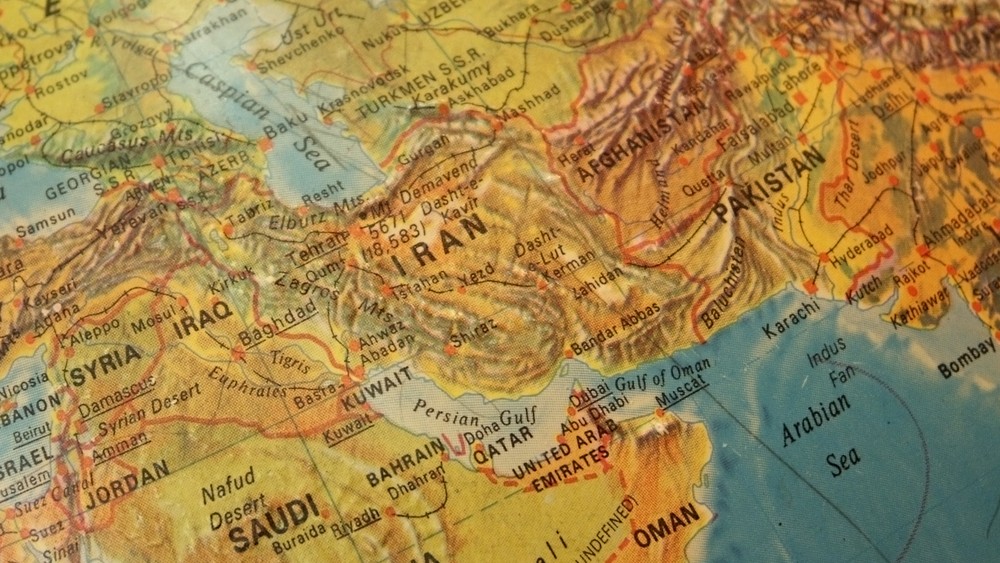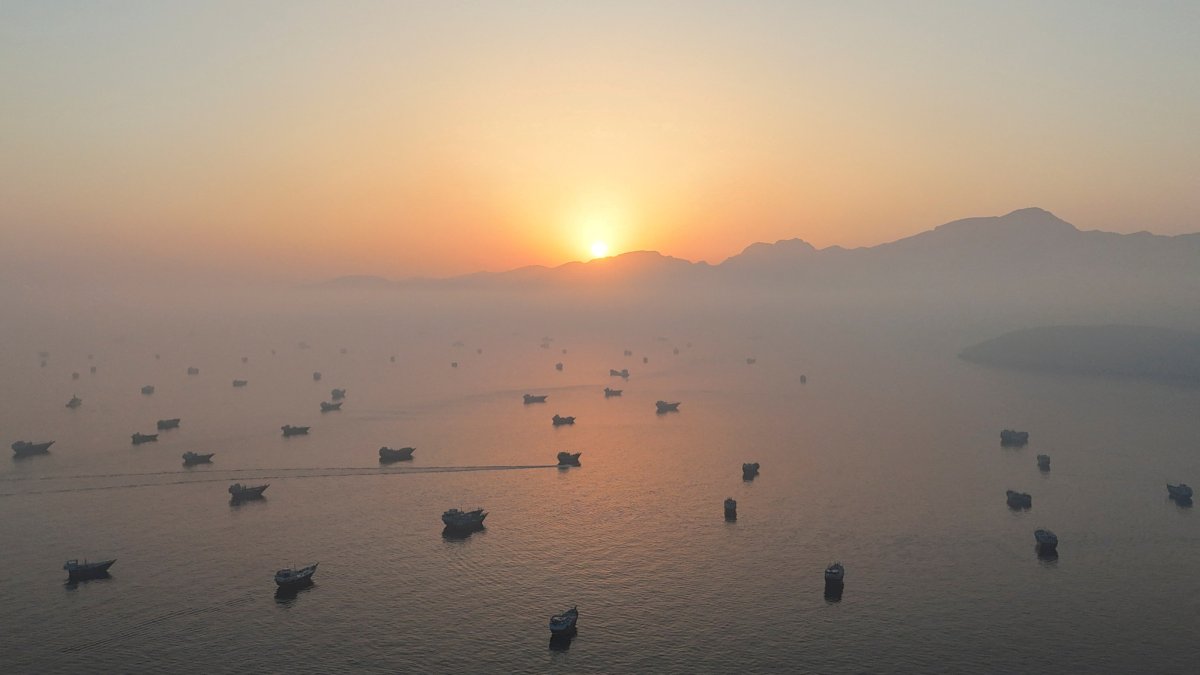
While ships are beginning to trickle through the Strait of Hormuz after months of near-total closure, it will be a very long time before the effects of this year’s energy crisis fade from the global economy – if they ever do. This latest round of turmoil in global oil and gas markets has catalyzed clean energy adoption to a degree that may permanently alter the global energy landscape, as well as the way that we conceive of energy security and geopolitical strategy.It is extremely telling that, against the backdrop of the United States and Israel’s war in Iran, demand for solar energy, electric vehicles, and battery-powered energy systems and storage have skyrocketed in the United States and abroad. In the past, energy insecurities have driven a return to fossil fuels as the stalwart, round-the-clock energy sources that we felt we could best depend on. But with three energy crises in four years, global leaders are starting to get wise and change their strategy. This year’s rush for renewable energy infrastructure in the face of market volatility therefore marks a historic sea change in geopolitics and a tipping point for the global energy transition.“This moment demands attention,” Time Magazine reported this week. “Across the U.S. and globally, interest in clean energy is accelerating faster than at any point in history, and not necessarily because of anything the clean energy movement achieved on its own. Understanding why is critical.”Set OilPrice.com as a preferred source in Google here.This is because the selling point for clean energy is no longer based on sustainability and climate change, which are politically charged goals that wax and wane between leadership administrations. Instead, clean energy increasingly represents energy independence and autonomy, assets which have become increasingly indispensable as global conflict ticks up and a new era of nationalism and protectionism takes hold around the globe. In this context, clean energy no longer represents a costly and risky experiment, but a necessity for energy security and resilience to supply chain shocks like the one ongoing in the Strait of Hormuz.“Wind and solar cannot be embargoed, blockaded, or shut off by a foreign power,” David Frykman, General Partner at Stockholm-based venture capital group Norrsken, wrote in an op-ed for Fortune earlier this year. “Every terawatt-hour of domestic renewable generation is a terawatt-hour that no adversary can weaponize.”This is true in virtually every corner of the globe. Unlike fossil fuels, which are geologically limited to certain resource-rich regions and countries, solar power can be viable – albeit to varying degrees – most everywhere inhabited by humans. And, as the cost of solar power continues to plummet, it has become increasingly accessible for even the most cash-strapped nations. As a result, some of the biggest areas for clean energy growth are in the Global South, and many poor nations are even leapfrogging the United States when it comes to solar capacity installations.This is not to say that the United States is not experiencing the same clean energy boom as the rest of the world. Despite antagonistic policy measures, solar power is booming under the Trump administration as the benefits of the technology simply outweigh the costs. Put simply, renewables have become too cheap to fail.“For years, clean energy has been sold as a moral imperative. Now it is simply an economic and geopolitical necessity,” Forbes reported earlier this year. “It’s not about emissions. It’s about resilience and price stability.”But it’s not just about prices. Time argues that we are now in a distinctive third era of clean energy growth. The first was geared toward mitigating emissions. The second was about economics. And now, it’s all about energy security. Of course, price stability is a critical component to energy security, but in a changing and increasingly volatile geopolitical climate, energy independence and autonomy are the order of the day. And solar power offers both in spades.By Haley Zaremba for Oilprice.comMore Top Reads From Oilprice.comKuwait Says Oil Output Could Hit 2 Million Bpd Within a WeekWhy Lunar Helium-3 Mining Still Can't Compete With EarthSolar Is the Cheapest Power in History, But States Are Retreating From It
Energy Security, Not Climate Goals, Is Now Driving the Clean Power Boom | OilPrice.com
Geopolitical turmoil in the Strait of Hormuz is driving a historic surge in clean energy, as solar and storage become tools for energy security.
682 words~3 min read