Get the latest news and updates from Dawn
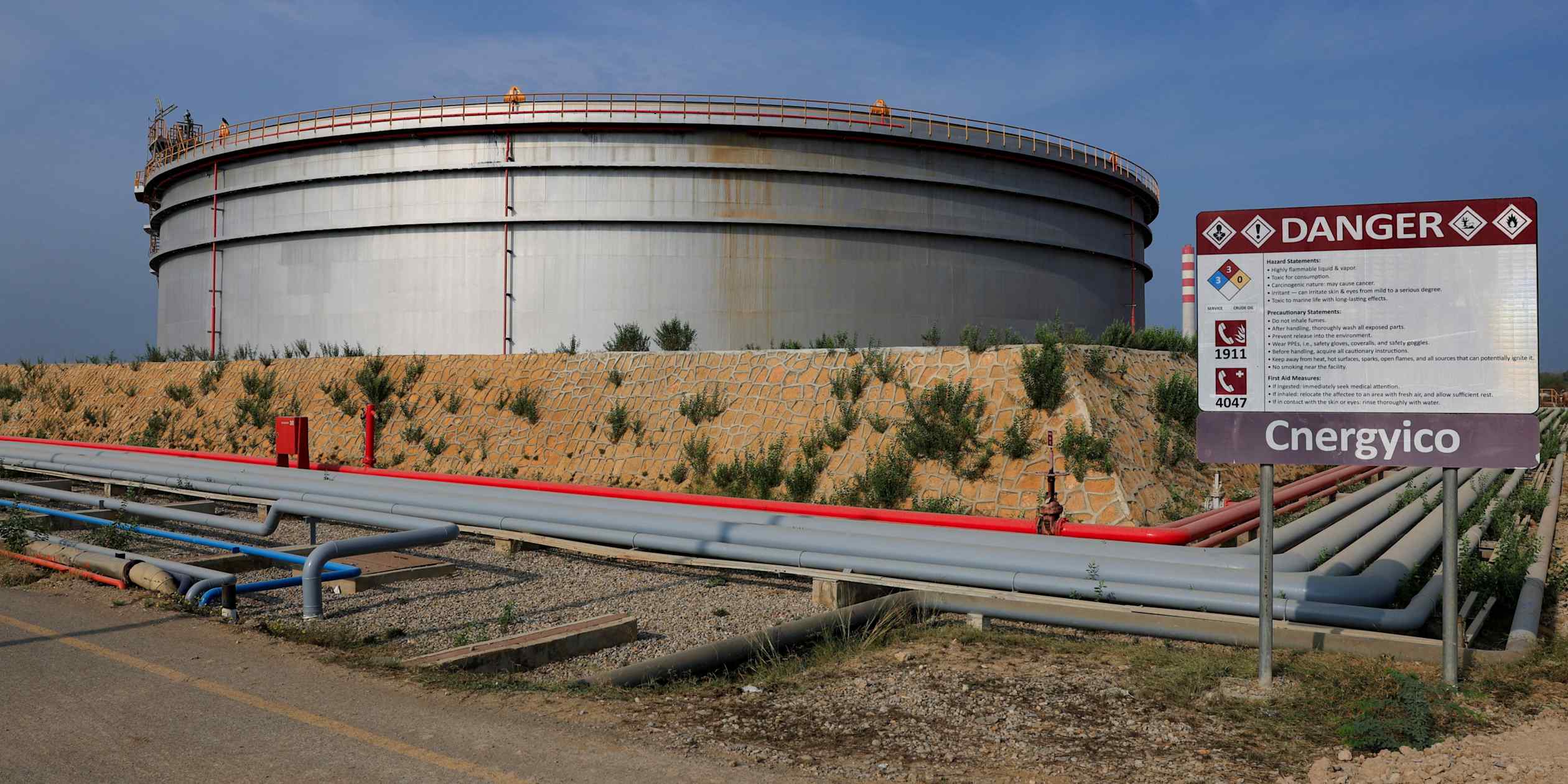
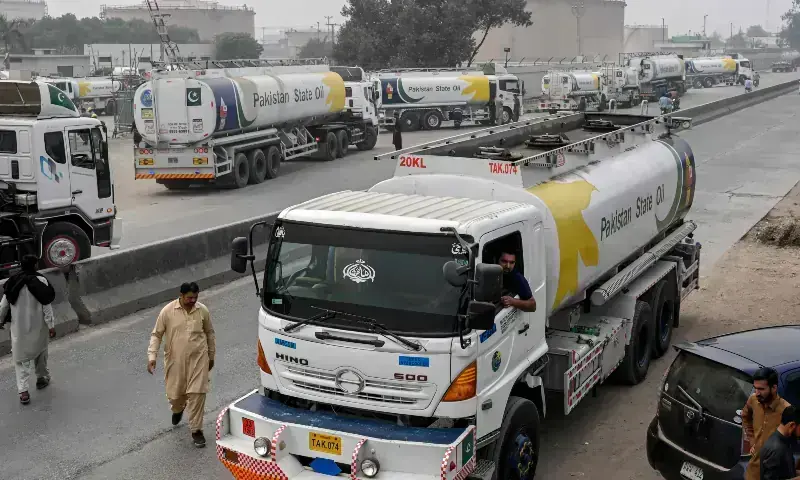
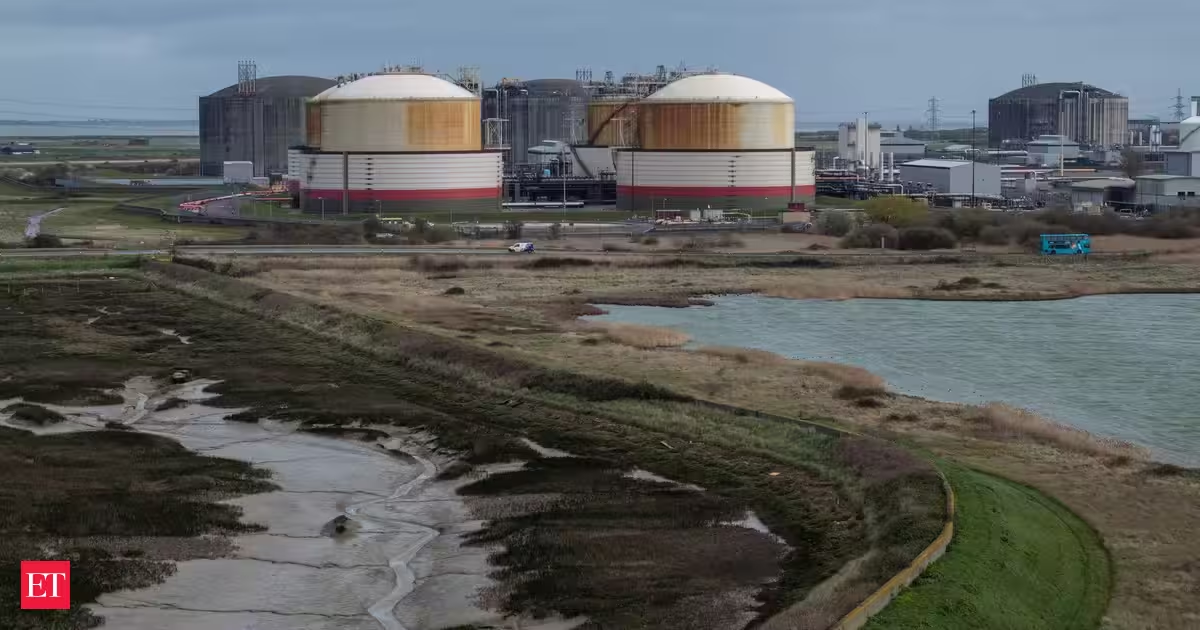
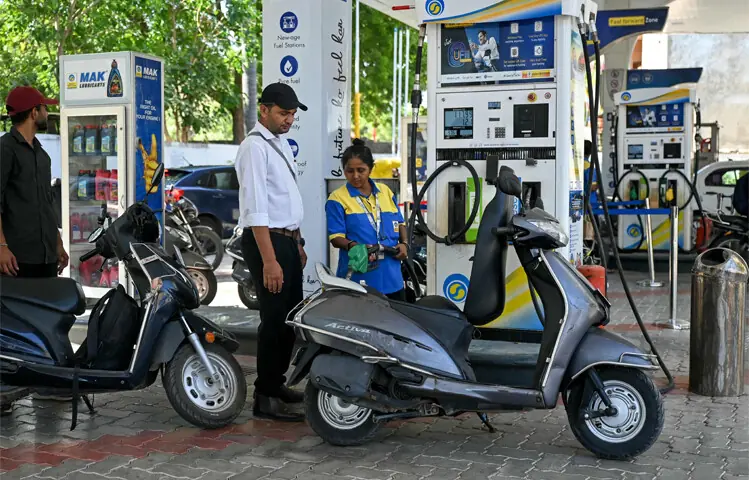
Earlier this year, when the Iran conflict disrupted oil flows across the Strait of Hormuz, every fuel-importing economy in the region had to recalculate its energy security. The cost of an LNG cargo into Karachi rose. The risk premium on Middle Eastern crude widened. Insurance rates for Gulf shipping spiked. Pakistan, predictably, did the same defensive arithmetic it has done in every previous regional shock: how much foreign exchange will this cost, how long can it be sustained, and what happens if it gets worse?
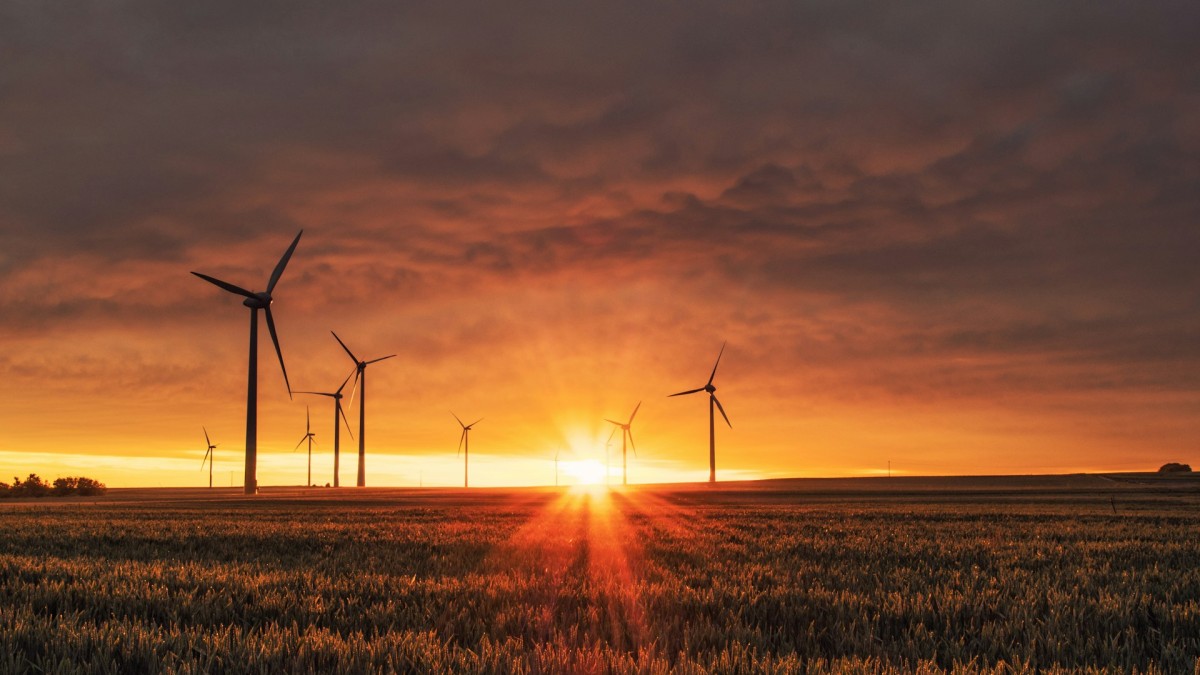
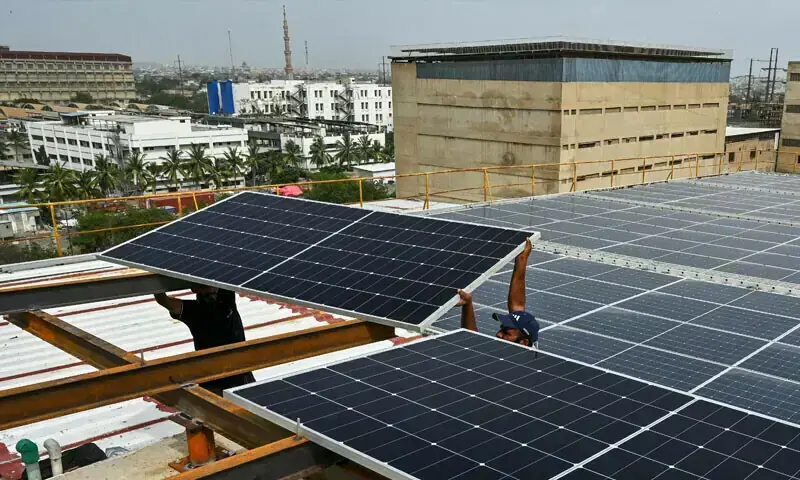
What was different this time, and what most of Pakistan has not fully absorbed, is that we did the arithmetic from a structurally different starting point. The country was already generating more than 25 per cent of its electricity from solar.
Pakistan’s fossil-fuel imports had fallen by roughly 40pc between 2022 and 2024, and (un)surprisingly, this did not happen by policy design. It happened through the cumulative effect of a decade of household-level capital deployment that no government planned, and no International Monetary Fund (IMF) programme prescribed.
The household-financed energy transition has bought about a kind of strategic autonomy that no government policy in the same period has produced