Get the latest news and updates from Dawn
ISLAMABAD: As energy disruptions caused by the Strait of Hormuz’s closure create a worldwide crisis, a new study by the Energy Transitions Commission (ETC) warned against expanding fossil fuel infrastructure and called for accelerating renewable energy to build resilience against future shocks.
The study by the ETC, a coalition of energy leaders aiming to achieve net-zero by 2050, said fossil fuel systems transmit shocks while clean energy systems, which have an upfront capital cost, absorb them.
“Fossil systems rely on continuous commodity flows through concentrated chokepoints, meaning disruptions are rapidly transmitted through global prices. By contrast, 70-90 per cent clean energy costs are upfront capital costs,” it said.
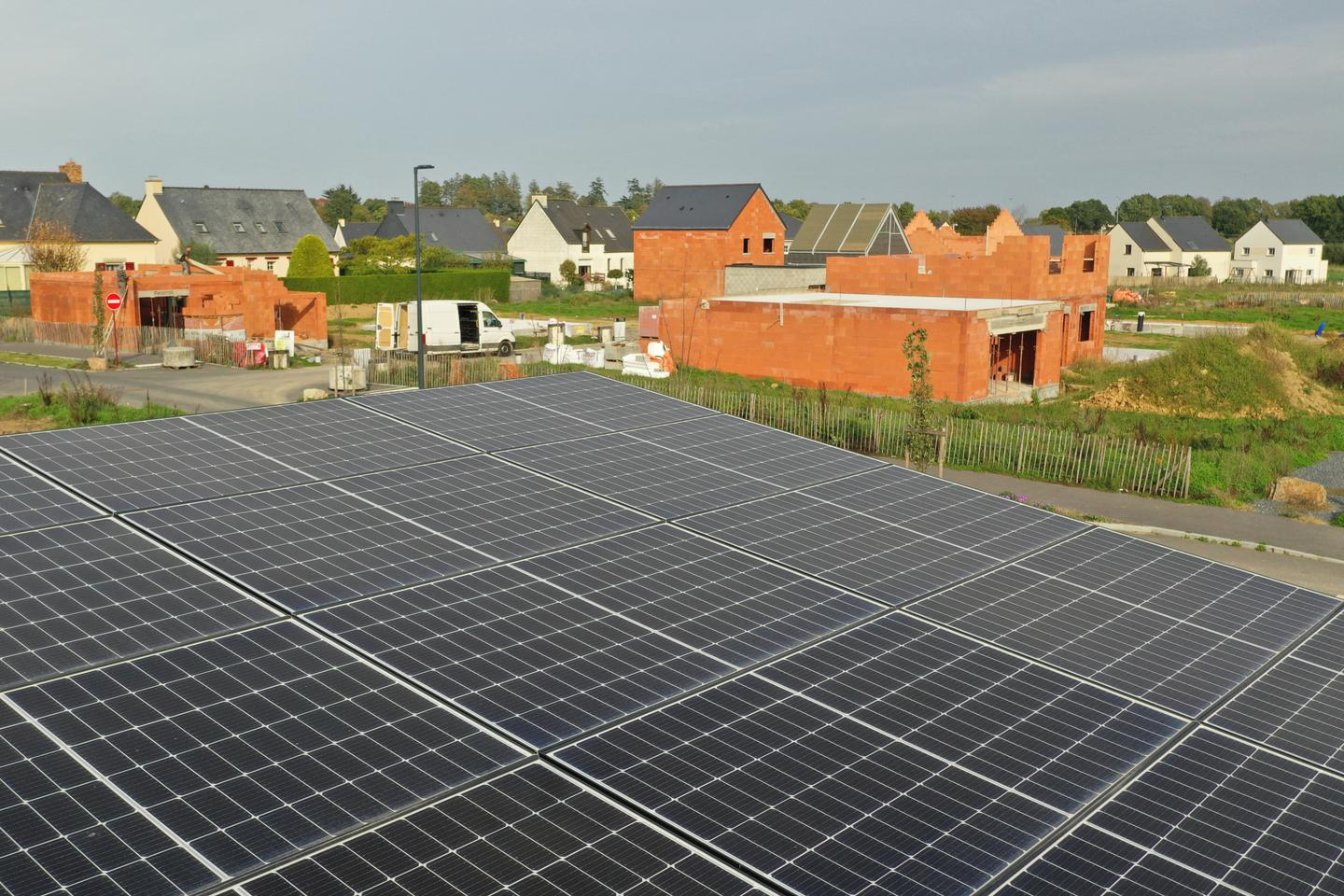
The study also alluded to recent research, which claimed rooftop solarisation in Pakistan shielded the country from the Hormuz shock and saved $12 billion since 2020. This solar expansion translated directly into reduced gas demand.