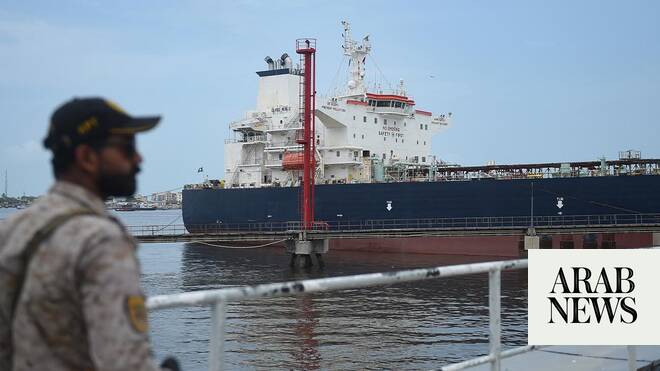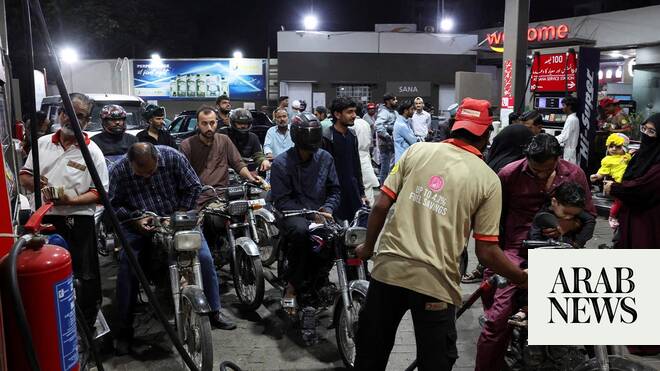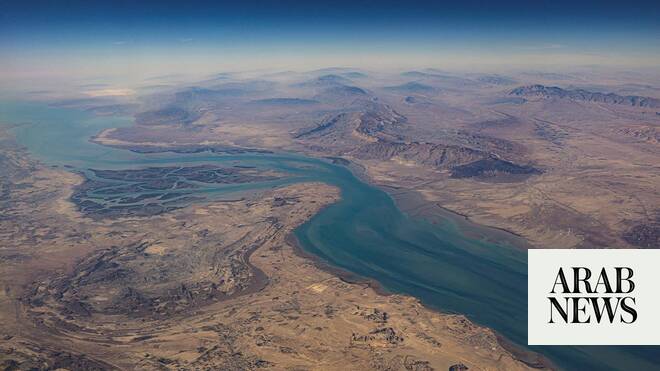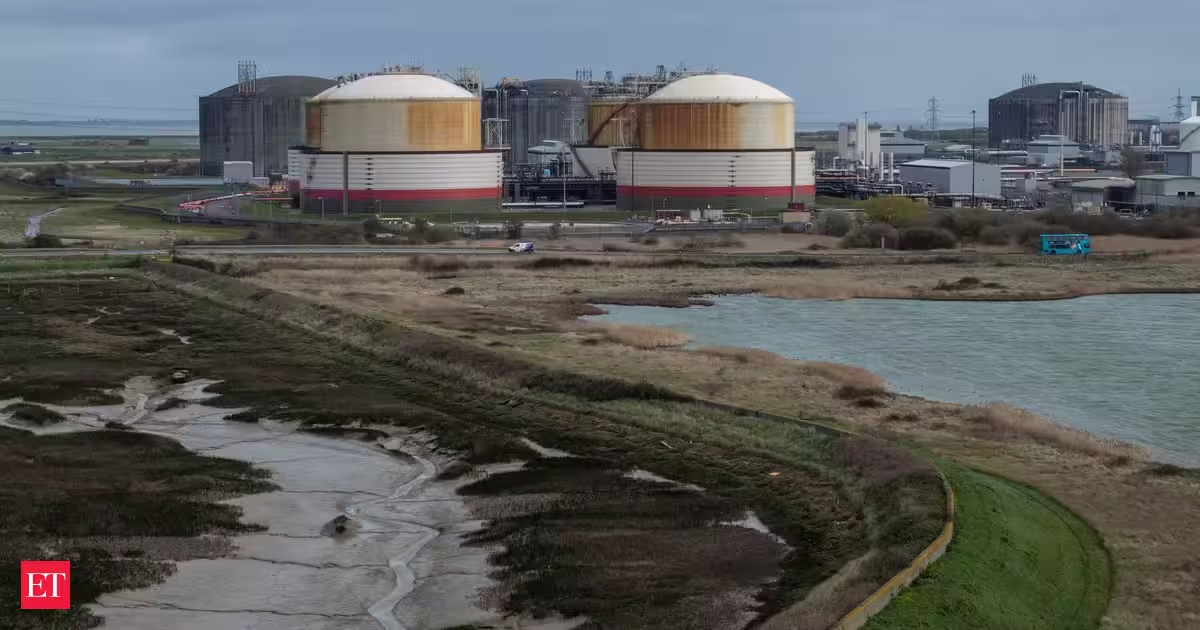
Confronted by escalating tensions in the Middle East and repeated disruptions to shipping through the Strait of Hormuz, Pakistan has begun taking concrete steps to establish its first-ever Strategic Petroleum Reserves (SPR).
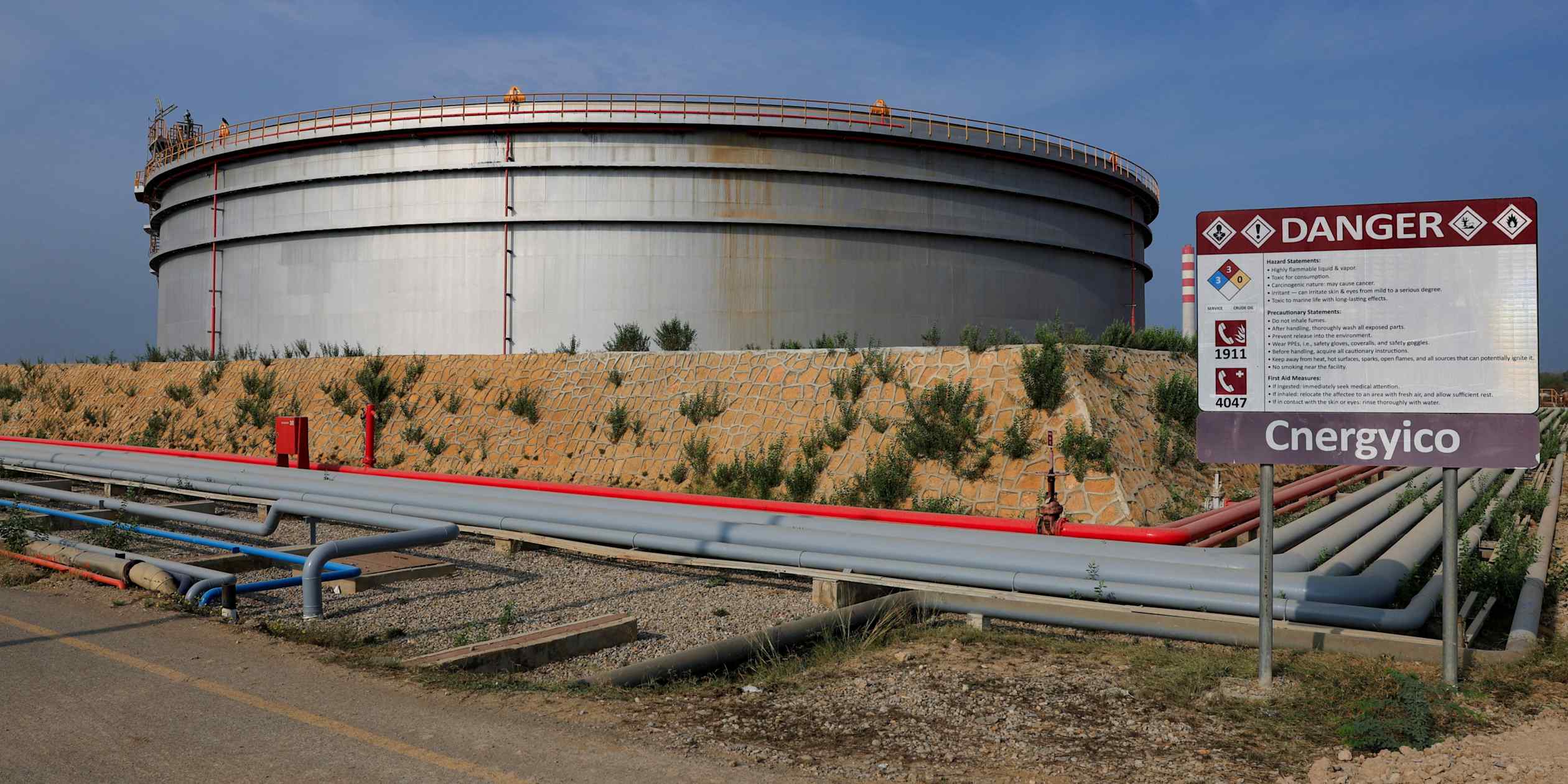
The country currently operates largely on a fragile, just-in-time commercial inventory model, with petroleum stocks providing only limited protection against prolonged supply disruptions. Under the proposed strategy, the government plans to establish a 45-day emergency oil buffer in the first phase, with a longer- term objective of expanding reserve capacity to 90 days.
These stocks could be requisitioned by the state during a national supply emergency. As a longer- term strategic initiative, Islamabad is promoting the development of a Pakistan Maritime Energy City at Gwadar Port. Gulf countries, including Saudi Arabia and Kuwait, are being invited to establish and maintain strategic crude-oil reserves there. Such an arrangement could allow Gulf producers to store oil outside the immediate conflict zone while giving Pakistan a right of first purchase in an emergency.
Islamabad is simultaneously seeking financial protection against the immediate impact of energy disruptions. It has reportedly formally requested a $6.7 billion deferred-payment oil facility from Saudi Arabia on highly concessional terms: an interest rate of one per cent, a 15-year repayment period and a five-year grace period.