Get the latest news and updates from Dawn
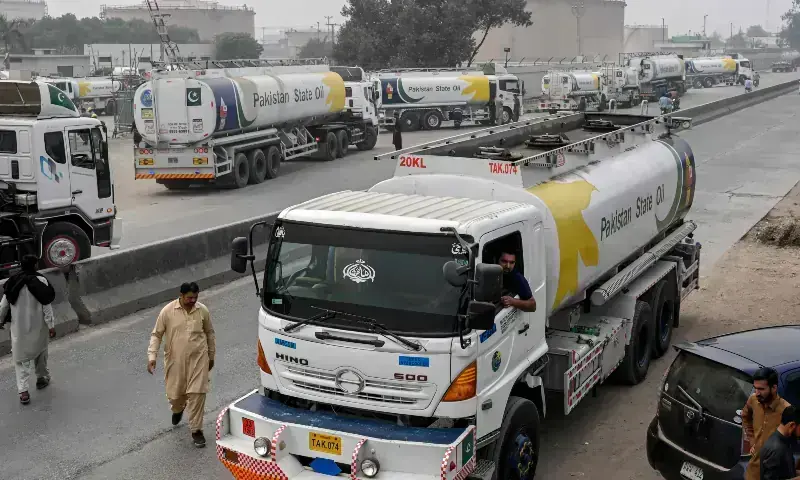
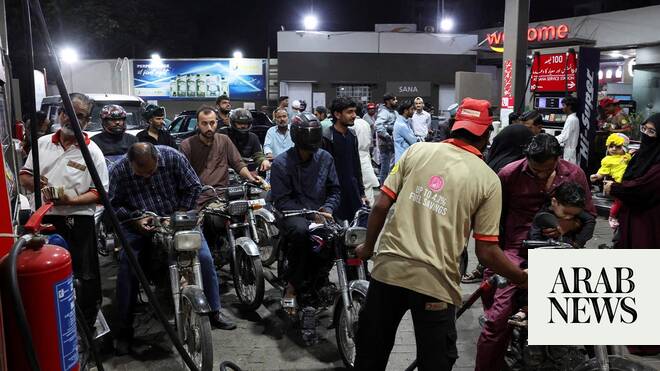
EVERY conflict eventually finds its own narrative of victory. The US-Iran confrontation will follow the same script, with both sides claiming strategic success. Yet, for Pakistan, the risk of becoming collateral damage in a geopolitical conflict needs serious consideration. Since 1963, from the Arab-Israeli conflict to the OPEC embargo, each disturbance has jolted Pakistan’s economy as fuel prices spiked causing import bills to soar. Every $10 rise in oil prices adds roughly $1.5 billion to Pakistan’s import bill. Since over 80 per cent of our petroleum products are imported, the economy has little room to absorb external shocks. This phenomenon was evident during the Russia-Ukraine conflict and the recent US-Iran war, when petrol prices jumped nearly 70pc, feeding straight into transport and food costs. Inflation surged to double digits in April 2026 for the first time in 21 months, reaching nearly 11pc.
The damage runs deeper than inflation, as rising energy costs reach the average household from two directions at once. On the supply side, fuel prices seep into every link of the food chain — from irrigation and fertiliser to storage and transport. On the demand side, the squeeze is more direct. The data presented in the Household Integrated Economic Survey, 2024-25, shows that housing and utility expenses climbed sharply from 15pc to 25pc over the past two decades, while spending on food declined from 43pc to 37pc, forcing families to cut spending on food, health and education. This deepens malnourishment and illiteracy, turning energy inflation into a long-term socioeconomic liability.