Get the latest news and updates from Dawn
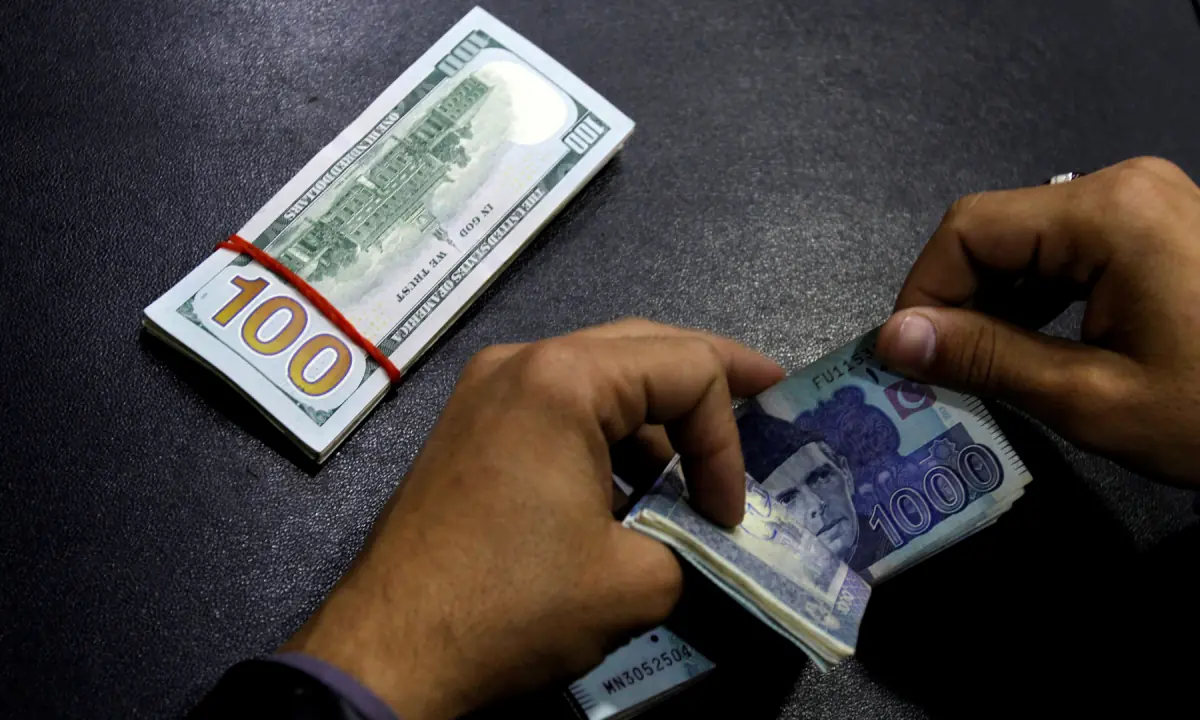
AMID the US-Israel war on Iran, Pakistan earned global recognition for its diplomatic efforts to promote peace. Yet, even as Islamabad projected itself as a stabilising force, a situation emerged that nearly exposed its economic fragility. The UAE recalled $3.5 billion in deposits, which, together with an impending repayment of a $1.3bn Eurobond, created immediate pressure on Pakistan’s buffers painstakingly rebuilt over the past three years. The UAE had earlier assured the IMF it would maintain its exposure until September 2027, but strategic considerations evidently outweighed these commitments, underscoring the unreliability of bilateral support, and the imperative for regaining economic sovereignty.
In this moment, Saudi Arabia stepped in with a commitment of $3bn in additional deposits to help Pakistan maintain its foreign exchange reserves and avert a fresh external financing scare that could derail its Extended Fund Facility programme. It also indicated that its existing $5bn deposit would no longer remain subject to the earlier rollover arrangement, raising Pakistan’s liabilities to Riyadh to $8bn, highlighting deepening interdependence in both security and economic affairs.