Get the latest news and updates from Dawn
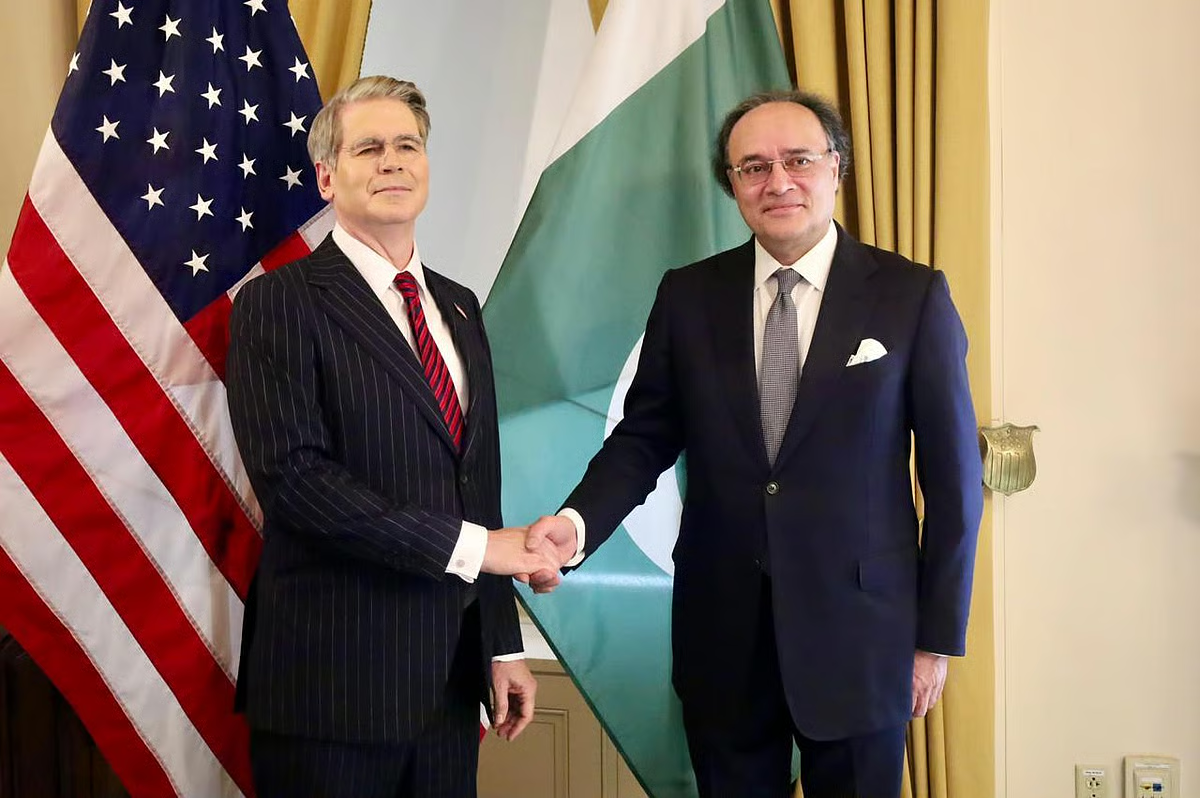
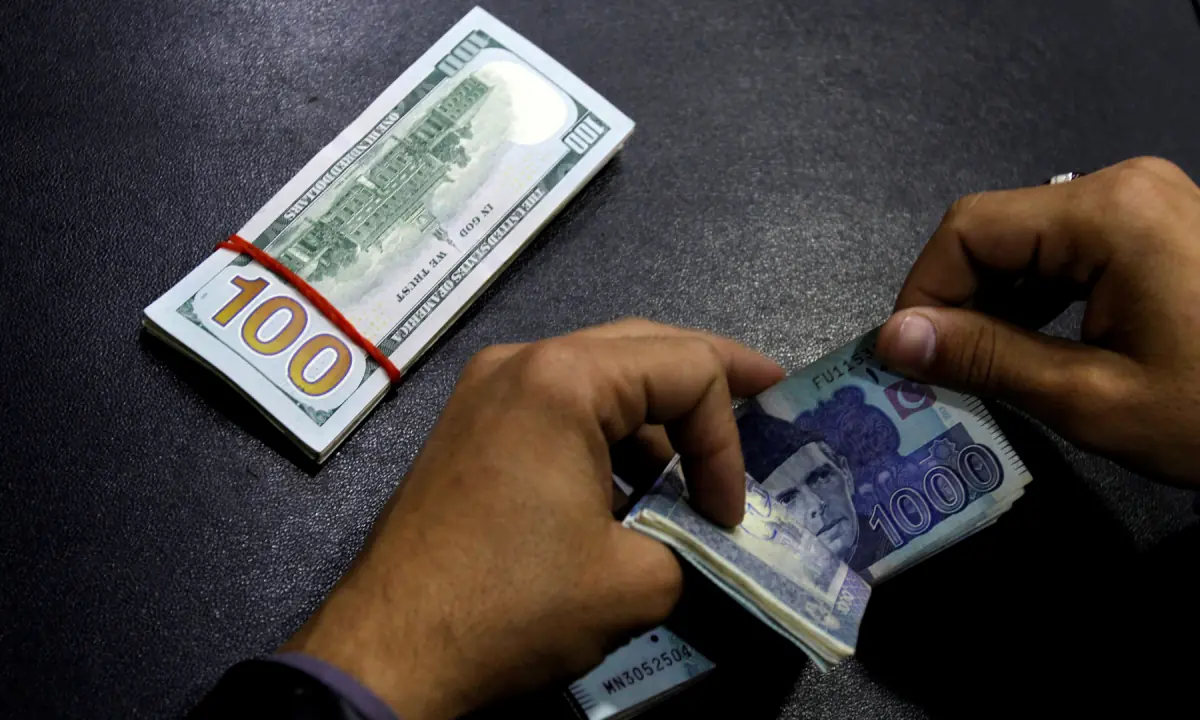
Pakistan has reportedly asked the United States for a $10 billion currency-swap facility from the US Treasury’s Exchange Stabilisation Fund. The request arrived at an extraordinary moment: the United States is at war with Iran, Pakistan has become an important channel for diplomacy between Washington and Tehran, and Islamabad is again trying to turn geopolitical relevance into economic relief.
The details of the proposal remain unsettled. Its legal structure, pricing, maturity, conditions and permitted uses have not been publicly disclosed. It may not be approved, and even an approved line may never be drawn. Those qualifications matter. But they do not make the request politically unimportant. On the contrary, the very possibility of such a facility tells us something about how money and power now travel together.
Pakistan already has extensive experience with bilateral financial support, most notably through its currency-swap arrangement with China. A US facility would add another layer to that relationship, placing Pakistan at the intersection of two competing monetary networks. Beijing’s swap lines support trade in renminbi, advance the currency’s internationalisation and reinforce China’s political influence. Washington’s provision of dollar liquidity sustains the dollar-centred financial order while rewarding countries that matter to US economic and strategic interests.