Europe is facing an energy shock. Oil and gas prices haven’t reached the heights governments feared back in March when the US-Israeli war against Iran started.
But with no resolution to the war in sight, the crisis is far from averted.
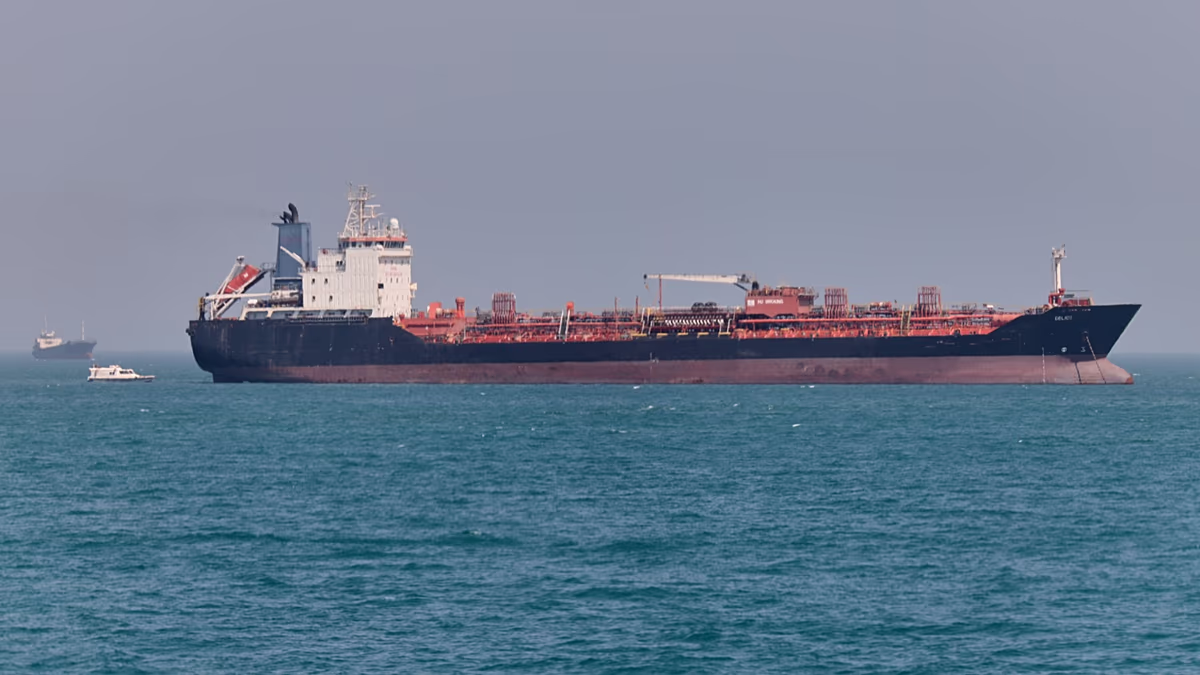
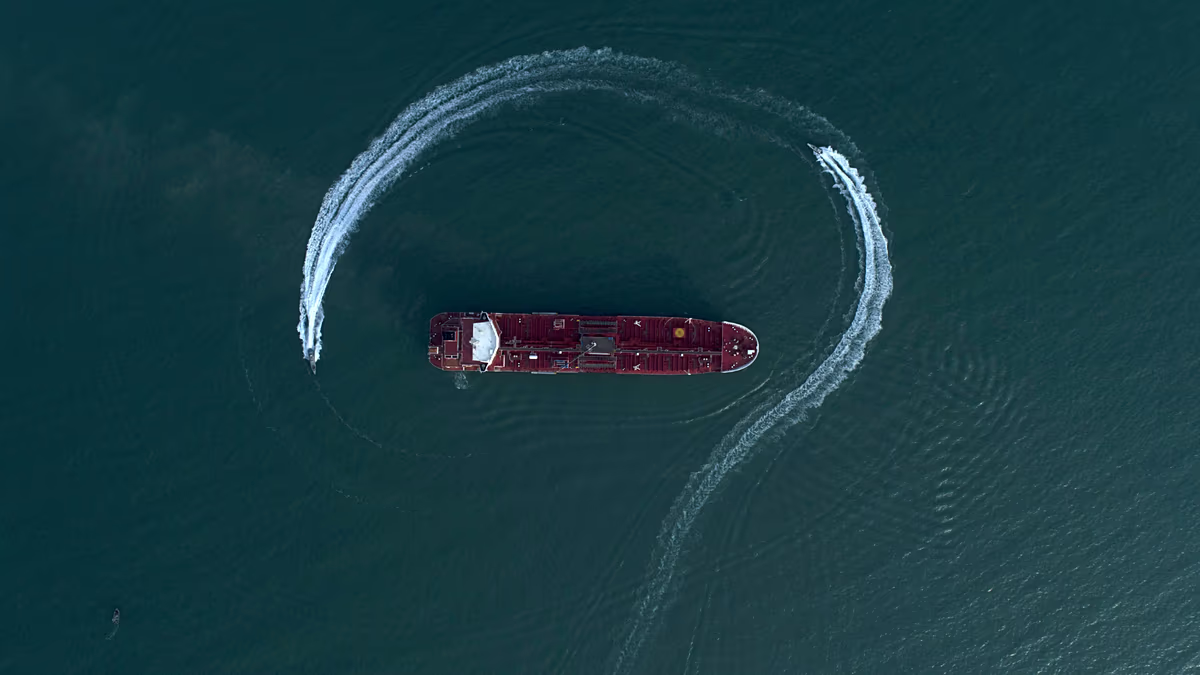
Iran’s closure of the Strait of Hormuz disrupted about a fifth of global oil and liquefied gas flows. It is still, as International Energy Agency’s chief Fatih Birol described it in April, the “largest supply disruption” in the history of the global oil market.
For now, oil prices have settled back to around $100 a barrel. Gas prices in Europe are about 50 percent higher than pre-war levels, but electricity prices, the bread and butter of the global economy, are roughly the same as they were last year.
Why? Long story short: many people in the global south have stopped using oil, some Gulf supply now reaches global markets through pipelines crossing the Arabian desert; and wealthy countries, most importantly China, are drawing down reserves fast.