Greenpeace has criticised the EU's response to the energy crisis triggered by the war on Iran as riddled with "deep structural incoherence" – warning that European governments have prioritised short-term fossil fuel subsidies over the clean energy transition.
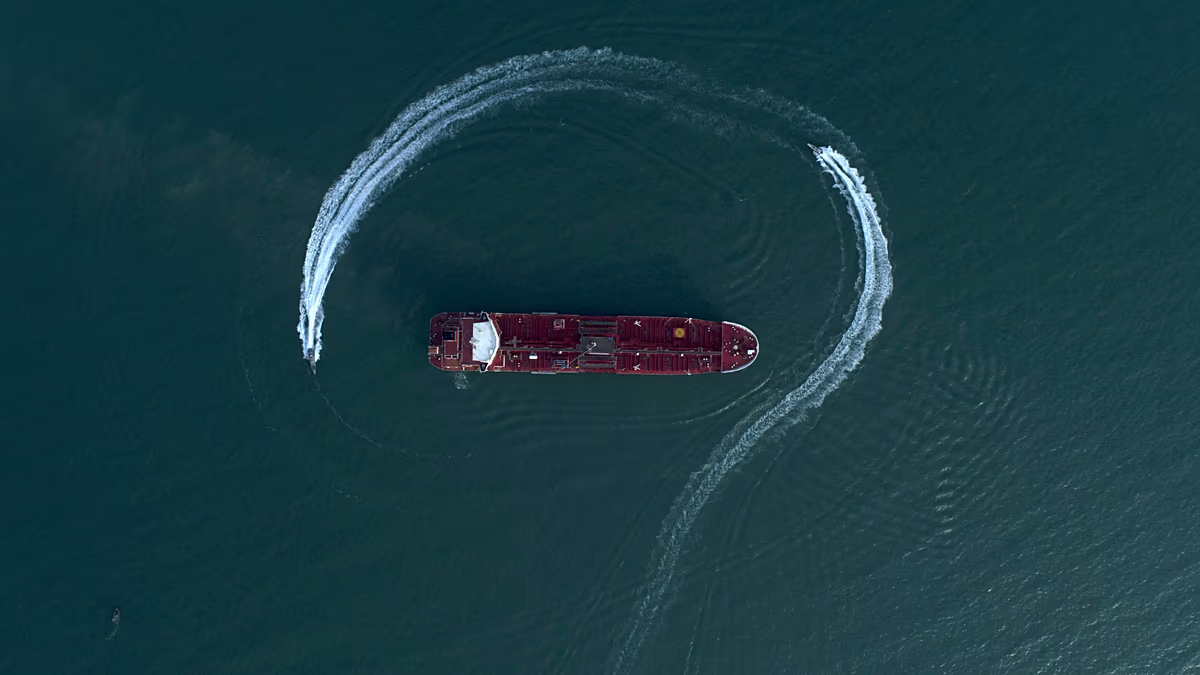
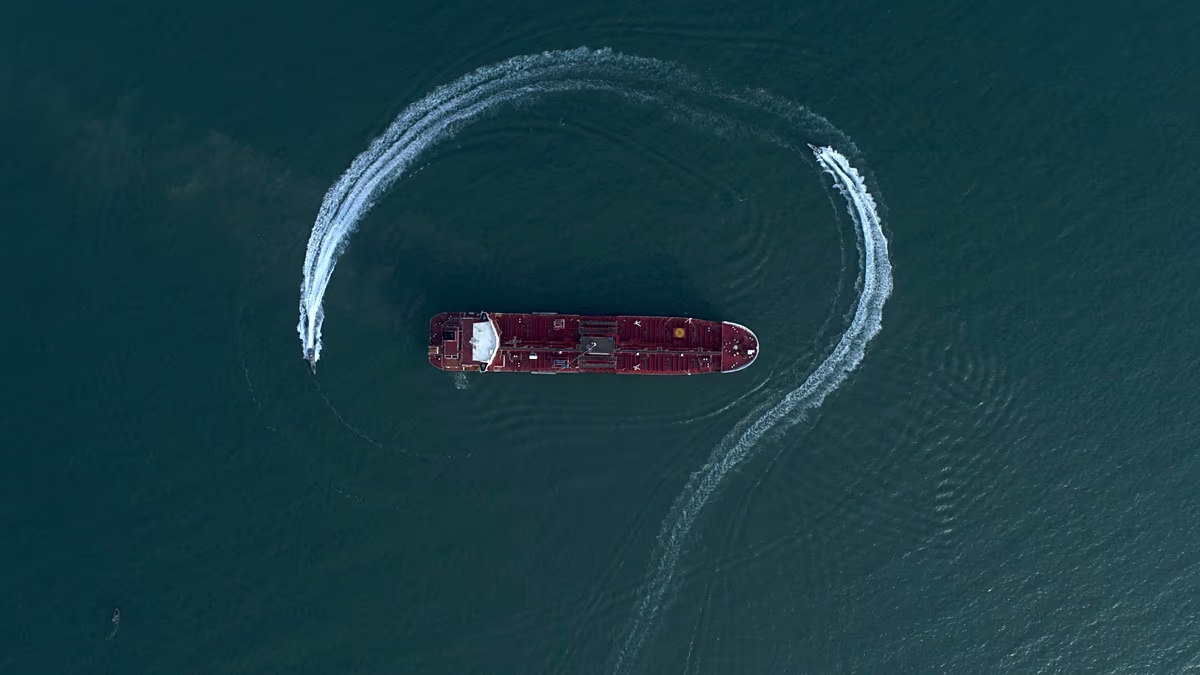
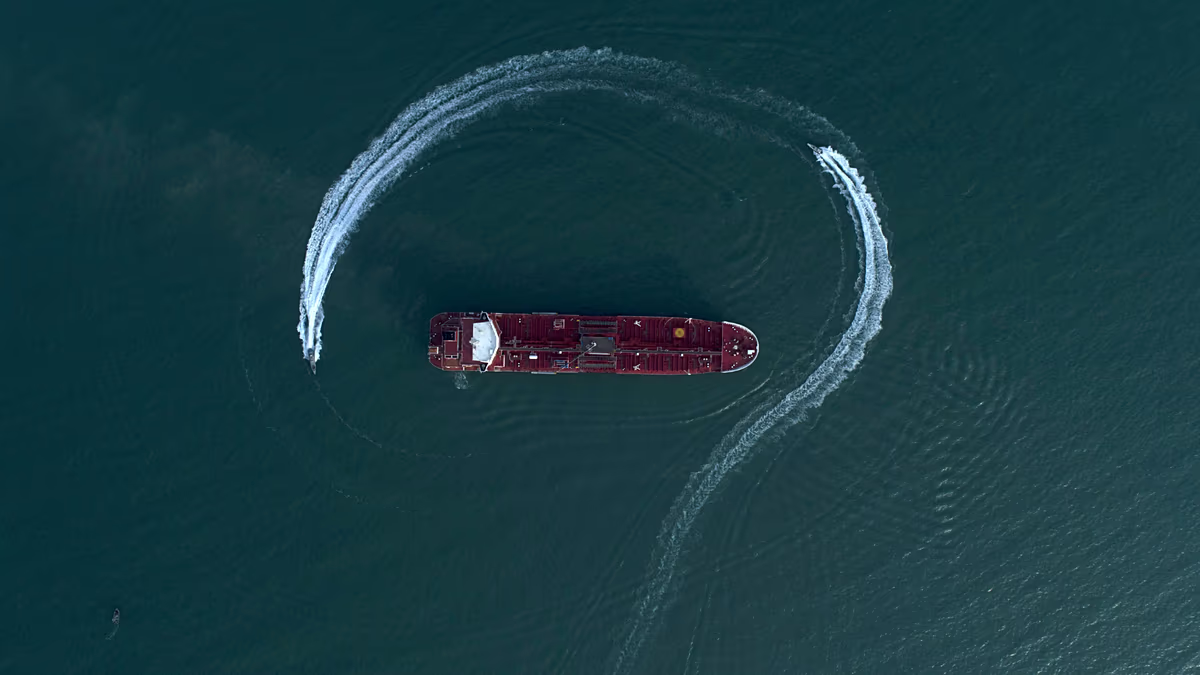
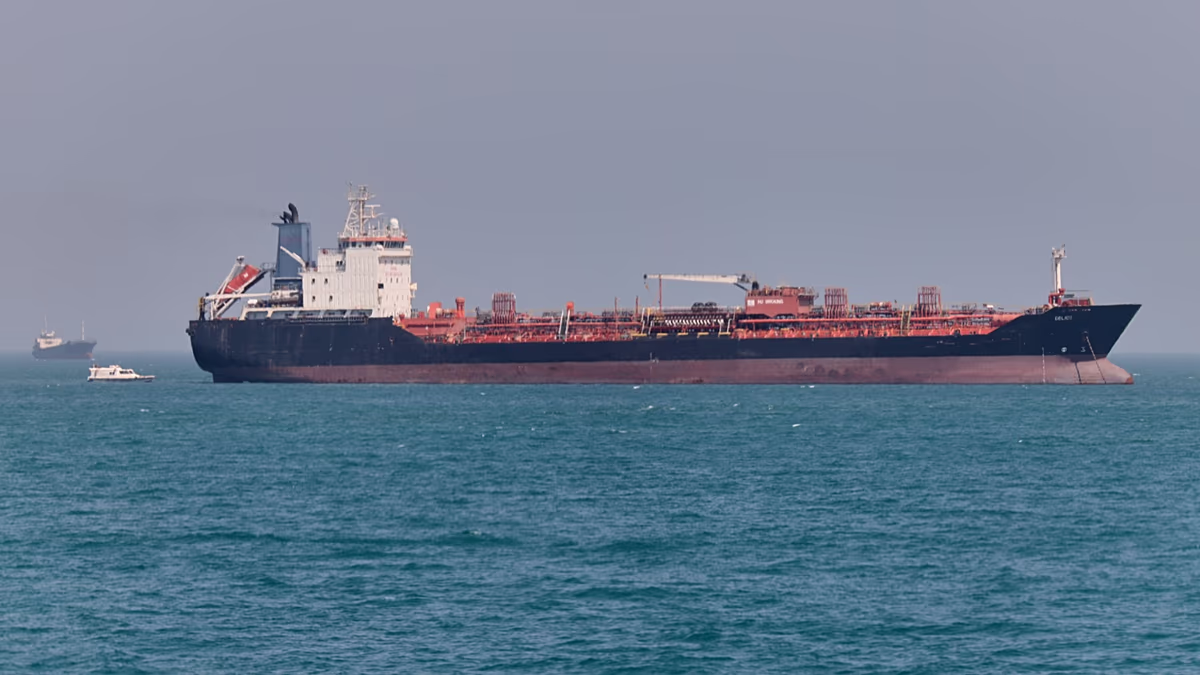
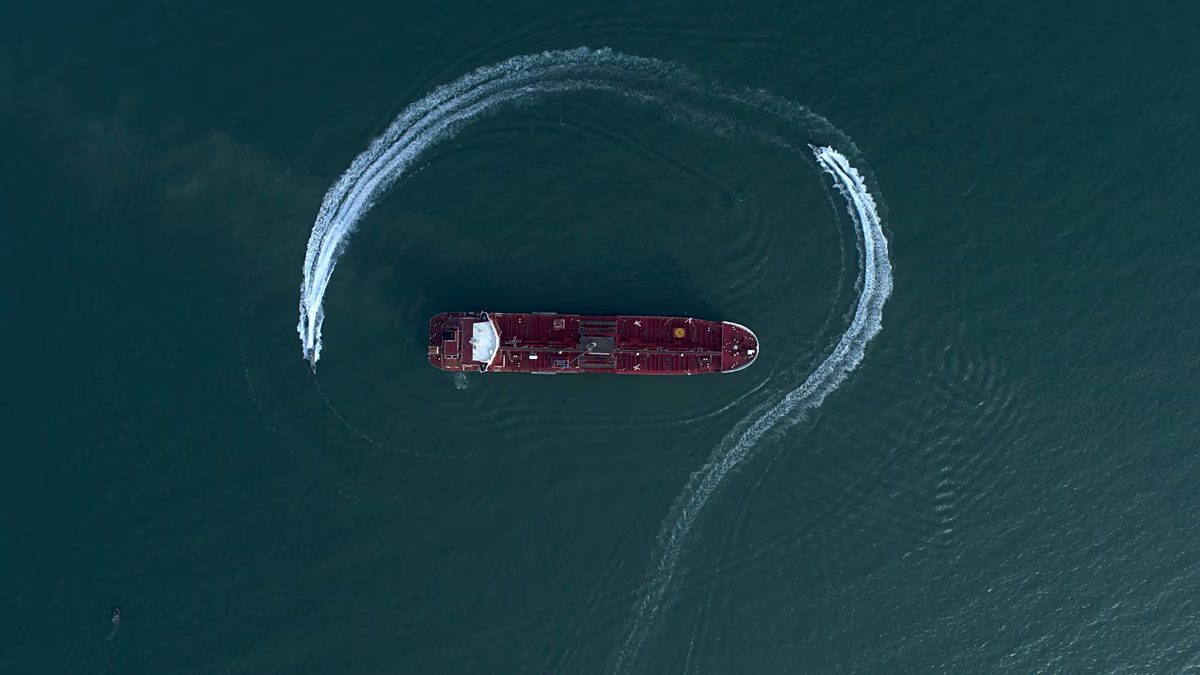
The US-Israel offensive against Iran, launched more than 100 days ago, sent shockwaves through global energy markets after Tehran closed the Strait of Hormuz. The ongoing diplomatic back-and-forth between Washington and Tehran has continued to fuel uncertainty in the sector ever since.
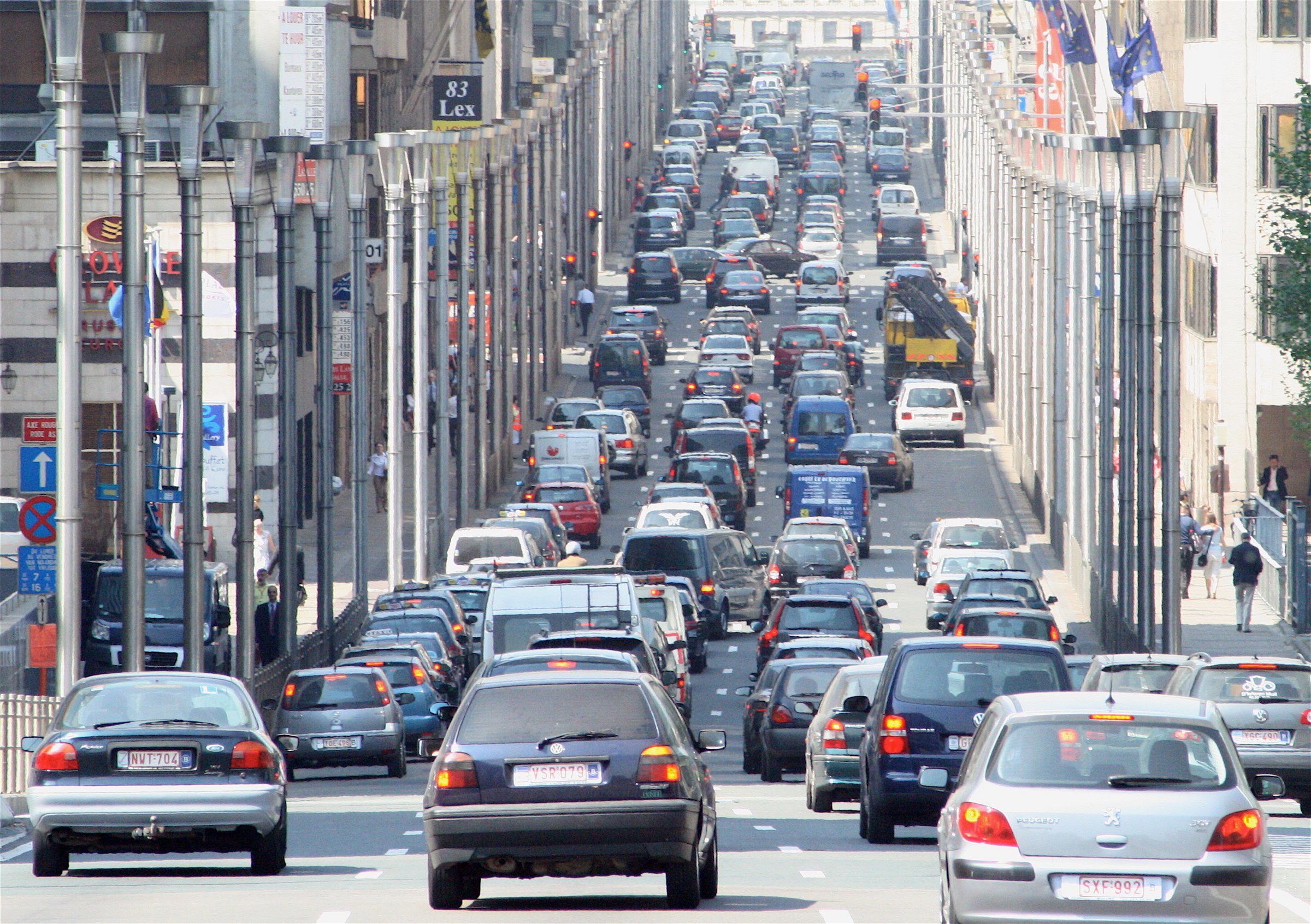
Fuel prices across Europe have risen sharply, with Spain seeing an increase of more than 34 per cent. In response, EU member states rushed to introduce measures to cushion the blow for households and businesses.
The environmental group has now published a report – 'Fossil bail-out or energy transition: Spain and the Strait of Hormuz crisis' – analysing the policy responses of seven EU countries: Germany, Greece, Ireland, the Netherlands, Portugal, Spain and Sweden. Its conclusion is damning.
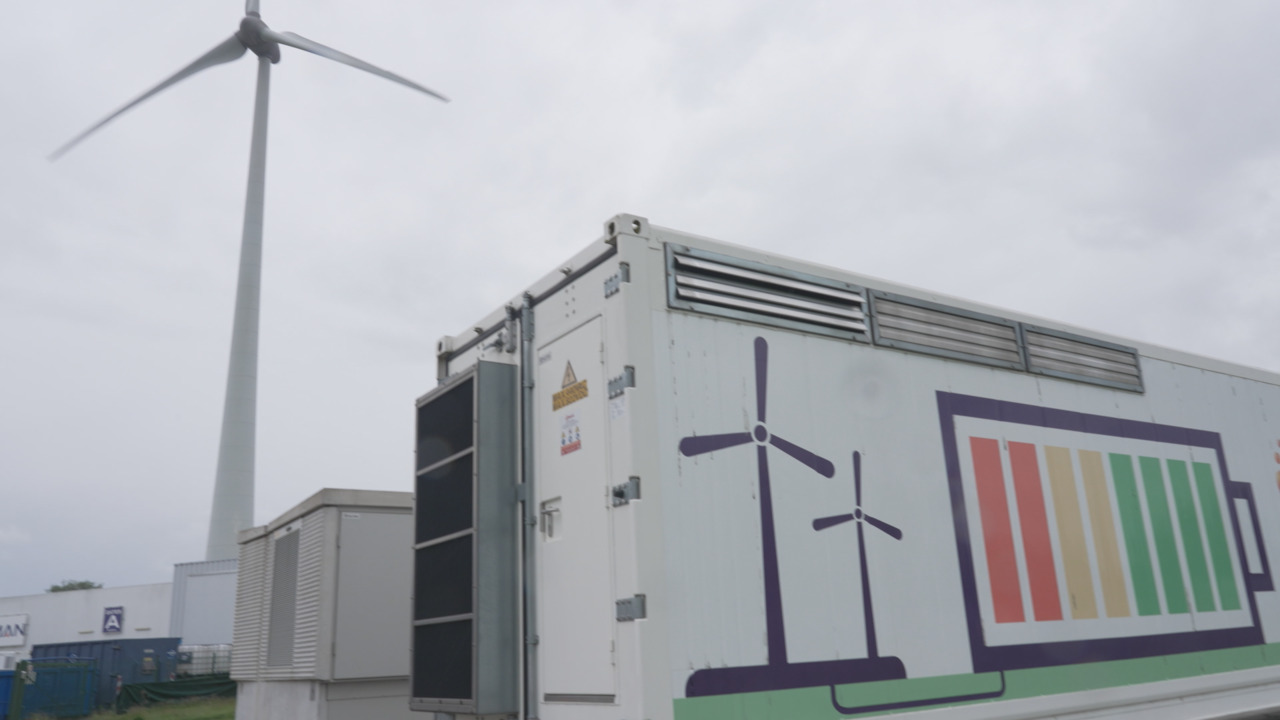
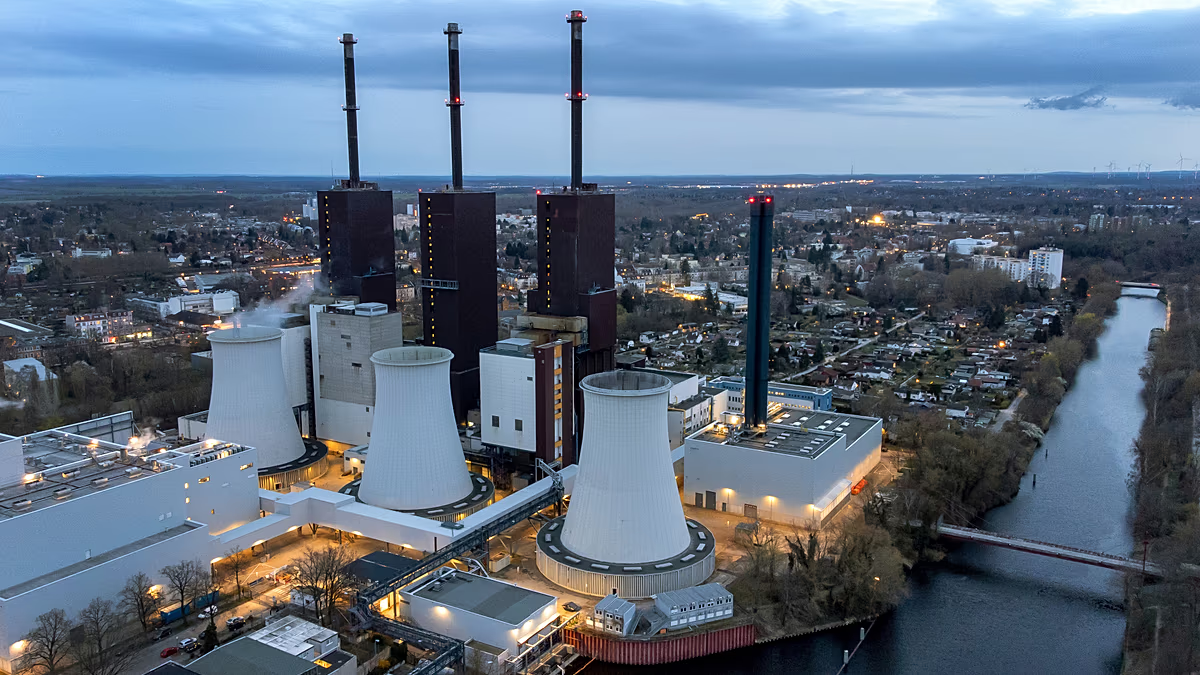
"The methodological analysis carried out by Greenpeace reveals a deep structural incoherence in the response to the energy crisis caused by the war on Iran on the part of the EU countries examined," the report states, adding that a "unique opportunity" to accelerate the clean energy transition has been squandered. "None of the countries analysed has plans fully aligned with the [energy] transition – and on the contrary, they are allocating more resources to a fossil bail-out."