The organisation Greenpeace deplores the 'deep structural incoherence' in the various measures adopted by European Union countries in response to the rise in energy costs driven by the war in Iran, which at the start of the year sparked a sharp surge in prices for oil and gas.
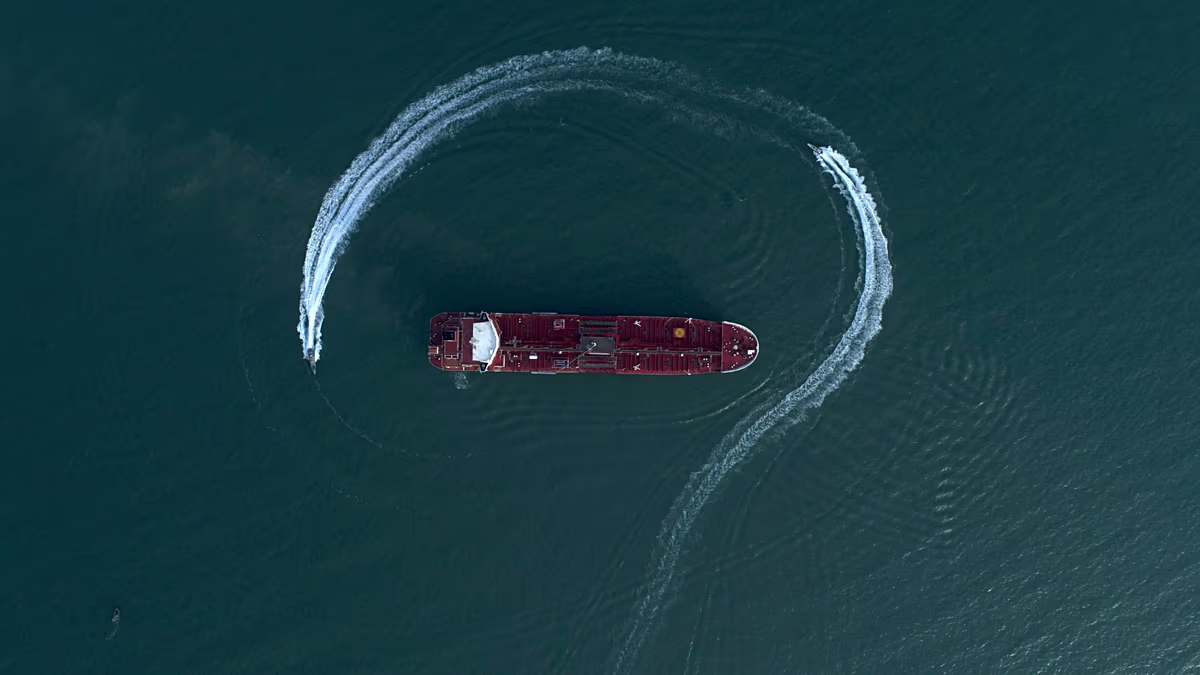
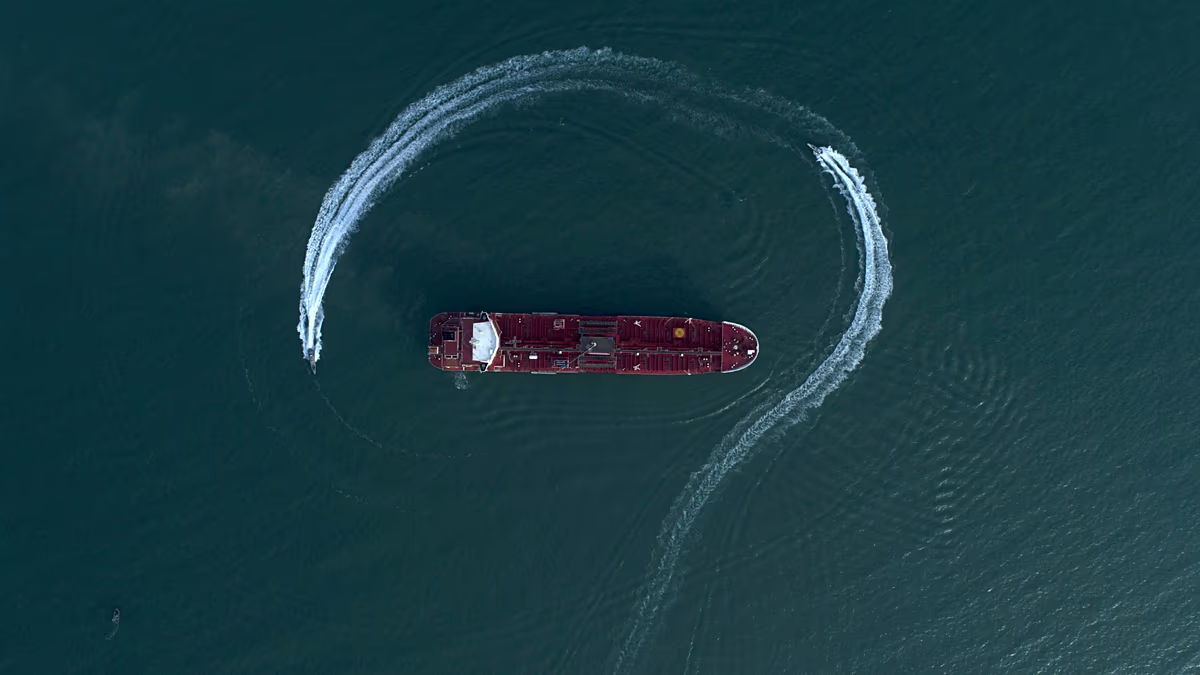
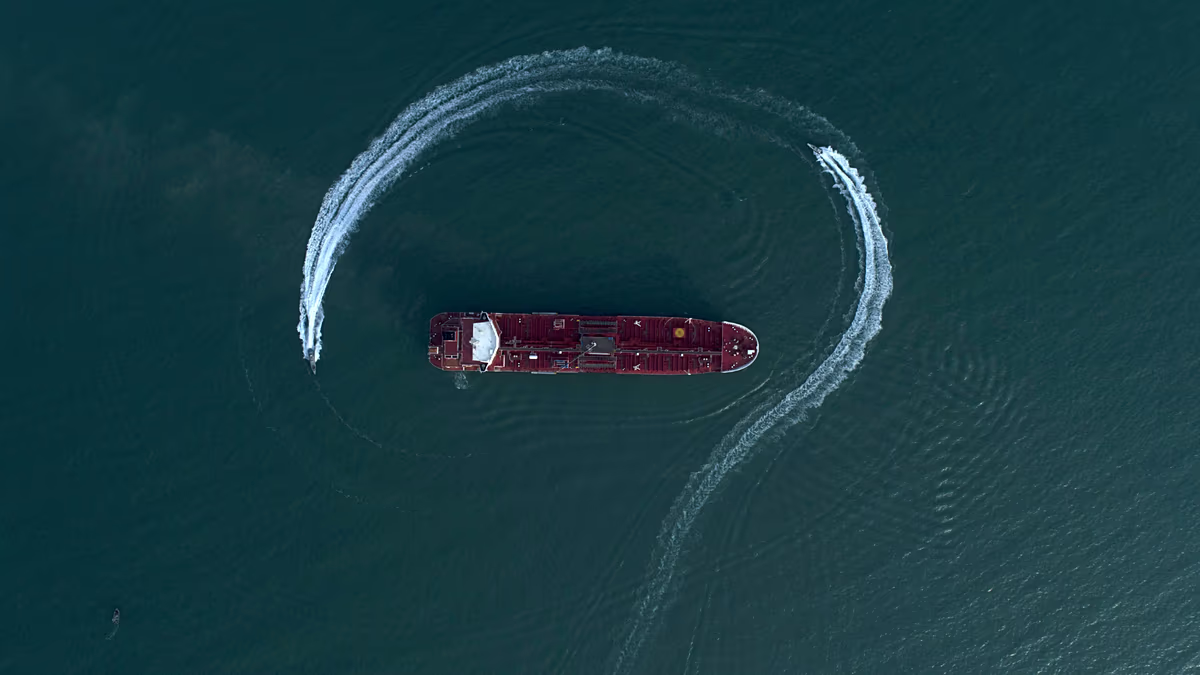
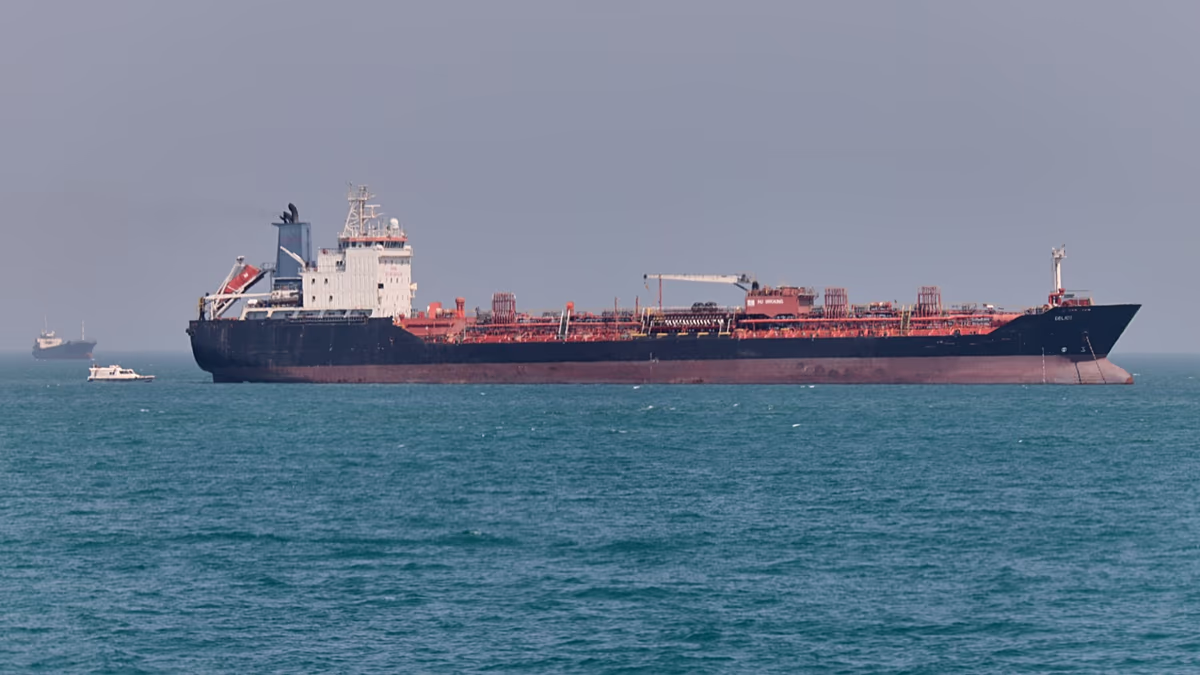
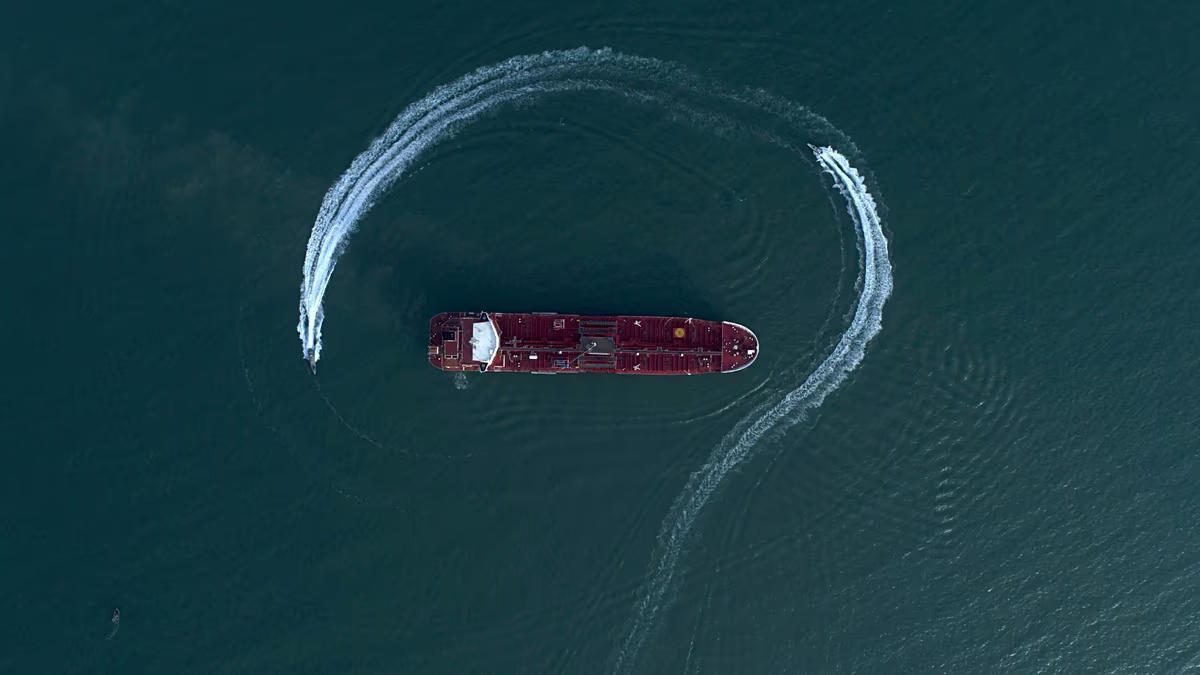
The offensive launched by the United States and Israel against Iran more than 100 days ago triggered an unprecedented energy shock worldwide after Tehran decided to close the Strait of Hormuz. Since then, the constant back-and-forth between Washington and Tehran has only added to the sector's uncertainty.
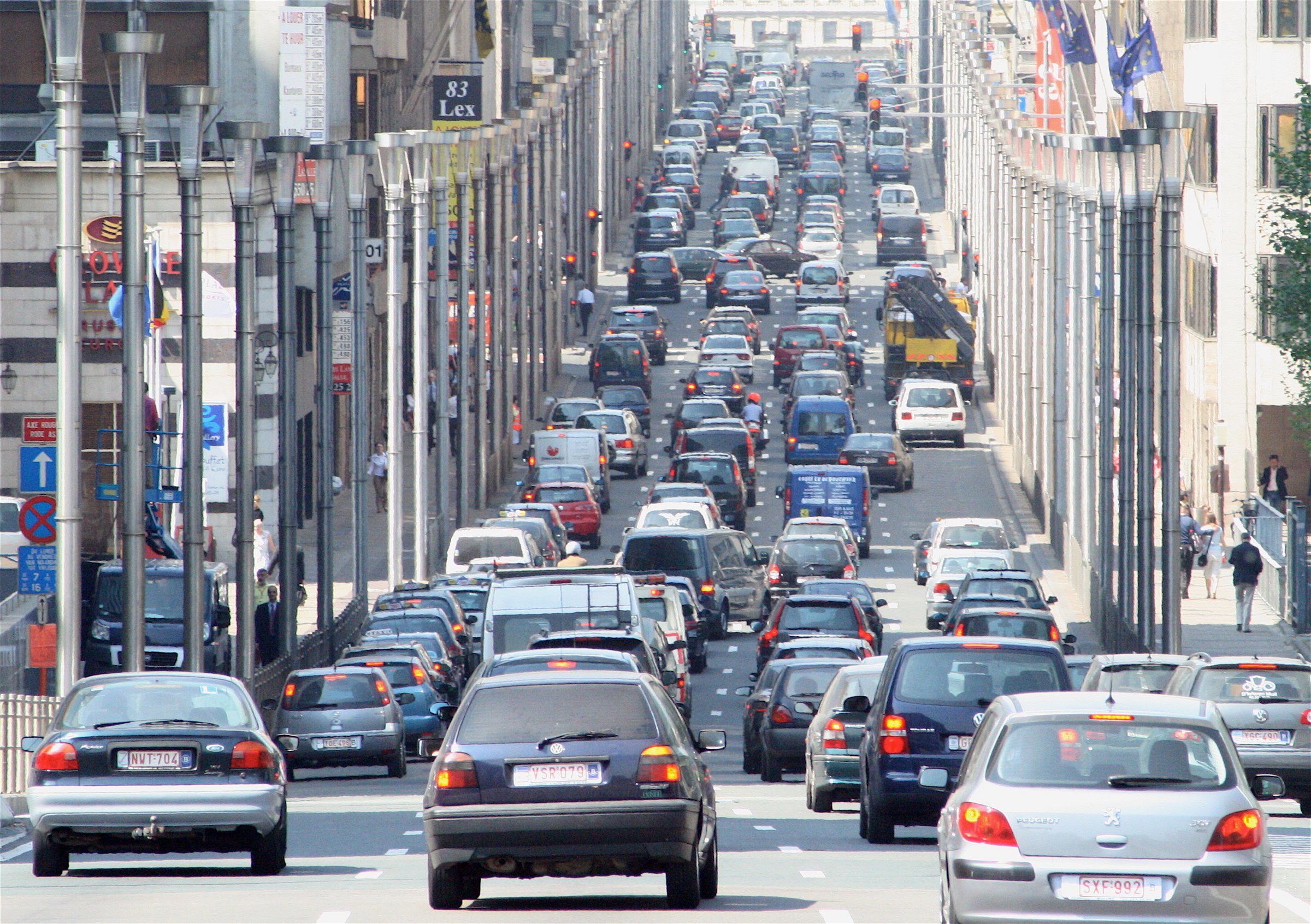
The rise in fuel prices in Europe remains painfully evident and in Spain it even exceeded 34%. Faced with this situation, the European Union countries rushed to adopt a range of measures to minimise the economic impact of the crisis on their citizens' wallets.
'The methodological analysis carried out by Greenpeace reveals a deep structural incoherence in the response to the energy crisis caused by the war in Iran on the part of the EU countries examined', laments the environmental organisation, which has analysed the response in seven countries of the European bloc -Spain, Germany, the Netherlands, Greece, Ireland, Portugal and Sweden- for its report 'Fossil bail-out or energy transition: Spain and the Strait of Hormuz crisis', published on Thursday.