Listen
/
1.0x
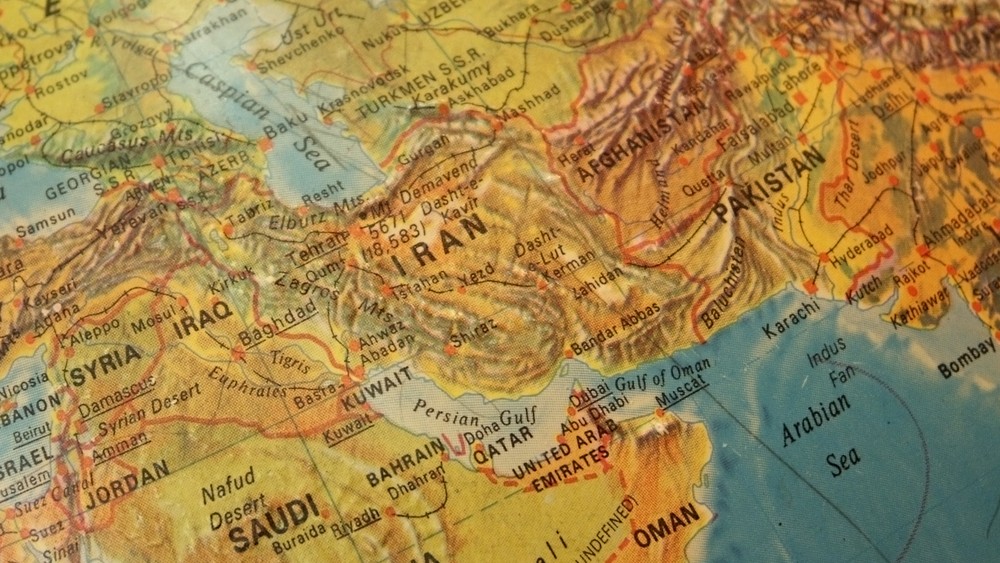
The recent disruption in the Middle East, including the closure and uneven reopening of the Strait of Hormuz, has exposed a shift in the global energy system’s principal vulnerability. Initial concern focused on whether enough crude oil could reach the market. Yet crude flows have recovered faster than supplies of gasoline, diesel, jet fuel and other products. Strategic petroleum reserve releases, softer Chinese demand and alternative export routes have helped cushion the crude market, but they cannot substitute for operational refineries. The central constraint is therefore no longer simply the availability of crude; it is the capacity to process the right grades of crude into usable fuels and deliver them to consumers. That distinction defines the current global market imbalance.
Kpler’s analysis supports this distinction between crude availability and product supply. The company expects Middle Eastern refined-product exports to require another three to four months to recover as refineries return to stable operating rates and rebuild export flows. It also notes that product inventories in the United States, Singapore, Fujairah and the Amsterdam-Rotterdam-Antwerp hub remain low, leaving the market with limited protection against additional outages. In Kpler’s base case, global refinery runs rise from about 81.5 million barrels per day (mb/d) in the third quarter to 84.5 mb/d in the fourth, but transportation-fuel balances remain in deficit through much of the second half of 2026.