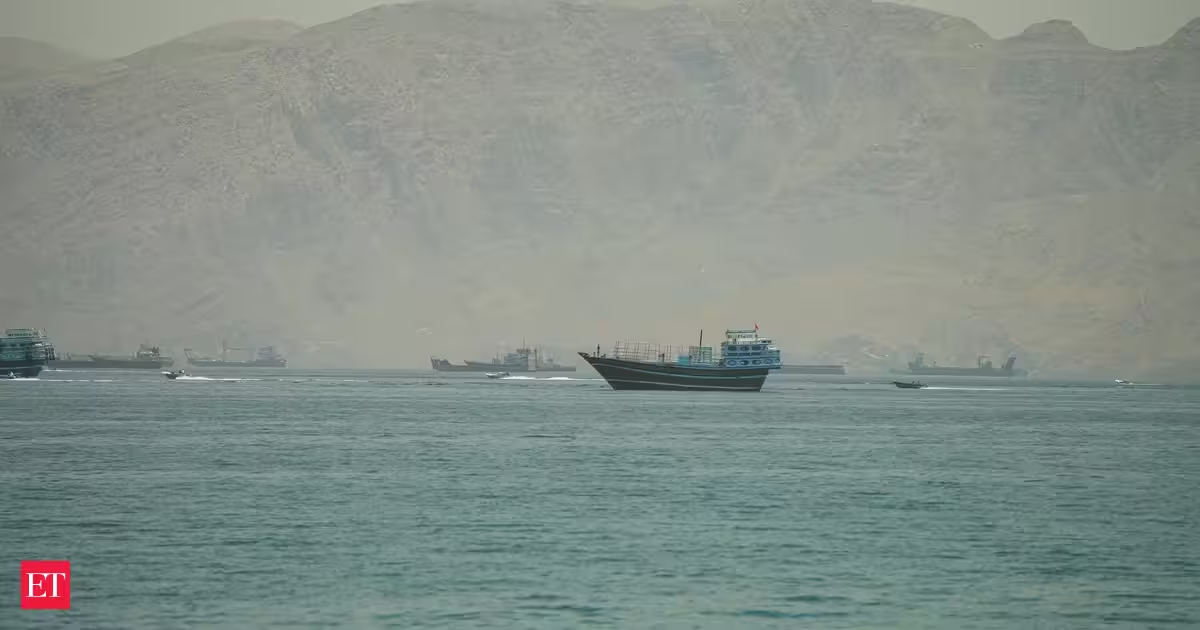
The collapse of the US-Iran ceasefire has pushed global oil markets into a fundamentally different phase of the Mideast conflict. While the initial closure of the Strait of Hormuz in late February revealed the market's surprising ability to absorb a major supply disruption, renewed fighting near the critical waterway is exposing a global energy system with far fewer shock absorbers left at its disposal. Global inventories have been depleted, critical refining capacity is off line and the US no longer appears capable of acting as the world's supplier of last resort. During the conflict's opening months, traders feared an immediate energy-supply crisis. Instead, the market adapted: Emergency releases of strategic crude reserves, unexpectedly resilient Mideast Gulf exports (including some leakage through Hormuz), relatively healthy global inventories, and surprise support from rapid declines in Chinese crude oil imports bought enough time to prevent the severe shortages many had anticipated. By the time Washington and Tehran agreed to a memorandum to pause the conflict in mid-June, delayed Gulf cargoes had created a temporary surplus in Asia, sending physical crude prices sharply lower. This week, with tanker traffic through Hormuz again grinding to a virtual standstill and hopes for a lasting peace diminished, benchmark Brent has rallied to nearly $90 per barrel. The question now is whether prices will test the highs seen in late April, when Brent reached nearly $120/bbl. To be sure, refiners appear mostly covered for crude through August, while more than 100 million bbl committed under the International Energy Agency's emergency release program in March still has no fixed release date, leaving some flexibility in the system.
Oil Realities Make New Phase of Hormuz Crisis More Perilous
Inventories have been depleted, refining capacity has been damaged and the US no longer appears capable of acting as the world's supplier of last resort.
268 words~1 min read