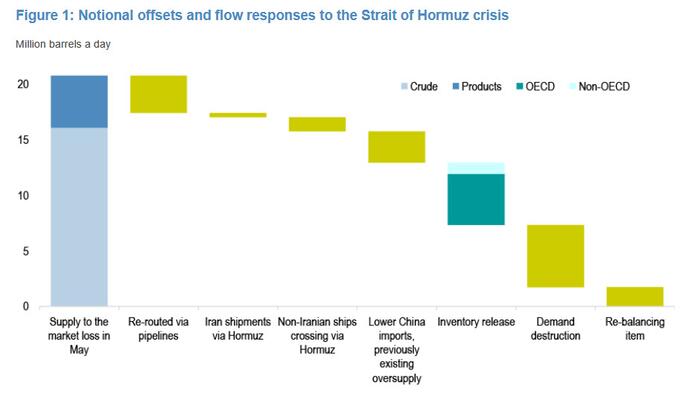
The oil market is increasingly behaving as though disruptions to Middle East energy supplies are not a temporary shock but a new reality.Nearly six months after war erupted between the United States and Iran, hopes for a diplomatic breakthrough have faded. An interim ceasefire agreed on June 17 has effectively collapsed, the 60-day negotiating period has expired, and neither Washington nor Tehran appears willing to compromise over the future of the Strait of Hormuz.
The stalemate is increasingly forcing traders to contend with restrictions on shipping through the Strait of Hormuz, the world's most important oil chokepoint, that could persist for months.
That shift in expectations helps explain why crude oil prices have stabilized around US$90 a barrel. Crude has surrendered some of its panic premium since the early days of the conflict, but remains roughly 50 percent higher than at the start of the year. The market may no longer fear an immediate collapse in supplies, but neither does it expect a swift return to normal.
Behind the political rhetoric, the economic costs are mounting for both sides.
Iran is under growing strain from the conflict and US blockade. Inflation exceeded 80 percent in July from a year earlier, according to an ISNA report, while crude exports have fallen to 294,000 barrels per day (bpd) so far this month from 1.7 million bpd in 2025, according to analytics firm Kpler.