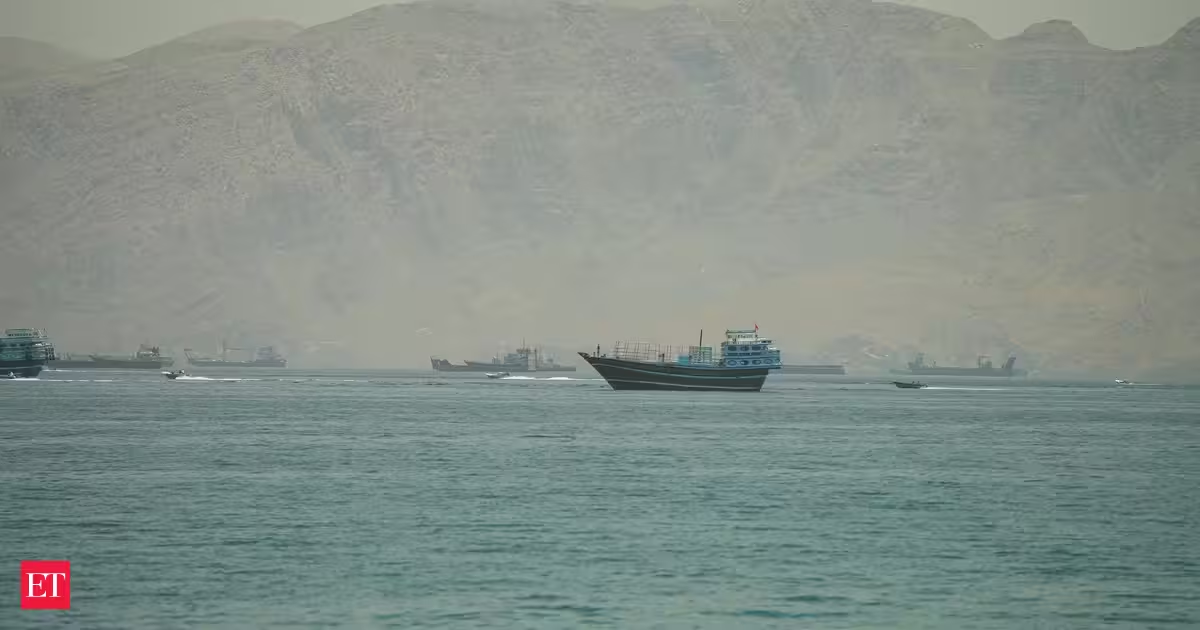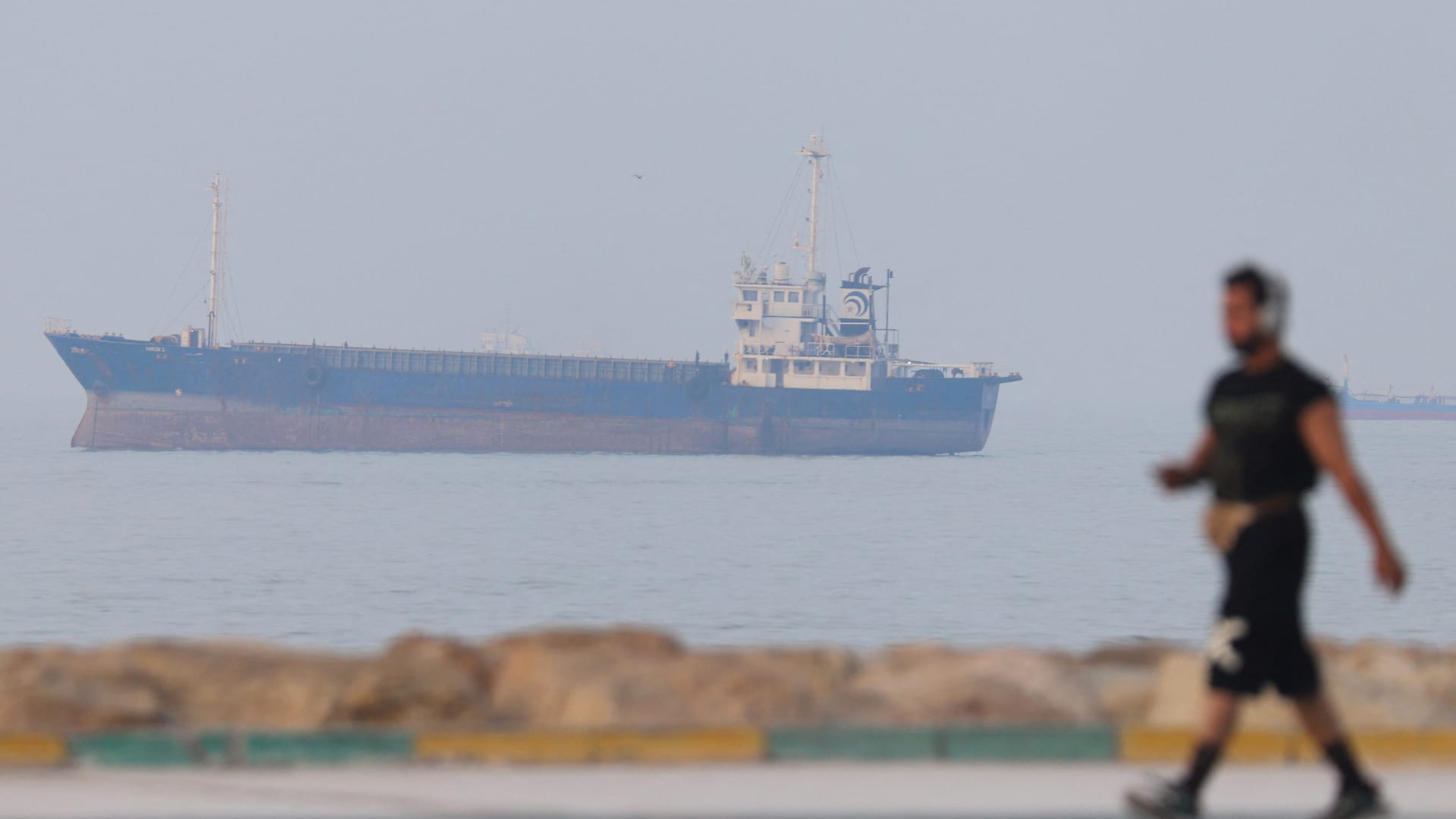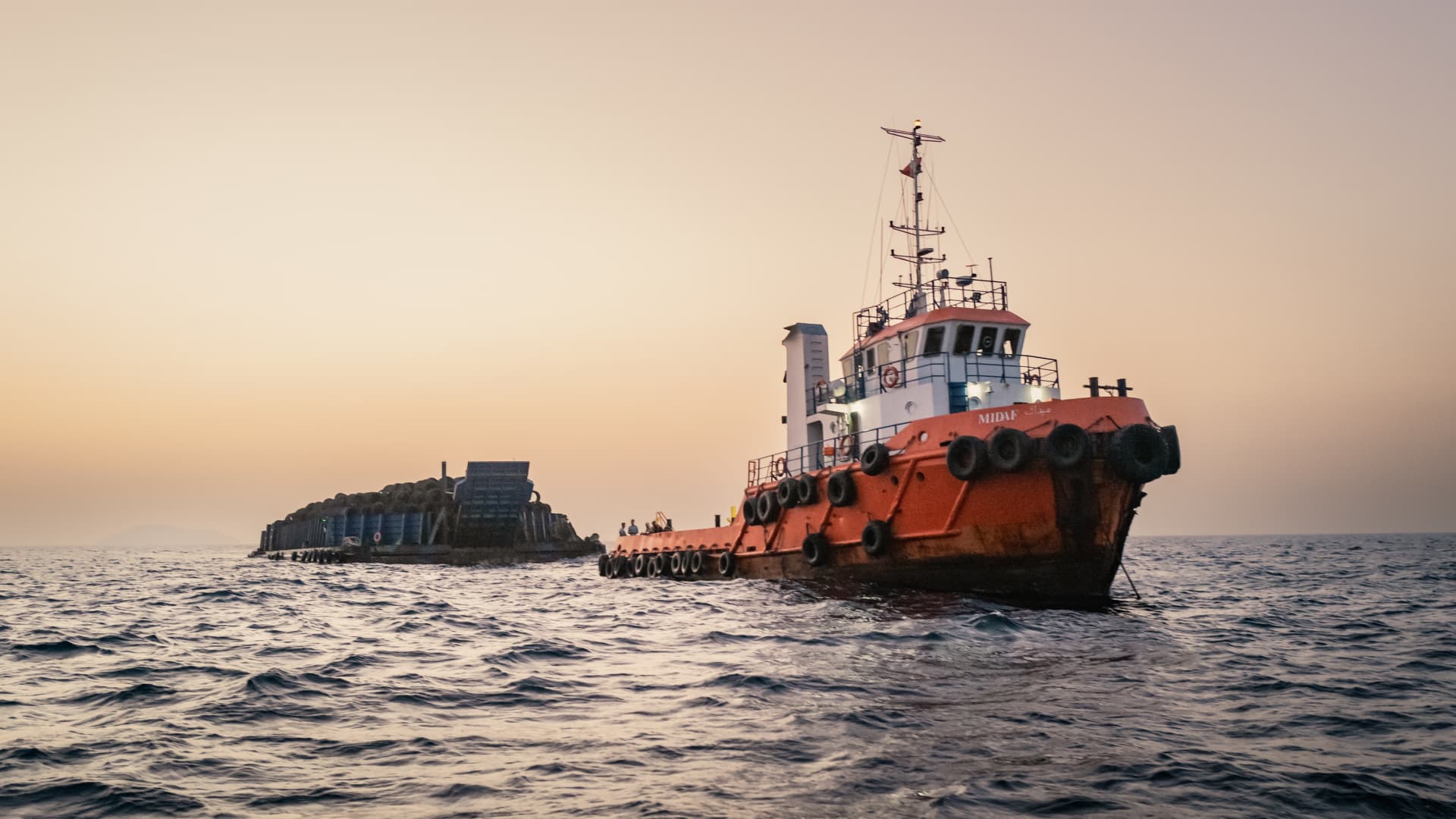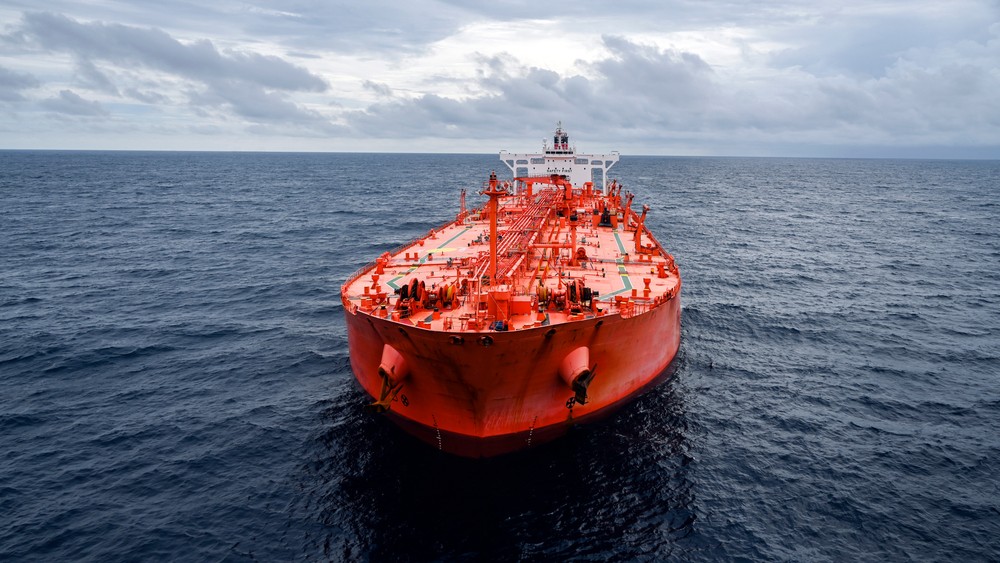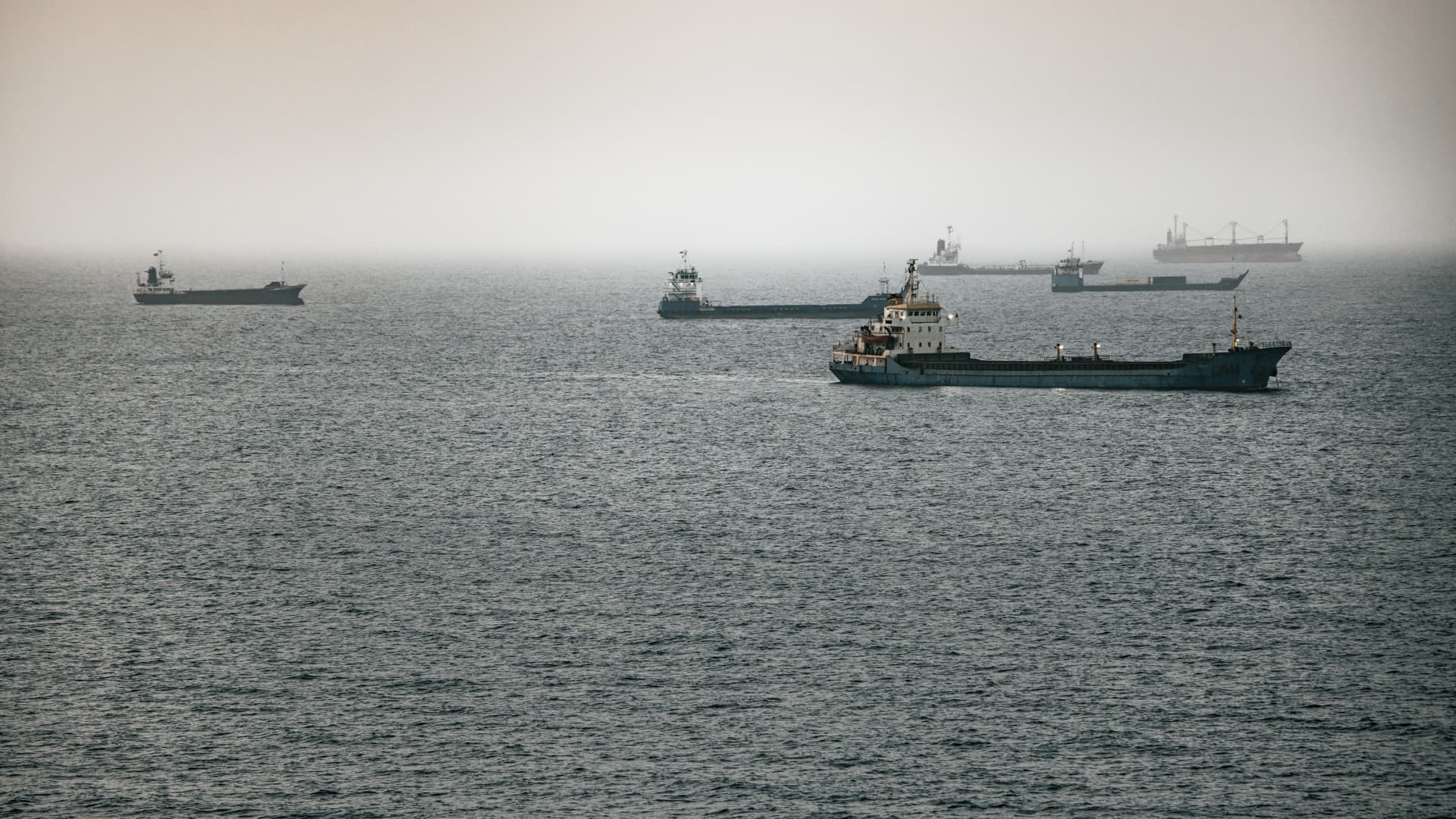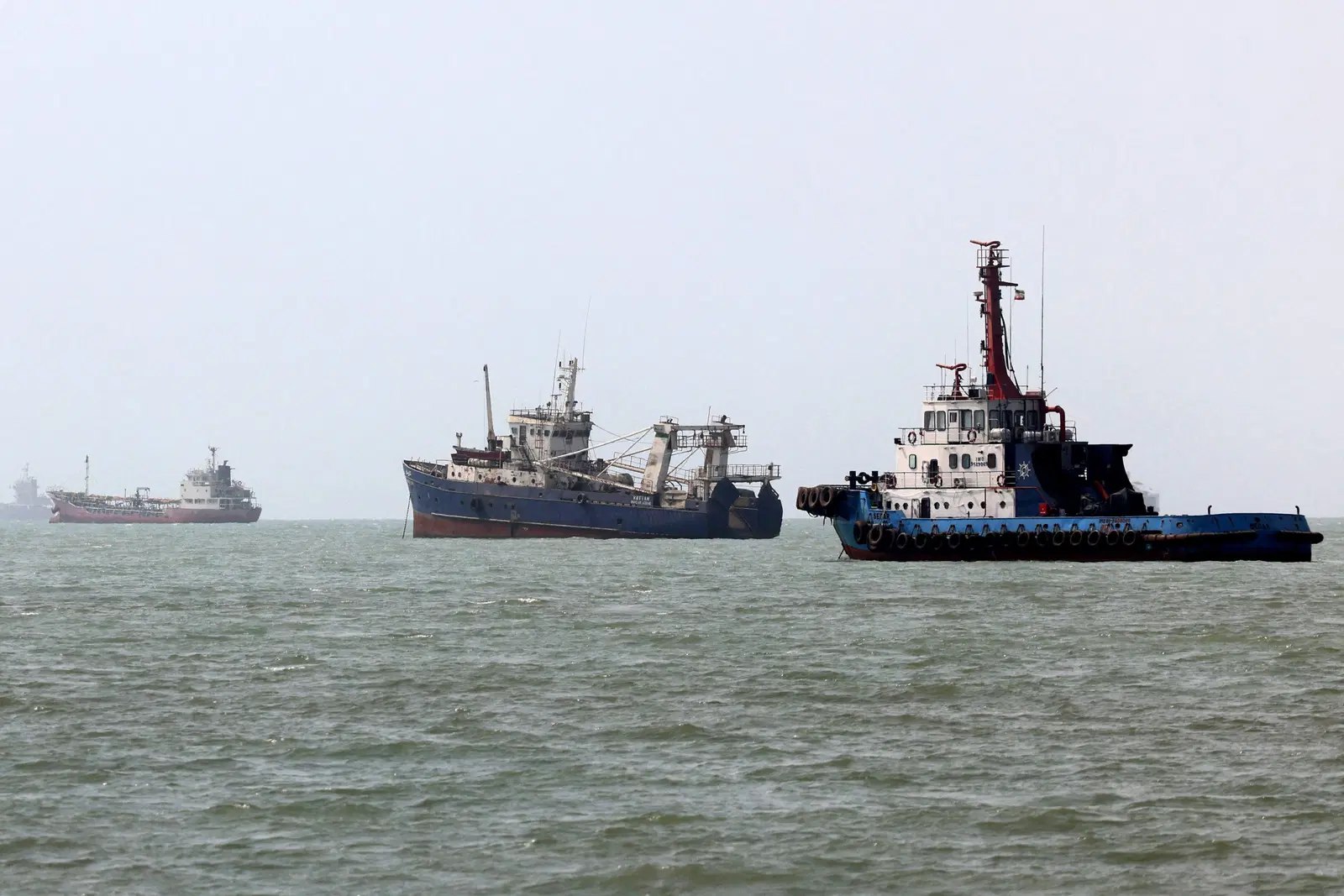
The Gulf war is not over. The United States launched airstrikes on Iran on July 7 after several Iranian attacks on vessels transiting the Strait of Hormuz, and suspended a US Treasury Department license that had authorized Iranian oil sales for sixty days. Tanker transit through the Strait of Hormuz remains below pre-war levels, and it remains uncertain if this is a temporary flareup, or instead if these events could derail US-Iran peace talks. A resurgence of tensions could halt the notable increase in oil exports from the Mideast Gulf in recent weeks, and oil prices rose on July 7 after the US strikes.
While the immediate path ahead is uncertain, the past four months were full of surprises for energy analysts. It is a good time to take stock of the lessons learned—and the structural changes that could follow.
1. An energy crisis in Asia hardly registered elsewhere.
The Strait of Hormuz closure hit Asia first and hardest, cutting off critical supplies of crude oil, jet fuel, liquefied petroleum gas (LPG), and liquefied natural gas. Countries such as India and Nepal were forced to ration LPG, while Sri Lanka and the Philippines imposed work from home policies to cut oil consumption. In contrast, Western countries were relatively unscathed. Gasoline prices rose in the United States but remained below 2022 levels and far below the peak of 2008, while European natural gas prices never approached the dizzying heights seen after Russia’s war on Ukraine. Asian importers will likely conclude that they face far greater risks than other regions, and indeed that fossil fuel energy abundance in Western countries may embolden actions that undermine their energy security.