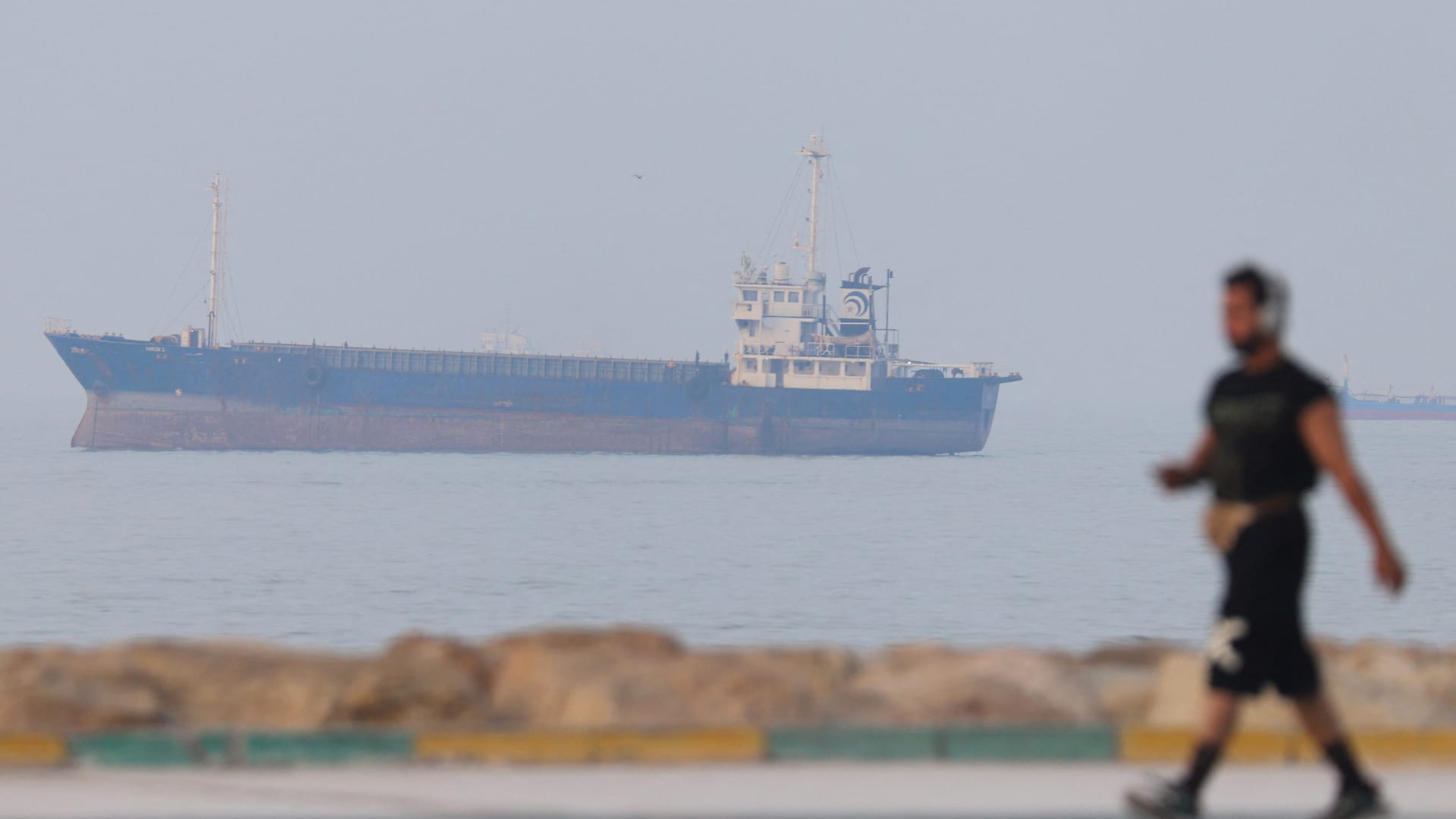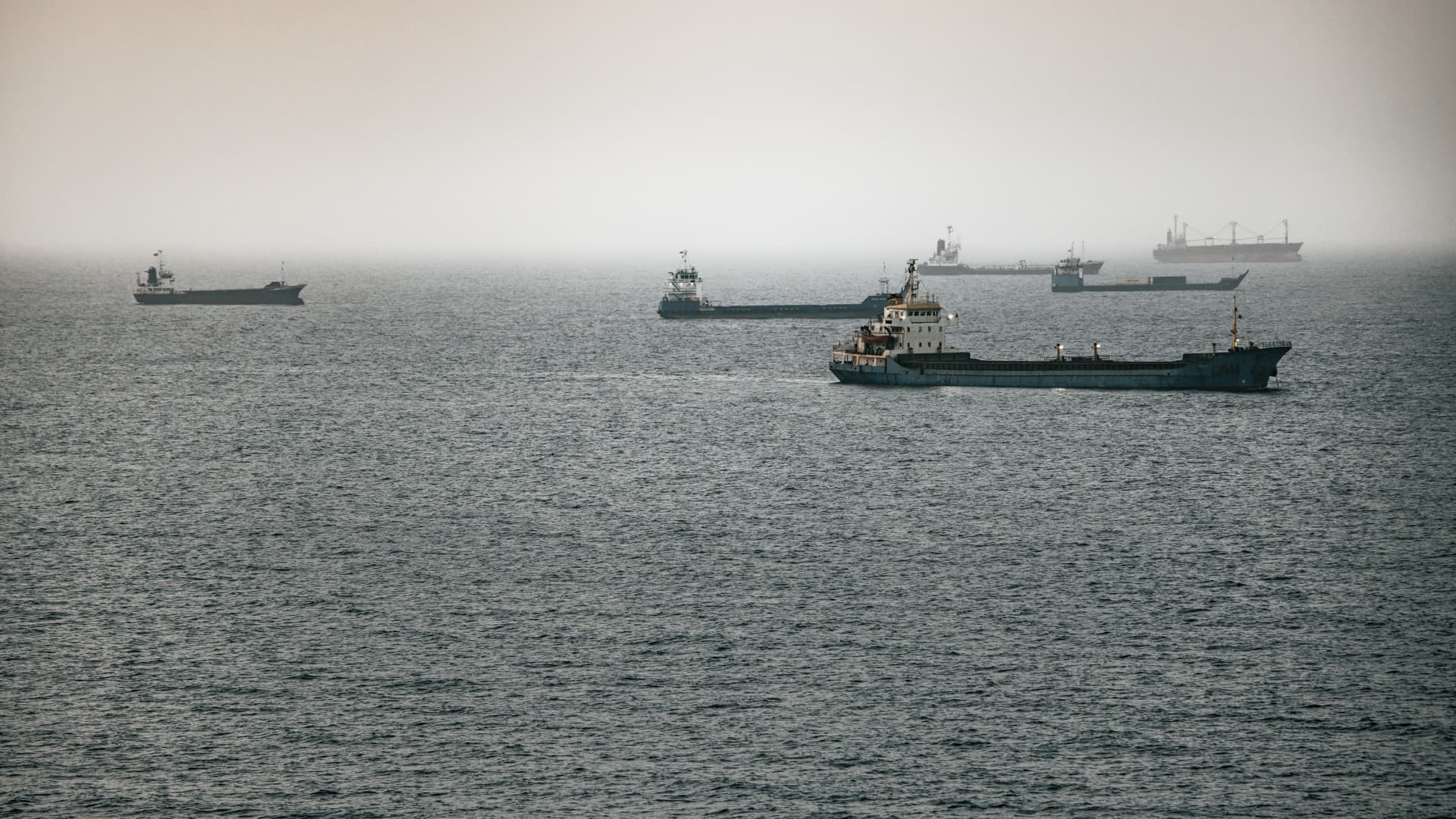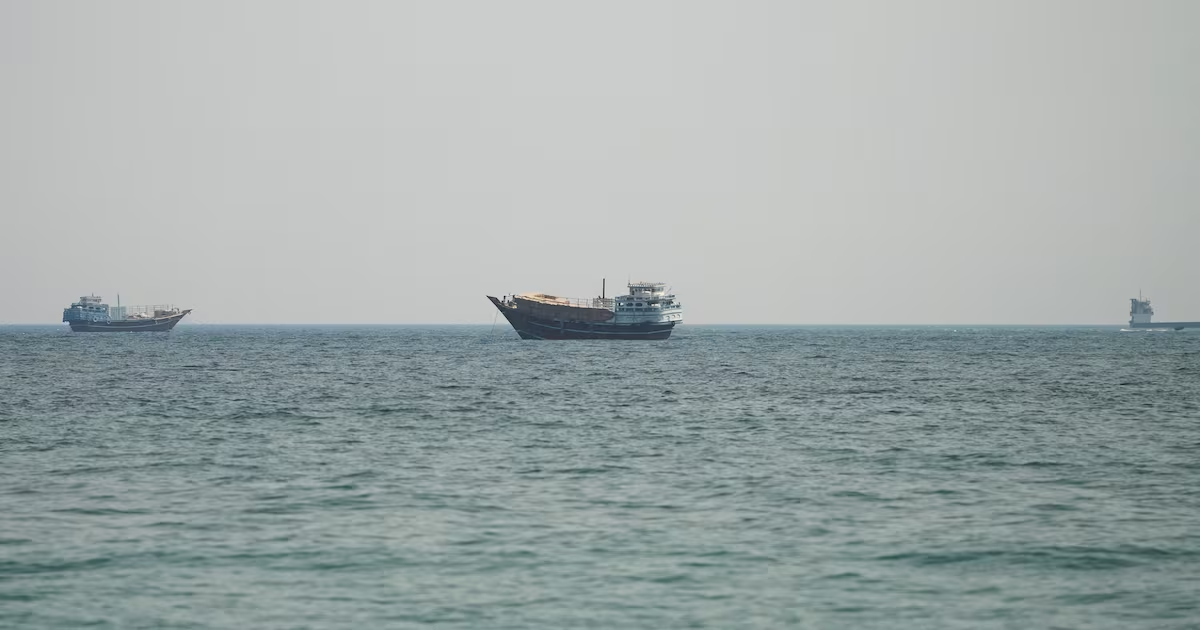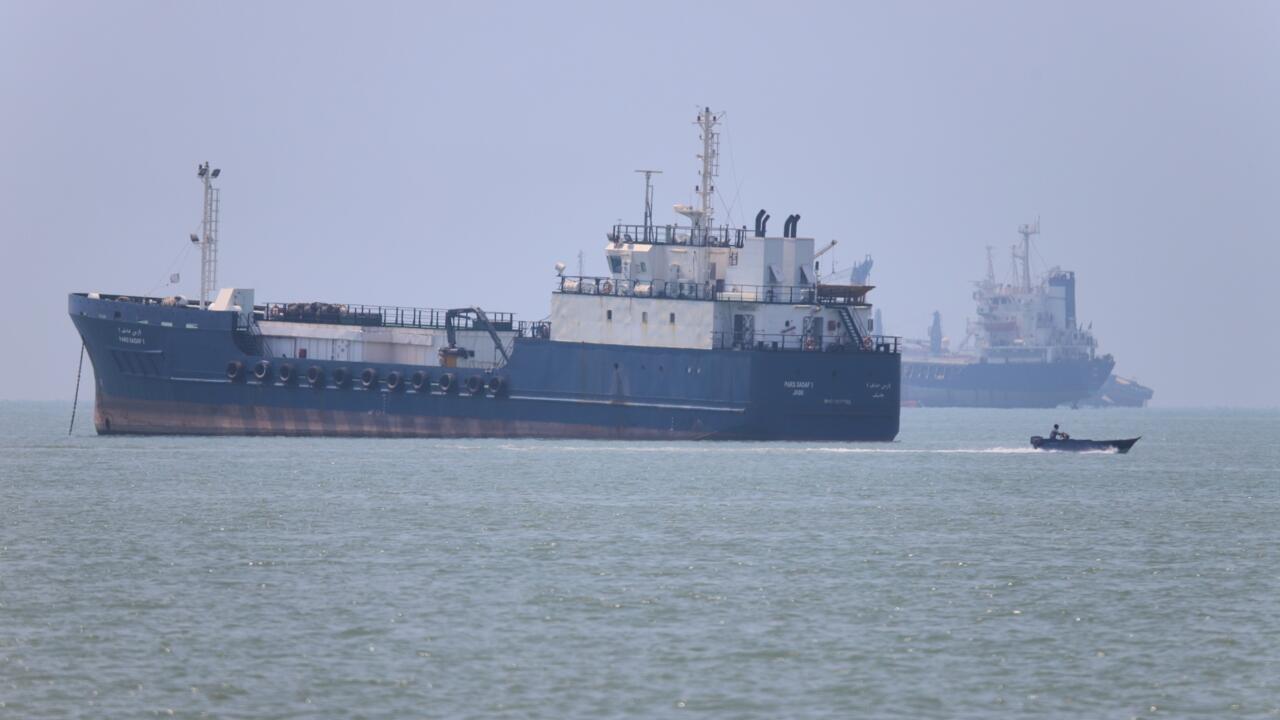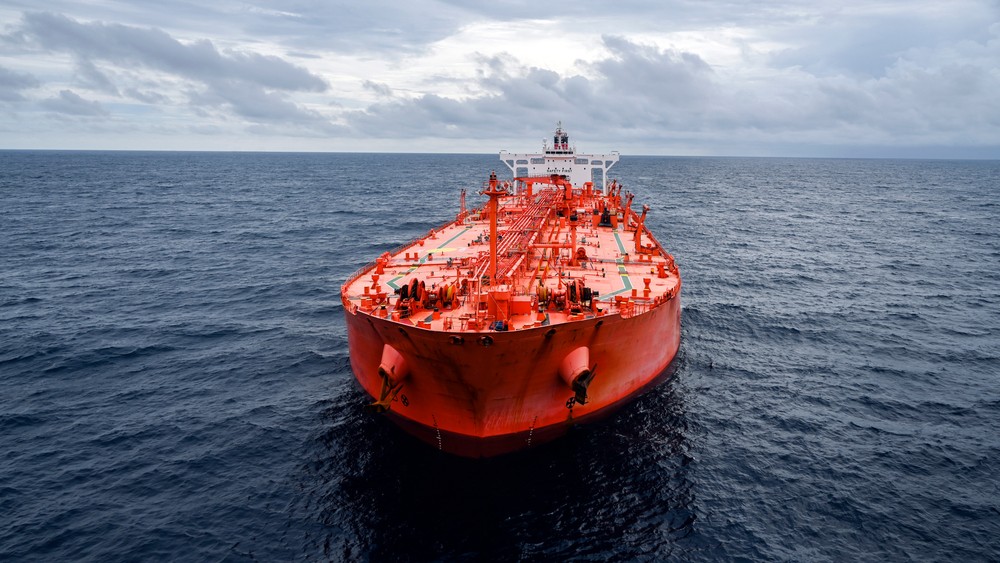
Thin tanker traffic through the Strait of Hormuz continued early on Wednesday despite the fresh flare-up in the Middle East, but more vessels appear to be reconsidering moving toward the chokepoint after the U.S. and Iran traded new attacks overnight.At the time of writing, oil prices had spiked 6% on fears of a significant disruption, with Brent futures trading at $78.58 and WTI futures climbing to $74.76.Six tankers were observed to be either completing or starting to move toward the Strait of Hormuz hours after Iran attacked three vessels in the area on Tuesday, according to tanker-tracking data compiled by Bloomberg.A super tanker chartered by ExxonMobil, fully laden with 2 million barrels of crude, cleared the Strait outbound overnight, even after the Iranian attacks on three vessels near the Omani coast.The Exxon-chartered very large crude carrier (VLCC) was observed to have transited the Strait through a corridor over which Iran claims to have control, according to the data.But other tankers have exercised more caution and have either made U-turns or have dropped anchor in various areas east and west of the Strait, waiting for additional information about safety and the tensions to ease.Tanker owners and operators face dilemmas about which route through the Strait of Hormuz they should take. The northern one, closer to the Iranian coast, likely needs approvals from the Iranian authorities to proceed. The southern route hugging the Omani coastline is thought to be protected by the U.S., but it was there that Iran hit three commercial vessels on Tuesday.Of these, two were carrying energy products: a Marshall Islands-flagged Qatari LNG carrier and a Saudi-owned ULCC, both running dark at the time of attack, according to data from maritime intelligence firm Windward.Following the attacks, the Joint Maritime Information Center raised the regional threat level for the Strait of Hormuz to “severe”. “Iranian attacks have raised the threat level to SEVERE, with deliberate hostile action likely under current conditions,” UKMTO said on Tuesday, adding that “The recent confirmed incidents highlight that the threat environment remains heightened and warrants extreme vigilance. IRGC hailing and routing pressure continues, particularly for AIS-active vessels.”By Tsvetana Paraskova for Oilprice.comMore Top Reads From Oilprice.comOil Prices Jump After Iran Attacks Commercial VesselsUS Crude Oil, Product Inventories Fall Even As Hormuz Traffic Begins to FlowTrump Targets California Again In SpaceX Feud
Oil Prices Surge 6% Even as Tankers Push Through Hormuz | OilPrice.com
Despite renewed U.S.-Iran military exchanges, some tankers continue transiting the Strait of Hormuz while others delay or reverse course as security risks intensify.
385 words~2 min read